Industry news
Transdermal Delivery Systems: 4 Generations Compared (70% to 95% Bioavailability)
Industry news 2026-07-13 11:11:17 98 views admin
Transdermal Delivery Systems: 4 Generations Compared (70% to 95% Bioavailability)
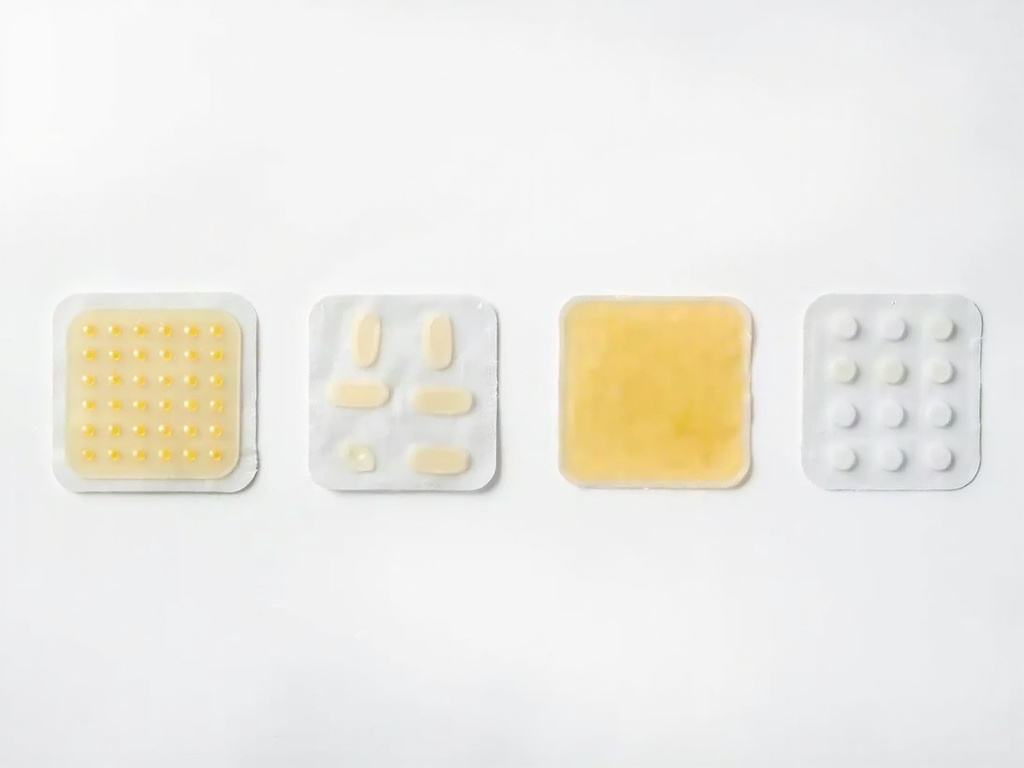
Transdermal delivery systems deliver medication through the skin directly into the bloodstream, bypassing the digestive system and liver metabolism. Unlike oral medications, which lose 40-60% of active ingredients to first-pass metabolism, transdermal patches deliver 75-95% of the active compound to the target tissue. This bioavailability advantage, combined with controlled release over 8-72 hours, is why the global transdermal patch market reached USD 8.1 billion in 2024 and is growing at 6.4% annually.
Four Patch Generations Compared
| Generation | Tech | Duration | Bioavailability | Cost (USD/piece) |
|---|---|---|---|---|
| 1st - Reservoir | Drug in liquid chamber | 24-72h | 70-85% | 1.50-3.00 |
| 2nd - Matrix | Drug in polymer matrix | 8-24h | 75-90% | 0.80-1.50 |
| 3rd - Micro-reservoir | Drug dispersed in matrix | 12-48h | 85-95% | 1.20-2.00 |
| 4th - Microneedle | Dissolvable micro-needles | Minutes-7 days | 95%+ | 2.50-5.00 |
Most consumer wellness patches (pain relief, herbal heat, cooling) use 2nd-generation matrix technology because it balances cost, manufacturing simplicity, and reasonable bioavailability. Pharmaceutical patches (hormones, nicotine cessation) often use 1st or 3rd-generation systems for precise dosing.
Why Transdermal Beats Oral Delivery
Steady blood levels: oral medications peak 1-2 hours after ingestion and decline rapidly, requiring multiple daily doses. Transdermal delivery maintains consistent plasma concentration over the wear period.
Reduced side effects: bypassing the digestive tract eliminates gastric irritation and liver toxicity. For chronic pain patients on long-term therapy, this means fewer GI complications and better adherence.
Patient compliance: a 2023 adherence study showed 78% compliance with once-daily transdermal patches versus 52% with oral medications requiring 2-3 daily doses.
Faster onset for some applications: nicotine patches reach effective blood levels within 30 minutes, versus 60-90 minutes for oral nicotine gum.
Limitations to Consider
Transdermal delivery is not suitable for all drugs. Effective candidates must be:
- Low molecular weight (under 500 daltons)
- Adequately lipophilic
- Effective at low doses (under 10 mg/day)
- Non-irritating to skin
Large-molecule drugs (proteins, peptides) and drugs requiring high doses typically cannot be delivered transdermally.
Frequently Asked Questions
Q: How does the skin barrier affect transdermal drug delivery?
The stratum corneum (outer skin layer) is the main barrier. Penetration enhancers (alcohols, fatty acids, terpenes) temporarily disrupt this layer to improve drug flux. Modern patches use chemical enhancers or physical methods (microneedles, ultrasound) to improve absorption.
Q: What are the most common transdermal patch applications?
Major pharmaceutical applications include nicotine cessation, hormone replacement, pain management (fentanyl, lidocaine), and motion sickness (scopolamine). Consumer wellness applications include pain relief, herbal heat, and cooling patches.
Q: How do you ensure consistent drug release from a patch?
Matrix patches use polymer-drug blends with controlled diffusion rates. The polymer type (acrylic, silicone, hydrogel), drug concentration, and layer thickness determine release kinetics. Quality manufacturers test each batch for in-vitro release profiles matching the target curve within ±10%.
Q: What's the difference between medical-grade and consumer-grade patches?
Medical-grade patches require FDA/CE regulatory approval, validated manufacturing processes, batch traceability, and clinical efficacy data. Consumer-grade patches face fewer regulatory hurdles but must still meet safety standards for skin contact.
Henan Hanmeng Bio-Tech specializes in 2nd and 3rd-generation matrix patches for pain relief, herbal heat, and cooling applications. The company's R&D team supports custom formulation development with in-vitro release testing and 12-month stability programs.
Keywords: transdermal delivery systems, transdermal patch technology, matrix patch vs reservoir, transdermal drug delivery
Looking for a Custom Patch Manufacturer?
Henan Hanmeng Bio-Tech produces private-label pain relief patches, herbal heat patches, cooling patches, nasal strips, and hydrocolloid patches on certified production lines. FDA, EU CE, and ISO 13485 documentation included. Samples shipped in 7 days; bulk MOQ negotiable.
View Our OEM Catalog Request a Quote
Henan Hanmeng Bio-Tech · Henan, China · +86 17796669065 · 396269538@qq.com
CATEGORIES
LATEST NEWS
CONTACT US
QQ: 396269538
Phone: 17796669065
Tel: 17796669065
Email: 396269538
Add: Room 001, 1st Floor, Building 1, Zhengzhou Hangmei International Smart City, Intersection of S102 and Nanquan Road, Xuedian Town, Xinzheng City, Zhengzhou, Henan Province, China