Industry news
fever cooling patchouli: A Parent’s Guide to Choosing and Using a Cooling Patch
Industry news 2026-08-06 09:30:13 65 views admin
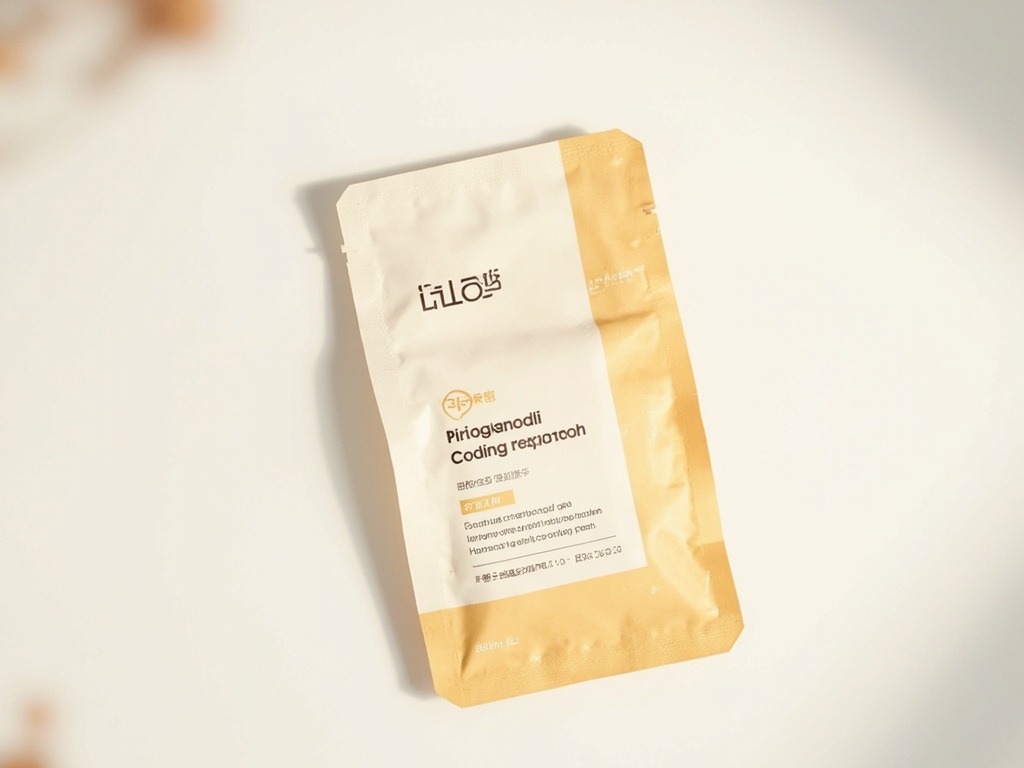
Best for: parents of children under 10, grandparents and other caregivers, families comparing non-medicine cooling products
A fever cooling patch may make a child’s forehead feel cooler and may offer a little comfort, but it does not treat the cause of a fever or reliably lower a child’s core temperature. Use it as a comfort product only, follow the package age guidance, and check your child’s temperature with a thermometer rather than judging fever by skin feel.
Start with the decision, not the patch
The first question is not “Which patch should I buy?” It is “Is my child safe to watch at home?” A child who is alert, drinking some fluids, breathing comfortably, and responding normally may be suitable for home comfort measures while you monitor symptoms. A patch can sit alongside those measures. It cannot replace them.
Fever is a body-temperature reading, not a diagnosis. A reading of 38°C, or 100.4°F, is commonly used as a fever threshold in children, but the meaning depends on the child’s age, the measurement method, and other symptoms. A forehead scan, ear reading, oral reading, and underarm reading may not be directly interchangeable. Use the thermometer according to its instructions and record the time and result.
Ask yourself three practical questions:
- Is my child behaving reasonably normally between checks, or is the child unusually difficult to wake, confused, floppy, or hard to console?
- Can the child drink, keep fluids down, and urinate as expected?
- Are there warning signs such as difficult breathing, a seizure, a stiff neck, a purple or non-blanching rash, severe pain, or rapid deterioration?
If the answer to any safety question worries you, stop comparing cooling patches and contact a healthcare professional. A comfortable forehead does not make a serious illness less serious.
What a cooling patch can and cannot do
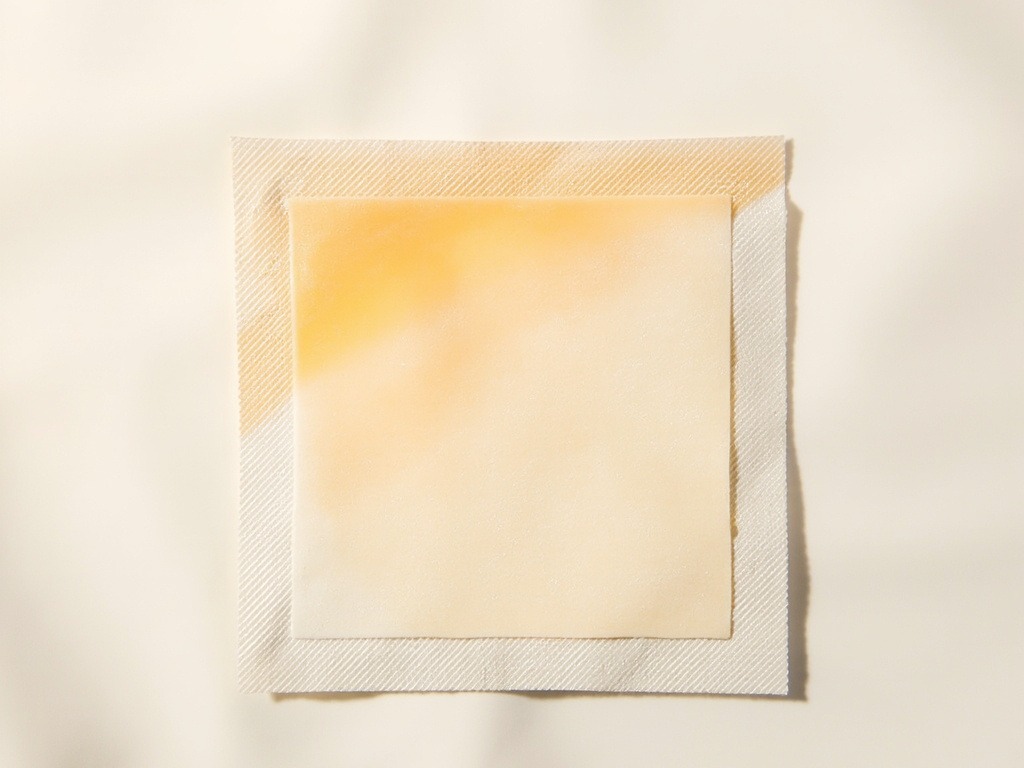
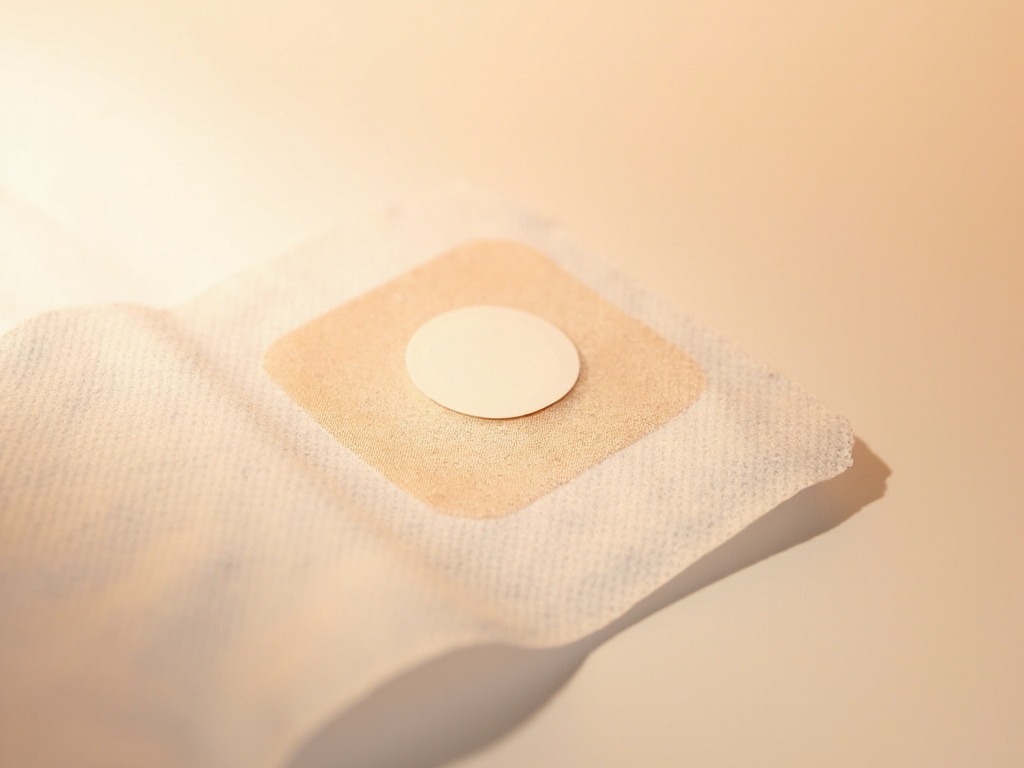
Most cooling patches are thin adhesive sheets containing a water-based gel or similar moisture-holding material. Heat from the skin can encourage evaporation or create a cool sensation at the contact area. That local effect may feel pleasant after a child has been restless or sweaty.
The effect is local. A patch on the forehead does not cool the whole body in the same way that a controlled medical treatment would. It does not kill viruses or bacteria, prevent a febrile seizure, correct dehydration, or prove that the fever has gone. It may also warm up quickly, especially in a hot room or under a hat.
Do not use the patch as a reason to stop checking the child. If the child feels cooler to your hand, take another thermometer reading before deciding that monitoring is no longer needed. The patch can also make the skin feel cold while the underlying temperature remains elevated.
Some products contain only a hydrogel. Others add fragrance, botanical ingredients, menthol-like ingredients, or essential oils. “Patchouli” in a search phrase does not tell you what a product contains. Read the ingredient panel. A scented product may be unsuitable for a child with sensitive skin, eczema, contact allergies, asthma triggered by fragrance, or a history of reactions to adhesives.
Age changes the answer
Age is one of the simplest ways to narrow the decision. The groups below are a cautious home-use framework, not a substitute for the specific label or medical advice.
| Child’s age | How to approach a cooling patch | What deserves priority |
|---|---|---|
| Under 3 months | Do not rely on a cooling patch for a fever. Seek prompt medical advice for a temperature of 38°C or 100.4°F, or the threshold advised by your clinician. | Accurate temperature measurement, urgent professional guidance, feeding and hydration assessment. |
| 3–12 months | Use only if the product label expressly permits this age and the child’s clinician has no concern. A patch should never delay a call about fever in a young infant. | How the child looks and responds, fluid intake, breathing, wet diapers, and the duration of fever. |
| 1–3 years | A label-approved patch may be considered for brief comfort if the child accepts it and the skin remains clear. Supervise closely because toddlers may peel it off or chew it. | Regular checks, fluids, light clothing, rest, and medical advice when symptoms are concerning. |
| 3 years and older | Follow the stated age, placement, wear-time, and removal directions. Explain that it is not food and keep spare patches out of reach. | Comfort, observation, thermometer readings, and the child’s overall condition. |
These age bands do not override a product’s instructions. If the box says a patch is not for children below a stated age, follow that cutoff. If the box is unclear, the ingredients are not fully listed, or the seller gives a different age recommendation from the manufacturer, choose another product or ask a pharmacist.
When a doctor matters more than cooling
Contact a healthcare professional promptly for a baby under 3 months with a temperature of 38°C or 100.4°F, unless a clinician has already given you a different plan. Young infants can become seriously ill without dramatic symptoms.
For an older child, seek medical advice if the fever persists beyond the period your clinician has told you to expect, keeps returning, or is accompanied by a child who is becoming less responsive, drinking very little, vomiting repeatedly, urinating much less, or showing signs of breathing difficulty. A child with a chronic condition, immune-system problem, or recent surgery may need earlier advice.
Get urgent help for severe breathing trouble, blue or grey lips, a seizure, a stiff neck with marked illness, a rapidly spreading purple rash, severe dehydration, unusual confusion, collapse, or a child who cannot be woken normally. Do not wait to see whether a patch changes the temperature.
Fever medicine is a separate decision. Never put medicine into a patch, cut open a medicated patch, or combine products because the child still feels warm. Ask a clinician or pharmacist about the correct medicine, dose, and interval for your child’s age and weight. Avoid aspirin in children unless a qualified professional specifically directs it.
Choosing a patch without guessing
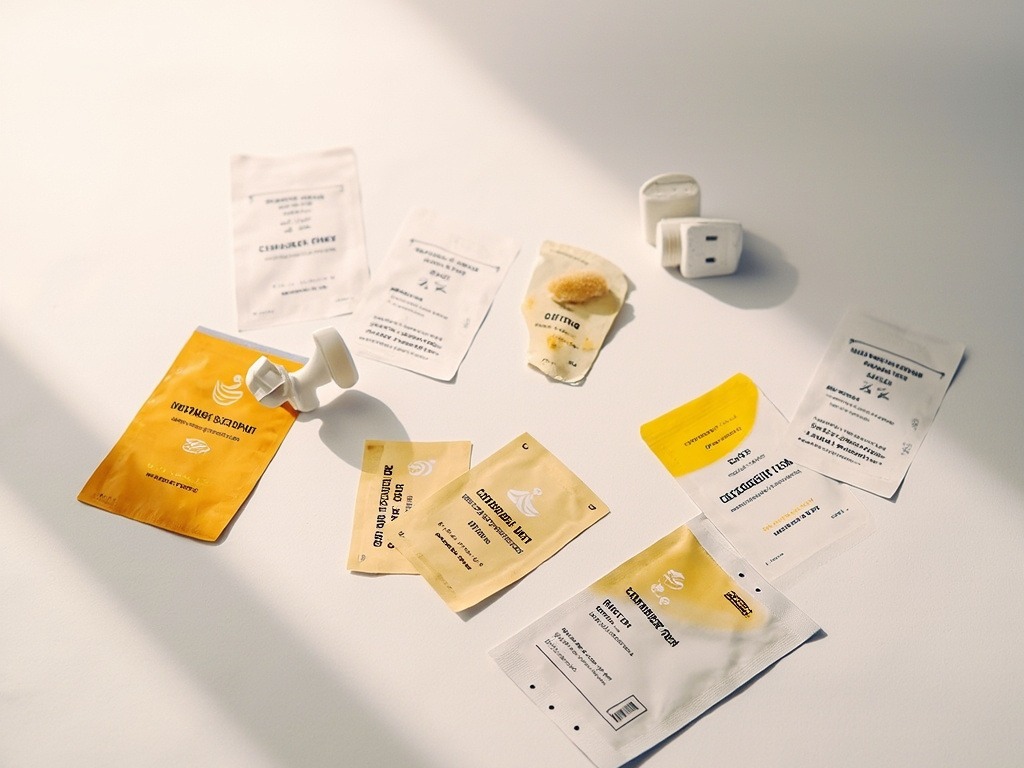
A useful product has clear information. Look for the intended age range, ingredients, application area, maximum wear time, storage instructions, and warnings in a language you can understand. The package should explain whether the patch is designed for the forehead or another area. Do not assume a patch intended for adults is suitable for a child.
Prefer an intact, individually sealed patch with a readable batch or lot reference and an expiry date. Those details help you identify the product if your child develops a reaction. They do not prove that the product will lower fever, and they should not be confused with a validated clinical specification.
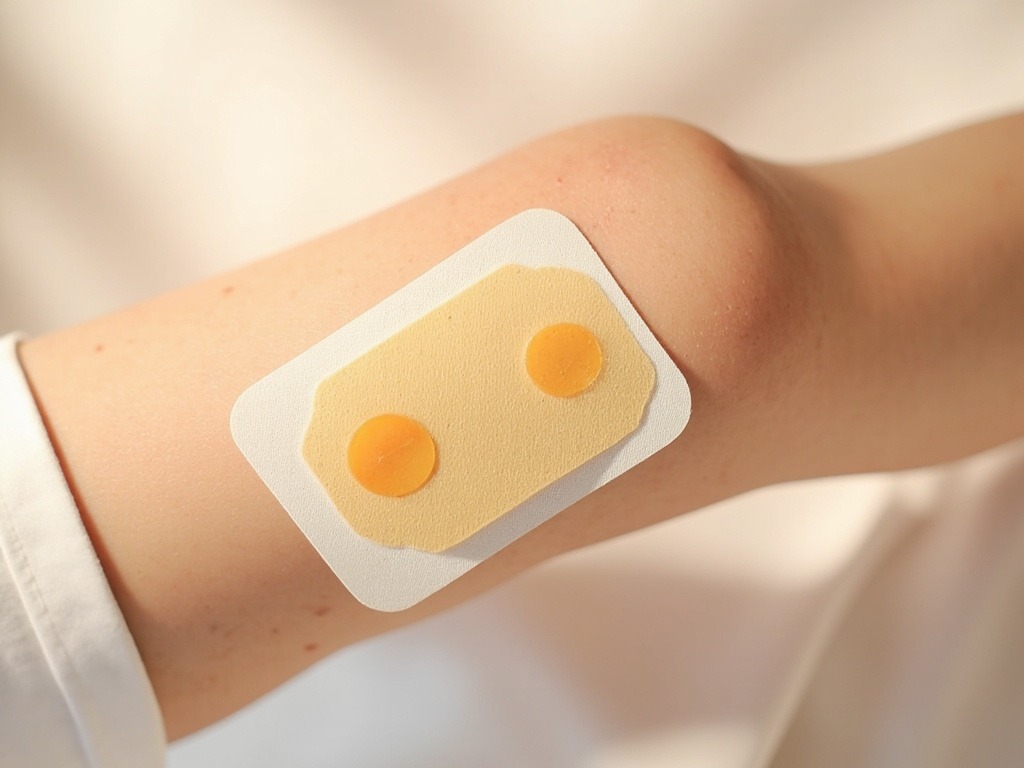
For a child, a smaller patch with a gentle adhesive may be more practical than a large, strongly scented sheet. The patch should lie flat without covering the eyes, nostrils, mouth, or ears. Never wrap it around the head, place it over broken skin, or apply it beneath a tight cap that traps heat.
If the product contains patchouli oil, fragrance, menthol, camphor, alcohol, or another botanical or cooling ingredient, read the warning carefully. Natural does not mean risk-free. Children can react to the adhesive, gel, fragrance, or preservative. A product with fewer unnecessary ingredients may be easier to assess, but it still requires a skin check.
For private-label or supplier information, a generic supplier target such as a stated wear time or gel thickness is not the same as a validated specification. Ask the seller to identify which details are measured, which are label directions, and which are simply design targets. Do not describe a generic range as Hanmeng-certified product data unless the manufacturer has supplied that documentation.
A simple first-use check
Apply the patch only when the child is supervised. Clean and dry the selected skin area, avoiding lotion or oil that could weaken adhesion. Follow the package directions rather than adding extra water, tape, or another cooling product.
Watch the child, not just the patch. Remove it immediately if the skin becomes increasingly red, swollen, blistered, painful, or itchy, or if the child develops wheezing or other symptoms of an allergic reaction. Wash the area gently and seek medical advice if the reaction is severe or does not settle.
Do not let a sleeping child wear a patch if the label says to supervise use or if the child is likely to pull it loose. Loose pieces can become a choking hazard. Dispose of the used patch and its backing promptly.
There is no advantage in keeping a patch on longer than the stated wear time. A warm, dry patch is not evidence that it has failed; it simply may have reached the end of its intended use. Replace it only as directed, and do not stack several patches over the same area.
Limitations and safety
Cooling patches have important limits: they create a local cooling sensation, but they do not diagnose illness, treat the infection causing a fever, or guarantee a lower core temperature. Product ingredients and instructions vary. A child’s age, skin condition, symptoms, and temperature method all affect the decision.
Five-line safety box
1. Under 3 months with 38°C or 100.4°F: seek prompt medical advice.
2. Measure temperature with a thermometer; do not rely on a cool forehead.
3. Use only the stated age range and never apply over damaged skin.
4. Remove the patch for redness, swelling, itching, breathing trouble, or distress.
5. Urgent symptoms come first; a cooling patch must not delay care.
The rule worth remembering
Use a cooling patch only when all four conditions are true: the child is old enough for the label, the child has no urgent warning sign, the skin is intact, and an adult can supervise the use. If one condition fails, skip the patch and address the reason.
A patch may help a child tolerate a warm, uncomfortable afternoon. It is a small comfort measure, not a fever plan. Keep fluids available, avoid heavy layers and overheating, check the child’s behaviour and temperature, and contact a healthcare professional when the pattern does not fit a mild illness.
For general information about private-label patch formats and related OEM services, see Hanmeng’s pharmaceutical patch OEM page. Confirm the ingredients, intended age, testing records, labeling, and applicable local requirements for any specific product before use.
CATEGORIES
LATEST NEWS
CONTACT US
QQ: 396269538
Phone: 17796669065
Tel: 17796669065
Email: 396269538
Add: Room 001, 1st Floor, Building 1, Zhengzhou Hangmei International Smart City, Intersection of S102 and Nanquan Road, Xuedian Town, Xinzheng City, Zhengzhou, Henan Province, China