Industry news
capsaicin patch otc
Industry news 2026-08-14 10:30:01 48 views admin
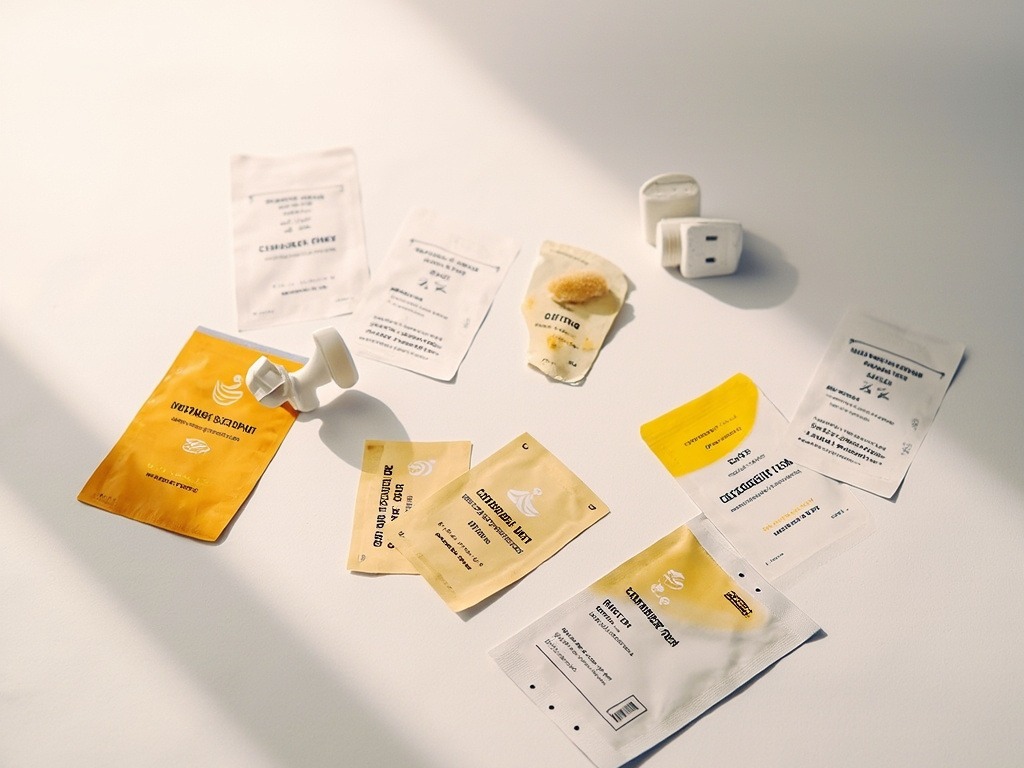 Best for: adults with stubborn muscle or nerve aches who want a non‑menthol option, people who sit at a desk all day and feel tension in the upper back, older shoppers who have tried ice and oral analgesics without relief
For a shopper comparing menthol, capsaicin, lidocaine, and salicylate patches, a capsaicin patch otc is an over‑the‑counter skin patch that delivers a concentrated chili‑pepper extract to dull localized pain. The active is capsaicin, the same compound that makes peppers hot. Capsaicin OTC patches generally use a lower concentration than the prescription8% version, which is described in theNCBI bookshelf monograph on topical capsaicin. They are best for joint and muscle aches where a warming, slow‑release sensation is preferred over a cooling one.
How a capsaicin OTC patch actually works on the skin
Capsaicin binds to the TRPV1 receptor, which is the same nerve sensor that fires when you bite into a hot pepper. In the skin, that receptor normally reports heat and certain chemical irritants. After capsaicin keeps TRPV1 busy for a few hours, the nerve temporarily stops sending pain signals. That effect is calleddefunctionalization in the scientific literature. An OTC patch usually has a milder dose than a prescription patch, so the dulling builds over several applications rather than after one use.
The wear time is short compared to other OTC patches. Most consumer capsaicin patches list a recommended wear of 4 to 8 hours, compared with up to 12 hours for a lidocaine patch. The heat feeling you notice during wear is not a chemical burn in the usual sense; it is the TRPV1 receptor being activated.
Side‑by‑side: capsaicin vs menthol vs lidocaine vs salicylate
The four common OTC pain‑patch actives feel and behave differently. The table below compares what each ingredient is, what sensation to expect, and the rough wear window printed on most consumer packaging.
| Ingredient | What you feel | Typical OTC strength | Wear window | Skin after removal |
|---|---|---|---|---|
| Capsaicin | Warming, then dulling | 0.025% to 0.075% in patch or gel matrix | 4–8 hours | Mild redness possible |
| Menthol | Cooling | 1% to 5% in a typical patch | Up to 8 hours | Cool residue, no lasting mark |
| Lidocaine | Numbing | 4% in OTC patches (5% in some regions) | Up to 12 hours | Pale patch where the adhesive sat |
| Methyl salicylate | Warming, wintergreen scent | 10% to 30% in OTC patches | Up to 8 hours | Possible contact irritation |
The "sensation" column matters more than the active percentage for most shoppers. A consumer who dislikes any warming feel at all should lean toward a lidocaine or menthol patch, since lidocaine numbs without heat and menthol cools without heat.
Which pain pattern fits capsaicin best
Capsaicin is well suited for a dull, persistent ache rather than a sharp, fresh injury. Common match‑ups include:
- Old muscle knots between the shoulder blades that did not respond to ice or stretching.
- Mild osteoarthritis in the knee where the joint aches when the weather changes.
- Lower back tightness from sitting, especially in a home‑office chair.
- Post‑workout calf or hamstring soreness after day two or three, when the warmth is welcome.
It is less ideal for bruised tissue, where heat can feel uncomfortable, or for an acute sprain where the first 48 hours call for cooling and compression.
Skin sensitivity rules before you apply
Two quick checks prevent most of the complaints that show up in user reviews. First, peel a small corner of the patch and press it to the inner forearm for 15 minutes; if the inner arm flares, the back probably will too. Second, never place a capsaicin patch on broken skin, freshly shaved skin, or anywhere near the eyes or mucous membranes. The active does not wash off easily with water alone; soap, vegetable oil, or a mild baking‑soda paste is more effective at removing residue. People who are allergic to chili peppers or to adhesive acrylates should treat the patch as a probable irritant and pick a different active.
Wash hands with soap and cool water after handling, since residue on fingertips can sting if you rub your eyes up to an hour later. A thin layer of cooking oil on the fingers before application also reduces the burn on contact.
When a capsaicin patch is the wrong call
Skip this active if any of the following applies, and choose menthol or lidocaine instead:
- The painful area is swollen, hot, or freshly injured.
- You are on blood thinners or have a bleeding disorder, since warming agents can dilate small vessels under the skin.
- You have neuropathy with reduced sensation, because you may not notice a real burn forming.
- You have asthma triggered by strong odors or vapors; some warming patches give off a faint peppery vapor.
- The user is a child under 12, where pediatric dosing data on capsaicin patches is thin. Local regulations on minimum age for OTC pain patches vary, so check the applicable local requirements.
Stop use and rinse the area with cool water and mild soap if a patch leaves a mark that lasts more than a day, or if the skin blisters. The American Academy of Dermatology guidance on irritated skin is a useful reference for what counts as a mild reaction versus one that deserves a clinician visit.
Buyer checklist: how to pick a specific product
The marketing copy on most boxes is loud, so a short checklist helps a shopper compare real options on the shelf:
- Read the capsaicin concentration on the back of the box, not just the front claim. A patch with 0.025% capsaicin in a hydrogel matrix behaves very differently from one with capsaicin blended into a warming menthol base.
- Look at the patch size in square centimeters. A patch under 50 cm² will not cover a full lower back; one over 100 cm² is wasteful on a single knee.
- Confirm the adhesive is hypoallergenic if you have sensitive skin, and check whether the patch is single‑use or reusable for up to a stated number of hours.
- Compare wear time per patch against the price per wear, not the price per box.
- Make sure the outer pouch is individually sealed; capsaicin degrades when exposed to air for weeks, and a half‑open box loses potency.
Decision rule for the indecisive shopper: if you want cooling, pick menthol. If you want numbness without heat, pick lidocaine. If you want a slow, warming dulling of an old ache and you are not on blood thinners, capsaicin is the right call. Salicylate is the closest cousin to capsaicin, with a wintergreen scent and a slightly milder warming curve.
Storage, reuse, and what to do with a used patch
Store unused patches below 25°C in their original foil pouch. Heat above 40°C softens the hydrogel and can drive capsaicin into the adhesive unevenly. A used patch still contains active material, so fold it onto itself before disposal to keep any residue away from children and pets. Do not flush a patch; the adhesive can clog plumbing. If a patch falls off before the recommended wear time, press it back onto clean dry skin; if it will not stick, replace it rather than tape over it with sports tape, since taping can trap sweat and lift capsaicin onto healthy skin.
Limitations and safety
This article is general consumer information, not medical advice. OTC capsaicin patches sold to shoppers are not prescription‑strength and have not been studied in large head‑to‑head trials against every other pain‑patch active. If pain lasts longer than seven days, gets worse after a few applications, or comes with swelling, fever, or numbness, stop the patch and speak with a clinician. People who are pregnant or breastfeeding have only limited data on repeated topical capsaicin exposure, so check the applicable local requirements and your pharmacist before regular use. Capsaicin does interact with some blood‑pressure medications and ACE inhibitors through a cough reflex in sensitive users, although the effect is more common with high‑dose creams than with patches.
How a generic OTC patch is actually made
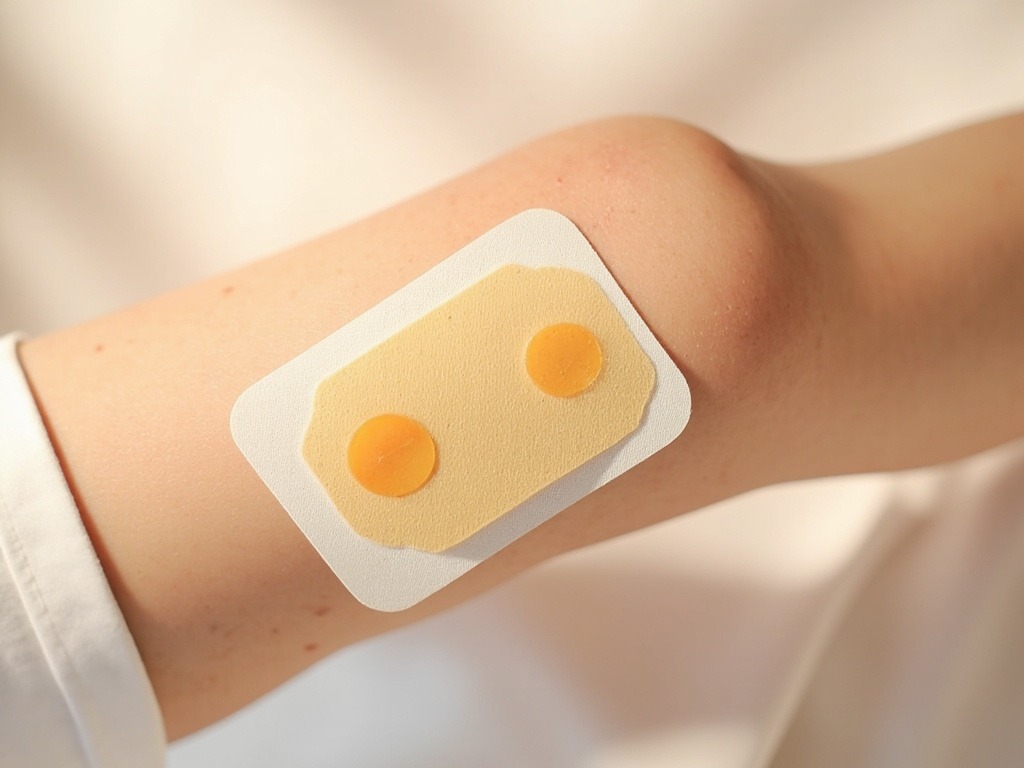
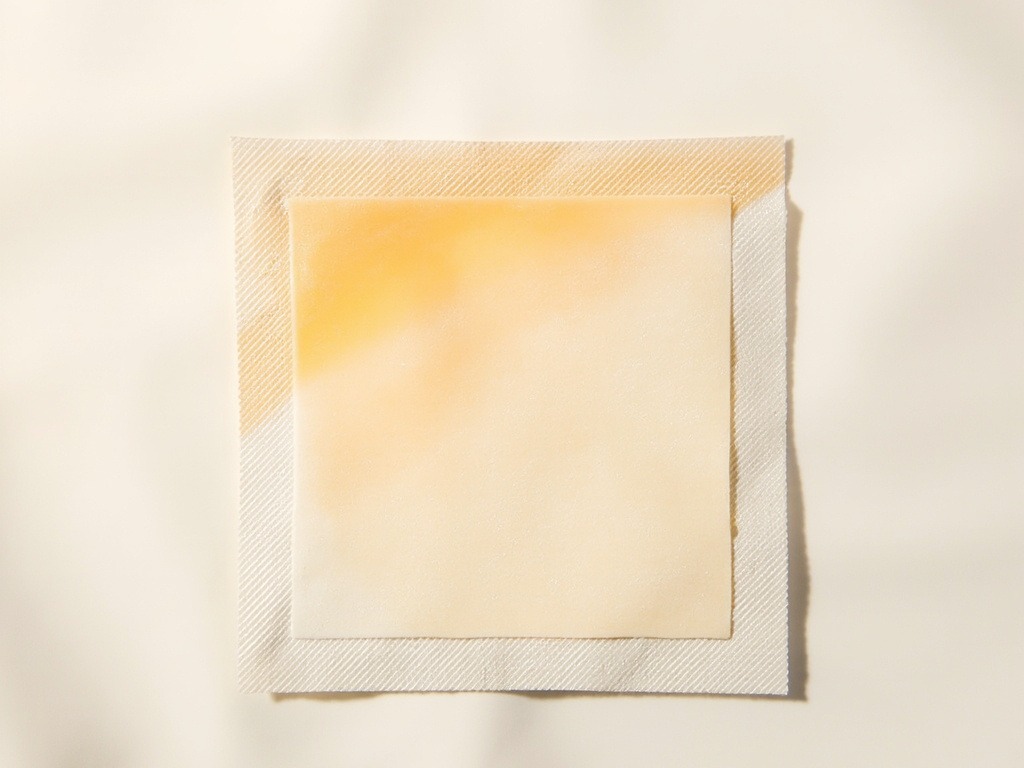
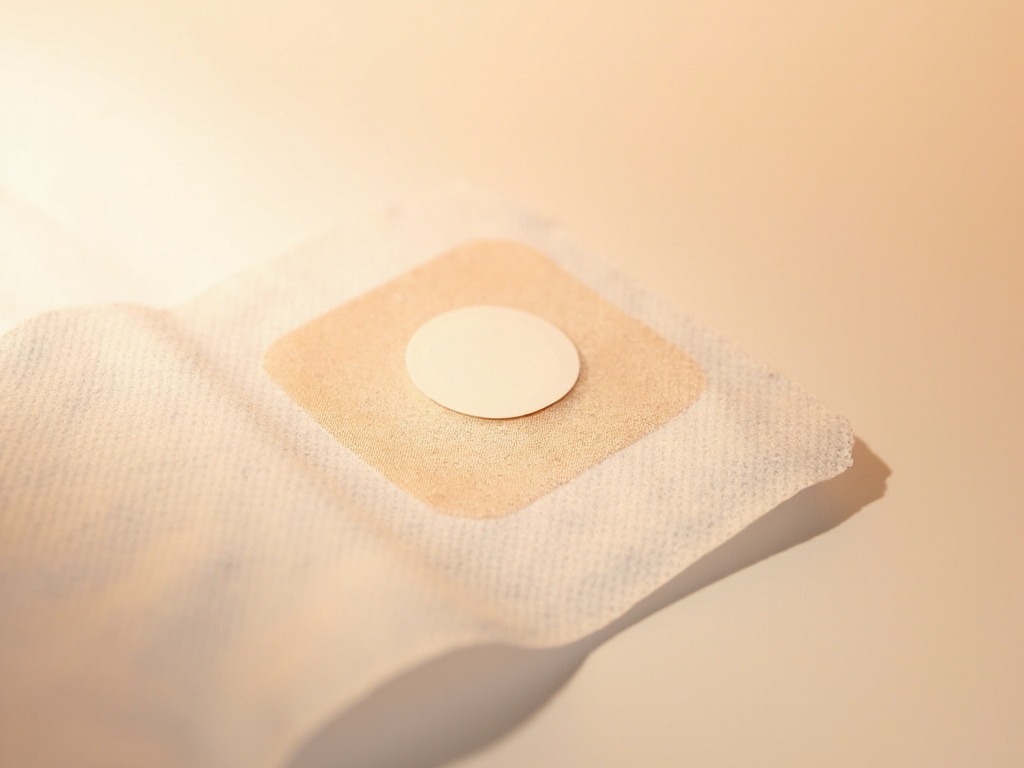
For readers curious about the product itself, an OTC capsaicin patch is a stack of four thin layers. The backing is a woven or film layer that blocks oxygen. The reservoir holds the capsaicin in a hydrogel or in a non‑woven fabric soaked with a measured dose per square centimeter. The adhesive keeps the reservoir against the skin, and a release liner protects everything until use. Manufacturers that supply multiple actives, including menthol, lidocaine, and methyl salicylate, usually run parallel lines with separate temperature‑controlled rooms because capsaicin residue can contaminate menthol production if the air handling is shared.
Buyers who want to compare patch types across actives often look at the same specifications: capsaicin or menthol load per square centimeter, lidocaine dispersion uniformity, methyl salicylate purity, and the tensile strength of the backing film. For a shopper, those numbers matter less than the fit, the wear time, and how the patch feels on the skin after two hours.
Henan Hanmeng Bio‑Tech works in transdermal patch development for partners who need an experienced manufacturer across multiple OTC actives, including capsaicin, menthol, lidocaine, methyl salicylate, and camphor formulations. For a look at the company's pharmaceutical patch capabilities, visit the Hanmeng pharmaceutical patch OEM page. Specifications, lead time, and minimum order quantity vary by region and formula, so contact the team directly for project‑specific details rather than relying on a generic range.
CATEGORIES
LATEST NEWS
CONTACT US
QQ: 396269538
Phone: 17796669065
Tel: 17796669065
Email: 396269538
Add: Room 001, 1st Floor, Building 1, Zhengzhou Hangmei International Smart City, Intersection of S102 and Nanquan Road, Xuedian Town, Xinzheng City, Zhengzhou, Henan Province, China