Technological innovation
are heat patches effective
Technological innovation 2026-08-17 08:40:59 97 views admin
Best for: heat-therapy newcomers comparing OTC pain options, chronic ache sufferers weighing patches against pills, athletes deciding whether to use topical heat before training, caregivers shopping for non-oral relief for older relatives, curious readers who want the actual skin biology before they buy.
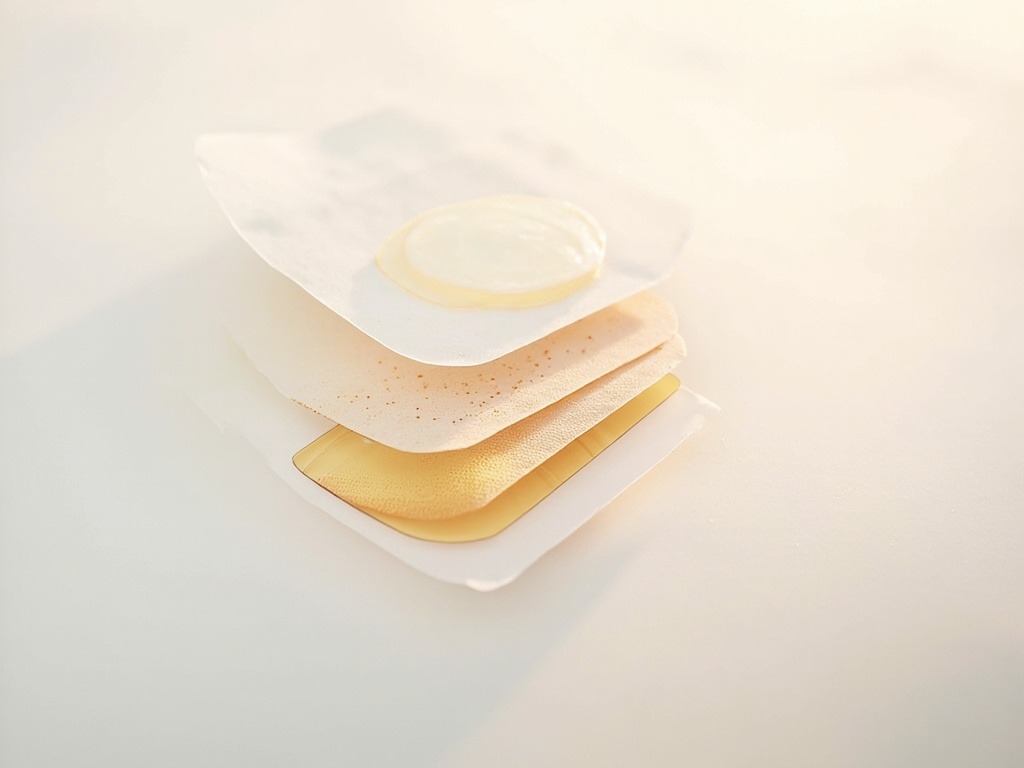
Heat patches work — but mostly by warming tissue and modifying how nerves behave, not by flooding the body with an active drug. The therapeutic agent is usually iron powder, activated charcoal, salt, and water that produces an exothermic reaction of about 40°C at the skin surface, while medicinal versions carry a measured dose of a non-steroidal anti-inflammatory or a topical analgesic such as menthol or lidocaine that diffuses steadily across the skin. Heat patches are effective for superficial musculoskeletal aches, mild back tightness, and menstrual cramp discomfort; if the underlying problem is deep joint degeneration, nerve-root pain, or anything requiring a systemic dose, a patch alone will not match the reach of an oral tablet.
What "effective" actually means for a heat patch
Effectiveness can be split into three measurable buckets.
- Perceived warmth — the local skin temperature rises by roughly 3–5°C above baseline within 20–30 minutes, which most users feel as relief.
- Counter-irritation — ingredients such as capsaicin, menthol, or methyl salicylate activate TRPV1 and TRPM8 receptors, effectively short-circuiting pain signals.
- Drug delivery — if the patch is a medicated transdermal system, a pharmaceutical active crosses the stratum corneum and reaches the dermis over hours.
Conflating these three is the most common mistake in consumer reviews. A patch that does only the first two is still useful for short-term aches, but it is not the same product as a 6–12 hour lidocaine system.
The skin's three layers a patch has to cross
To understand why some ingredients work and others stall, it helps to picture the route from outside to inside.
The stratum corneum is the outermost 10–20 µm of dead, flattened corneocytes packed with keratin and lipids. It is the rate-limiting barrier for almost every molecule a patch tries to send inward. Below it sits the viable epidermis, where living keratinocytes begin to recognise foreign chemicals and start metabolising them. The third destination is the dermis, a 1–3 mm layer rich in capillaries and sensory nerve endings — once an active reaches the dermis, it can enter systemic circulation or act locally on nociceptors.
Two physical principles govern this journey. Passive diffusion follows Fick's law: flux is proportional to the concentration gradient and the molecule's partition coefficient, and inversely proportional to barrier thickness. Active methods — iontophoresis, microneedles, sonophoresis — use an electric field, micromechanical channels, or ultrasound to push the molecule across. Most consumer heat patches use the passive route because no additional device is required.
Why a higher concentration on the label does not mean a stronger effect
This is the single biggest source of consumer confusion. A 5% lidocaine patch is not five times as potent as a 1% formulation once it reaches the dermis; once the stratum corneum is saturated, additional drug simply sits in the matrix.
Three factors really control how much active is delivered.
- Molecular weight — drugs below roughly 500 daltons cross efficiently; heavier molecules struggle.
- Lipophilicity — log P values between 1 and 3 are the sweet spot for transdermal permeation.
- Melting point — actives that melt below about 200°C tend to diffuse better because they remain soluble in the adhesive.
This is why menthol (MW 156, log P ≈ 3) feels potent almost immediately, while diclofenac (MW 296, log P ≈ 4.5) needs a permeation enhancer such as oleic acid or propylene glycol to cross in clinically meaningful amounts.
four ingredient flags worth noticing
| Property | Heat / transdermal patch | Topical cream | Oral tablet |
|---|---|---|---|
| Onset of action | 15–60 minutes | 5–20 minutes | 30–90 minutes |
| Duration of effect | 6–12 hours typical | 2–4 hours per application | 4–8 hours per dose |
| Systemic exposure | Low (sustained, low peak) | Very low | High (whole-body distribution) |
| GI side effects | None from patch matrix | None | Notably higher for NSAIDs |
| Application accuracy | Fixed dose, fixed area | Variable by user | Fixed dose |
| Best for | Long wear, sleeping, mobility | Quick massage-style relief | Deep, systemic inflammation |
The trade-off is reach. Tablets bathe the entire body in the drug, which is exactly what you want for a swollen knee driven by systemic inflammation, and exactly what you want to avoid when only the lower back hurts.
Buyer decision rule: pick the patch that matches the problem
Use this fast filter before paying the premium for a medicated patch.
- Muscle tightness or stiffness, no swelling → a warming patch with iron-powder heat plus menthol is enough.
- Localised joint pain, mild arthritis → look for a diclofenac or lidocaine medicated patch, and wear it against the affected joint for the full labelled duration.
- Nerve pain or sharp radiating pain → a patch alone is rarely enough; pair it with a clinician's guidance.
- Broken skin, rash, or active dermatitis → do not apply; transepidermal water loss is already disrupted and permeation becomes unpredictable.
Patch adhesion to body contour also matters more than people expect. A patch that lifts at the edges delivers a fraction of its nominal dose because the contact area falls sharply. For curved areas like shoulders or knees, a thinner matrix with a stretchable backing outperforms a stiff foam patch.
Limitations, safety, and when to stop
Heat patches can cause contact dermatitis, especially with prolonged daily use, and the warming reaction should never be applied over numb skin, which removes the burn warning. Low-temperature burns have been reported from overnight use of iron-powder patches at 40–45°C, particularly when the user falls asleep on a heating pad simultaneously. Check the applicable local requirements before using a medicated patch on children, during pregnancy, or alongside anticoagulants, because drug–drug interactions for transdermal NSAIDs are less obvious than for oral dosing. Stop use if the skin shows redness that lasts more than 30 minutes after removal, if a rash spreads, or if pain intensifies instead of fading.
Generating your own skim of the research
For anyone who wants to go deeper than a label, the most transparent public summaries of transdermal drug delivery sit in the open pharmacology literature, including the topic page on transdermal drug delivery from the NCBI Bookshelf and the Wikipedia overview of transdermal patches. For warming patches specifically, the closest neutral source is the NHS self-management advice page for heat therapy, which keeps its claims conservative. For any product making a specific clinical claim about a drug dose, look for the underlying trial on a registry rather than accepting the marketing flyer.
What this means for a future buyer
Heat patches are effective at what they are designed for: localised warming, gentle counter-irritation, and slow steady delivery of a small molecule across the stratum corneum. They are not a substitute for a clinical evaluation of chronic, deep, or worsening pain. Treat the patch as a controlled-release tool — the right molecule, the right concentration gradient, the right surface area, the right duration — and the results are predictable. Treat it as a magic strip and the disappointment is built in.
About the manufacturer behind this article
This article is published by a transdermal patch manufacturer with experience in OEM and private-label production across warming, pain-management, and skincare categories. For readers who want to understand the production side of how a heat or medicated patch is formulated, scaled, and quality-controlled, the company overview at patchbiohn.com pharmaceutical patch OEM describes the general capabilities and project workflow a B2B buyer would encounter. The reference is included so that consumer readers who later want to commission a custom patch have a clear starting point; it does not constitute an endorsement of any specific product for personal use.
CATEGORIES
LATEST NEWS
CONTACT US
QQ: 396269538
Phone: 17796669065
Tel: 17796669065
Email: 396269538
Add: Room 001, 1st Floor, Building 1, Zhengzhou Hangmei International Smart City, Intersection of S102 and Nanquan Road, Xuedian Town, Xinzheng City, Zhengzhou, Henan Province, China