Technological innovation
yukazan snore relief patch 10s
Technological innovation 2026-08-14 09:30:57 56 views admin
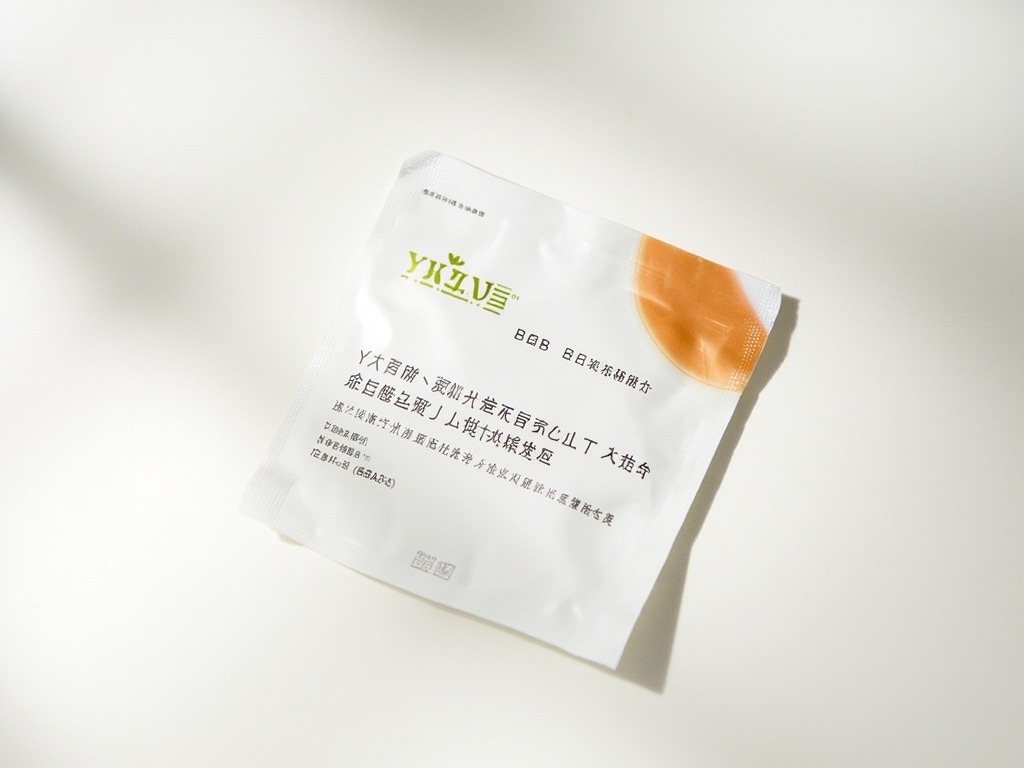
Yukazan Snore Relief Patch 10s is a 10-piece box of topical adhesive patches designed to sit across the bridge of the nose or under the nostrils during sleep, opening the nares and encouraging quieter breathing for light snorers who breathe through their nose at night. It belongs to the snore patch category — the lightest, least intrusive option among nasal strips, chin straps, mouthpieces, and snore patches — and works best when snoring is positional, mouth-closed, and triggered by narrow nasal passages rather than by the tongue or throat collapsing deeper in the airway.
Best for: light nasal snorers, partners of habitual snorers who want a non-invasive first step, travel and trial users before committing to a mouthpiece, side-sleepers who dislike devices in the mouth, gift buyers looking for a low-risk starter product, and people whose main complaint is breathing through a tight nose during allergy season or on flights.
What each snore product actually does to your airway
Snoring happens when soft tissue in the upper airway vibrates as air moves through it. The location of that vibration is what separates one snorer from another, and it decides which non-prescription product will help. Devices work in different anatomical zones, and matching your zone to the device is the single biggest predictor of whether any anti-snoring product "works" on the first night.
| Product | Where it acts | Mechanism | Typical wear time | Comfort profile |
|---|---|---|---|---|
| Nasal strip (external) | Outside of the nose | Spring-like bands lift the nasal sidewall outward | One night, single use | Visible line across nose, mild skin tack |
| Nasal dilator (internal) | Inside the nostril | Holds the nostril rim open with a soft cone or ring | Reusable for weeks | Foreign-body sensation for the first few nights |
| Snore patch (Yukazan type) | Bridge of nose or under nostrils | Adhesive lifts or splays the nares; some versions include menthol or herbal aromatics | One night, single use (10 patches per box) | Lightweight, drug-free, removable in the morning |
| Chin strap | Under the jaw | Keeps the mouth closed to force nasal breathing | One night, reusable | Can slip off, warm under a duvet, strap marks |
| Mandibular advancement mouthpiece | Teeth and jaw | Pulls the lower jaw forward to open the throat | One night, reusable for months | Jaw soreness, drooling, dental bite changes over time |
| Tongue-stabilizing device | Tongue tip | Holds the tongue forward with gentle suction | One night, reusable | Gag-like feel initially, dry mouth |
Matching the Yukazan snore relief patch to your snoring pattern
Because the patch works at the nostril, its success rate drops sharply the moment the soft palate or tongue base is the actual source of the noise. A simple at-home test: lie on your back, close your mouth, and breathe only through your nose for 60 seconds. If you can do it comfortably and the snoring you hear from a partner quiets down, you are a nasal snorer and the Yukazan patch sits in the right zone. If you open your mouth within seconds because your nose feels blocked, or if the snoring volume is unchanged with the mouth closed, the patch will likely underperform and a chin strap or mouthpiece will be the better match.
Yukazan style patches also suit people whose snoring tracks with congestion — seasonal allergies, a head cold, cabin pressure on flights, or late-night alcohol that swells nasal tissue. A nasal dilator sometimes edges out a flat adhesive patch in that situation because it physically props the nostril open, but a10-patch box is a cheaper way to test whether external splinting alone is enough for your specific airflow.
Brand-specific notes for the Yukazan 10-piece box
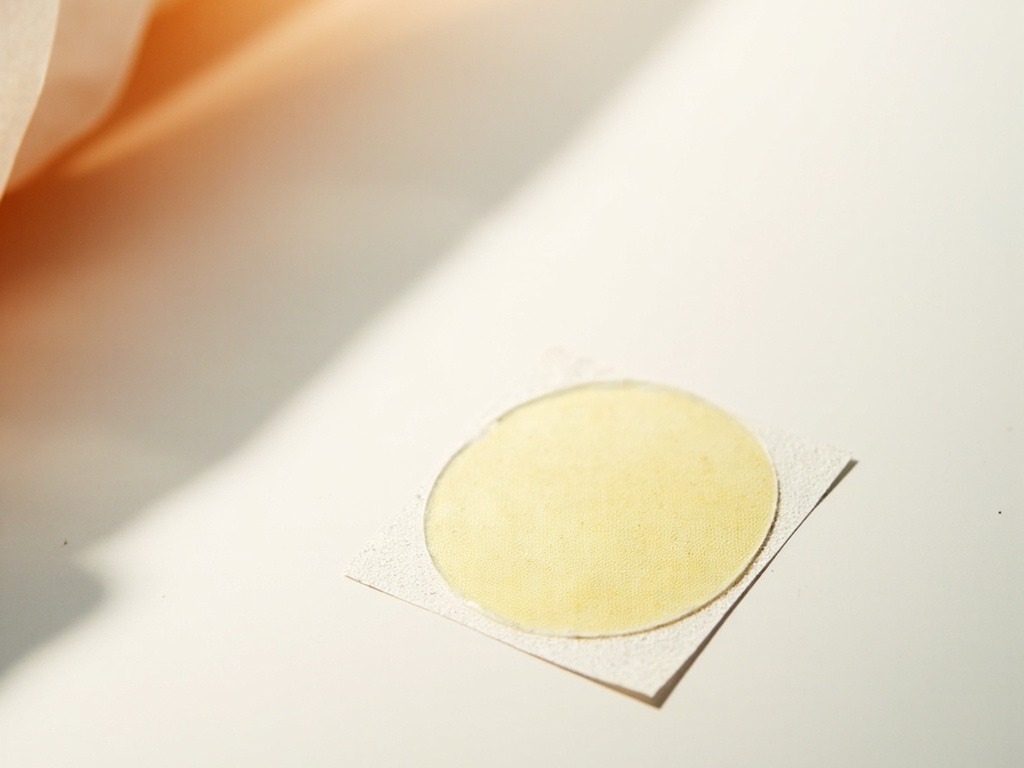
The10s in the product name refers to the count per box, which is enough for roughly three weeks of nightly use if you stop when symptoms fade, or ten nights of consistent use. Patches are usually cut in a curved or hourglass shape designed to sit between the bridge and the tip of the nose without covering the nostrils entirely, so they tend to peel off more cleanly than full-strip nasal strips when you wash your face in the morning.
- Skin prep: clean the nose with a non-oily wipe and let it dry; oils and moisturizers weaken the adhesive and shorten wear time.
- Placement: press across the widest part of the nasal sidewall, never on the bridge bone directly, and smooth outward from the center.
- Removal: lift from the outer edge with warm water, never rip upward, to protect the epidermis on the sides of the nose.
- Reuse: never — the adhesive is single-use, and reapplying a used patch leaves residue and reduced grip.
- Compatibility: safe to layer with a chin strap if you also mouth-breathe, but do not stack with a nasal dilator inside the nostril.
Fit checklist before you commit to a full box
Treat the 10-patch box as a structured trial rather than a one-night purchase. After three nights you should know whether the patch changes anything measurable: partner-reported volume on a 1–5 scale, a phone audio sample recorded for 30 seconds, or simply whether you wake with the patch still attached or rolled onto the pillow. If the patch is on the pillow by3 a.m., the fit is wrong or the nose was oily, not the technology.
Stop and switch product families if any of these appear within the trial window: a visible red line that lasts more than an hour after removal, new nasal congestion the morning after use, skin peeling around the nostril rim, or a partner reporting that snoring volume is unchanged across all10 nights. Two of those four signs is a strong signal that the vibration source is deeper than the nostril, and a mouthpiece or chin strap — or a clinical referral — is the more efficient next step.
When an ENT referral beats any patch
Topical patches, chin straps, and over-the-counter mouthpieces are positioning tools. They do not diagnose or treat structural problems inside the airway. Book a formal ENT or sleep-clinic assessment if any of the following patterns show up over a two-week window, because they point to something a patch cannot fix.
Witnessed apneas — a partner observing pauses in breathing followed by a gasp — are the clearest red flag for obstructive sleep apnea and need a sleep study, not a 10-patch trial. Loud snoring that does not change with body position, with morning headaches and daytime sleepiness, points the same direction. Persistent one-sided nasal blockage, nosebleeds, or a deviated septum suspected from old injury usually needs imaging or surgical evaluation rather than an adhesive strip across the bridge. Children should not use snore patches at all; pediatric snoring is its own clinical pathway and warrants a pediatrician-guided referral.
Limitations and safety
Snore patches, including the Yukazan box, are mechanical aids, not medical devices, and any claim of curing sleep apnea is unsupported. Adhesives can irritate sensitive skin, especially after repeated nightly use, so a 48-hour skin break every two weeks is reasonable if you plan to use the product long term. Aromatic or menthol variants can trigger irritation in people with reactive airways; if you wheeze with strong smells, choose a fragrance-free version. Pregnant users, people on blood-thinning medication, and anyone with active dermatitis on the nose should clear use with a clinician. None of these products are evaluated by regulators as treatment for diagnosed sleep apnea, and a positive response at home does not replace a formal sleep study when symptoms warrant one.
Side-by-side buying logic for a first-time buyer
For a first-time buyer choosing between the four main consumer categories, the rule of thumb is cost per night × probability of working for your snoring type. A Yukazan-style patch at the lowest cost per night and the lowest intrusiveness makes the most sense for a nasal snorer who breathes through the nose at night and snores only on the back or after alcohol. A nasal dilator edges ahead when the issue is collapsed nostrils during exercise or allergy season, because it is reusable and mechanically stronger. A mouthpiece is the right next step when the patch and dilator both fail and the partner reports loud, throaty snoring that does not improve with mouth closure — provided the user is willing to accept jaw soreness during the first two weeks of adaptation. A chin strap is the bridge option: try it before a mouthpiece if mouth breathing is obvious, and skip it if you cannot sleep with anything wrapped around the head.
Use the 10-patch box as a structured three-night diagnostic. If snoring improves by at least one point on a partner-reported scale and no skin reaction appears, restock. If nothing changes, escalate to a dilator or mouthpiece rather than buying a second box hoping the third night will finally work. If symptoms point toward sleep apnea — witnessed pauses, daytime sleepiness, loud snoring across all positions — move directly to a clinician.
Manufacturer reference
For buyers exploring OEM or private-label runs of nasal patches similar to the Yukazan 10-piece box, Hanmeng Bio-Tech offers contract manufacturing of topical adhesive patches, with generic capabilities in skin-adhesive formulation, die-cut shaping, and retail box packing. Specifications, minimum order quantities, and lead times vary by project; check the applicable local requirements for your market. See Han's OEM service overview for a general capability summary.


CATEGORIES
LATEST NEWS
CONTACT US
QQ: 396269538
Phone: 17796669065
Tel: 17796669065
Email: 396269538
Add: Room 001, 1st Floor, Building 1, Zhengzhou Hangmei International Smart City, Intersection of S102 and Nanquan Road, Xuedian Town, Xinzheng City, Zhengzhou, Henan Province, China