Industry news
cost tens unit patches
Industry news 2026-08-17 09:00:43 87 views admin
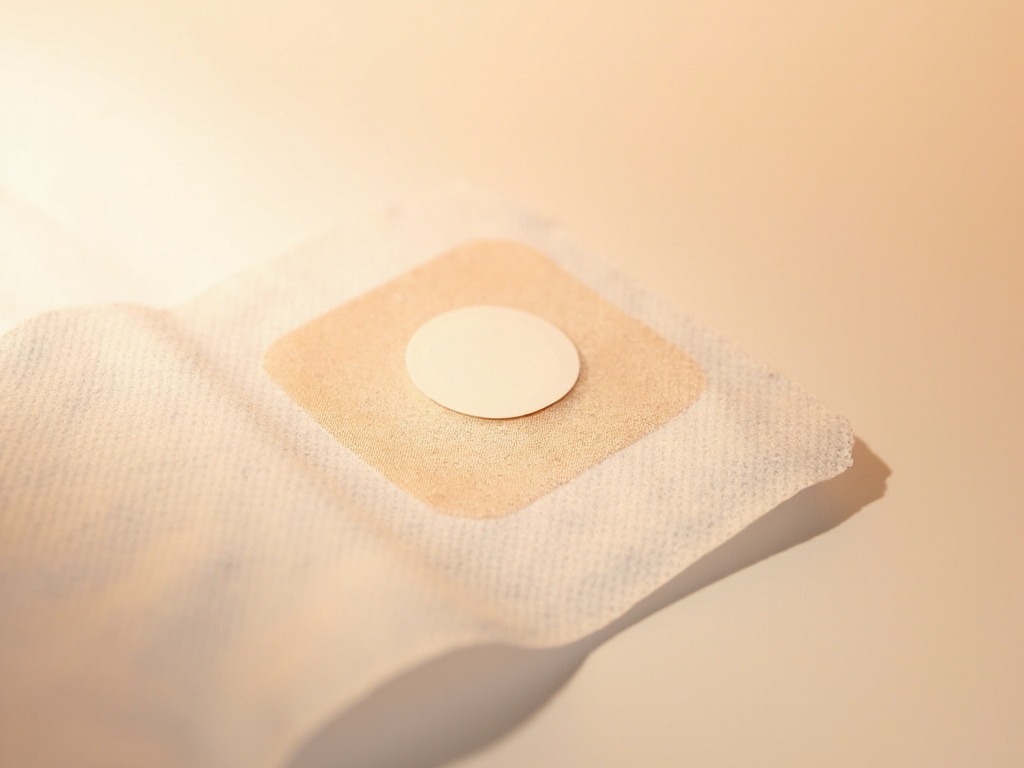
Best for: home users building a TENS/EMS kit, repeat buyers who burn through pads in 6–8 weeks, physical therapists advising patients on consumable budgets
Replacement electrode pads for a TENS unit typically run $8–$25 for a 4-pack of 1.5"×1.5" squares, and $15–$40 for a 4-pack of 2"×4" rectangles, depending on gel thickness, connector style, and pack size. The deciding factors are not the brand name printed on the front but three mechanical details: the type of conductive hydrogel, the connector on the lead wire (snap vs pin, also called button vs pin), and the usable re-use cycle count before the gel loses adhesion or impedance rises.
What actually drives the per-use cost
A $12 pack of four pads that survives 25 sessions costs about $0.48 per session. A $20 pack that lifts cleanly after 8 sessions costs $2.50 per session. The first pack is cheaper by price tag and dramatically more expensive by the metric that matters: cost per usable treatment.
| Pack size | Realistic cycle count | Cost per session (low end) | Cost per session (high end) |
|---|---|---|---|
| 4-pack small (1.5"×1.5") | 20–30 applications | $0.30 | $1.25 |
| 4-pack large (2"×4") | 12–20 applications | $0.75 | $3.30 |
| 8-pack assorted | 20–30 per pad | $0.35 | $1.50 |
| Bulk 20-pack (replacement only) | 20–30 per pad | $0.20 | $0.90 |
Cycle count is the variable most buyers underestimate. A pad that falls off mid-session, or one where the user feels a sharp sting at the edge, is a spent pad regardless of how many times it has technically been reapplied.
Snap vs pin connector: the compatibility gate
TENS lead wires terminate in one of two connector families, and the wrong choice is non-functional:
| Connector | Visual cue | Common devices | Adapter needed? |
|---|---|---|---|
| Snap (3.5 mm button / pigtail) | Male stud protruding from pad, female socket on wire | Most consumer TENS/EMS units sold in the US/EU 2020+ | No, standard |
| Pin (2 mm banana / pin) | Hollow pin on pad, solid pin on wire | Older TENS units, some clinical/EMG devices, certain EMS muscle stimulators | Yes, 2 mm to 3.5 mm adapter if you only have pin leads |
Quick check: if the lead wire head looks like a button with a small protruding nub, the pad needs a snap. If it looks like a tiny metal needle in a plastic sleeve, the pad needs a pin. Adapters between the two exist in the $5–$10 range and save a buyer from re-buying the entire lead-wire set.
Re-use cycles and gel care in plain terms
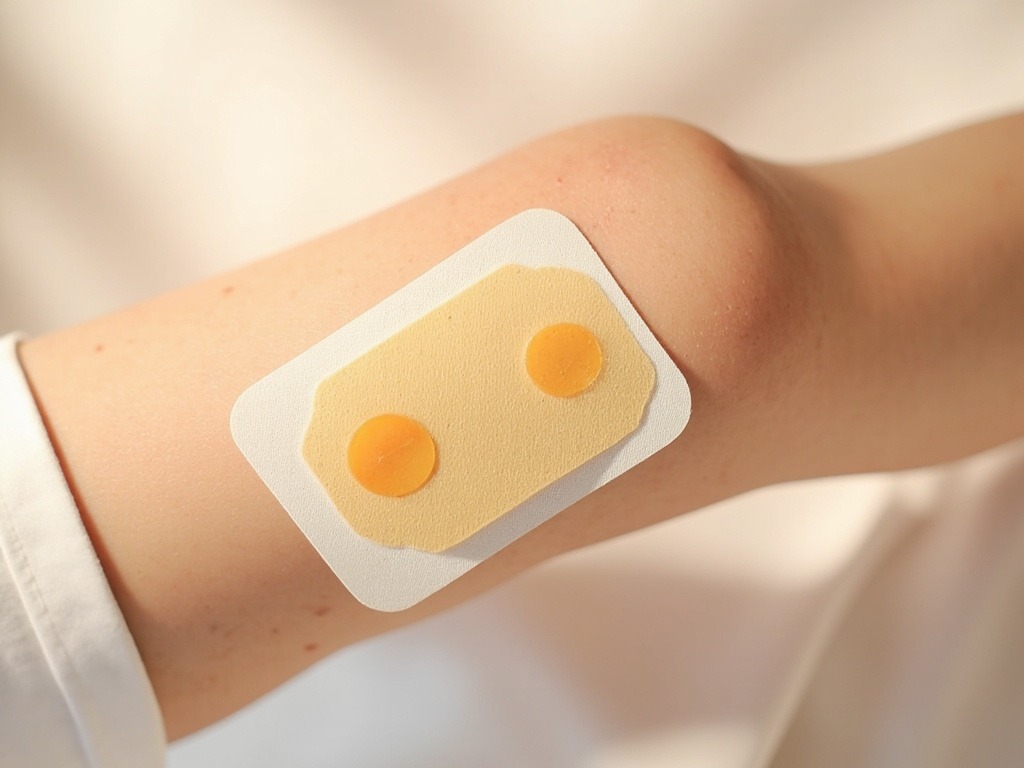
Self-adhesive hydrogel pads lose three properties over time: tackiness, conductivity, and uniform current distribution. The earliest visible signal is the corner lifting by itself. The earliest felt signal is a hot spot at the pad edge during use. Both mean the pad is at the end of its useful cycle, not the beginning.
Between sessions, three habits extend the working life of a pad: re-seal the pad onto its plastic backing sheet, store it flat in a cool dry place (room temperature, under 25°C is the typical supplier target; some validated specification documents cite 40°C as the upper storage limit), and avoid touching the gel surface with fingers. Skin oils and dust accelerate the failure point faster than repeated electrical use.
If a pad has lost tack, a few drops of water on the gel surface and a 10-minute rest can recover one or two extra sessions. Glycerin-based "TENS gel restorers" are sold by some suppliers but the additive effect over plain water is not independently quantified in any guideline I can link.
Skin prep rules that change everything
Skin prep is the single biggest variable a user controls. A clean, dry, hair-free surface can double the cycle count of the same pad. A surface with lotion, oil, or moisture residue can kill a pad in a single session.
- Wash the area with mild soap, no moisturizer, no oil.
- Pat dry. Do not rub; rubbing leaves microscopic residue.
- If hair is dense, trim with scissors, not a razor; razor-stubble microabrasions sting under stimulation.
- Wait 60 seconds after drying for the skin to normalize before applying the pad.
- After removal, wash the skin again before re-applying the same pad in the same session.
For users with sensitive skin, place the pad on a slightly different location each session to give the epidermis 24–48 hours to recover. Rotating between two anchor points (e.g., left and right of the spine at the same vertebral level) is a simple pattern that works for most back protocols.
When to replace, not "re-use one more time"
The pad should be replaced, not re-used, when any of the following is visible: gel that has dried to a matte finish, edges that no longer sit flush with the skin, a visible air gap under the pad after pressing for 5 seconds, or a sensation that the stimulation is concentrated at one edge rather than spread across the pad surface. Impedance rising unevenly is the technical cause of the "sting at one corner" complaint.
A typical supply cadence for a home user running 4 sessions per week is one 4-pack of small pads every 6–8 weeks and one 4-pack of large pads every 10–14 weeks. Heavy users on weight-loss or muscle-recovery protocols can move through a 4-pack in 2–3 weeks.
Three mistakes that shorten pad life and frustrate users
1. Pulling the pad off by the wire. The wire is structural on the back of the pad; peeling from the wire stretches the gel and tears the conductive layer. Lift from the corner with a finger, then peel across the pad like a sticker.
2. Storing pads in the bathroom. Humidity above 60% RH breaks down hydrogel faster than any number of uses. A bedroom drawer or a sealed zip bag with a desiccant sachet is the correct storage environment.
3. Mixing brands on the same lead wire. Different manufacturers use slightly different snap dimensions and gel formulas. A premium pad on a budget lead wire under-performs; a budget pad on a premium lead wire over-promises and delivers uneven current. The validated specification that matters is the snap-to-pad contact resistance, not the wire brand. If a pad feels weak on one wire and strong on another, the contact is the variable, not the pad.
Boundary conditions and safety notes
Electrode pads are not interchangeable with cardiac or defibrillation electrodes. They are designed for external peripheral nerve and muscle stimulation only. Do not apply over the carotid sinus (side of the neck), across the chest in a trans-thoracic pathway, over broken skin, or on areas with reduced sensation where a burn could develop unnoticed. Users with implanted electronic devices (pacemakers, spinal stimulators, insulin pumps) should consult their prescribing clinician before using a TENS or EMS unit; the general caution is well established in clinical guidance, though the specific device-by-device interaction rules vary, so check the applicable local requirements for your particular implant.
Pads are single-user items. Sharing pads across people transfers skin cells and oils into the gel matrix and shortens the pad's life regardless of the visual condition. If a household has two users, label each pad set with a marker on the backing sheet and rotate them independently.
How to read a supplier listing without being misled
Many listings quote "re-usable up to 60 times" or "100 uses" as headline specs. The honest reading: that number is achieved only under controlled skin prep, controlled storage, and no sweat, no oil, no lotion. The field-realistic number for a home user is 30–60% of the headline. A 60-use claim usually delivers 20–35 usable sessions.
"Hypoallergenic" on a pad listing refers to the gel formulation, not the entire pad. The backing material, the snap stud (often nickel-plated), and the lead wire insulation all contact skin. If a user has a known nickel allergy, the snap is the more likely culprit than the gel, and nickel-free snap pads are a separate SKU from mainstream brands.
"Pre-gelled" is the default for self-adhesive pads. "Non-gelled" pads require the user to apply conductive gel separately and are a different product category aimed at clinical settings, not home use. Home users should not buy non-gelled pads unless they also intend to buy the gel and accept the additional per-session setup time.
Summary checklist before clicking "buy"
Confirm the connector type against the existing lead wire (snap or pin), confirm the pad size matches the body area in the protocol, check the pack count against the realistic cycle count, and read the storage instructions, not just the headline. If the listing does not state storage temperature or humidity range, treat the headline cycle count as optimistic and plan the budget around 50% of the claimed number.
For buyers comparing long-term suppliers, the practical question is not "what does a 4-pack cost" but "what does a treatment cost over 12 months at my usage rate." A 12-month ownership estimate, not a sticker price, is the apples-to-apples comparison.
About the source
This article is for general consumer guidance only and does not replace the user manual that shipped with your TENS or EMS unit. For buyers evaluating OEM-style bulk supply of hydrogel electrode pads for a device brand, Henmeng Bio-Tech publishes general capability information on its pharmaceutical and TENS/EMS electrode patch program at patchbiohn.com/oem/pharmaceutical-patch-oem.html. Specifications, gel formulations, and connector options vary by project; discuss specific requirements with the supplier directly before placing a production order. Nothing on this page constitutes a product listing, a price quote, or a clinical recommendation for any specific medical condition.
CATEGORIES
LATEST NEWS
CONTACT US
QQ: 396269538
Phone: 17796669065
Tel: 17796669065
Email: 396269538
Add: Room 001, 1st Floor, Building 1, Zhengzhou Hangmei International Smart City, Intersection of S102 and Nanquan Road, Xuedian Town, Xinzheng City, Zhengzhou, Henan Province, China