Industry news
Neck Pain Patches: How to Choose the Right One for Your Neck
Industry news 2026-08-07 10:30:07 60 views admin
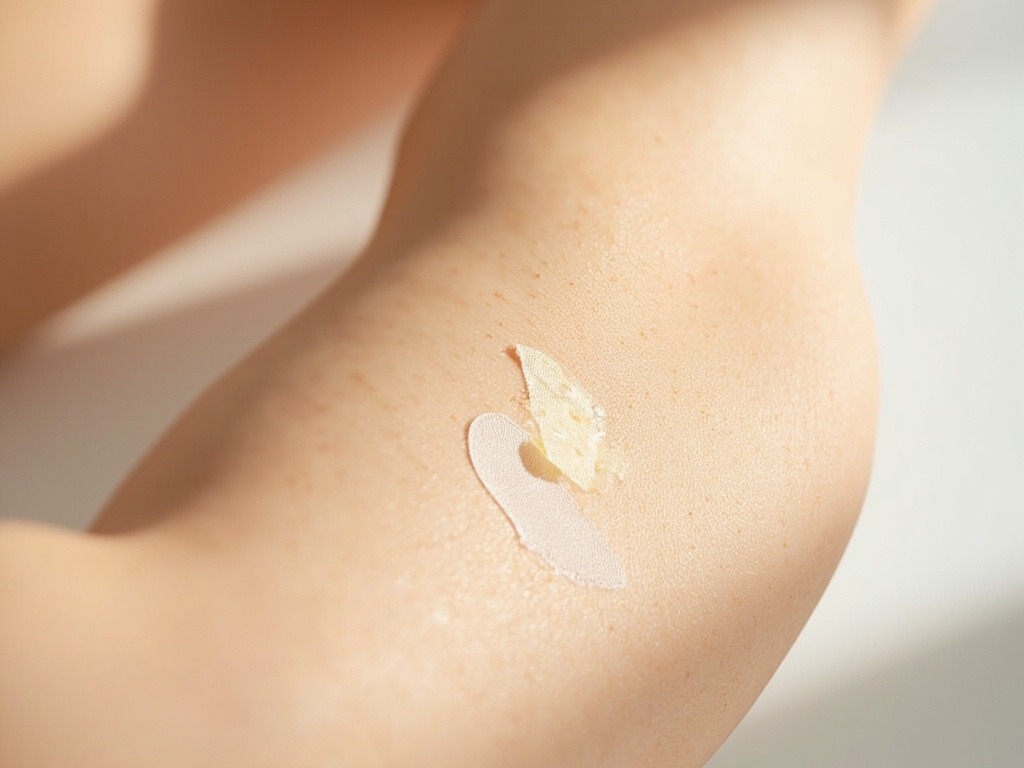
Best for: desk workers with stiff upper traps, side sleepers who wake with a cricked neck, drivers and commuters, parents carrying children on one shoulder, anyone recovering from a minor muscle strain.
For most neck complaints, pick a patch by how long you need it to work and how much movement the area will see: a lidocaine 4% patch for surface numbing over a sore band of muscle, a menthol or menthol-plus-camphor patch for a fast cooling distraction during a stiff afternoon, or a small NSAID patch (diclofenac, where available over the counter in your country) for a strain with mild swelling. Cut the patch smaller than you think you need. The neck bends, twists and sweats more than almost any other patch site, so a 10 × 14 cm rectangle designed for a lower back will lift at the corners within an hour and drag on your collar.
Why the neck behaves differently from every other patch site
Skin over the posterior neck and upper trapezius is thin, hairy in places, and folded by movement. Every time you look down at a phone, the skin at the base of your neck stretches and then slackens. Adhesive that survives eight hours on a thigh can peel here in ninety minutes.
There is also the visibility problem, which sounds cosmetic but changes real buying behaviour. A beige 7 × 10 cm patch on your lower back is invisible under a shirt; the same patch on your neck sits above the collar line in most office clothing, and the strong-smelling menthol formulations announce themselves in a meeting room from two metres away. Shoppers who ignore this end up with a drawer of unused patches.
Temperature matters too. The neck runs warm because of blood flow and proximity to the scalp, and warmth accelerates the release of volatile actives like menthol and methyl salicylate. That can mean a more intense first twenty minutes and a shorter useful life than the packaging suggests.
Three mechanisms, and which neck problem each one actually suits
1. Counterirritation — menthol, camphor, methyl salicylate
These work by stimulating cold and warmth receptors in the skin, chiefly TRPM8 for menthol, which changes what your nervous system prioritises. The pain signal is not switched off; it is competed with. Onset is fast, often within five to ten minutes, and the sensation fades as the volatile compound evaporates.
Good fit: general stiffness after a long drive, that heavy ache across both shoulders at 4 p.m., the tight band you get from a bad monitor height. Poor fit: sharp, radiating pain down one arm, which is a signal to stop self-treating and get assessed rather than to buy a stronger patch.
Menthol concentration in over-the-counter topical products commonly sits somewhere between roughly 1% and 16% depending on the format and market, and higher is not automatically better on the neck — a high-menthol patch that feels bracing on a knee can feel unpleasantly cold against the skin just below your hairline.
2. Local anaesthetic — lidocaine
Lidocaine blocks voltage-gated sodium channels in peripheral nerve endings within the skin, reducing the transmission of pain signals from that patch of tissue. It is genuinely numbing rather than distracting. Over-the-counter lidocaine patches are widely sold at 4%; prescription-strength 5% products exist in several markets for specific indications.
Good fit: a defined, localised sore area you can point to with one finger — often the case after a strain or with a persistent trigger-point-like ache. It is also the quieter option socially: no smell, and modern versions are often thin and skin-toned.
The trade-off is depth. Lidocaine acts on the outer tissue, so a deep, diffuse ache under thick muscle may respond less than a superficial soreness will. Wear time on these is commonly capped at 8 or 12 hours in a 24-hour period, and that cap is on the label for a reason — follow it rather than treating it as a suggestion.
3. Topical NSAID — diclofenac and relatives
These reduce local prostaglandin production, addressing inflammation rather than masking sensation. Availability varies enormously: a topical NSAID patch that is a supermarket purchase in Japan or parts of Europe may be prescription-only or unavailable elsewhere, so check the applicable local requirements before assuming you can buy one.
Good fit: a recent strain with a genuine inflammatory component. Less useful for chronic postural tightness, where there may be little inflammation to reduce. Anyone with a history of stomach ulcers, kidney problems, asthma triggered by aspirin, or who is pregnant should talk to a pharmacist before using topical NSAIDs, because systemic absorption is lower than with tablets but not zero.
Neck versus shoulder, lower back and knee: what actually changes
The same brand often sells one patch for four body areas. The chemistry may be identical; the practical experience is not.
| Body area | Movement and adhesion challenge | Practical patch size | Realistic wear time | Common buyer complaint |
|---|---|---|---|---|
| Neck (posterior / upper trap) | Constant flexion and rotation; warm; often hairy at the hairline; collar friction | Small — many people cut a standard patch down to roughly 5 × 7 cm or use a pre-cut small format | Frequently shorter than the label states; corners lift first | Visible above the collar; smell noticed by others; edge peel |
| Shoulder / deltoid | Curved surface, large range of motion, sleeve rub | Medium, but conforming material matters more than size | Moderate; sleeves shear the edges | Patch rolls into a tube inside a sleeve |
| Lower back | Broad flat area, relatively stable, waistband pressure | Large formats work well here | Often the full labelled duration | Hard to apply alone; adhesive residue on clothing |
| Knee | Extreme flexion at a joint; skin folds deeply when bent | Medium with stretch or a cut-out shape | Short unless the backing is elastic | Bunches behind the joint; falls off when walking |
The lesson for a neck buyer: do not judge a product by reviews written by lower back users. A patch rated five stars for an eight-hour desk day on the lumbar spine may be the wrong shape entirely for the base of your skull.
A decision rule you can apply in the pharmacy aisle
Here is a rule that narrows the shelf in about thirty seconds. Ask what your pain does when you move.
- Pain eases when you move and returns when you sit still — postural, muscular. Start with a menthol or menthol/camphor counterirritant patch. Cheapest, fastest, lowest risk profile, and the sensation itself encourages you to move.
- Pain is constant, localised, and you can cover it with two fingertips — reach for lidocaine 4%. The numbing effect suits a fixed sore spot better than a wandering ache.
- Pain started after a specific incident within the last few days and the area feels warm or slightly swollen — a topical NSAID is the mechanistic match, subject to availability and your medical history.
- Pain radiates below the shoulder, comes with pins and needles, weakness in the hand, or follows a fall or whiplash — no patch is the right answer. See a clinician. A patch that dulls a nerve-related warning sign is working against you.
- Pain wakes you at night regardless of position, or comes with fever, unexplained weight loss, or a severe headache with neck stiffness — stop shopping and seek medical care promptly.
The boundary condition worth remembering: patches are a comfort tool for mild-to-moderate, mechanically obvious, self-limiting neck pain. They are not a diagnostic substitute, and the two conditions in that last bullet are the ones people most often talk themselves out of taking seriously.
Getting it to stay on: application details that matter more than brand
Adhesion failure is the single biggest reason people abandon neck patches, and most of it is fixable at home.
Wash and dry the area first. Skin oils and any residue from moisturiser, sunscreen or hair conditioner will cut adhesion sharply — conditioner in particular runs down the back of the neck in the shower and leaves a film exactly where the patch goes. Let the skin cool for a few minutes after a hot shower; applying to warm, slightly damp skin traps moisture under the backing.
Trim, don't fold. Rounding the corners with scissors removes the exact points where peel starts. If a patch is too large, cut it to fit rather than folding the excess, because a folded edge lifts and then drags on fabric. Check the label first, though: some patches are explicitly marked as not to be cut, usually where the delivery system depends on an intact reservoir or matrix structure.
Apply with the neck in a neutral or slightly stretched position — chin gently down if the patch sits at the base of the neck — so the adhesive is not stretched to its limit every time you look at your screen. Press for about thirty seconds with a flat palm. Body warmth helps the adhesive flow into the skin's surface texture.
Avoid the hairline. Even fine hair reduces contact area and makes removal genuinely unpleasant. If you need coverage close to the hairline, shift the patch slightly lower and accept the compromise.
Remove slowly, pulling back on itself at a shallow angle rather than straight up, and preferably in the direction of hair growth. If the adhesive is stubborn, a little oil at the edge softens it. Rushing removal on thin neck skin is how people end up with a red rectangle worse than the original ache.
Cost, wear time and the maths of repeat buying
Per-patch price is a poor guide on its own. What matters is cost per useful hour on your neck specifically.
A cheap counterirritant patch that gives you 90 minutes of noticeable cooling before the effect fades may cost less per box but more per hour of relief than a lidocaine patch labelled for 8 or 12 hours — assuming the lidocaine patch actually stays put. Buy the smallest available pack of any new product first. Sensitivity, adhesive tolerance and smell tolerance vary far more between people than efficacy claims suggest, and a bulk pack of something your skin dislikes is money gone.
Two other cost factors specific to the neck. First, cutting patches down means one large patch may serve two applications, which quietly halves the cost of large formats. Second, if you are reaching for a patch more than a few days a week over several weeks, the recurring spend is a signal — the underlying cause is worth addressing with a clinician or a physiotherapist, and the patch has drifted from a short-term tool into a substitute for a fix.
Limitations and safety
Topical patches carry real, if modest, risks. Skin reactions are the most common problem: redness, itching, small blisters or a persistent rectangle of irritation. If irritation appears, remove the patch and do not reapply to the same spot. Repeated application to already-irritated skin increases absorption and worsens the reaction.
Never apply a patch to broken, cut, sunburnt or infected skin, and never combine a patch with a heating pad or hot water bottle over the same area — heat can substantially increase drug absorption, and this is a known cause of overdose with heat-sensitive transdermal products. Do not use a patch under an occlusive dressing unless the label says to.
Do not stack products. Using a lidocaine patch alongside a lidocaine cream, or a topical NSAID patch alongside oral ibuprofen, raises total exposure in a way that is easy to underestimate.
Salicylate-containing patches (methyl salicylate, wintergreen oil) are not appropriate for children, and anyone with an aspirin allergy should avoid them. Camphor is toxic if swallowed and should be kept well away from children and pets — used patches still contain active drug and should be folded sticky-side-in before disposal.
People who are pregnant or breastfeeding, taking anticoagulants, managing kidney or liver disease, or using multiple medicines should check with a pharmacist before starting any medicated patch. Regulatory status, permitted strengths and available ingredients differ by country; check the applicable local requirements rather than assuming a product sold online is approved where you live.
Nothing here is medical advice or a diagnosis. Persistent neck pain lasting beyond a couple of weeks, or any neck pain with neurological symptoms, needs proper assessment.
What to check on the box before you pay
A short pre-purchase scan catches most disappointments:
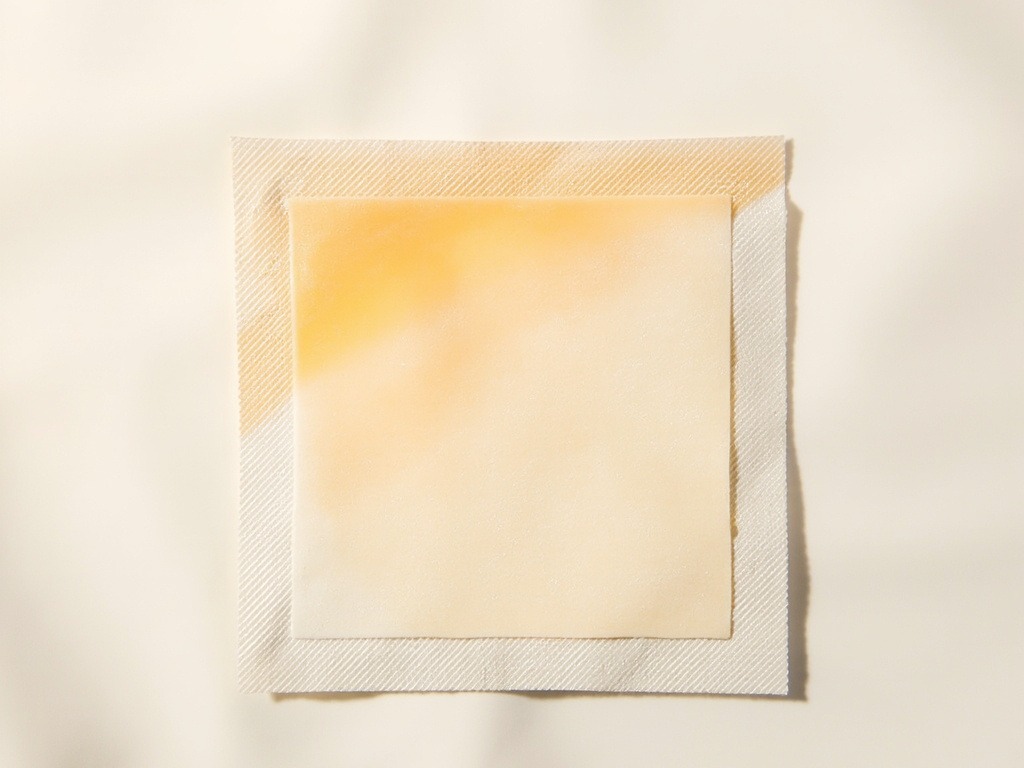
Look for the active ingredient and its concentration stated plainly on the front — vague "natural relief blend" labelling without percentages tells you nothing about what you are buying. Check the labelled wear time and the maximum patches per 24 hours. Check the patch dimensions against the area you actually want to cover, and whether the pack contains a small format. Confirm whether the label permits cutting. Note the backing material: a woven or non-woven stretch backing conforms to a moving neck far better than a rigid plastic film. And check the expiry date, because volatile actives like menthol lose potency in a poorly sealed pouch long before the printed date if the individual sachets have been opened.
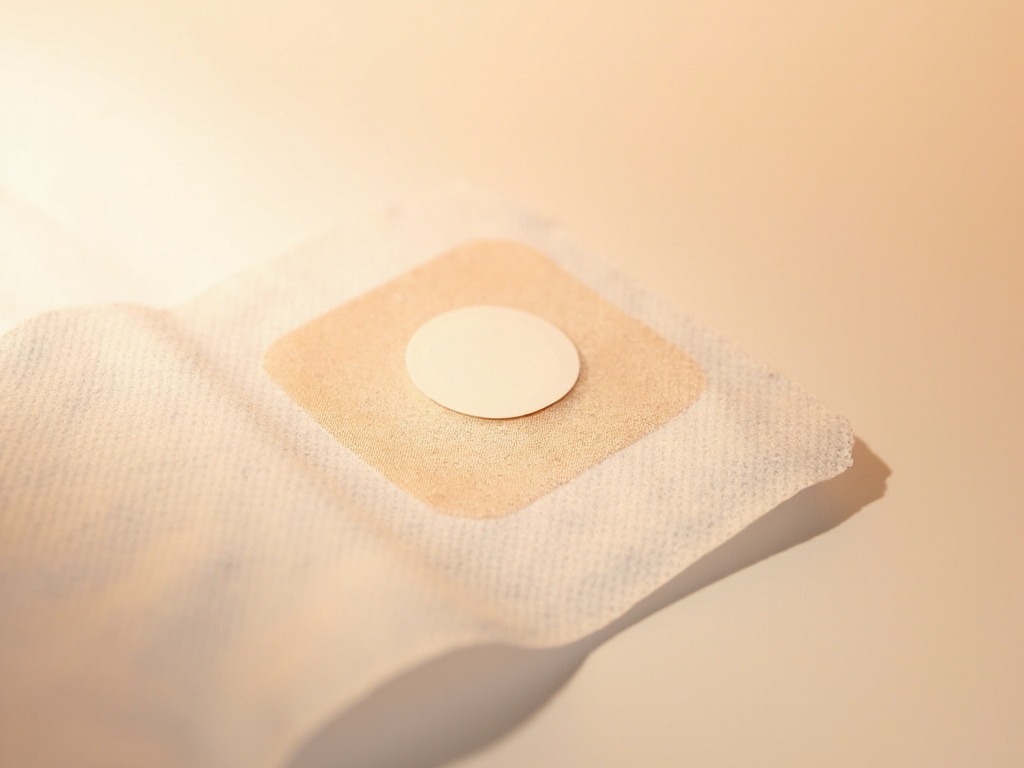
If you have sensitive skin, look for a hydrogel-type patch rather than a hot-melt rubber adhesive. Hydrogels tend to be gentler on removal and hold moisture against the skin, though they are generally less aggressive in adhesion, which is a real trade-off on a body area that moves as much as the neck does.
A note on who makes these products
Most patches on retail shelves are produced by contract manufacturers rather than by the brand on the box, which is why two differently branded products can feel and perform almost identically. Manufacturers in this space generally work across formats such as hydrogel patches, non-woven backings and various adhesive systems, and produce to specifications agreed with the brand owner. It is worth distinguishing a supplier's typical target range for things like patch thickness or adhesion from a validated specification for a particular finished product — the first is a general capability, the second is documented and tested for that item.
For readers who came here from the manufacturing side rather than the pharmacy aisle, Hanmeng's pharmaceutical patch OEM page outlines the general scope of that kind of contract production. Product-specific specifications, permitted claims and regulatory status should always be confirmed directly rather than inferred from a category page.

CATEGORIES
LATEST NEWS
CONTACT US
QQ: 396269538
Phone: 17796669065
Tel: 17796669065
Email: 396269538
Add: Room 001, 1st Floor, Building 1, Zhengzhou Hangmei International Smart City, Intersection of S102 and Nanquan Road, Xuedian Town, Xinzheng City, Zhengzhou, Henan Province, China