Industry news
Eye Patch for Sleeping: A Practical Choice Between Steam Heat, Cooling Gel, and Hydrogel
Industry news 2026-08-18 09:30:04 88 views admin
 Best for: office workers with screen fatigue, frequent travelers on red-eye flights, shift workers trying to nap on irregular schedules.
If you only want the short version: a disposable steam-heat eye mask is usually the easiest thing to grab before bed, a reusable cooling gel mask wins if you wake up with puffy lids, and a thin hydrogel patch fits best under a sleep mask or when you want a quiet eye treatment during a flight. The right pick depends on whether your real problem is dryness, swelling, tension, or just blocking light, and on whether you want a one-time ritual or something you can re-use a hundred times.
Best for: office workers with screen fatigue, frequent travelers on red-eye flights, shift workers trying to nap on irregular schedules.
If you only want the short version: a disposable steam-heat eye mask is usually the easiest thing to grab before bed, a reusable cooling gel mask wins if you wake up with puffy lids, and a thin hydrogel patch fits best under a sleep mask or when you want a quiet eye treatment during a flight. The right pick depends on whether your real problem is dryness, swelling, tension, or just blocking light, and on whether you want a one-time ritual or something you can re-use a hundred times.
Three Families, Three Different Jobs
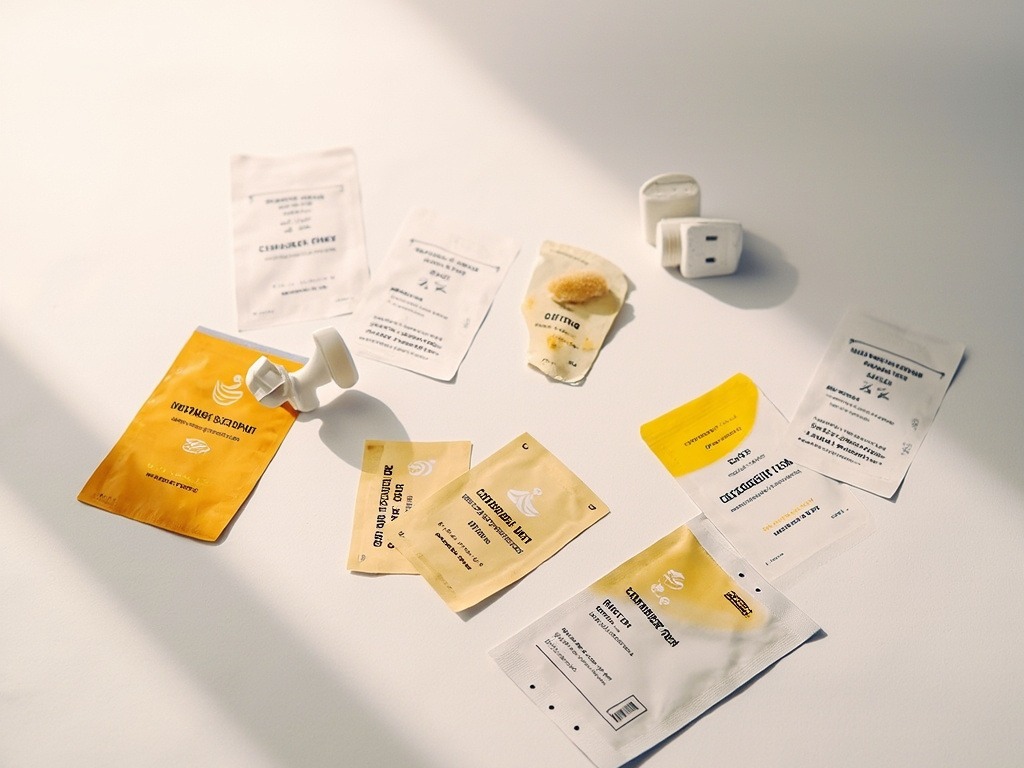
- Steam-heat eye masks. Air-activated, single-use sachets that warm up to roughly 40 °C within a couple of minutes and hold that warmth for 15–25 minutes. They are mostly a relaxation product, marketed for tired eyes, screen fatigue, and pre-sleep unwinding. Lavender is a common scent in this category, and a few SKUs add menthol for a cooler feel.
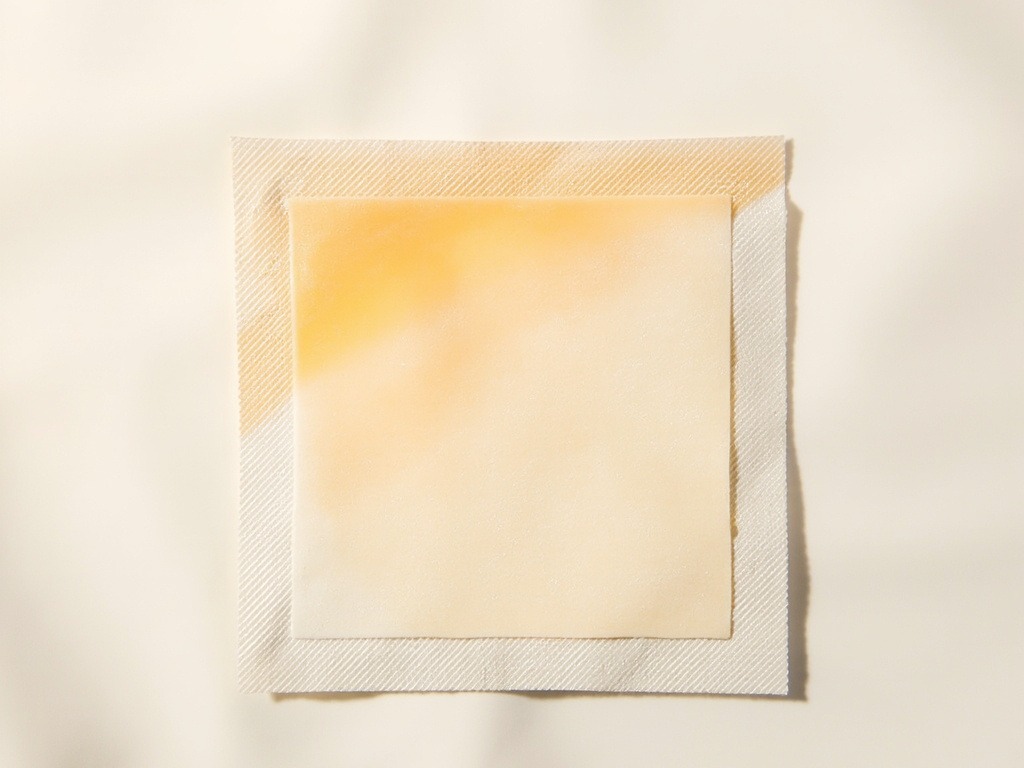
- Cooling gel masks. Reusable masks, often silicone, PVC, or thermoplastic gel, that you keep in the fridge or freezer and wear for 10–20 minutes. The cold constricts superficial vessels, which is why puffy morning lids are the use case everyone talks about. A light fragrance or menthol note is optional.
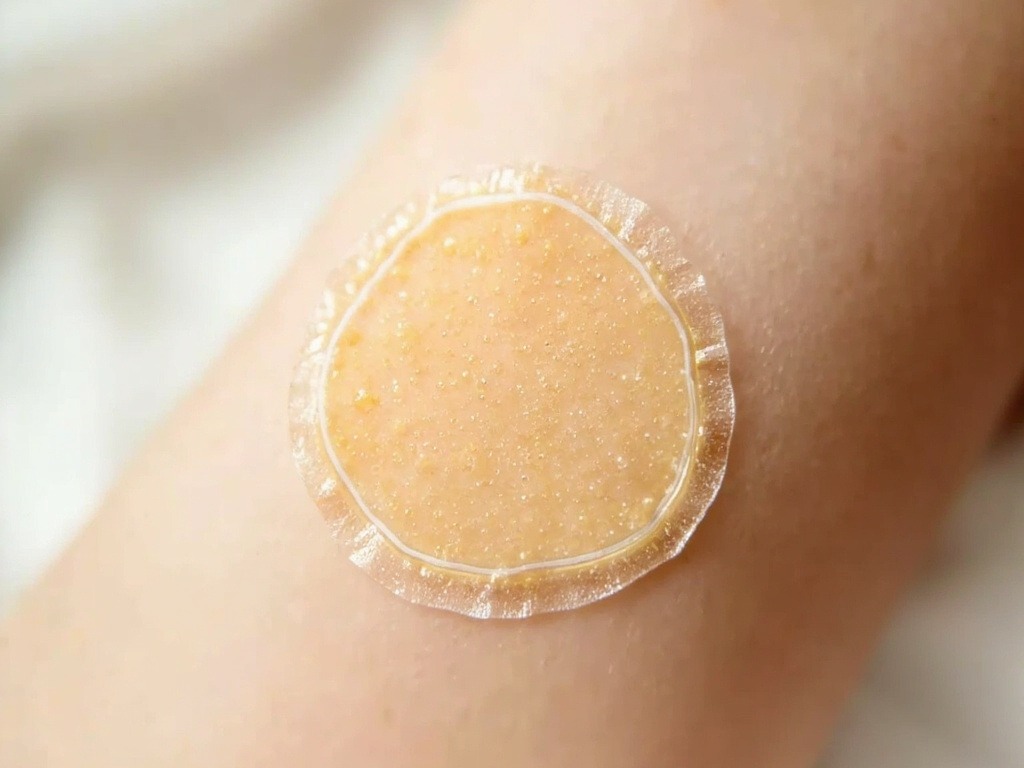
- Hydrogel patches. Thin, water-based polymer sheets that stick to the under-eye or full lid area. They hold a wet serum (hyaluronate, glycerin, sometimes a botanical extract) against the skin for 10–30 minutes while you lie down. Most are single-use and formulated like a leave-on eye treatment.
Which One Fits Which Symptom
For tension and end-of-day heaviness behind the eyes, the mild warmth of a steam-heat mask is the most reliable cue: it relaxes the orbicularis muscle, encourages blinking, and pairs well with a wind-down routine. Patients who are sensitive to fragrance should still check the sachet, because the warmth makes volatile scent compounds more noticeable. For morning puffiness, a cooling gel mask kept at 4–8 °C in the fridge is the more obvious tool. Skip the freezer the first time you try it, because a fully frozen gel mask held directly on the lid can feel sharp and can ice-burn delicate periorbital skin. A 10-minute wear, not 30, is the safer upper bound for sensitive eyes. For dryness, fine lines, or recovery after staring at a screen for ten hours, hydrogel holds moisture against the skin long enough to feel like a treatment, not a gadget. It is also the option that survives being worn under soft sunglasses on a flight without dropping the temperature or steaming up your glasses.Wearing Logistics: Glasses, Makeup, Sleep
Steam-heat masks generate visible vapor and mild condensation. Do not wear them under ski goggles or sealed sunglasses, because the moisture has nowhere to go and the lenses fog. They also do not pair well with heavy foundation or mascara; the warmth smears both. Use them after cleansing, before any eye cream, or right before you fall asleep with a clean face. Cooling gel masks sit on top of the eye area without adhesives. They tolerate bare skin and most skincare but not thick ointments, which stop the gel from seating. They are usually too bulky to wear while walking, so plan to be lying down or reclined. If you wear glasses, slide them off for the session; the bridge of the frames presses into the gel and leaves marks on the mask and on your nose. Hydrogel patches are the friendliest option for a busy morning. They stick on their own, can be worn while you finish a coffee or answer email, and they hold their position under a soft sleep mask if you cut the patch smaller than the mask cup. Makeup should be off; the patches can drag foundation when you peel them. A common technique is to apply hydrogel first, lie back for 20 minutes, then apply the rest of the skincare routine.What the Ingredient Panel Looks Like
Most consumer eye masks are classed as cosmetics, not medical devices, which is why the ingredient lists read like a skincare label rather than a drug fact box. On a steam-heat sachet, the panel is short by design: iron powder, salt, activated carbon, water-absorbing polymer, sometimes perlite or vermiculite, and on scented versions a fragrance compound or lavender oil layered into the outer non-woven. There is no "active" to dose, because the heat itself is the effect. A cooling gel mask reads more like a medical accessory: water, glycerin or propylene glycol, a polymer gel (polyacrylate or PVP), and usually a preservative such as phenoxyethanol. Some SKUs add menthol or a botanical extract. Anything that reads like a real skincare active (retinol, high-strength acids) is unusual, because the eye area tolerates very little and the regulatory framing is tighter. A hydrogel patch panel looks closest to a sheet mask: water, glycerin, butylene glycol, a humectant such as sodium hyaluronate, a film-forming polymer (polyacrylic acid or carbomer), a chelator, and a broad-spectrum preservative. Botanical claims (caffeine, niacinamide, peptides) are common on the carton, but on the actual list these are typically low-percentage inclusions well below the 1% threshold used in cosmetic labelling. The two practical takeaways: the order of declaration on the panel is roughly the order of weight, so water and glycerin near the top is expected, not a red flag; and an "unscented" SKU should not list parfum or fragrance anywhere on the panel, including below the ingredients as a sub-component.How Long They Actually Last
A steam-heat sachet is one-time, by design. Once the iron has oxidized, the heat is done within roughly half an hour and the sachet cannot be revived by re-heating. Trying to microwave it is also a bad idea, because the metalized non-woven can spark and the polymer beads can melt. Plan on a fresh sachet per evening. A cooling gel mask sold as reusable usually survives 50 to 100 cold cycles before the gel loses elasticity or the surface clouds. The number is sensitive to how clean your skin is before you wear it; sebum and makeup slowly break down the polymer. Rinse with cool water, pat dry, and store flat in the fridge between uses. Do not boil or sterilize with alcohol, which cracks most gel formulas. A hydrogel patch is single-use by chemistry: the water content migrates into your skin within 20–40 minutes, and the polymer network does not re-swell reliably after that. Leaving it on for hours does not extend the benefit; it usually just makes the patch peel off in pieces.Three Mistakes People Make With Eye Patches
- Wearing a steam-heat mask with contact lenses in. The warmth dries the lens surface and can warp the polymer; always remove lenses before a steam session, and give them a fresh rinse before reinserting.
- Putting a freezing-cold gel mask directly on bare eyelids. Eye skin is thin, and direct contact with a sub-zero gel for more than a minute can cause an ice burn or a rebound flush once you take it off. Wrap the mask in a thin cotton sleeve, or let it warm up for a minute before applying.
- Stacking layers that cancel each other. A thick night cream plus a hydrogel patch plus a steam-heat mask in the same 20 minutes can trap heat and fragrance against the lid, which is how irritation starts. Pick one tool for one window of time, then move on.
Safety, Limits, and When to Stop
Eye patches and masks are wellness products, not medical treatments, and they are not designed to treat eye disease. Stop using any product and seek a clinician if you notice persistent redness, blurred vision that does not clear within an hour, new eye pain, a rash on the cheek or brow, or any discharge. Warm compresses should feel comfortable, never hot enough that you have to keep lifting the mask; if the heat triggers headache, dizziness, or nausea, the mask is too warm or the session is too long. Children, pregnant users, and people with circulatory conditions should be cautious with extreme cold and with menthol or strong fragrance, which can sting if it migrates into the eye. None of these tools is a substitute for prescription drops, allergy treatment, or a properly fitted sleep mask for light blocking.Choosing What to Buy
If you want the cheapest entry point and you mostly need a wind-down ritual, a multi-pack of unscented steam-heat masks is hard to beat; expect roughly 15–25 minutes of warmth per sachet and nothing to clean up. If your main complaint is morning puffiness, invest in a reusable cooling gel mask and a small fridge shelf for it. If dryness and fine lines are the issue, a hydrogel patch with sodium hyaluronate near the top of the ingredient list is the more treatment-like option. For travelers, the simplest workable kit is one hydrogel pack in the carry-on and one steam-heat sachet for the hotel night; both are flat, lightweight, and they cover relaxation and dryness between them. Henan Hanmeng Bio-Tech offers private-label patch manufacturing for brands that want to extend their own skincare lines into this category, covering steam-heat, cooling gel, and hydrogel formats under one production setup.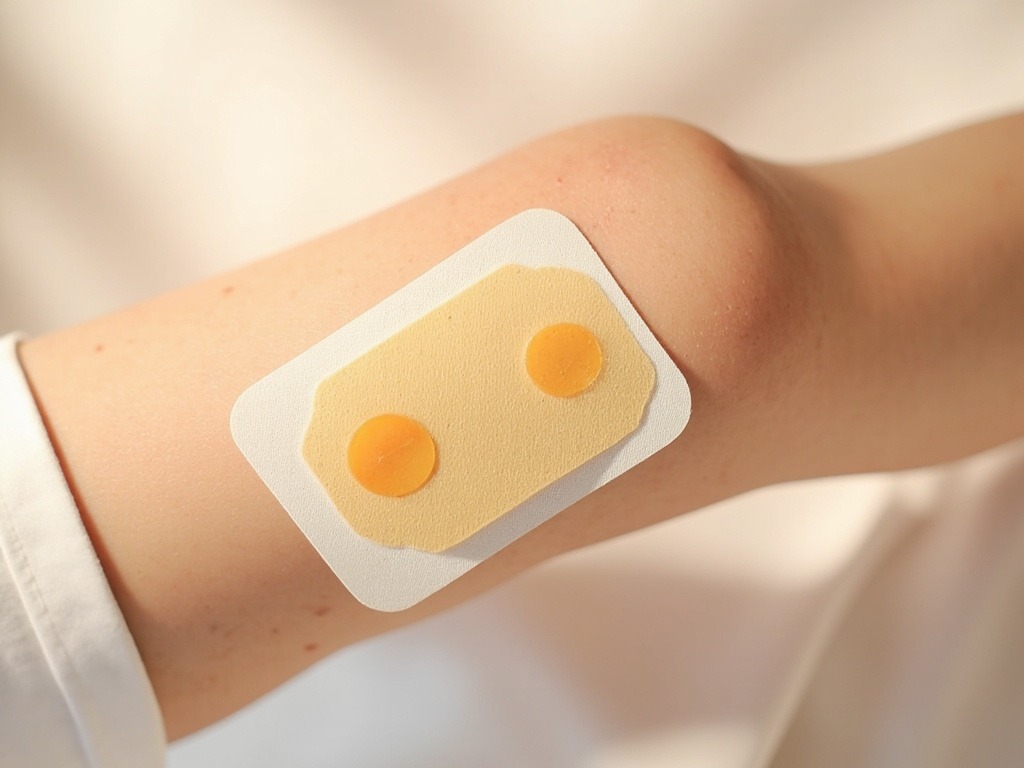
CATEGORIES
LATEST NEWS
CONTACT US
QQ: 396269538
Phone: 17796669065
Tel: 17796669065
Email: 396269538
Add: Room 001, 1st Floor, Building 1, Zhengzhou Hangmei International Smart City, Intersection of S102 and Nanquan Road, Xuedian Town, Xinzheng City, Zhengzhou, Henan Province, China