Industry news
pain relief patches for back pain hospital
Industry news 2026-08-19 10:30:39 75 views admin
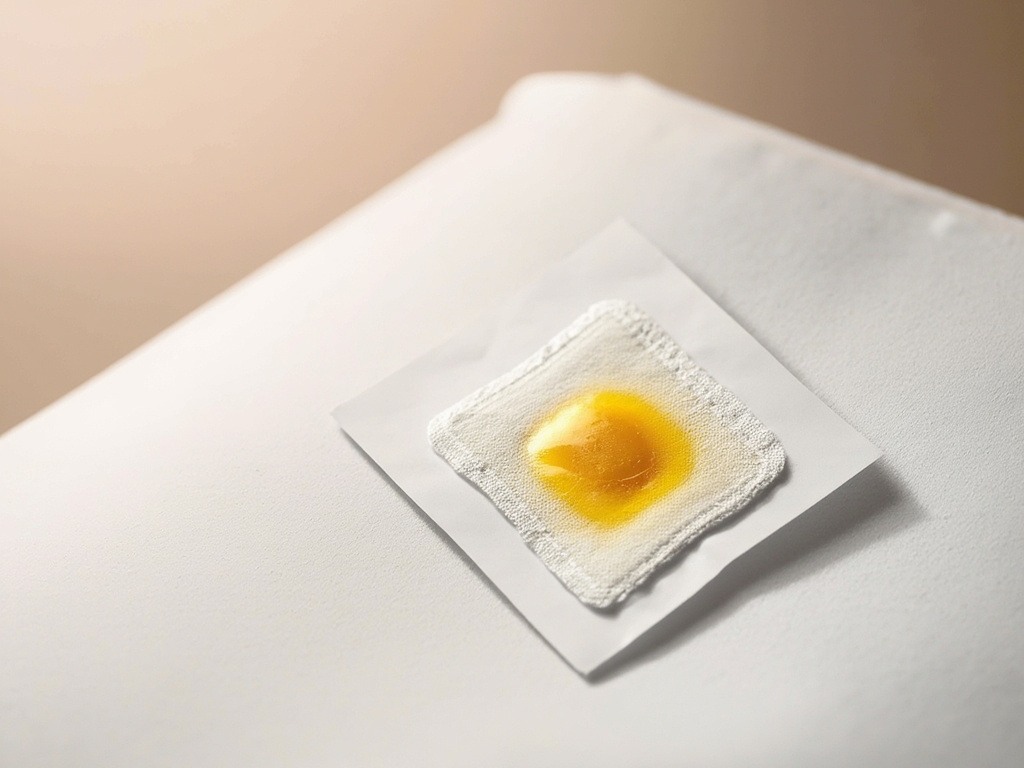
Best for: shoppers choosing an OTC back patch after a hospital visit, caregivers comparing lidocaine vs menthol options, adults with lumbar strain who want a hands-off adjunct to prescribed therapy
A drug-store patch is a single-use topical dressing applied to the skin over a painful area. For someone discharged after imaging or a clinician visit, it usually acts as an adjunct to oral medication and rest, with relief measured in hours rather than in days. The patch is replaced when adhesion fails or the active ingredient is exhausted, most commonly within4 to 12 hours of wear.
Why the lumbar spine reacts so stubbornly to a simple patch
The lower back carries most of the body's daily load. Five lumbar vertebrae stack on the sacrum, separated by discs that absorb shock while permitting flexion, rotation, and lateral bending. When a person bends to lift a bag, two structures compete for the same millimetres of space: the small facet joints behind the disc, and the nerve roots exiting laterally through the foramen. Either can become a mechanical pain source.
Soft tissue contributes its own signal. The erector spinae group runs along the spine; the quadratus lumborum anchors the lowest rib to the iliac crest; the multifidus stabilises segment by segment deep to those larger muscles. A patch placed over any of these tissues affects the surface, not the joint capsule. That is why a "deep" feeling often persists even when the skin is comfortably numb.
The third pathway is inflammatory. Prostaglandins sensitise local nociceptors after a strain, which is why cooling or a counter-irritant feels useful during the first 72 hours. A patch does not reach the disc; it dampens the skin's perception of the signal travelling up the dorsal horn.
What a hospital referral usually implies for the patch buyer
A hospital work-up, whether emergency, urgent-care, or outpatient physiotherapy, generally rules out the emergencies: fracture, infection, cauda equina compromise, and visceral referral. Once those are excluded, the residual complaint is most often mechanical or soft-tissue, and the conversation turns to self-management.
Two patterns dominate. Acute muscular strain settles over 2 to 6 weeks with relative rest, gentle mobility, and a topical analgesic. Chronic axial low-back pain without red flags is managed with exercise, weight control, sleep hygiene, and an adjunct patch for flare-ups. In both cases the patch is a comfort layer, not a treatment for the structural problem.
That distinction matters at the shelf. A buyer walking into a pharmacy after a hospital visit is choosing a delivery format and an active, not a diagnosis. Asking "what did the clinician say is going on?" narrows the choice faster than reading the back of the box.
How active ingredients differ in feel and wear time
| Active class | Common concentration | Typical single-wear window | Sensation on the skin |
|---|---|---|---|
| Lidocaine | 4% in OTC patches (US), up to 5% | Up to 8–12 hours per patch | Numbing, little thermal effect |
| Menthol / methyl salicylate | Menthol commonly 5–16% | About 4–8 hours | Cooling, then mild warmth |
| Cap | Nonivels0.25%, low concentrations elsewhere | ||
| Salicylate-only | Methyl salicylate ~10–30% | 6–8 hours | Quiet warmth, slower onset |
The table is a buying map, not a ranking. Lidocaine blocks the local nerve signal at the dermis. Menthol and capsaicin work through skin receptors that override the pain signal with a competing temperature or burning message. Salicylates act more like a topical version of an oral NSAID, which is why some people find them useful on a knotted muscle and useless on a sharp nerve-type pain.
Patch formats and how they behave on a moving back
The lower back is a poor surface for adhesion. It flexes with every breath, sweats under clothing, and rubs against chair backs. Three formats dominate:
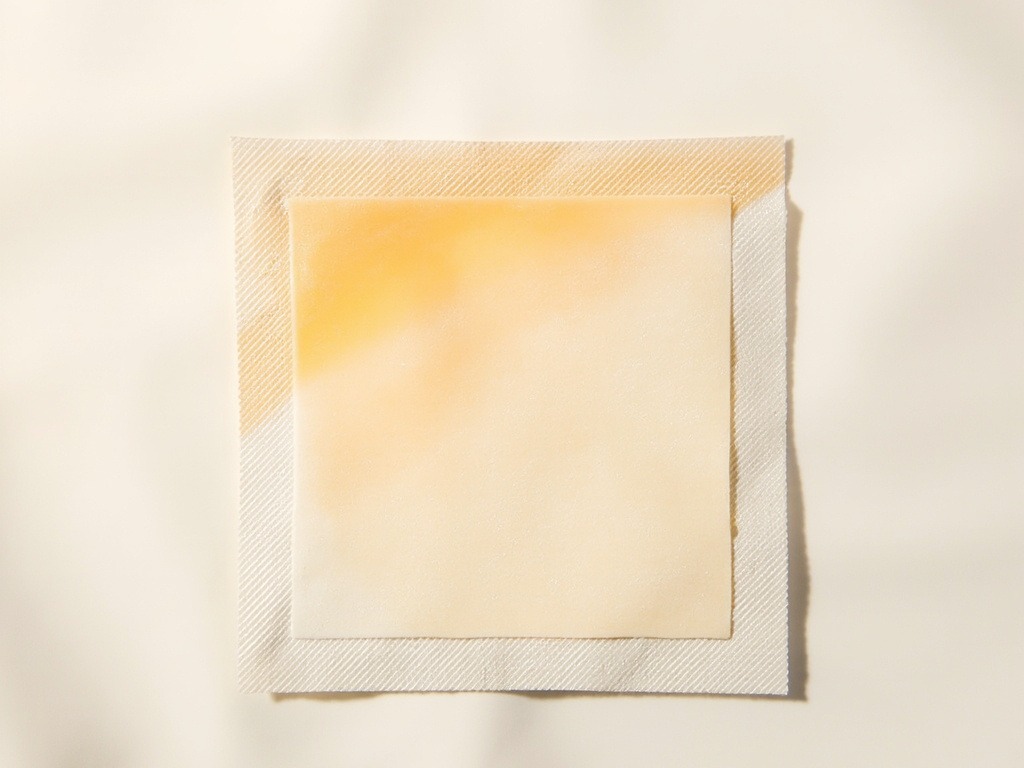
- Thin hydrogel sheets (lidocaine and some menthol): flexible, almost weightless, but peel off when sweat accumulates; better for a quiet desk morning than a commute.
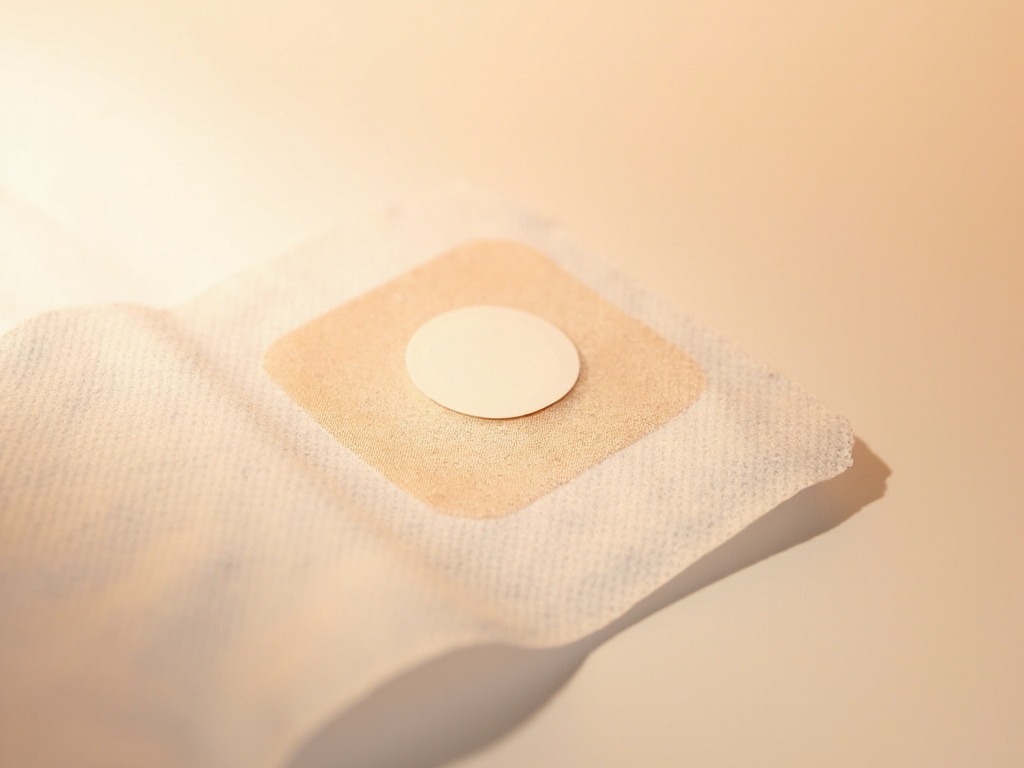
- Felt-backed fabric patches (many menthol and capsaicin products): more rigid, hold their shape, transfer less to clothing, but lift at the corners during bending.
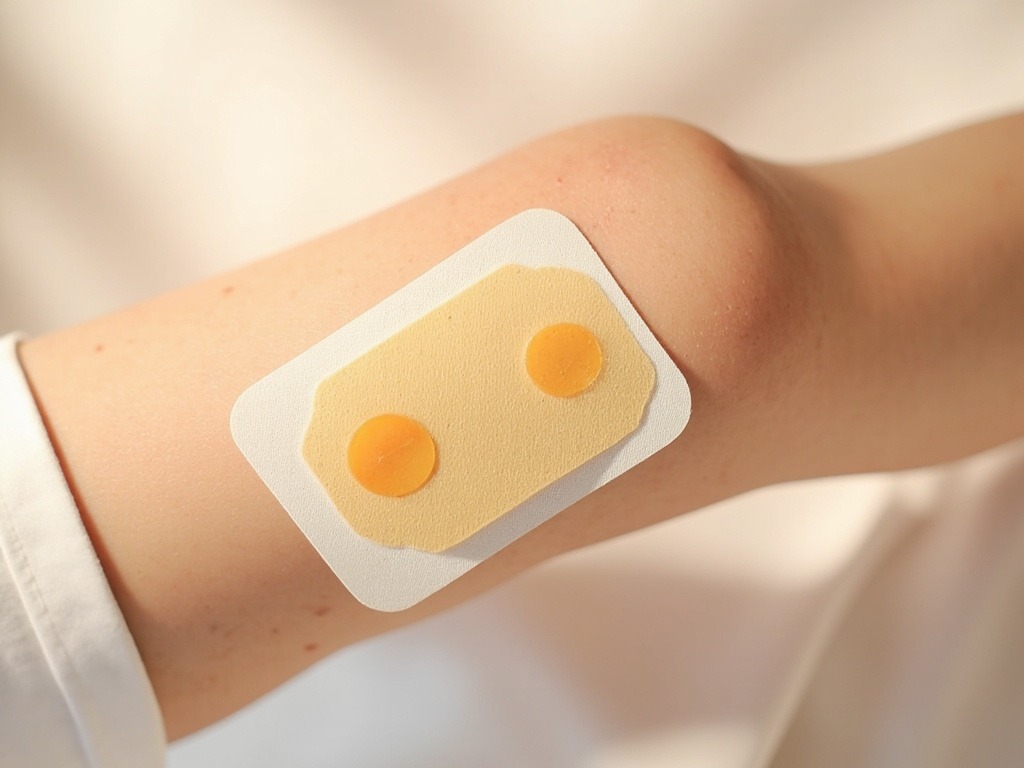
- Adhesive plasters with a small central drug reservoir: keep the active concentrated, yet the surrounding adhesive area can irritate sensitive users within 24 hours.
Width matters as much as format. A patch wider than 10 cm covers the erector spinae band rather than a single trigger point. For lumbar pain that spreads sideways across the flank, a wide patch often feels more useful than a narrow one placed on the worst spot.
Where else on the body the same products are used
Patch technology is body-area-agnostic. The same menthol or lidocaine patch sold for the back is also applied to the neck after long desk hours, the shoulder after a rotator-cuff flare, and the knee after a long walk. Each region sets a different test:
- Neck: thin, pliable patches that contour to the cervical curve; stiff fabric patches lift at the collar.
- Shoulder: large surface area to cover the upper trapezius; adhesion challenged by hair and shirt seams.
- Lower back: the focus of this article; favours wide, sweat-tolerant formats.
- Knee: needs flexibility over the patella; rigid patches crackle and peel at flexion lines.
A patch that stays put on the knee is over-engineered for the back, and vice versa. The same SKU rarely wins on all four.
What the back patch will not do
Topical patches do not reach the disc, the facet joint capsule, or the nerve root inside the foramen. They do not replace imaging, manual therapy, or a structured exercise programme. They do not shorten a genuine radiculopathy (pain travelling down the leg with numbness or weakness), and they should not be relied on as the sole treatment if the leg symptoms are progressing.
Skin limits the conversation. A patch applied over broken skin, a fresh tattoo, or an area of active dermatitis is asking for a contact reaction. The same is true for users on anticoagulants who bruise easily, and for anyone who has reacted to local anaesthetics, adhesives, or topical NSAIDs in the past.
Heat-generating patches are not a soft option. Combining an OTC warming patch with a heating pad on the lumbar region can push the surface temperature past 40°C and cause erythema or, in diabetic users with neuropathy, a burn that the patient cannot feel. Layering is the most common avoidable injury.
A short buyer checklist before opening the box
Five quick checks are usually enough:
- The pain has been assessed by a clinician and red flags have been ruled out.
- The chosen active matches the sensation wanted: numbing (lidocaine), cooling (menthol), or warming (capsaicin or salicylate).
- The patch dimensions cover the painful band, not just one tender point.
- Wear time fits the day: a long-desk day calls for 8–12 hours, a flare before sleep for 4–6.
- The skin is intact, dry, and free of hair that would tear on removal.
If two of those five are uncertain, a clinician conversation is worth the visit before another box is opened.
When to stop using the patch and call back
Three situations justify stopping the patch and seeking review. First, new numbness, tingling, or weakness in a leg, especially with bladder or bowel changes — these are red flags that belong back at the hospital. Second, a rash, blister, or burning under the patch that does not settle within an hour of removal. Third, no meaningful change after 7 days of correct use, which usually means the chosen active is the wrong match rather than the patch being faulty.
The goal of a back patch after a hospital visit is to bridge the gap between the consultation and the return to normal movement, not to mask a problem that needs a second opinion.
Limitations and safety
This article is general information, not medical advice. Anyone with diabetes, peripheral neuropathy, pregnancy, broken skin, or who is taking anticoagulants should ask a clinician or pharmacist before using any warming or numbing patch. Patches are for external use only, should never be cut, and must be kept away from children and pets. If a patch is removed because of skin irritation, the area should be washed with mild soap and water and not re-covered until the skin has settled.
Henan Hanmeng Bio-Tech is a Chinese manufacturer that supplies private-label and OEM transdermal patches, hydrogel formats, and warming plasters to brand owners, with formulation support, packaging, and pilot-batch runs handled in-house.
CATEGORIES
LATEST NEWS
CONTACT US
QQ: 396269538
Phone: 17796669065
Tel: 17796669065
Email: 396269538
Add: Room 001, 1st Floor, Building 1, Zhengzhou Hangmei International Smart City, Intersection of S102 and Nanquan Road, Xuedian Town, Xinzheng City, Zhengzhou, Henan Province, China