Industry news
Acne Patch Buying Guide: Hydrocolloid, Microneedle, and Medicated Options Compared
Industry news 2026-08-20 10:00:45 71 views admin
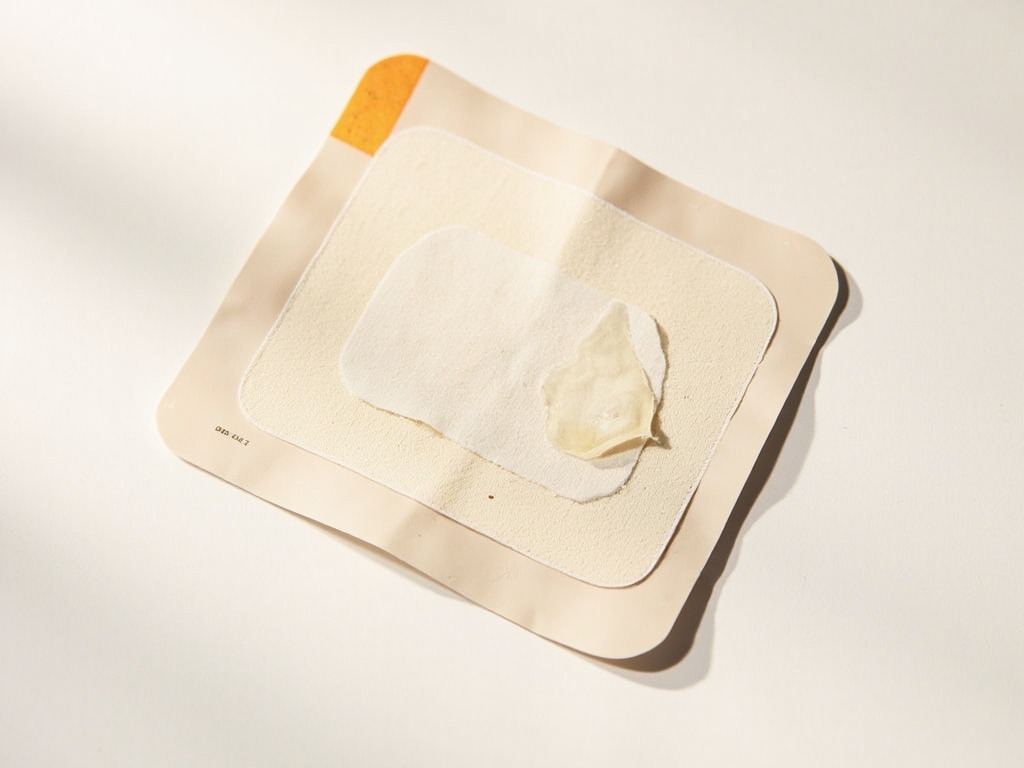
Best for: teens picking a first patch, adults with recurring jawline or chin breakouts, sensitive-skin shoppers, and anyone comparing hydrocolloid versus microneedle versus medicated formats.
An acne patch is a small adhesive dressing applied over a blemish to absorb fluid, shield the spot from fingers and bacteria, and in some cases deliver an active ingredient into the pore. The three formats you will find online and in drugstores work in very different ways, and picking the wrong one for the wrong kind of spot is the most common reason people say patches "did nothing." A quick scan of the spot type, a check of the ingredient list, and a rough plan for how long you can realistically leave it on will narrow the choice in about thirty seconds.
What Each Patch Format Actually Does
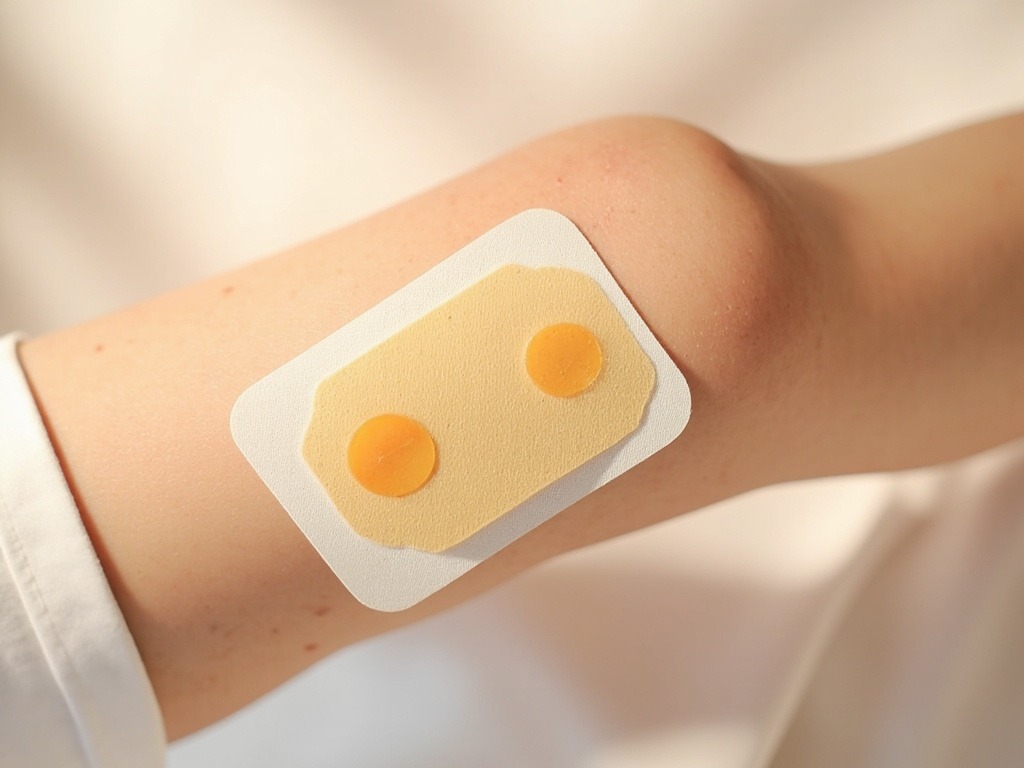
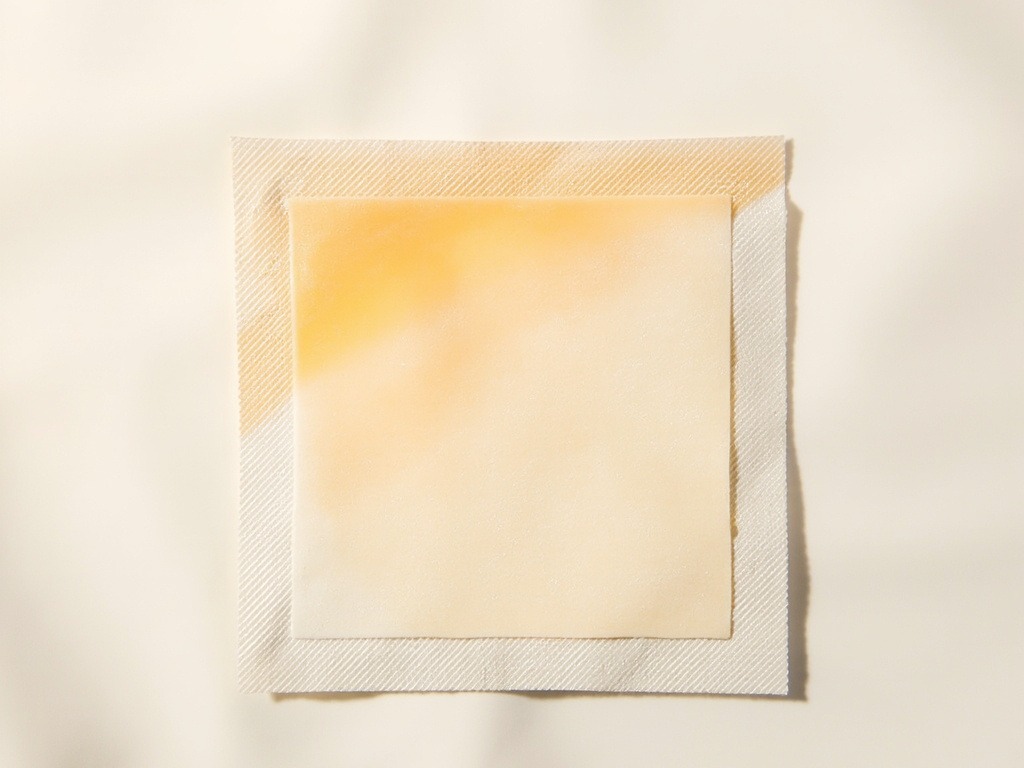
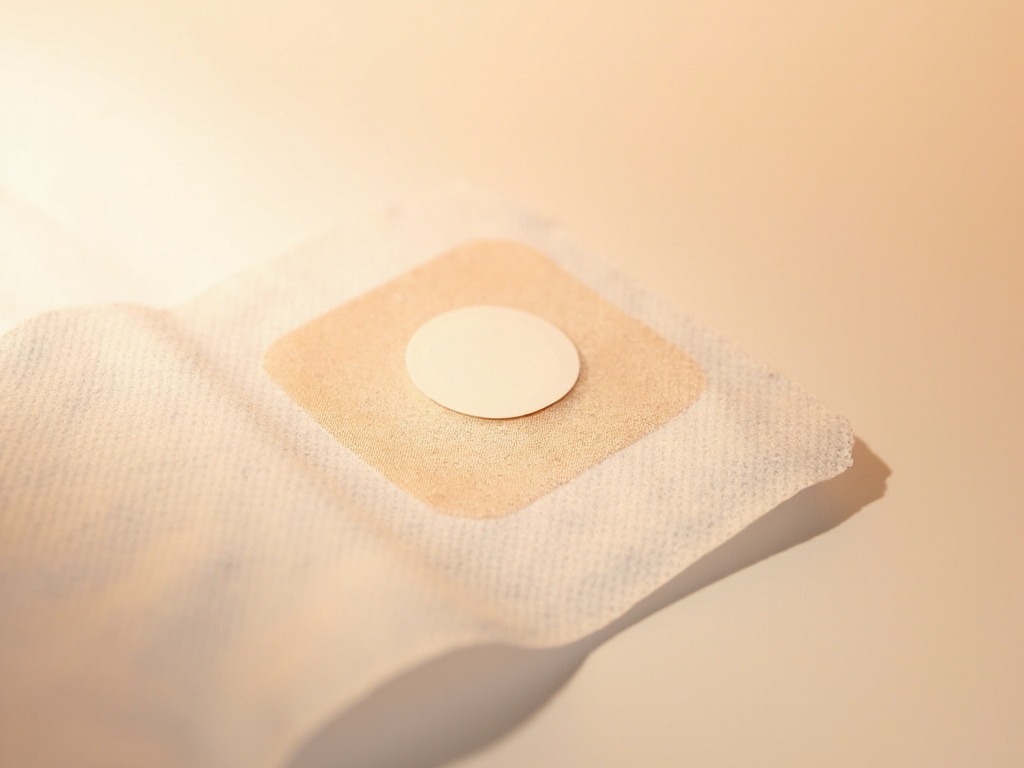
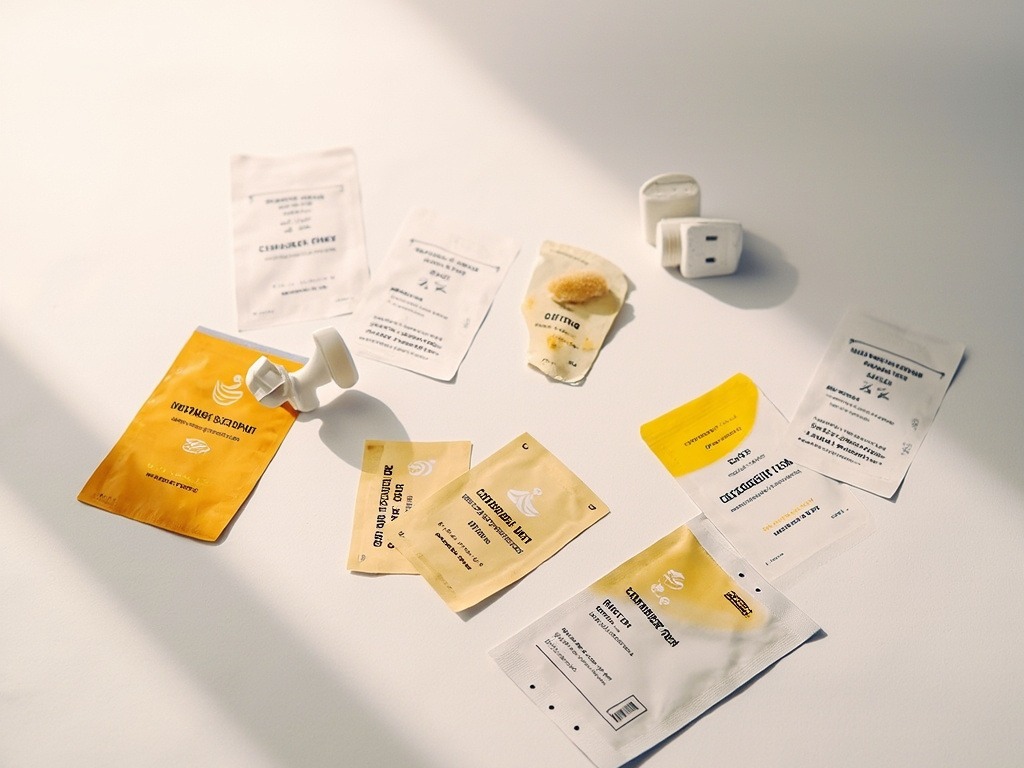
Hydrocolloid patches are essentially the same gel-forming dressing used on small wounds. They pull out excess fluid and pus, keep the area moist, and form a soft white bubble as they absorb. Microneedle patches use tiny dissolvable tips, often made from hyaluronic acid or similar polymers, that melt into the upper layer of skin and push a small dose of active into the pore. Medicated patches look like hydrocolloid from the outside but are pre-loaded with ingredients such as salicylic acid, niacinamide, or tea tree oil that work at the surface of the skin over several hours.
The physical feel of each one is different too. Hydrocolloid is thick and opaque, often best worn at night or under a mask. Microneedle patches are thin and almost invisible once applied because the tips dissolve within minutes. Medicated formats sit in the middle: a thin adhesive with a clear or faintly tinted finish, suitable for daytime use on a single spot.
Match the Patch to the Spot You Have
The single most useful rule is this: if the blemish has come to a head and looks ready to drain, hydrocolloid is the right starting point. If it is a red, under-the-skin bump with no visible white tip, microneedle or medicated formats reach deeper. Putting a thick hydrocolloid on a deep cystic nodule usually just sits on top of it and does little, while putting a medicated patch on a freshly popped spot can sting and slow healing.
- Hydrocolloid: pus-filled whiteheads, post-extraction spots, and small surface lesions. Acts as a gentle vacuum and a barrier against touching.
- Microneedle: early-stage red bumps, closed comedones, and deep painful spots where no white tip is visible. The dissolvable tips can deliver actives where a flat patch cannot reach.
- Medicated (salicylic acid or similar): blackheads, mild papules, and ongoing maintenance across an area rather than a single spot.
For mixed faces with several lesion types at once, many shoppers keep two formats on hand: hydrocolloid for night-time whiteheads and a thin medicated patch for daytime.
Wearing Time, Replacement, and When to Bin It
Most patches are designed to stay on for 6 to 12 hours. A hydrocolloid patch that has turned fully white and started to lift at the edges has done its job and should be replaced or removed. Leaving a saturated hydrocolloid on for 24 hours does not pull out more fluid; it just keeps the area covered, which can trap sweat and oil. Microneedle patches generally dissolve fully within 1 to 4 hours and do not need to be peeled off, though many people leave the backing on for the full 6 to 8 hours to keep the area sealed. Medicated patches follow the 6 to 12 hour rule and are typically replaced once per spot.
A practical rule of thumb: replace once the patch looks visibly used, or once the recommended wear time has passed, whichever comes first. If a patch falls off in your sleep, do not try to re-stick it; the adhesive surface has already collected oil and bacteria.
Ingredient Scan: What to Look for, What to Skip
Reading the small print takes about ten seconds and prevents most wasted purchases. Three categories of ingredient are worth checking.
- Active ingredients that help: salicylic acid (commonly 0.5 to 2 percent in medicated formats) for unclogging pores, niacinamide at 2 to 4 percent for redness, and hyaluronic acid in microneedle tips for carrying moisture into the skin. Tea tree oil at low concentrations shows up in some natural-leaning options.
- Carriers and structure: medical-grade hydrocolloid, biocompatible polymers for microneedle tips, and breathable outer layers. The thickness is usually given in microns or millimeters on the box.
- Skip or be cautious: heavy fragrance, denatured alcohol high on the ingredient list, and bright colourants. If a patch leaves a coloured ring after removal, the dye is doing nothing for the blemish and may irritate sensitive skin.
Side Effects, Sensitivities, and When Not to Use
Even gentle patches can cause problems for a small group of users. Adhesive reactions show up as a square-shaped red rash where the patch sat, usually within an hour of removal. Switching to a patch labelled hypoallergenic or for sensitive skin often helps; if the rash keeps returning, the format is not the issue, it is the adhesive chemistry. Medicated patches containing salicylic acid can sting on freshly picked skin, on open wounds, and on areas recently treated with strong exfoliants. Microneedle tips on active eczema, sunburn, or broken skin will hurt and will not absorb as designed.
If you are using prescription retinoids, benzoyl peroxide washes, or oral medication for acne, patches are still fine as a covering layer, but apply the prescription first, let it dry, then place the patch on top. Piling actives under an occlusive dressing can push absorption higher than intended.
Comparison Table: Format, Best Use, Wear Time, and Skin Type
| Format | Best for | Typical wear time | Visible during day? | Skin type caution |
|---|---|---|---|---|
| Hydrocolloid | Whiteheads, post-extraction spots | 6 to 12 hours | No (opaque) | Very rare irritation; not for deep cystic lesions |
| Microneedle | Early red bumps, closed comedones | 1 to 8 hours | Yes (thin and clear) | Do not use on broken skin or eczema |
| Medicated (salicylic acid, niacinamide) | Blackheads, mild papules, maintenance | 6 to 12 hours | Yes (thin and clear) | May sting on freshly picked skin or with strong actives |
Four Mistakes That Make Patches "Not Work"
- Putting hydrocolloid on a deep cystic bump. The white bubble never forms because there is no surface fluid to absorb. Reach for a microneedle or medicated patch instead.
- Layering actives underneath. Slapping a patch over undried benzoyl peroxide or retinoid can drive absorption too deep. Apply, wait, then patch.
- Re-using a fallen patch. Once an adhesive has touched oil and skin for any length of time, the surface is no longer clean. Use a fresh one.
- Expecting a patch to replace a routine. Patches are spot treatment, not a full regimen. They cannot clear a forehead covered in closed comedones on their own; they help individual lesions while a cleanser and active routine does the wider work.
Decision Checklist Before You Click Buy
Run through these five questions and the right format usually falls out.
- Is there a visible white tip, or is the spot still under the skin?
- Do I want to wear this overnight or during the day at work or school?
- Am I sensitive to adhesives, fragrance, or salicylic acid?
- Do I want a single active ingredient or a more occlusive barrier?
- How many spots am I treating? Single lesions favour patches; broad areas favour a wash or leave-on treatment.
If two of those answers point the same way, trust that. The patch you will actually wear is the patch that fits your day.
Limitations and Safety Notes
Patches are a spot-level tool, not a cure for acne. They do not address hormonal patterns, diet, or pore-clogging products in a routine, and they cannot replace medical advice for moderate to severe nodular acne. Discontinue use if the area becomes more inflamed after 48 hours, if the adhesive leaves a square rash, or if a deep lesion keeps growing rather than shrinking. Speak with a qualified clinician if breakouts are leaving scars, sitting deep under the skin for weeks, or covering large areas of the face or back.
About the Manufacturer
Henan Hanmeng Bio-Tech develops and manufactures private-label patch formats for skincare brands, including hydrocolloid, microneedle, and medicated options built to buyer specifications.
CATEGORIES
LATEST NEWS
CONTACT US
QQ: 396269538
Phone: 17796669065
Tel: 17796669065
Email: 396269538
Add: Room 001, 1st Floor, Building 1, Zhengzhou Hangmei International Smart City, Intersection of S102 and Nanquan Road, Xuedian Town, Xinzheng City, Zhengzhou, Henan Province, China