Industry news
Private Label Health Patches: A Complete Guide for New Brands
Industry news 2026-09-01 09:39:07 19 views admin
Short answer: Private label health patches allow a brand to sell patch products under its own name while manufacturing is handled by a specialized supplier. Depending on the product and factory capability, brands may customize the patch type, size, shape, materials, formulation, individual pouch, retail box and labeling.
For a new brand, the practical priorities are choosing the right category, defining the target market, evaluating physical samples, confirming specifications and selecting a manufacturer that can maintain consistent production and quality control.
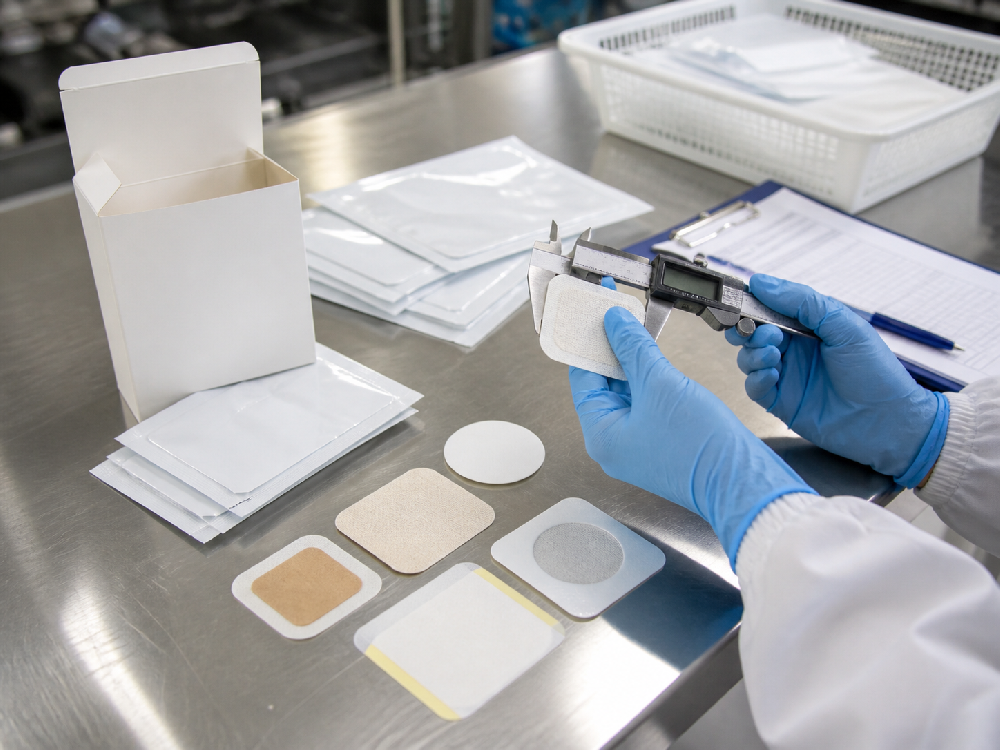
What are private label health patches?
A private label health patch is manufactured by one company and sold under another company's brand. Instead of building a factory, purchasing coating and converting equipment, and developing an entire supply chain internally, a brand works with an established health patch OEM/ODM manufacturer.
The finished product can carry the buyer's brand name, logo, packaging design, product information, barcode and market-specific instructions. This model is used by wellness companies, skincare brands, distributors, retailers and e-commerce businesses that want to build their own product line.
Private label does not always mean choosing a completely standard product. Depending on the project, the patch construction, formulation and packaging can also be customized.
What types of health patches can be private labeled?
Pain relief and body patches
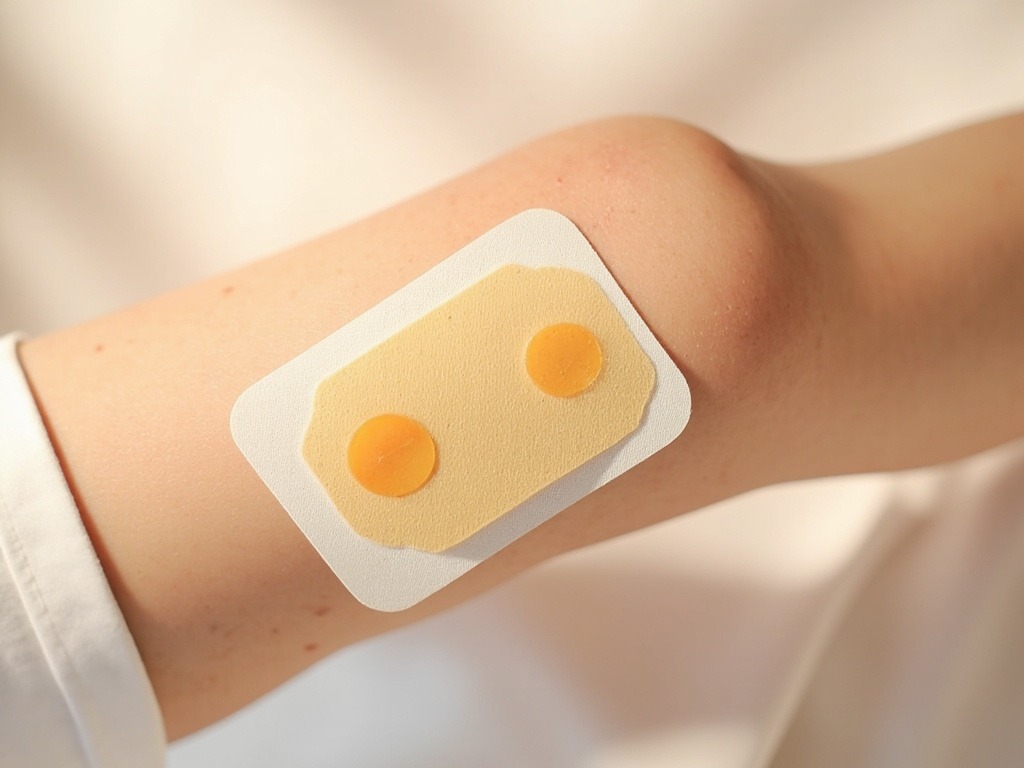
Body patches can use different backing materials, adhesives and functional compositions. The project brief should specify the intended application area, patch dimensions, wear time and target market. Claims and labeling must match the product classification and supporting evidence.
Herbal heat patches
Warming products can be developed for different body areas and consumer markets. Brands should pay close attention to the heating mechanism, material construction, expected wearing conditions, pouch barrier and instructions for use.
Hydrocolloid pimple patches
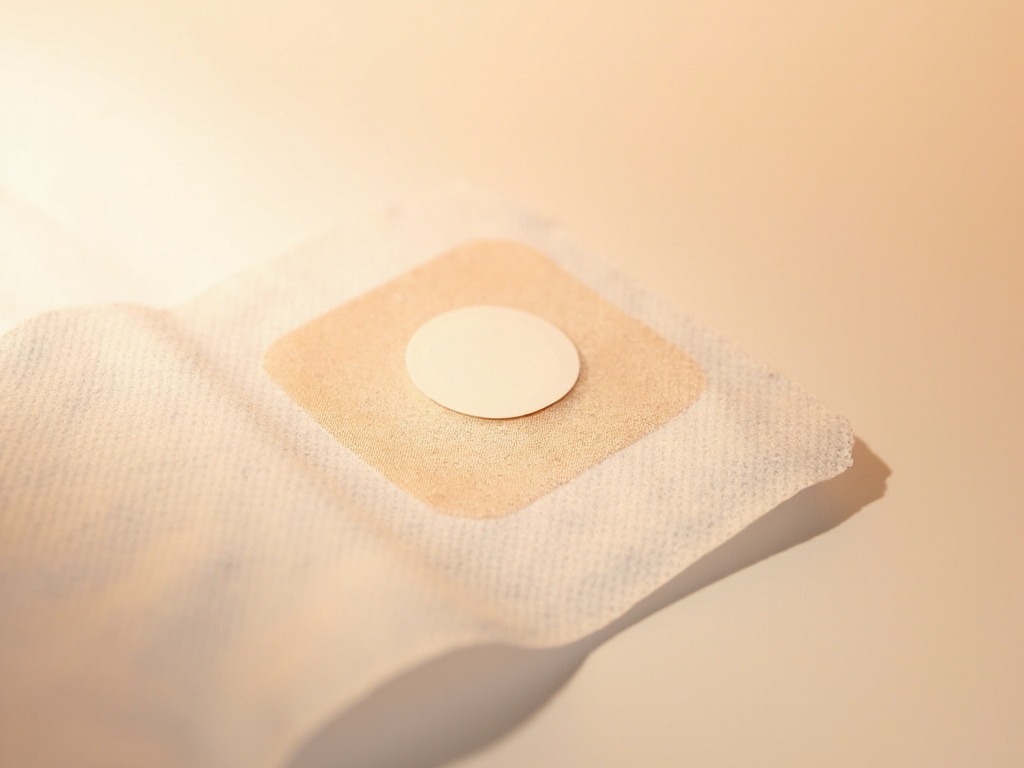
Hydrocolloid patches are widely used in skincare. Private label options can include patch diameter, thickness, shape, number of patches per sheet, individual packaging and retail box design. See our hydrocolloid pimple patch OEM capabilities for a related production example.
Cooling and hydrogel patches
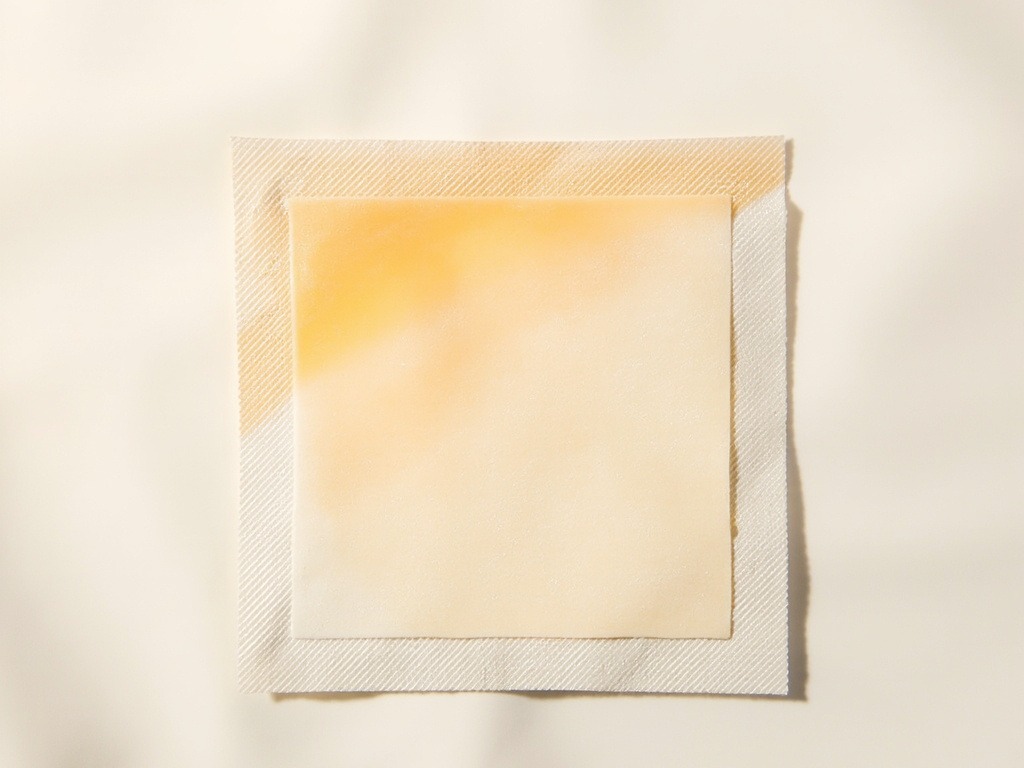
Cooling formats often use hydrogel or another moisture-containing material system. Gel stability, backing compatibility and pouch barrier performance should be considered together during development.
Other wellness patches
Manufacturers may support additional adhesive wellness products according to their equipment, formulation capability and the requirements of the destination market. Buyers should confirm which processes are completed in-house and which are outsourced.
Private label vs OEM vs ODM
Private label describes the commercial model: a supplier manufactures a product that is sold under the buyer's brand.
OEM generally means that the manufacturer produces according to specifications supplied or approved by the buyer.
ODM usually involves more manufacturer participation in product design, material selection or formulation development.
A brand choosing an existing hydrocolloid patch with custom packaging is a straightforward private-label project. A brand providing a detailed patch specification is closer to OEM. A company asking the factory to help develop a new concept may require ODM support. In practice, projects can combine elements of all three. Our guide to health patch OEM and ODM explains the distinction in more detail.
Step 1: Define the target market
Before requesting a quotation, decide where the product will be sold: for example, the United States, European Union, United Kingdom, Middle East or Southeast Asia. The target market can affect product classification, labeling, documentation and acceptable claims. This discussion belongs at the beginning of development, not after mass production.
Step 2: Choose a specific product category
A request such as “I need a health patch” is too broad for a useful quotation. A better inquiry identifies the category and business scenario, such as “We are developing a private label hydrocolloid pimple patch for an online skincare brand” or “We need a warming patch for our wellness range.”
Step 3: Define the product specification
The development brief should cover patch type, size, shape, backing, adhesive, formula, units per pack, individual pouch, retail carton and expected order quantity. A detailed specification makes quotations easier to compare and reduces misunderstandings later.
| Item | Typical decision |
|---|---|
| Patch type | Hydrocolloid, hydrogel, film or fabric |
| Size and shape | Standard or custom die-cut |
| Functional layer | Existing formula or customized composition |
| Units per pack | Defined by channel and price point |
| Packaging | Plain sample, custom pouch or retail box |
| Order quantity | Project-specific MOQ |
Step 4: Request and evaluate samples
Physical samples are essential. A website photograph cannot show material feel, thickness, flexibility, adhesion, ease of application, removal behavior or packaging quality. When comparing factories, use the same evaluation criteria for every sample rather than judging on appearance alone.
Step 5: Decide what to customize
Customization does not mean changing every component. For a first launch, excessive customization can increase development time, tooling, MOQ and cost. A lower-risk starting point may be an established product structure combined with custom packaging and branding. More advanced projects can later change the formulation, backing, adhesive, size, thickness or functional layer.
Step 6: Develop the packaging
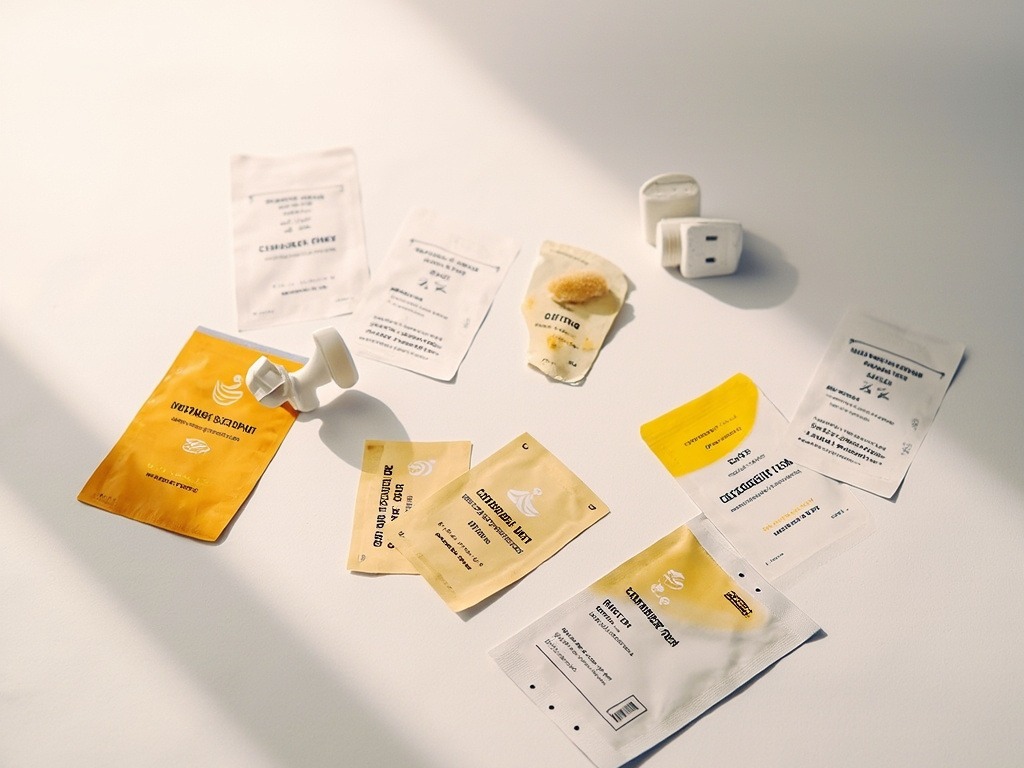
Packaging is often the consumer's strongest contact with a private-label brand. A typical structure may include an individual pouch, inner pack, retail box and shipping carton. Before printing, review the product name, ingredients, directions, warnings, quantity, barcode, country-specific statements and reserved areas for lot or batch information.
Do not approve artwork until the product specification and required label content are stable. A material or pouch-size change late in development can force an expensive artwork revision.
Step 7: Understand MOQ
There is no universal minimum order quantity for private label health patches. MOQ changes with product type, formula, patch dimensions, material, printing, packaging and tooling. A standard construction with custom packaging may have a different minimum from a fully customized development.
New brands should ask whether a simpler starting specification is available before committing to a highly customized large order.
Step 8: Evaluate quality control
Quality control should cover both the patch and the package. Relevant checks may include raw-material inspection, appearance, dimensions, coat weight, adhesion, product consistency, pouch seals, printing, quantity and batch identification. Ask the supplier how deviations are recorded and how corrective actions are handled.
Documents should be reviewed for the specific product and destination market. A general factory certificate does not replace finished-product testing or market-specific compliance work.
Step 9: Confirm the production sample
Before mass production, approve a reference sample and a written specification. The confirmed record should identify materials, dimensions, formulation, appearance, packaging, print files and quantity per pack. Keeping a signed or otherwise traceable reference reduces ambiguity during production inspection.
Step 10: Plan for repeat orders
The first order is only part of the supplier decision. Ask how the manufacturer controls material revisions, artwork files, tooling and batch records for repeat orders. Consistency becomes more important as a brand expands into additional channels or markets.
What determines private label patch cost?
Cost is driven by the actual specification, including patch material, formulation, dimensions, units per pack, individual pouch, retail packaging, printing, order quantity, tooling and any testing or documentation requirements. When comparing quotations, make sure suppliers are pricing the same specification. The lowest price may otherwise represent a different product.
How to choose a private label patch manufacturer
Manufacturing capability: Does the factory make the required patch category with suitable equipment?
Samples: Does the physical construction meet the intended use and brand position?
Customization: Can the supplier support the required level of formula, material and packaging development?
Quality control: How are incoming materials, in-process production and finished goods checked?
Communication: Are technical requirements understood and documented clearly?
Documentation: Can the supplier provide relevant records for the product and target market?
Scalability: Can the same specification be maintained when order volume grows?
Working with Hanmeng Bio-Tech
Hanmeng Bio-Tech provides OEM/ODM manufacturing support for adhesive health patch products. A useful initial inquiry includes the product type, target market, preferred size, desired material or formula, packaging concept, estimated quantity and a reference product when available.
These details help the development team assess material options, sampling requirements, packaging and production planning. To discuss a specific project, contact our OEM team.
Frequently asked questions
What are private label health patches?
They are patch products manufactured by a supplier and sold under another company's brand.
Can I put my own logo on health patches?
Yes. Private label projects commonly include custom branding and packaging, subject to factory capability and applicable labeling requirements.
Can the patch itself be customized?
Depending on the manufacturer, customization can include size, shape, material, formula, adhesive and packaging specifications.
What is the MOQ for private label patches?
MOQ varies with the product, material, formulation, packaging, printing and degree of customization. There is no single minimum for every patch type.
Should I request samples before ordering?
Yes. Samples allow the buyer to evaluate the physical construction and packaging before committing to mass production.
Is private label the same as OEM?
Not exactly. Private label primarily refers to selling a supplier-made product under the buyer's brand, while OEM refers to manufacturing according to buyer-defined or approved specifications.
Conclusion
Private label health patches can help a brand enter or expand within wellness and skincare markets without building its own manufacturing infrastructure. A successful project still requires clear product selection, samples, specifications, packaging review, realistic MOQ planning, quality control and a capable manufacturing partner.
For a new brand, the practical approach is to define one product clearly, evaluate physical samples, confirm the final specification and then scale customization as the business grows.
CATEGORIES
LATEST NEWS
CONTACT US
QQ: 396269538
Phone: 17796669065
Tel: 17796669065
Email: 396269538
Add: Room 001, 1st Floor, Building 1, Zhengzhou Hangmei International Smart City, Intersection of S102 and Nanquan Road, Xuedian Town, Xinzheng City, Zhengzhou, Henan Province, China