Industry news
heat patch for lower back pain: Which Format Fits Your Routine?
Industry news 2026-07-29 11:40:38 63 views admin
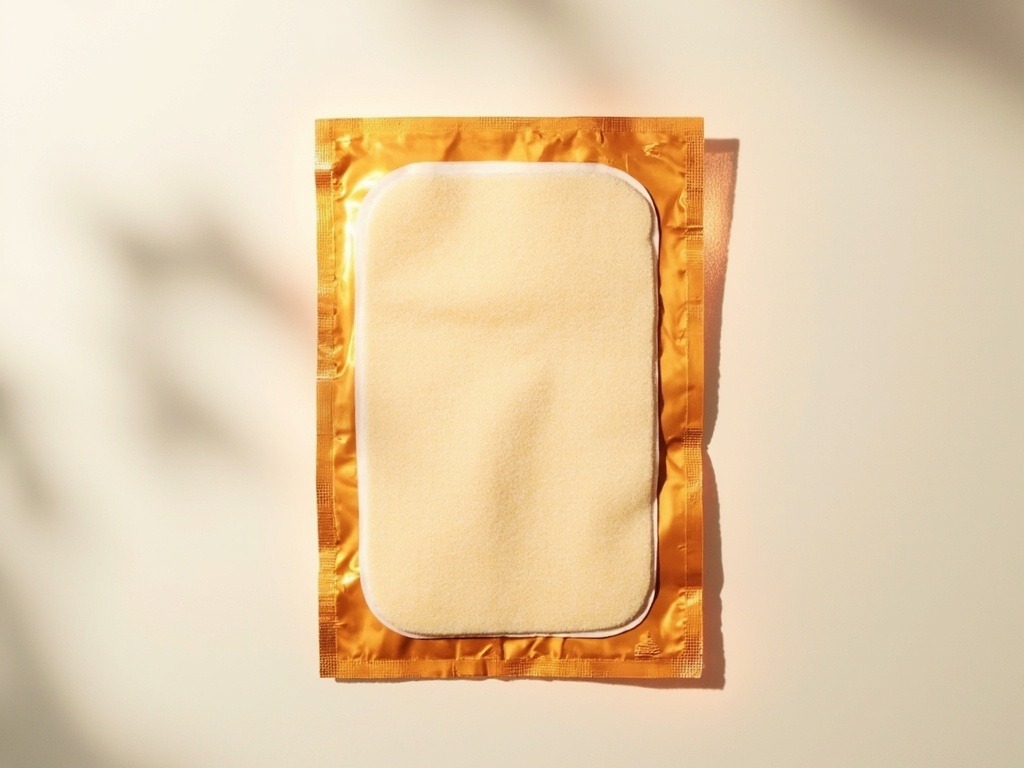
Best for: people comparing self-heating iron-powder patches, microwaveable wraps, menthol patches, people managing recurring lower-back discomfort, and shoppers choosing a portable option for home, work, or travel.
For a stiff lower back after sitting, gentle warmth may feel more suitable than a cooling or strongly scented patch; for a fresh injury with swelling, heat may be the wrong first choice. A heat patch can be convenient, but the best format depends on how quickly you need relief, whether you can monitor the skin, and how much control you want over temperature and wear time.
Start with the situation, not the label
Lower-back discomfort has different triggers. Long hours at a desk, repetitive lifting, travel, or ordinary muscle tightness may leave the area feeling stiff and tense. A portable warm patch can be appealing in those situations because it does not require an outlet or a microwave once applied.
A sudden strain is different. If the area became painful immediately after a fall, collision, awkward lift, or forceful movement, do not assume that warmth is appropriate. Swelling, marked bruising, unusual weakness, numbness, or pain that travels down a leg calls for medical advice rather than a product experiment.
Think of heat as a comfort measure, not a diagnosis. It may make a tight area feel easier to move, while the underlying reason for the pain remains uncertain. Stop using the product if discomfort increases, the skin becomes intensely red, or the patch feels uncomfortably hot.
Four formats, four different compromises
The same word—“heat patch”—can describe products that behave quite differently. An iron-powder patch generates warmth through oxidation after exposure to air. A microwaveable wrap stores heat in a reusable filling. A menthol patch often creates a cooling or warming sensation without delivering the same sustained heat as an external warm pack.
| Format | How it creates sensation or warmth | Where it works well | Trade-offs to check before buying |
|---|---|---|---|
| Iron-powder self-heating patch | Air activates iron powder, which undergoes oxidation and releases heat gradually. | Commuting, office use, travel, or other situations without a microwave. | Heat output can vary with air exposure and placement; it is single-use and should not be slept in unless the label specifically permits that use. |
| Microwavable wrap | A reusable insert or filling is warmed in a microwave and then placed around the lower back. | Home use when you want a larger area, adjustable reheating, and a removable design. | It needs a microwave, careful heating, and a temperature check; uneven heating can create hot spots. |
| Electric heating belt | An electrical heating element provides selectable warmth while connected to its power source or battery. | Long periods at home, especially when temperature controls matter. | It requires charging or an outlet, and the cord, battery, controller, or pressure from the belt may affect comfort. |
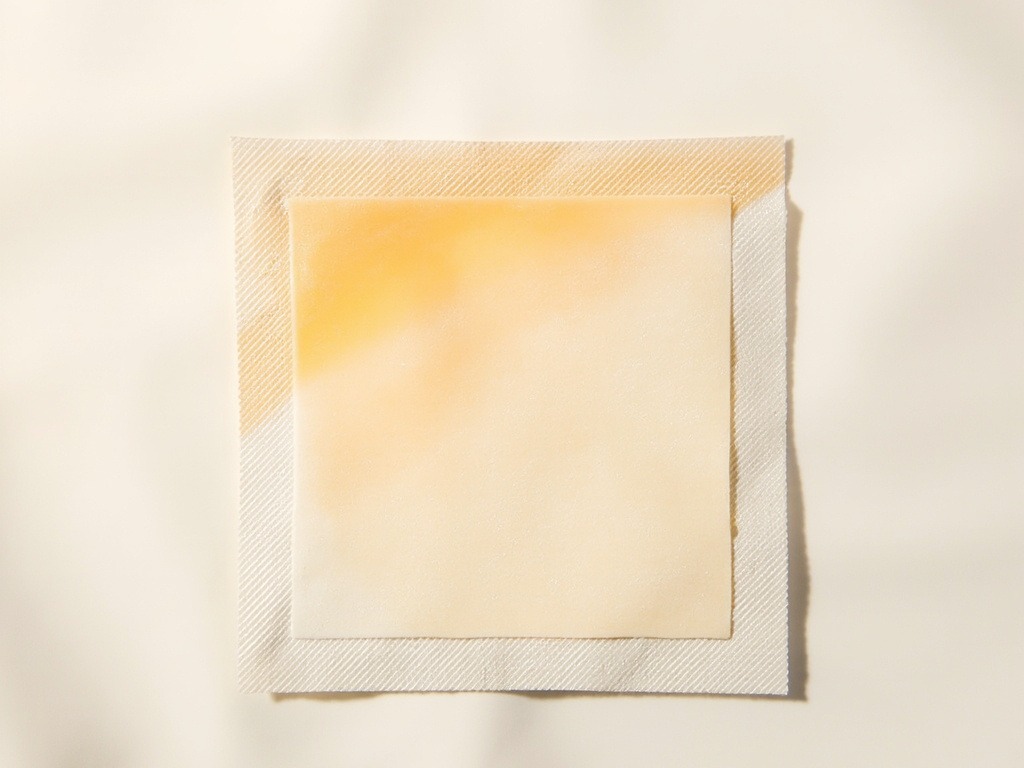
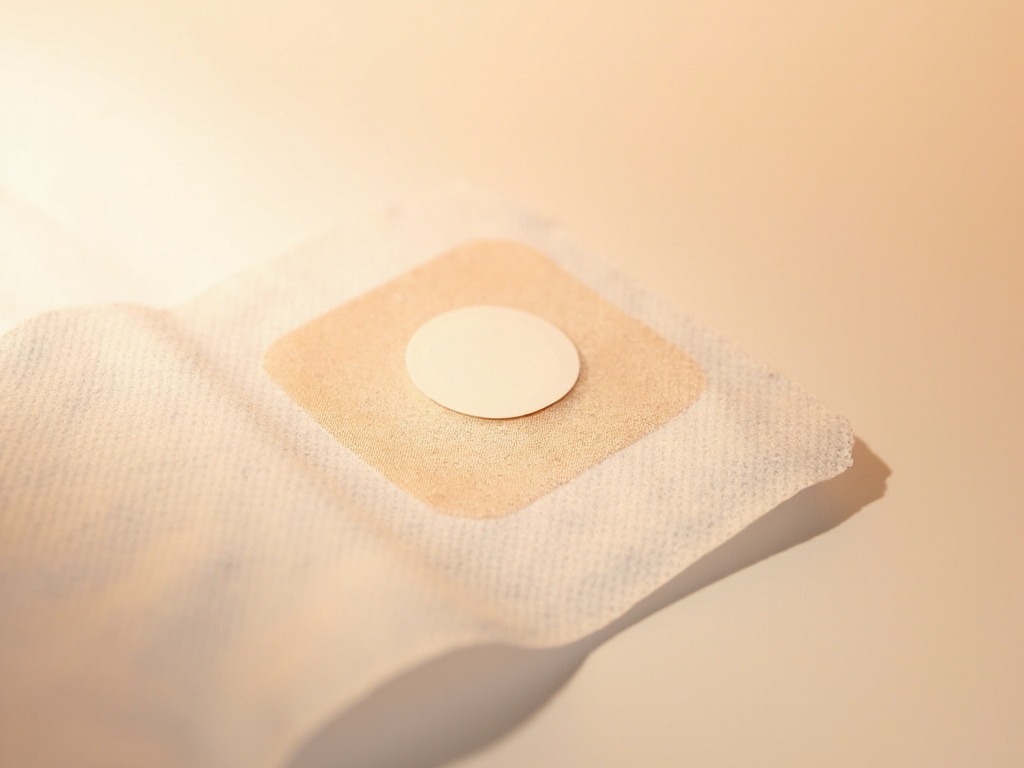
| Menthol patch | Menthol stimulates cold-sensitive skin receptors, producing a cooling sensation; some formulas combine it with other counterirritant ingredients. | People who prefer a thin adhesive patch and a cooling feel instead of external warmth. | It may not provide meaningful heat; fragrance, adhesive, or the active ingredients can irritate sensitive skin. |
For a self-heating product, the phrase “up to” on the package matters. It may describe the expected duration under stated conditions, not a promise that every user will experience identical warmth for that entire period. Clothing, airflow, body movement, and the position of the patch can all change the experience.
A microwaveable wrap gives you more control, but control creates responsibility. Follow the heating instructions exactly, allow the filling to distribute if the design requires it, and test the wrap before it touches the lower back. Never judge temperature only by the microwave time, because different appliances heat at different rates.
A simple choice rule for real-life use
Choose an iron-powder patch when portability and hands-free use matter most. Choose a microwavable wrap when you are at home and want broad coverage with the option to reheat it. Choose an electric belt when adjustable settings and repeated sessions are more important than mobility. Choose a menthol patch when you want a thin adhesive product and prefer cooling sensation over external warmth.
There is also a practical boundary: if you cannot check your skin during use, a product with a clearly stated wear limit and straightforward removal is easier to manage than a format that encourages continuous exposure. A patch that feels comfortable after ten minutes can become irritating after much longer contact.
For many shoppers, the decision can be reduced to three questions:
- Do I need warmth away from home, or can I use a microwave or outlet?
- Do I want actual external heat, or would a menthol cooling sensation suit me better?
- Can I stay awake, check my skin, and remove the product promptly if it becomes too warm?
If the first answer is “away from home,” iron-powder heat patches are the most convenient candidate. If the second answer is “I want a cooling feel,” compare menthol products instead of assuming every patch warms the skin. If the third answer is “no,” postpone use until the product can be monitored safely.
What the temperature wording really tells you
A printed temperature number deserves careful reading. A figure such as 40°C, or 104°F, may refer to a target, a measured surface condition, or a supplier’s design aim. It is not automatically a validated specification for every production lot, body position, garment, or use environment.
For a consumer, the useful question is not simply “How hot does it get?” Ask how the temperature is described, over what period it is measured, and whether the package states where the patch should be placed. A product intended for use over clothing can behave differently from one designed for direct skin contact.
For a manufacturer or brand owner, a generic target such as 40°C must be kept separate from verified product data. A supplier may discuss a typical supplier target during development, but a validated specification requires documented testing under defined conditions. Those are not interchangeable claims.
Iron powder is only one part of a self-heating construction. The air-permeable layer controls oxygen access, while the active mixture, moisture balance, support material, adhesive, and outer packaging influence activation and heat release. Once the pouch is opened, oxidation begins; storage and package integrity therefore matter to product behavior.
Do not cut, puncture, fold sharply, wet, or heat an iron-powder patch in a microwave. The package instructions control the acceptable application method. Keep unused patches sealed until needed, because premature air exposure can reduce their intended performance.
First-use routine: make the first session cautious
A careful first use is more valuable than a confident guess. New adhesive, new ingredients, and unfamiliar heat can all produce surprises, especially on skin that is sensitive, recently shaved, sweaty, or already irritated.
- Read the full label before opening. Confirm the intended body area, maximum wear time, whether the product is placed on clothing or skin, and any warnings about sleep, pregnancy, circulation, reduced sensation, or age.
- Inspect the package. Do not use a pouch that is torn, swollen, damp, or already open. For a reusable wrap, check the cover, seams, filling, cable, and controller before heating or plugging it in.
- Check the skin. Choose intact skin without cuts, rash, sunburn, fresh bruising, or another topical product that could increase irritation. Do not apply over numb areas where excessive warmth may be harder to notice.
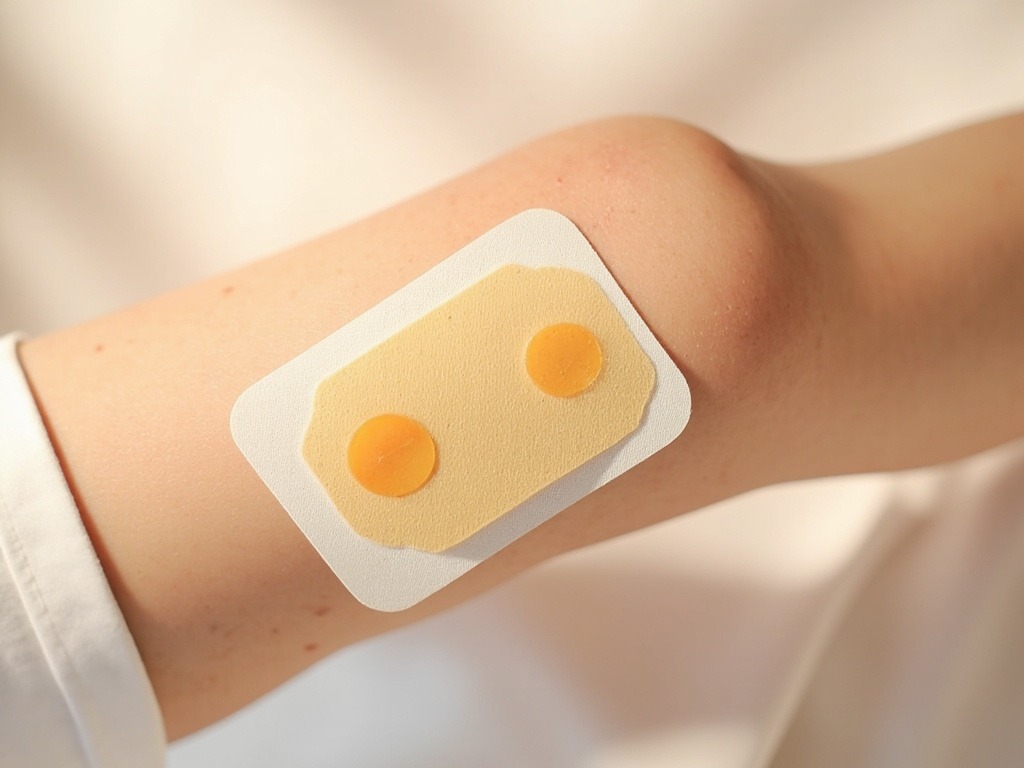
- Prepare the area. Dry the skin if the label calls for skin contact, or wear the recommended thin clothing layer. Avoid placing the patch directly over a bony ridge or folding it under a tight waistband.
- Start with a short monitored session. Stay awake and check how the skin feels after several minutes. Remove the product immediately if it stings, burns, itches intensely, or feels hotter than expected.
- Inspect after removal. Mild temporary redness can occur from warmth or adhesive, but persistent redness, blistering, swelling, or worsening irritation is a reason to stop using the product and seek appropriate advice.
Do not combine a heat patch with a heating pad, hot-water bottle, heated blanket, tight compression garment, or another warming product over the same area. Layering heat makes the total exposure harder to judge and can create pressure points.
For a microwaveable wrap, place it flat and follow the stated heating interval. Shake or redistribute the filling only if the instructions say to do so. Test the warmest part against the inside of your wrist before applying it, then keep the wrap positioned so it cannot slip into a concentrated hot spot.
When warmth should wait
Heat is not a default response to every episode of back pain. Avoid applying it to open wounds, active rashes, infected-looking skin, areas with significant swelling, or skin that cannot reliably sense temperature. People with reduced circulation, neuropathy, or impaired sensation should ask a healthcare professional before using a heat-producing product.
Do not use a warming patch as a substitute for urgent assessment when back pain follows significant trauma or occurs with warning signs such as new loss of bladder or bowel control, numbness around the groin, progressive leg weakness, fever, or severe unexplained pain. These symptoms require prompt medical attention.
Extra caution is sensible for children, older adults who may have reduced sensation, anyone taking medicine or using substances that make them sleepy, and anyone who may fall asleep while wearing the product. A product label may impose additional restrictions; those instructions take priority.
Menthol patches have their own limits. “Cooling” does not mean harmless for every person. Do not use them on broken skin, near the eyes, under airtight coverings, or together with another topical product unless the instructions specifically allow it. Wash your hands after application and removal.
Cold or heat? Use the timeline and the symptom
A quick rule is useful, but it should not replace judgment:
- Fresh injury with swelling or a hot, inflamed feeling: skip the heat patch at first and consider professional guidance about cooling and monitoring.
- Stiffness or muscle tightness without obvious swelling: gentle warmth may be the more comfortable option if the skin can be monitored.
- Unclear pattern, recurring pain, or symptoms spreading into a leg: do not keep switching between cold and heat to mask the problem; seek medical advice.
Cold and heat also differ in practicality. A cold pack needs a barrier to protect the skin and may become wet as it warms. A self-heating patch is more portable, but once activated it cannot be “turned down” in the same way as a controller-based belt. A microwaveable wrap sits between those choices: reusable, but dependent on careful preparation.
Use the least complicated format that fits the moment. The best product is not the one with the strongest sensation; it is the one you can apply correctly, monitor, remove, and store according to its instructions.
Buyer checks beyond the front label
Before purchasing, inspect the application instructions rather than relying on words such as “deep,” “instant,” or “long-lasting.” Those terms may describe marketing language, while the practical information you need is often printed in smaller type.
Check whether the adhesive is intended for skin or clothing. Confirm the stated wear duration and whether the product is single-use. Look for storage instructions, package count, activation steps, disposal guidance, and warnings for sensitive skin. If the package does not explain how to respond to excessive warmth or irritation, choose a product with clearer directions.
Comfort is a buying factor too. A large wrap may cover more of the lower back but feel bulky under clothing. A narrow patch may move less during a commute but cover a smaller area. A menthol patch can be thin while still producing a noticeable scent. Adhesive strength, fabric flexibility, and the ability to remove the product without pulling irritated skin all affect daily use.
When comparing products from different suppliers, ask for the exact material description, intended application method, stated temperature information, activation or heating conditions, and wear-time instructions. Treat a “typical supplier target” as development information unless the supplier provides defined test conditions and supporting documentation for a validated specification.
Limitations and safety notes
This article is general consumer information, not a diagnosis or a treatment recommendation. A heat patch may provide temporary comfort for some forms of stiffness, but it cannot identify the cause of lower-back pain or guarantee improvement. Follow the product label, avoid sleeping with a heat-producing patch unless the instructions expressly permit it, and stop use if the skin or pain worsens.
Seek medical advice for persistent, recurrent, severe, or unexplained pain, and seek urgent care for neurological or systemic warning signs. If you are pregnant, have reduced sensation or circulation, or use a patch on behalf of another person, ask a qualified healthcare professional before relying on heat or menthol.
A restrained final buying decision
Pick the portable iron-powder option for warmth without equipment, the microwaveable wrap for reusable home comfort, the electric belt for adjustable repeated sessions, and the menthol patch for a thin cooling sensation. Compare the instructions, not just the sensation claim, and treat 40°C/104°F as meaningful only when its measurement conditions are clear.
For general information about Hanmeng’s patch-related manufacturing capabilities, visit Henan Hanmeng Bio-Tech’s pharmaceutical patch OEM page. Verify application, temperature, adhesive, packaging, and safety details for the specific product before use.
CATEGORIES
LATEST NEWS
CONTACT US
QQ: 396269538
Phone: 17796669065
Tel: 17796669065
Email: 396269538
Add: Room 001, 1st Floor, Building 1, Zhengzhou Hangmei International Smart City, Intersection of S102 and Nanquan Road, Xuedian Town, Xinzheng City, Zhengzhou, Henan Province, China