Industry news
fever cooling patchouli: Is a Cooling Patch Appropriate for Your Child?
Industry news 2026-07-29 11:41:27 74 views admin
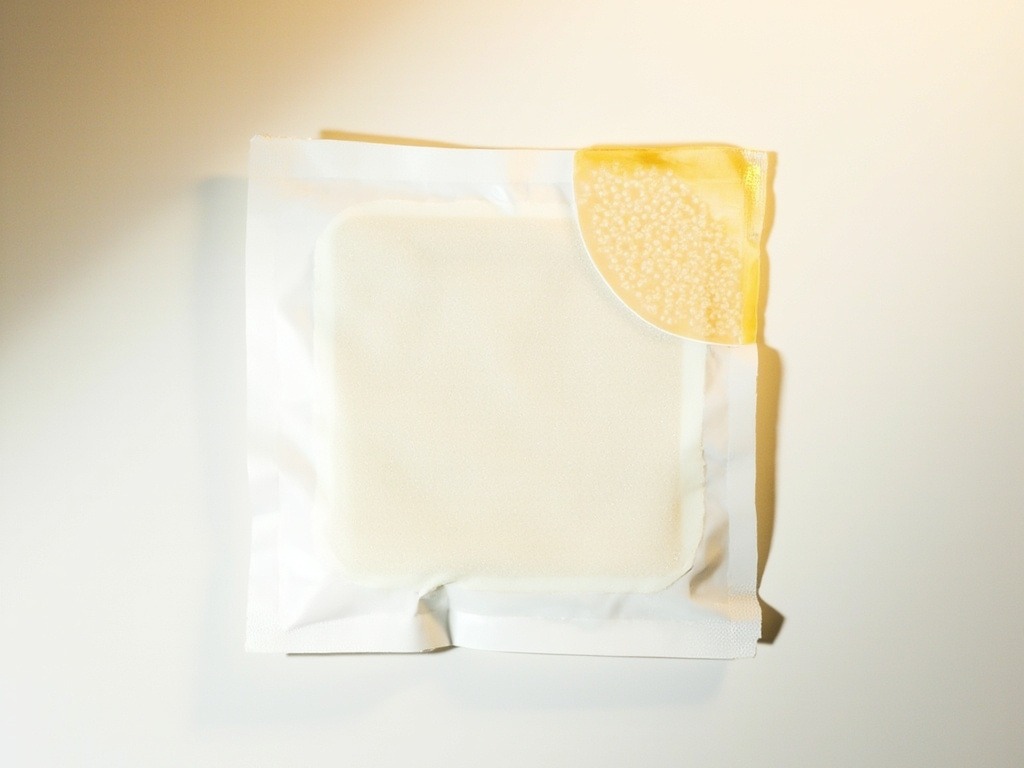
Best for: parents of babies, caregivers of toddlers, families with school-age children
Direct answer: A cooling patch may make a child’s forehead feel more comfortable, but it does not treat the illness causing a fever and should not be used to judge whether the fever is improving. For a child under 10, the decision depends less on the patch and more on age, temperature measured with a thermometer, alertness, breathing, hydration, and other symptoms. A rectal temperature of 38°C (100.4°F) or higher in a baby under 3 months needs prompt medical evaluation rather than home monitoring with a patch.
Start with the child, not the strip
A fever is a rise in body temperature, often occurring while the immune system responds to an infection. The number matters, especially in young babies, but it is only part of the picture. A child who is breathing comfortably, drinking, urinating, and responding normally may need a different level of attention from a child with the same reading who is difficult to wake or struggling to breathe.
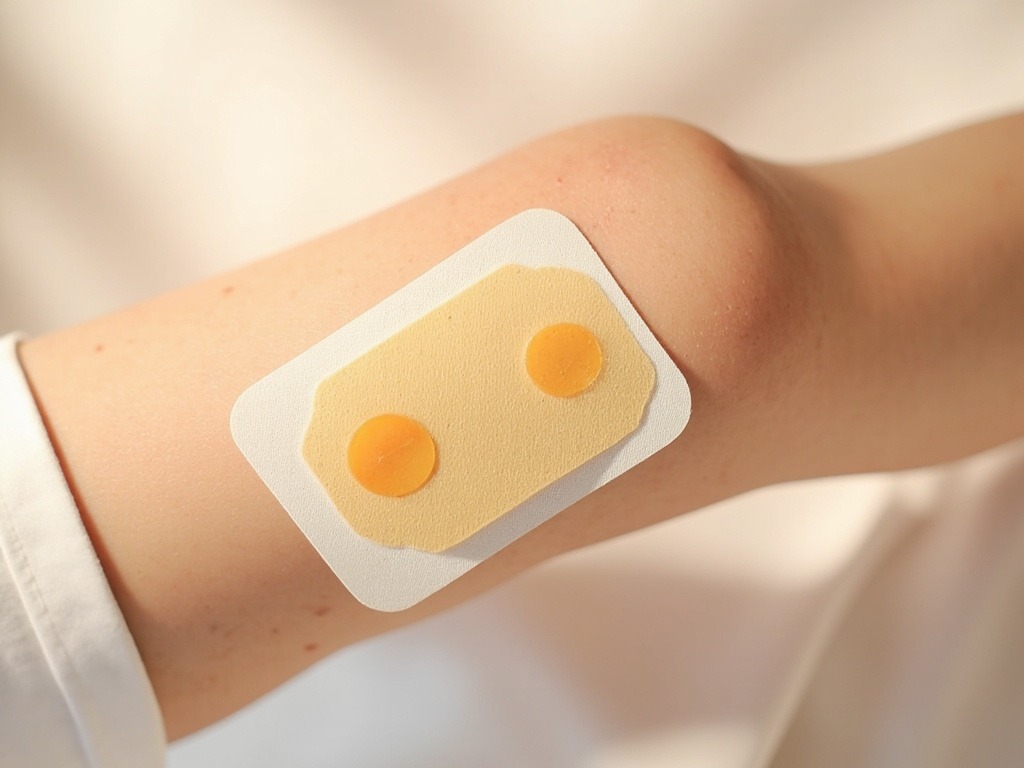
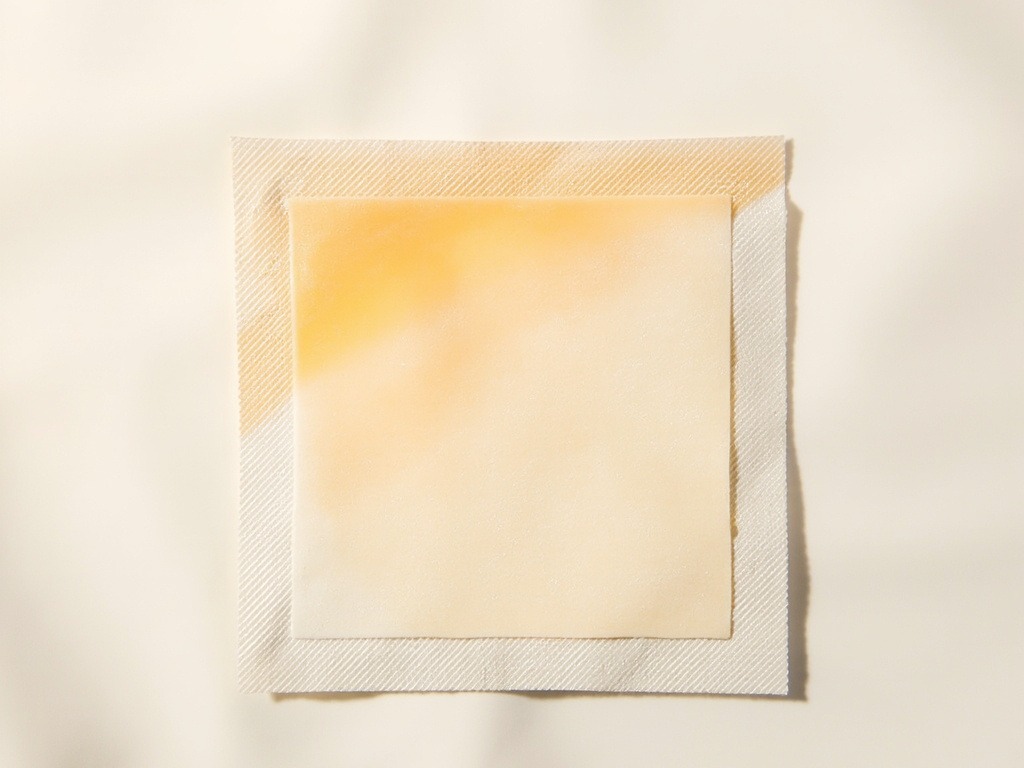
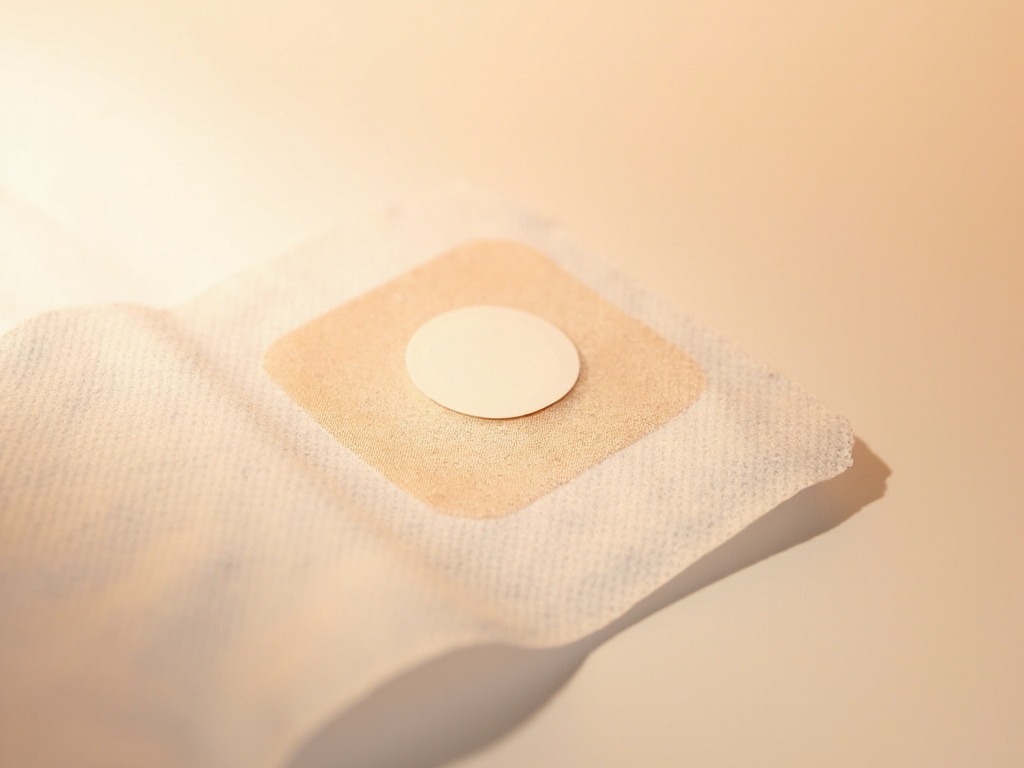
A fever cooling patch is placed on intact skin, most often across the forehead. Its water-rich gel absorbs heat from the skin and may create a cool sensation as moisture evaporates. That local effect can feel pleasant. It does not reliably lower core body temperature, remove an infection, prevent a fever-related seizure, or replace a thermometer, medical assessment, fluids, rest, or correctly selected medicine.
The forehead may also feel cooler while the temperature inside the body remains elevated. For that reason, touching the patch—or the skin next to it—is not a useful recheck. Remove the patch if it interferes with the thermometer method you intend to use, then follow the thermometer manufacturer’s instructions.
The search phrase “fever cooling patchouli” can be confusing because patchouli is an aromatic plant ingredient, while a cooling fever patch is a hydrogel product. They are not the same thing. For children, a plain, fragrance-free cooling patch is the more cautious choice; patchouli fragrance or patchouli essential oil adds scent but no established fever-control benefit and may irritate sensitive skin.
Four age gates before home use
| Child’s age | What the temperature means for the decision | Role of a cooling patch | Preferred next step |
|---|---|---|---|
| Under 3 months | A rectal temperature of 38°C (100.4°F) or higher is a prompt-call threshold, even if the baby appears comfortable. | Do not let a patch delay medical contact or conceal changes in skin color and responsiveness. | Contact a clinician or urgent medical service promptly for guidance. Do not give fever medicine unless a clinician has provided age- and weight-specific instructions. |
| 3–12 months | Temperature, behavior, feeding, breathing, wet diapers, and other symptoms should be considered together. | It can be an optional comfort item if the package permits the child’s age and the skin is healthy. | Seek medical advice sooner for poor feeding, reduced urination, repeated vomiting, breathing difficulty, unusual sleepiness, or a fever that worries you. |
| 1–3 years | How the child looks and acts remains important. A thermometer reading is more reliable than a hand on the forehead. | A supervised patch may soothe a child who likes the sensation. Stop if it causes distress, itching, redness, or chills. | Offer fluids, avoid excessive clothing, and follow local medical advice about fever duration, symptoms, and weight-based medicine. |
| 3 years and older | The child may describe headache, pain, dizziness, thirst, or discomfort, but objective temperature and behavior still guide decisions. | Reasonable as a comfort accessory when awake and supervised; it remains optional rather than necessary. | Monitor breathing, hydration, alertness, pain, rash, and the course of the illness. Escalate care when warning signs appear. |
These age bands are decision boundaries, not promises of safety. Product labels vary, and some patches are not intended for infants. If the label has no clear minimum age, ingredient information, wear instructions, or warning language, choose a better-documented product rather than guessing.
For babies and toddlers, placement also matters. A loose patch can be pulled off, folded, mouthed, or placed over the nose or mouth. Never put one where the child can chew it, and do not leave an infant unattended because a patch appears firmly attached.
A practical patch-or-call test
Use this rule: a patch is only an add-on after the child passes an age, airway, hydration, alertness, and skin check. If any part fails, skip the patch and seek medical guidance appropriate to the symptom.
- Age: A baby under 3 months with a rectal temperature at or above 38°C (100.4°F) needs prompt medical advice. The patch decision is secondary.
- Airway and breathing: Do not continue home comfort measures alone if breathing is hard, fast, noisy, interrupted, or associated with blue, gray, or very pale lips or skin.
- Hydration: Pay attention to drinking, tears, mouth moisture, vomiting, and urination. A markedly dry mouth, inability to keep fluids down, or substantially fewer wet diapers requires advice.
- Alertness: A tired child may sleep more during an illness, but difficulty waking, confusion, limpness, a seizure, or failure to respond normally is not a patch situation.
- Skin: Use only on clean, dry, intact skin. Avoid eczema flares, sunburn, wounds, adhesive reactions, and any area already carrying a medicated cream or patch.
- Symptoms: Seek help for a stiff neck, severe headache, severe or localized pain, repeated vomiting, a concerning rash, or a condition that is worsening rather than stabilizing.
This decision rule prevents a common mistake: treating visible warmth as the main problem while overlooking breathing, hydration, or neurological changes. Comfort matters. Triage matters more.
Where the patch belongs—and where it does not
The forehead is the conventional location because it is accessible and easy to observe. Apply the patch to dry skin, keep it clear of the eyes, eyebrows, hairline, nostrils, and mouth, and check the edges regularly. Remove it immediately if the child tries to eat it or repeatedly pulls it toward the face.
Do not place a cooling patch on the underarm merely because an underarm temperature was measured there. Occlusion and movement can increase irritation, while the patch can interfere with repeat measurements. The groin, chest, neck, damaged skin, and areas under tight clothing are also poor choices unless a product’s instructions explicitly identify a location as safe.
Never use a household frozen gel pack as a substitute directly against a child’s skin. Extreme cold can cause pain and skin injury, and shivering may make the child feel worse. A cooling patch should feel mildly cool, not painfully cold.
Wear time is a label question, not a universal number. Remove the patch earlier if it dries out, slips, becomes dirty, warms enough to become uncomfortable, or causes redness. Do not automatically apply a fresh patch through the night. Sleep reduces supervision, and a mobile child may dislodge the strip.
If the child dislikes the patch, stop. There is no therapeutic reason to force a comfort accessory onto an upset child. A calm room, light clothing, small amounts of fluid, and close observation can be more useful.
How to choose a child-appropriate product
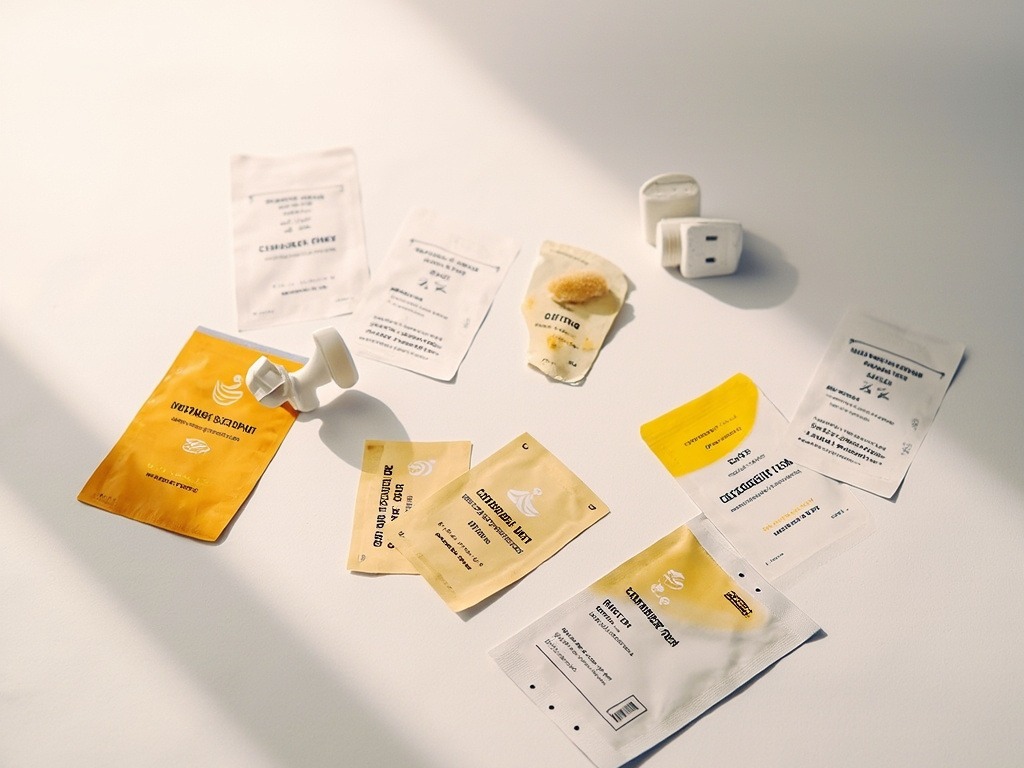
Begin with the complete package, not a loose strip. The label should state the intended user age, ingredients, placement, application method, wear limit, storage conditions, warnings, manufacturer or responsible supplier, and what to do after irritation. Missing instructions make safe use harder.
Prefer a fragrance-free formulation. Menthol, strong perfume, patchouli oil, and other aromatic additions may produce a noticeable sensation or smell, but “stronger” does not mean more effective. Fragrances and essential oils can trigger skin irritation, headache, coughing, or discomfort in susceptible children.
Check the adhesive surface before application. It should be intact and free of leakage, drying, discoloration, debris, or an unexpected odor. Do not use a strip from a torn pouch. Wash and dry your hands, place the strip without stretching the child’s skin, and note the application time.
Packaging claims deserve careful reading. Phrases such as “instant cooling,” “long-lasting,” or “for fever” describe intended use or marketing; they do not show that the patch controls core temperature or treats the cause of illness. A transparent label with modest claims is more useful than dramatic promises.
For a child with known adhesive sensitivity, eczema, frequent hives, asthma triggered by fragrances, or reactions to cosmetics, ask a pharmacist or clinician before use. A small skin check cannot rule out every reaction, and it should never be performed on a baby as a way to bypass an unclear age restriction.
Medicine, fluids, and temperature checks
A patch and fever-reducing medicine serve different purposes. The patch cools a limited skin area. Medicines such as acetaminophen or ibuprofen can reduce fever and discomfort when appropriate, but selection depends on the child’s age, weight, health history, hydration, other medicines, and local guidance.
Do not calculate a dose from age alone. Use the child’s current weight, the exact concentration printed on the medicine label, the supplied measuring device, and instructions from a clinician or pharmacist. Avoid combining products without checking their active ingredients; cold-and-flu products may contain the same fever medicine under another brand name.
Ibuprofen is not appropriate for every infant or every dehydrated child. Aspirin should not be given to children or teenagers with a suspected viral illness unless a clinician specifically directs it. If the child has kidney disease, liver disease, a bleeding disorder, a chronic medical condition, or takes regular medication, obtain individualized advice.
Offer fluids in amounts the child can tolerate. Breast milk or formula remains appropriate for infants unless a clinician advises otherwise. Do not use rubbing alcohol, ice baths, or very cold sponging. These methods can cause discomfort, shivering, or harmful exposure without addressing the illness.
Measure temperature with a suitable digital thermometer. Rectal measurement is often used for young infants because it most closely reflects core temperature, while oral measurement becomes practical only when a child can hold the thermometer correctly. Forehead and underarm methods can be convenient, but technique and device instructions affect accuracy. Record the time, reading, measurement site, symptoms, fluids, urination, and any medicine given; that short log is useful if you call a clinician.
Signs that replace home monitoring
Call emergency services for severe breathing difficulty, blue or gray coloring, a seizure lasting longer than local emergency guidance allows, inability to wake the child, collapse, or signs of a life-threatening allergic reaction. Do not drive while trying to monitor an unstable child if emergency transport is available.
Prompt medical assessment is also appropriate for a stiff neck, severe headache, a non-blanching purple or red rash, persistent confusion, repeated vomiting, severe dehydration signs, intense localized pain, or rapidly worsening illness. Pressing a clear glass against a rash may sometimes help show whether it fades, but a home test cannot determine the cause or make a dangerous rash safe to watch.
For a baby under 3 months, the 38°C (100.4°F) rectal threshold stands even when the baby is feeding and appears settled. For older children, contact a clinician when fever persists beyond the period stated in your local health guidance, returns after improvement, or accompanies symptoms you cannot safely manage. Seek advice earlier for immune suppression, cancer treatment, major heart or lung disease, recent surgery, or another condition that changes infection risk.
Trust a meaningful change from the child’s normal behavior. A parent who sees that a child is becoming less responsive, breathing differently, refusing all fluids, or producing much less urine does not need to wait for a higher thermometer number before asking for help.
Limitations and the five-line safety box
Cooling patches are comfort products with variable ingredients, adhesion, dimensions, and labeled wear times. Advice here cannot evaluate your child, identify the cause of fever, account for every medical condition, or replace the product label and local clinical guidance. Evidence and labeling may also differ by country, so check the applicable local requirements rather than assuming one jurisdiction’s rules apply everywhere.
1. Measure: Use a digital thermometer; never estimate fever from the patch or by touch.
2. Escalate: A baby under 3 months at 38°C (100.4°F) or higher needs prompt medical advice.
3. Supervise: Keep every strip away from the eyes, mouth, damaged skin, and any choking route.
4. Stop: Remove it for redness, swelling, itching, pain, coughing, breathing changes, or distress.
5. Reassess: If breathing, hydration, alertness, or symptoms worsen, seek care instead of replacing the patch.
A final decision for tonight
A cooling patch is reasonable only when the child is old enough for the labeled product, has no urgent warning signs, has intact skin, and finds gentle forehead cooling comfortable. It is not required. Skip it if the label is unclear, the child resists, fragrance is present, supervision will be limited, or the patch could delay a medical call.
The simplest boundary is useful: use a patch for comfort, never for reassurance. Reassurance should come from an appropriate temperature measurement, normal breathing, adequate fluids and urination, responsive behavior, and a stable or improving symptom pattern.
Parents comparing product information may also want to understand how manufacturers approach patch format, packaging, and customization. Henan Hanmeng Bio-Tech describes its capabilities in general terms on its pharmaceutical patch OEM page. Any consumer product should still be assessed by its own label, ingredients, age directions, warnings, and applicable local requirements.
CATEGORIES
LATEST NEWS
CONTACT US
QQ: 396269538
Phone: 17796669065
Tel: 17796669065
Email: 396269538
Add: Room 001, 1st Floor, Building 1, Zhengzhou Hangmei International Smart City, Intersection of S102 and Nanquan Road, Xuedian Town, Xinzheng City, Zhengzhou, Henan Province, China