Industry news
Pain Relief Patches for Back Pain Relief: How to Match a Patch to Where It Actually Hurts
Industry news 2026-07-29 11:42:44 83 views admin
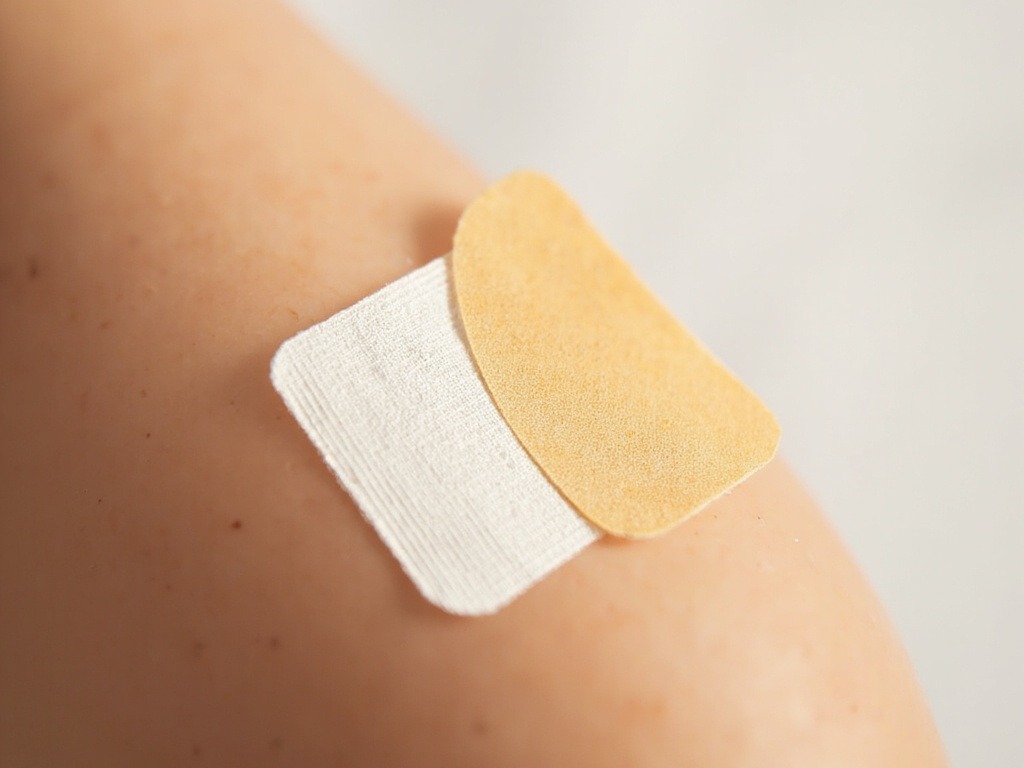
Best for: adults weighing lidocaine vs. menthol vs. capsaicin patches for the lower back, shoppers comparing one-day wear against overnight heat patches, caregivers choosing between thin daily and thicker overnight formats for shoulder or knee stiffness
Most pain relief patches for back pain relief fall into three families: counter-irritants (menthol, camphor, methyl salicylate) that distract local nerves with a cooling-then-warming sensation; topical anesthetics (lidocaine 4% or 5%) that quiet the nerve signal itself; and warming patches (iron oxide + salt + activated carbon) that hold the skin at roughly 40°C for 6–12 hours. The product that helps one person fail another person has almost nothing to do with the brand name and everything to do with whether the active, the size, and the wear time fit the body area and the kind of pain you actually have.
What Is Actually Happening in Your Lower Back
Mechanical back pain comes from the lumbar paraspinal muscles, the fascia that wraps them, or the small facet joints connecting the vertebrae. These tissues sit 2–6 cm below the epidermis, which is why a skin-level patch can't "reach" deeper structures directly. Counter-irritants such as menthol at 5–16% and methyl salicylate at 10–30% work on the gate-control pathway: they activate cold and warm receptors in the dermis, which partially overrides the slower pain signal traveling up the spinal cord. You'll feel it within 5–15 minutes; the effect fades as the active evaporates or migrates away, usually in 2–4 hours.
Neuropathic back pain (sciatica, post-herpetic neuralgia, diabetic nerve pain) feels different: burning, shooting, electric. Lidocaine 4% or 5% blocks voltage-gated sodium channels on the small cutaneous nerve fibers responsible for that quality of pain. Lidocaine patches are an established non-opioid option for localized neuropathic pain, with the U.S. Food and Drug Administration having approved a 5% lidocaine patch (lidoderm) for post-herpetic neuralgia in 1999; see the FDA prescribing information for the approved indication and dosing rules at FDA label, Lidoderm 5% (PDF). For self-care OTC use in a healthy adult with no contraindications, OTC 4% lidocaine patches follow monographs administered by the FDA — check the applicable local requirements and the specific product label before purchase.
Heat-versus-cold is a separate question. Heat at 40–45°C relaxes muscle and increases local blood flow; cold at 10–15°C numbs acute inflammation. Iron-oxide warming patches sustain heat for 6–12 hours at 40–42°C, which sits inside the therapeutic band for chronic muscle stiffness. Menthol produces a sensation of cold without actually lowering tissue temperature, which is why many "ice patches" are really counter-irritant patches.
Matching the Patch to the Body Area
The same product line rarely fits every body part equally. Adhesion geometry, patch shape, and where bone sits close to the skin change what "works." A patch that survives 10 hours on a flat lower back may lift in 2 hours over a shoulder blade because scapular movement peels the adhesive.
| Body area | Pain type most often reported | Patch size that usually fits | Watch for |
|---|---|---|---|
| Neck (cervical paraspinals) | Stiffness from desk work, minor strain | 10 × 7 cm rectangular | Adhesive near carotid pulses — avoid menthol near the throat |
| Shoulder (upper trapezius, rotator cuff) | Tightness or impingement-type ache | 14 × 10 cm contoured or winged | Friction from shirt seam; patch lift during arm motion |
| Lower back (lumbar paraspinals) | Muscle strain, facet irritation, sciatica referral | 20 × 10 cm or "L"-shaped large format | Bending forward lifts adhesive; avoid lidocaine over broken skin |
| Knee (medial or lateral joint line) | Joint-line ache, post-exercise stiffness | Round or oval 12 × 8 cm | Patellar movement; avoid circular pressure on the kneecap itself |
Quick decision rule: if the pain is broad and you can point to an area the size of a hand, a larger counter-irritant patch covers it well. If the pain is one specific nerve path or burning line, a smaller lidocaine patch placed precisely along that line usually outperforms a bigger generic patch. If the pain is morning stiffness that loosens within an hour, you want heat (or menthol's warming illusion), not an anesthetic.
Application Fit: Where to Place, How Long, When to Stop
For lower back muscle strain, place the patch 2–4 cm lateral to the spine at the level of the ache, never directly over the spinous process where bone is too close to skin. For shoulder impingement-type ache, center the patch over the upper trapezius belly rather than the joint itself; lidocaine over the actual glenohumeral joint doesn't change intra-articular pain. For knee joint-line pain, place the patch along the medial or lateral joint line, not over the patella. For cervical stiffness, anchor below the hairline and avoid the area where a pulse is visible.
Wear time depends on the product. Counter-irritant patches: 6–12 hours per application, up to 3 patches per day (per FDA OTC labeling for menthol 5–16% combinations); lidocaine 4% OTC: up to one patch at a time for no more than 12 hours within any 24-hour period, with a 12-hour break between applications; warming patches: 6–12 hours of usable heat per sachet, then single-use disposal.
- Clean skin with mild soap and water, then dry fully; oils reduce adhesion by roughly 40%.
- Do not apply over broken skin, active rash, or recent sunburn.
- Remove a warming patch before any MRI — iron oxide is not MRI-safe.
- For lidocaine: do not apply heat (heating pad, sauna) over the patch; heat accelerates systemic absorption.
- If you sleep on the patch, switch to an overnight-only format so daytime adhesion isn't a concern.
- For joint-line knee pain during exercise, place the patch 15–30 minutes before activity; counter-irritants peak around the 60-minute mark.
How to Read a Label Without Trusting It Blindly
Two things matter more than brand. First: the active ingredient and its concentration per patch. Menthol 5% is gentle; menthol 16% is sharp. Lidocaine 4% is OTC; lidocaine 5% is prescription-only in the U.S. Methyl salicylate over 30% can be a real systemic exposure risk in children and in anyone taking blood thinners, per the FDA's Drug Safety Communication on topical methyl salicylate at FDA: Topical Musculoskeletal Pain Relief Products.
Second: the backing material. Non-woven cloth patches breathe but stretch; film-backed patches (PET or PE) repel sweat but lift under shear. For a 10-hour wear on the lower back during a workday, a film-backed patch with a perimeter adhesive (acrylic, not rubber-based, since rubber is a common contact allergen) usually outlasts a non-woven one. For overnight, the breathable non-woven wins because sweat under a sealed patch is the most common cause of contact irritation.
Limits, Allergies, and When a Patch Is the Wrong Tool
Topical patches treat symptom, not cause. They won't reverse a herniated disc, unstick a stuck facet joint, or shrink a bone spur. If pain wakes you from sleep, is paired with numbness or weakness in a limb, follows a fall, or doesn't improve in 7–10 days of sensible use, a clinician — not a stronger patch — is the next step. Anyone on anticoagulants, pregnant, or with damaged or insensitive skin should talk to a pharmacist or clinician before using methyl salicylate or warming patches.
Common, mild, and reversible: redness at the edge of the patch (remove, rinse, switch brand), a menthol "burning" sensation that fades within an hour, and adhesive residue that washes off with mineral oil. Less common: blistering under the patch if worn too long on thin skin (forearm, behind the knee), or worsening of the original pain after a warming patch is removed — a sign the heat dose was too high for that tissue.
Boundary rule for shoppers: a patch is one part of a plan that also includes posture, sleep setup, and movement. If you find yourself stacking patches (one menthol plus one lidocaine plus a heating pad), the plan is no longer self-care — that's a clinician conversation.
Choosing for the Buyer Who's Standing in the Aisle
Three concrete buy rules beat any "best of" ranking. (1) Match the patch family to the pain quality: burning or shooting → lidocaine; broad muscle ache → counter-irritant or heat; morning stiffness that loosens quickly → warming patch, not a strong anesthetic. (2) Match the geometry to the body area: a small patch on a broad lower back underperforms a large patch on a small neck every time. (3) Match wear time to your day: counter-irritants for 6–8 hours of desk work; lidocaine for nighttime nerve pain; warming patches for sleep or long shifts where you won't shower.
If you're buying for a parent with shoulder stiffness, start with a non-woven menthol 5% patch in a 14 × 10 cm format — gentle, large enough for the trapezius, easy to remove. If you're buying for your own sciatica line, a 4% lidocaine patch placed along the dermatome (the strip of skin served by one nerve root) is more useful than a generic large-format menthol. If you're buying for a teen athlete with knee joint-line ache, a small oval menthol or capsaicin patch placed at the medial joint line 30 minutes before practice fits the routine.
FAQ
How long does a single pain relief patch last?
Counter-irritant patches are designed for 6–12 hours of continuous release; lidocaine 4% OTC patches are limited to 12 hours on, 12 hours off; single-use warming sachets produce 40–42°C heat for about 6–12 hours from the moment the package is opened and exposed to air.
Can I use a heating pad on top of a lidocaine patch?
No. External heat increases lidocaine absorption through the skin and can produce a local anesthetic overdose. Don't combine a lidocaine patch with a heating pad, hot water bottle, electric blanket, or sauna session.
Are patches safe to use every day?
For most OTC counter-irritant and 4% lidocaine patches, daily use within label directions is acceptable for short courses of up to 7 days. Beyond that, the underlying cause of the pain deserves a clinician's look, not a stronger patch.
Do pain relief patches interact with blood thinners?
Methyl salicylate and high-percentage menthol/camphor products can add to anticoagulant effects; warming patches don't interact pharmacologically but can irritate fragile skin. Anyone on warfarin, apixaban, rivaroxaban, or similar should clear methyl salicylate use with a clinician or pharmacist first — check the applicable local requirements for specific warnings and concentration thresholds.
Manufacturer Reference
For buyers comparing how transdermal back-pain patches are produced at scale — including backing film selection, active-loading range, and adhesive choices — a manufacturer's technical page documents the spec ranges, batch controls, and customization options across pain-relief formats. See pharmaceutical patch OEM capabilities for material, size, and active-loading ranges. The page describes OEM service breadth only; consumers should evaluate the finished product against the wear-time, skin-sensitivity, and label rules described above, regardless of supplier.
CATEGORIES
LATEST NEWS
CONTACT US
QQ: 396269538
Phone: 17796669065
Tel: 17796669065
Email: 396269538
Add: Room 001, 1st Floor, Building 1, Zhengzhou Hangmei International Smart City, Intersection of S102 and Nanquan Road, Xuedian Town, Xinzheng City, Zhengzhou, Henan Province, China