Industry news
lidocaine patch 4%
Industry news 2026-07-31 13:51:41 62 views admin
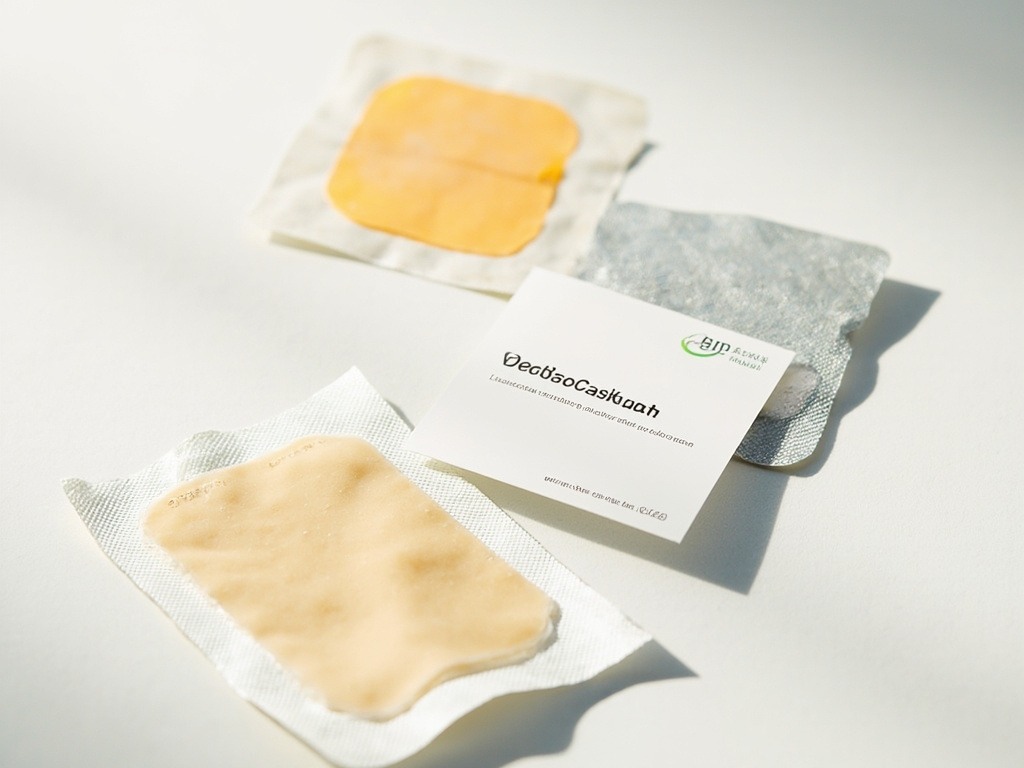
Best for: shoppers comparing menthol, capsaicin, and lidocaine patches, adults with localized muscle or nerve pain, pharmacy counter staff, OTC first-time buyers
A 4% lidocaine patch is a non-prescription topical analgesic that delivers lidocaine through the skin to dull the burning, stabbing, or aching sensation in one well-defined area, usually the lower back, shoulder, or behind the knee. Each adhesive patch normally contains roughly 4% lidocaine (about 40 mg per gram of gel or cloth) and is worn for up to 8–12 hours at a time, depending on the product insert. Because it numbs the local nerves instead of warming or cooling the skin, it feels different from a menthol gel or a capsaicin cream, and that difference is the main reason shoppers reach for it when cooling or heating agents stop working.
How a 4% lidocaine patch actually works on the skin
Lidocaine is a local anesthetic. Once the patch sits on clean, unbroken skin, the drug diffuses into the epidermis and reaches the small nerve endings in the dermis. There it blocks voltage-gated sodium channels, which stops the nerve from firing repeated pain signals. The onset is gradual, not instant: most users notice a clear numb or "quiet" feeling within 20–40 minutes, with the strongest effect between hours 2 and 4 of wear. The numbing fades slowly after the patch comes off, often lingering for another 30–90 minutes because a small reservoir of drug is still sitting in the stratum corneum.
Because the action is local, the patch does not raise the systemic lidocaine level the way an injection would. That is the practical reason a 4% patch can sit on the OTC shelf while 5% prescription patches (the kind sold under brand names for post-herpetic neuralgia) require a script. The dose per square centimeter is the dividing line, not the active molecule.
Lidocaine vs. menthol, capsaicin, methyl salicylate, and camphor
These five ingredients turn up on pain patch labels more than any others, and they do not all work the same way. Lidocaine silences the nerve. Menthol and camphor trick the skin with a cooling sensation by activating TRPM8 cold receptors. Capsaicin does the opposite, activating TRPV1 heat receptors and, over repeated use, depleting substance P so pain signals weaken. Methyl salicylate is a topical cousin of aspirin that adds a mild anti-inflammatory effect, often paired with menthol for a "hot-cold" rub.
| Ingredient | What it does | Typical sensation | Wear time window | Best for |
|---|---|---|---|---|
| Lidocaine 4% | Blocks sodium channels; numbs the local nerve | Quiet, "switched-off" feeling, no strong hot or cold | 8–12 hours per patch, once per 24 h | Sharp, focal nerve or post-injury pain |
| Menthol | Activates TRPM8 cold receptors | Strong cooling, sometimes tingly | Up to 8 hours, reapply as needed | Strains, tight muscles, mild backache |
| Capsaicin | Activates TRPV1, then depletes substance P | Burning warmth for the first 1–2 weeks | Up to 8 hours, daily use for 2–3 weeks | Joint osteoarthritis, stubborn nerve pain |
| Methyl salicylate | Topical NSAID analogue, mild anti-inflammatory | Warm, "rubbed" feeling | Up to 8 hours, not more than 3–4× daily | Muscle soreness near joints |
| Camphor | Mild counter-irritant, light analgesic | Cool then warm, aromatic | Up to 8 hours | Mild aches, congestion-adjacent rubs |
The decision rule most shoppers actually use: if the pain feels hot, burning, or "angry," menthol or lidocaine usually beats capsaicin, because capsaicin will make that sensation worse for the first several days. If the pain is dull, deep, and arthritic, capsaicin or methyl salicylate often wins because they target inflammation, not nerve firing. Lidocaine sits in the middle: useful any time the pain is in one small spot and the user wants the area to go quiet without a strong scent or heat.
Choosing the right patch shape and size
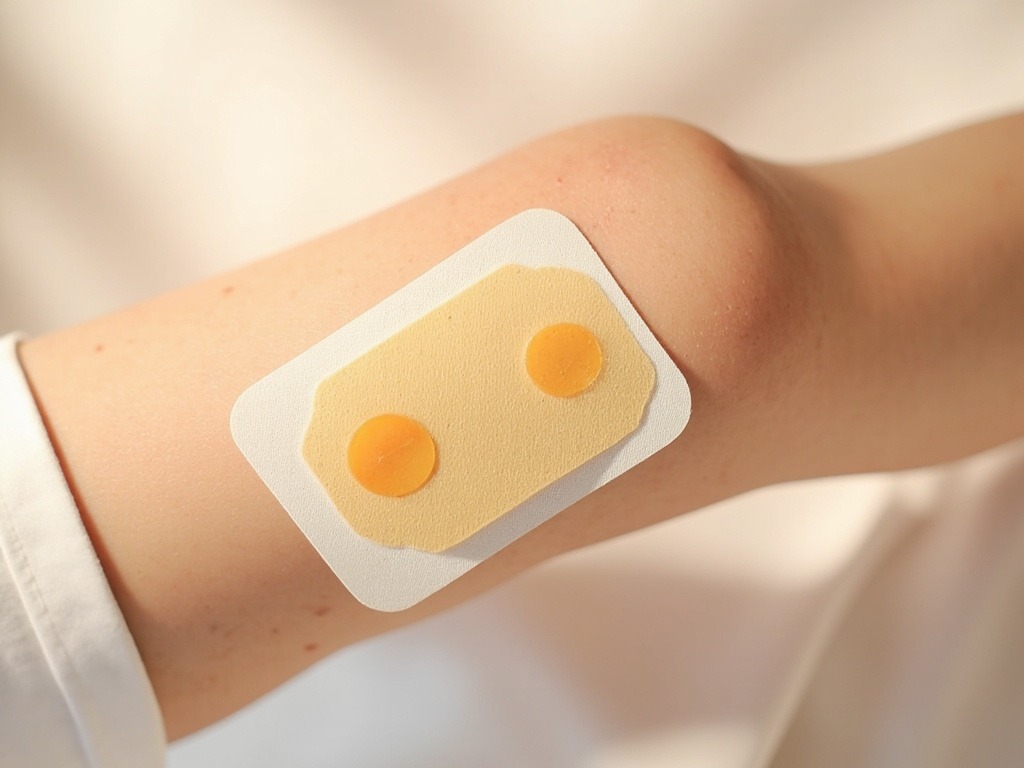
Patches are sold in rectangles, ovals, and large back-panel sheets. The size matters more than most shoppers realize. A 10×14 cm patch covers most of the lower back; a 5×10 cm strip fits along the paraspinal muscles or the side of a knee. Cutting a patch is usually a bad idea: scissor edges expose more drug per square centimeter and can shift the dose above the OTC 4% safety envelope. The product label is the authority on whether the specific patch is rated as cuttable.
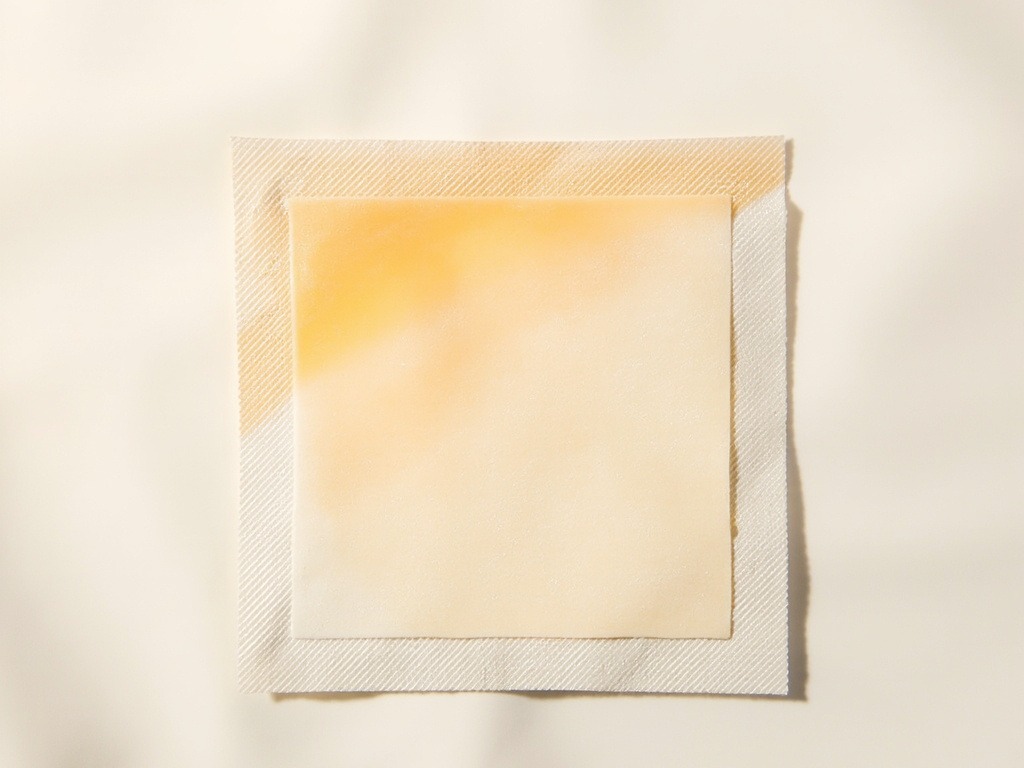
Adhesive strength is the second hidden variable. Cloth-backed patches breathe and peel off with less skin trauma; hydrogel patches feel cool on application but can slide off during exercise. If the pain site is the lower back and the user is still going to work, a stretchy cloth backing usually outlasts a hydrogel by 4–6 hours.
Application rules that change how well the patch works
Skin prep is the single biggest controllable factor. The site should be clean, dry, and free of lotions, oils, or broken skin. Hairy areas are workable but should be clipped, not freshly shaved, because razor irritation under an occlusive patch can read as a chemical burn. Press the patch on firmly for 10–15 seconds, then run a finger around the edge to seal it. A patch that lifts at the corner delivers a lower effective dose and pulls off mid-day.
Heat is the trap most first-time users fall into. A heating pad on top of a lidocaine patch increases drug absorption in an uncontrolled way and can push systemic lidocaine up toward the 1 µg/mL plasma mark. Stick to one modality per area: either the patch or the heat, not both.
Skin sensitivity, reactions, and who should avoid these patches
Even at OTC strength, lidocaine patches can produce contact dermatitis, redness, or a mild blanching where the adhesive sits. The risk rises with repeated 12-hour wear across multiple days. Signs to remove the patch early are spreading redness, tiny blisters, or itching that starts after hour 2. These are reactions to the adhesive matrix or to the drug itself; either way, the next patch should go on a different spot.
Do not use a 4% lidocaine patch on broken or infected skin, over a recent sunburn, on the face or near the eyes, or in children under 12 unless the product label explicitly says otherwise. The same warning applies to anyone with a known amide anesthetic allergy, which is rare but documented. People taking Class I antiarrhythmic drugs should talk to a pharmacist or clinician before layering topical lidocaine on top of systemic heart-rhythm medication, because the mechanisms overlap.
Side-by-side decision checklist for a shopper in the aisle
- If the pain is one small, well-defined area and you want it to feel "off" rather than hot or cold: choose lidocaine 4%.
- If the pain is broad and muscular, and you want a strong cooling signal: choose menthol, often paired with methyl salicylate.
- If the pain is arthritic, deep, and has been around for weeks: capsaicin is worth the first-week burn if you can stay consistent for 14–21 days.
- If the skin is sensitive or you've reacted to adhesives before: pick a cloth-backed patch with a short wear time (4–6 hours) and rotate the site.
- If you're layering with a heating pad, ice pack, or another topical: pick the modality that is NOT a lidocaine patch that day; combining heat with lidocaine is the most common misuse pattern.
Limitations and safety notes
A lidocaine patch masks pain; it does not heal the underlying tissue. If the pain has lasted more than 7–10 days, is getting worse, or is paired with numbness, swelling, fever, or skin discoloration, stop self-treating and seek a clinical evaluation. The 4% OTC strength is designed for short-term, localized use; it is not a substitute for physical therapy, a brace, or a clinician's diagnosis. For a one-time short episode of muscle strain, patches are reasonable; for chronic neuropathic pain, a prescription 5% formulation or another therapy is usually the right next step. Keep used patches folded sticky-side in, away from children and pets, because residual drug on a discarded patch can still transfer to mucous membranes.
How a manufacturer approaches 4% lidocaine patches
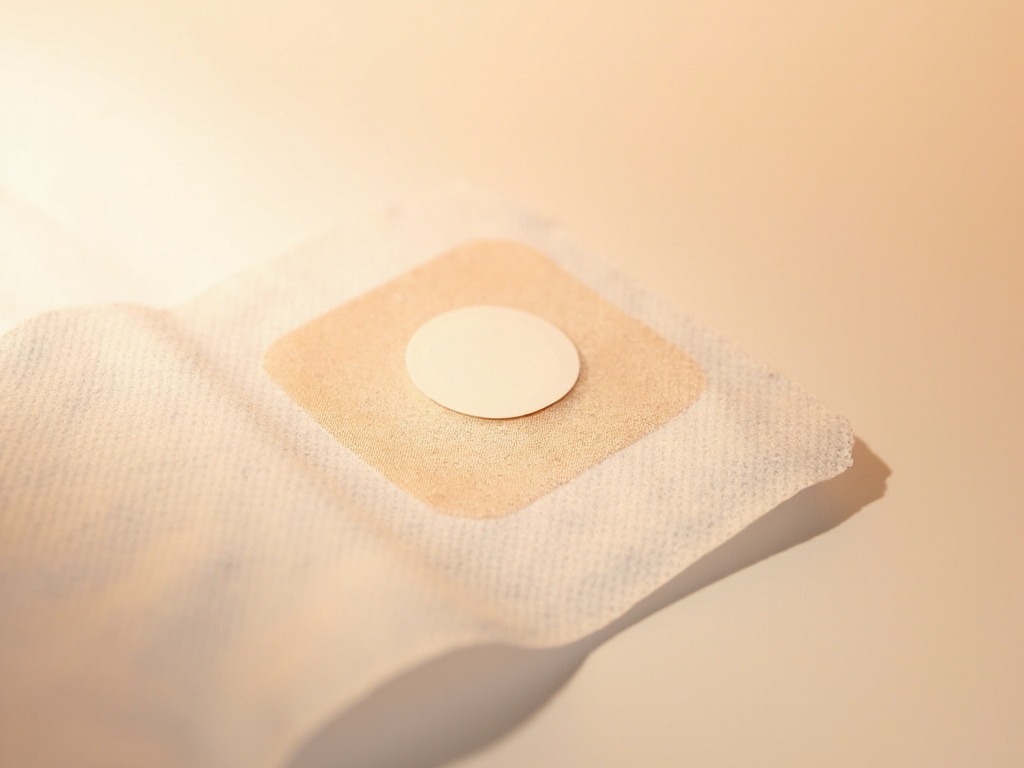
For brand owners and private-label buyers who want to add a 4% lidocaine patch to a line, the practical build includes a non-woven cloth or elastic backing, a hydrogel reservoir holding the lidocaine at the labeled strength, and a release liner that protects the adhesive until use. Patch sizing, cut shape, and packaging artwork are the most common areas where a buyer can differentiate without changing the drug. For a closer look at the OEM/ODM workflow and what a manufacturer can support on formulation, testing, and artwork, see the pharmaceutical patch OEM page. Always confirm the regulatory class and permitted claims with the local authority where the product will be sold.
CATEGORIES
LATEST NEWS
CONTACT US
QQ: 396269538
Phone: 17796669065
Tel: 17796669065
Email: 396269538
Add: Room 001, 1st Floor, Building 1, Zhengzhou Hangmei International Smart City, Intersection of S102 and Nanquan Road, Xuedian Town, Xinzheng City, Zhengzhou, Henan Province, China