Industry news
cooling eye mask patches for painters
Industry news 2026-08-03 14:55:30 86 views admin
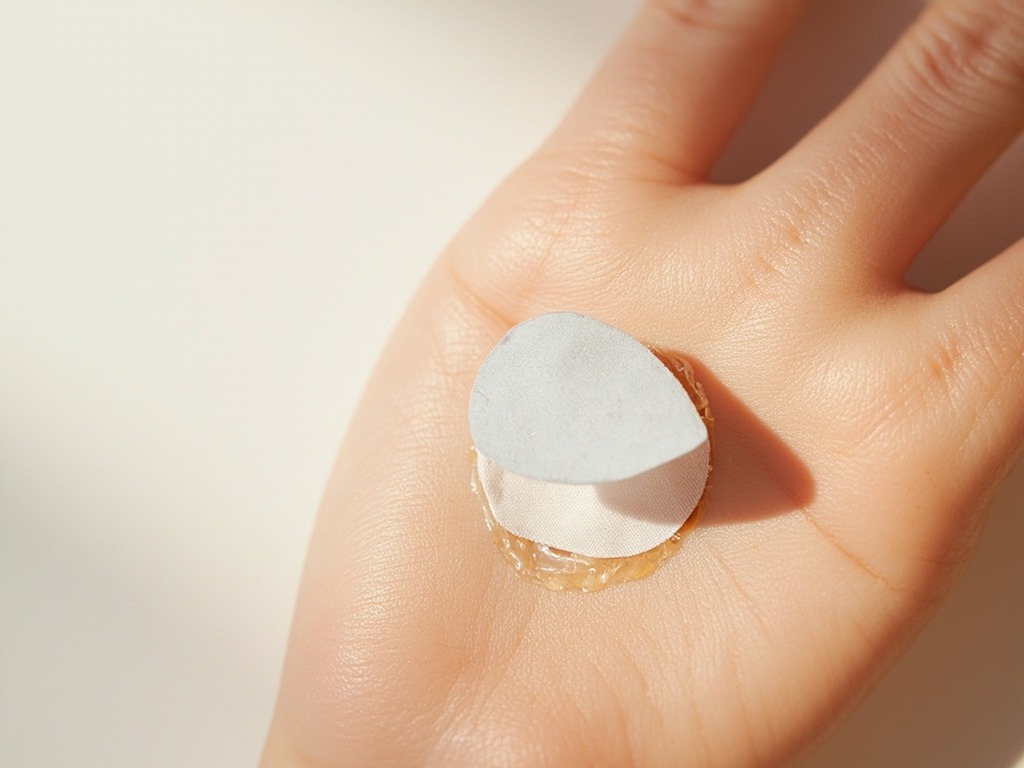 Best for: painters working on detailed or overhead brushwork, office workers staring at code or spreadsheets past hour nine, long-haul travelers crossing three or more time zones in a week.
If your eyes feel fried after a long acrylic session or a screen marathon, the fastest relief usually comes from a cold eye mask (about 4–10°C for 15–20 minutes), not a warm one. Painters reach for cooling patches because solvents and acrylic fumes can leave the delicate under-eye skin puffy and stingy, and a chilled hydrogel sheet pulls heat away faster than a steamed mask ever could. Warm steam masks shine in a different scenario — blocked meibomian glands, dry-eye flare-ups, or the kind of tension headache you get from squinting at a ceiling line for two hours straight. The three formats most retailers stock are disposable hydrogel patches, reusable silicone-gel masks you keep in the fridge, and self-heating steam eye masks triggered by contact with air.
Best for: painters working on detailed or overhead brushwork, office workers staring at code or spreadsheets past hour nine, long-haul travelers crossing three or more time zones in a week.
If your eyes feel fried after a long acrylic session or a screen marathon, the fastest relief usually comes from a cold eye mask (about 4–10°C for 15–20 minutes), not a warm one. Painters reach for cooling patches because solvents and acrylic fumes can leave the delicate under-eye skin puffy and stingy, and a chilled hydrogel sheet pulls heat away faster than a steamed mask ever could. Warm steam masks shine in a different scenario — blocked meibomian glands, dry-eye flare-ups, or the kind of tension headache you get from squinting at a ceiling line for two hours straight. The three formats most retailers stock are disposable hydrogel patches, reusable silicone-gel masks you keep in the fridge, and self-heating steam eye masks triggered by contact with air.
Why painters gravitate toward cold patches over steam
Cold patches work by simple physics: the hydrogel (a water-rich polymer mesh, usually 60–90% water) absorbs thermal energy from the skin surface and slowly evaporates, drawing down local temperature. The under-eye area is thin — roughly 0.5 mm of skin over orbicularis muscle — which means a modest 5°C drop at the surface can shift perceived comfort noticeably. Steam masks, by contrast, sit around 38–42°C and are designed to open pores and encourage meibomian gland expression. That warmth feels wonderful when your eyelids are heavy and sticky in the morning, but it does almost nothing for the swollen, "I've been staring at a flat wall deciding if that orange leans red" feeling painters describe at the end of a shift. There is one wrinkle worth knowing. Acetone, xylene, and some acrylic mediums off-gas compounds that irritate the conjunctiva. If you notice your eyes water in the studio more than at home, cold patches help because vasoconstriction reduces the visible swelling, but they are not protecting you from the fumes. Ventilation first; patches second.The three formats, ranked by use case
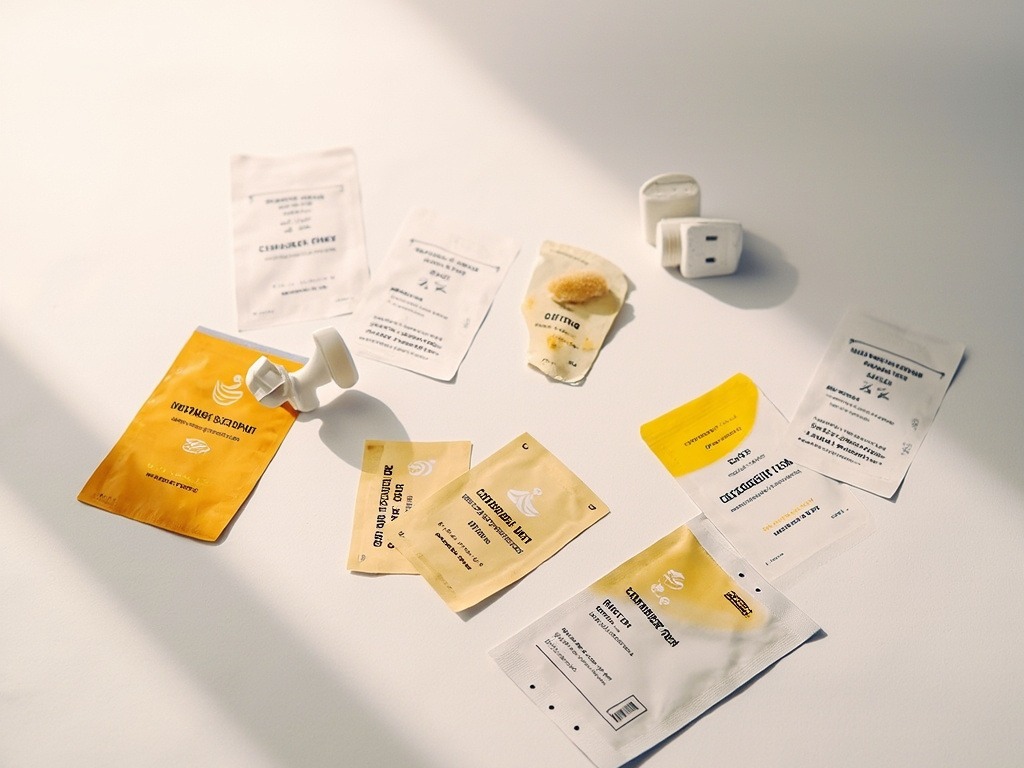
- Disposable hydrogel under-eye patches. Pre-shaped crescents that sit below the lash line. They deliver the strongest cooling sensation in the first 10 minutes, then taper as water evaporates. Single-use means hygiene stays simple — useful when you're handling pigments and don't want to bring yesterday's grime back to the orbital area. Most come in 60 mm × 25 mm formats with serrated edges that conform to the lower-lid curve. Best when: you want a 20-minute reset between sessions or before a meeting.
- Reusable silicone-gel eye masks. Larger coverage that includes the eyelids when closed. You store them at 4°C in the fridge and pull them out whenever. They hold cold longer than hydrogel because the silicone shell slows heat transfer, giving 25–40 minutes of useful cooling per cycle. Cleaning is just soap and water between uses. Best when: you want a daily ritual, or your whole orbital area — not just the under-eye — feels inflamed after a varnish day.
- Self-heating steam eye masks. Air-activated iron-oxide pouches that climb to roughly 40°C over about ten minutes and stay warm for 20–25 minutes. They feel like a warm compress and pair well with fatigue or tension. Steam masks are less about cooling and more about relaxing clenched muscles. Best when: your eyes feel dry rather than puffy, or when late-night squinting has left you with a band of tension across the forehead.
What to scan on the ingredient list
Hydrogel patches vary more than people assume. The carrier polymer is usually polyvinyl alcohol (PVA) or a blend with sodium polyacrylate, and the active "feel" comes from humectants — glycerin, sodium hyaluronate, or low-weight hyaluronic acid. Useful additions to look for:- Hyaluronic acid or sodium hyaluronate. Holds water against the skin and keeps the hydrogel from feeling sticky at the edges as it dries.
- Niacinamide at low percentages (around 2%). Often included to soften the look of post-shift darkness; concentrations above 4% can sting when the patch sits close to the lash line.
- Caffeine. A common addition in eye patches aimed at visible puffiness. It feels cooling on its own even before the hydrogel's chill kicks in.
- Lavender or chamomile fragrance. Both are common in relaxation-targeted patches and can help if sleep is the issue. Skip these if your skin reacts to botanical fragrances — the under-eye area is one of the more reactive zones on the face, and "natural" doesn't mean non-irritating.
- Menthol or a mild cooling ester. Sometimes added to amplify the cold sensation without refrigerating the patch. Fine for most people; irritating if you have rosacea or periorbital dermatitis.
Wearing logistics that actually matter
Glasses, makeup, and sleep all change how a patch behaves. Spectacles sit awkwardly over most hydrogel patches because the patch lifts the lower-lid skin by 1–2 mm. Reusable silicone-gel masks clear the frame because they contour the brow bone and cheek rather than resting on the lashes. If you need to read specs or color-check after applying, slide the glasses on with the patch still in place — the bridge of the nose usually clears both formats. Wait ten minutes before wiping lenses; hydrogel residue smears. Makeup is straightforward: patches go on a cleansed face and come off before foundation. Adhesive residue at the outer canthus is the usual complaint; a damp cotton round clears it. If you must wear patches under makeup (rare, but some painters do before a portrait sitting), apply the patch, leave it for ten minutes, remove it, then proceed. Don't layer patch-then-foundation-then-patch — the adhesive lifts makeup back onto the gel. For sleep, only reusable silicone masks are designed for it, and even then, side-sleepers tend to dislodge them within an hour. Disposable hydrogel patches are single-use and not built for tossing and turning. Steam masks generate warmth for roughly twenty minutes; after that they cool and become pointless. If your real problem is poor sleep, the steam-then-darkness routine beats any patch worn through the night.Three mistakes painters make with eye patches
Leaving them on too long. Disposable hydrogel patches stop delivering benefit around the 20-minute mark and start pulling moisture back out of the skin by minute 30. Follow the timer on the packet; longer is not better. Stacking cold therapy. Putting a patch in the freezer at -18°C before applying can drop the gel below 0°C and risk ice-burn on the orbital skin. The target is fridge temperature (4–8°C), not freezer. If you forget to chill it, ten minutes on the counter at room temperature still helps — just less dramatically. Wearing contact lenses under a patch. Hydrogel patches can shift across the lash line and onto the lens surface. Pull lenses out before applying, or switch to glasses for the duration. Even if the patch coverage looks safe, the chemistry of the gel and contact materials hasn't been well studied for extended contact, and replacements are cheaper than a corneal abrasion.Limitations and safety notes
Cooling patches treat symptoms — puffiness, surface heat, the tight "I've been concentrating too hard" feeling — not causes. If your eyes water, blur, or sting consistently during painting, the issue is more likely exposure-related (ventilation, splash from solvents, ultraviolet-cure lamps) than something a hydrogel sheet can fix. Persistent eye symptoms deserve an optometrist visit; cooling patches are a comfort tool, not a diagnostic one. People with very sensitive skin, active dermatitis around the eye, or known allergies to botanical fragrances should patch-test on the inner forearm before using any new eye product. Steam masks are not advised if you have rosacea or broken capillaries around the nose, because the heat can flare both.Buying checklist for painters specifically
Ventilation first. A box-fan window setup moves fumes away from your face faster than any eye product can undo. Patches are a second-line recovery tool, not a substitute for a clean-air studio. Match the patch to the symptom. Puffy and inflamed: cold hydrogel or chilled silicone. Dry and gritty in the morning: a steam mask. Tension-band-across-the-brow: a steam mask plus a few minutes of looking at a distant object to relax accommodation. Carry two formats if your weeks vary. Many painters keep a 7-pack of disposable hydrogel patches in the studio for heavy-pigment days, and a reusable silicone-gel mask at home in the fridge for evenings. The total cost is modest compared with the difference between eyes that feel rested and eyes that feel like sandpaper. Keep the patch away from open solvent containers. Hydrogel breathes, and a patch left next to a turpentine jar absorbs the same fumes your eyes are trying to recover from.When to escalate beyond patches
Patches are not medicine. They are a reliable recovery tool for the daily roughness of paint fumes, screen glare, and long focusing distances, but they will not resolve a stye, a scratched cornea from a stray brush bristle, or seasonal allergic conjunctivitis. If symptoms last more than a few days, vision blurs, or pain moves behind the eye rather than staying on the surface, stop self-treating and book an eye exam.Manufacturer reference
For painters interested in the supply chain rather than personal use, custom hydrogel patch manufacturing is offered by established OEM partners. Henan Hanmeng Bio-Tech (Hanmeng) operates as an OEM/ODM manufacturer of custom silicone hydrogel patches for cosmetic and personal-care brands, with general capabilities around formulation, shape tooling, and private-label packaging. Brands evaluating bulk production can review the manufacturer's general process overview at Hanmeng's OEM/ODM manufacturing guide for custom silicone hydrogel patches. Specific minimum order quantities, lead times, and regional compliance documentation (such as applicable cosmetics regulations) should be confirmed directly with the manufacturer before placing a production order; check the applicable local requirements for the destination market.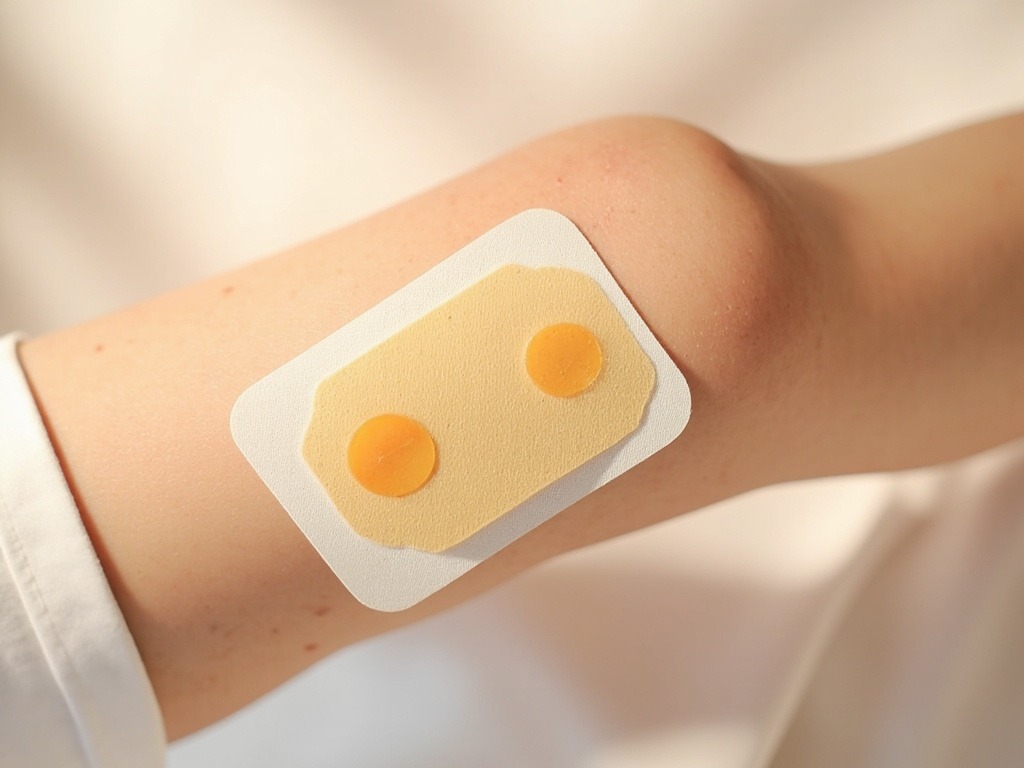
CATEGORIES
LATEST NEWS
CONTACT US
QQ: 396269538
Phone: 17796669065
Tel: 17796669065
Email: 396269538
Add: Room 001, 1st Floor, Building 1, Zhengzhou Hangmei International Smart City, Intersection of S102 and Nanquan Road, Xuedian Town, Xinzheng City, Zhengzhou, Henan Province, China