Industry news
Cooling Patches for Babies: When They Help and When to Skip Them
Industry news 2026-08-03 14:56:07 61 views admin
Best for: parents of newborns, caregivers of infants and toddlers, families caring for children under 10
Direct answer: cooling patches for babies may make a warm, uncomfortable child feel temporarily cooler, but they do not treat the cause of a fever and should not replace temperature checks or medical advice. For a baby younger than 3 months, a rectal temperature of 38°C (100.4°F) or higher requires prompt medical contact rather than relying on a forehead patch. For older babies and children, a patch can be considered as an optional comfort measure if the child is alert, drinking, breathing normally, and has no urgent warning signs.
Decide by age before opening the package
Age is the first boundary, not the temperature printed on a patch advertisement. A newborn with a fever needs a different response from a school-age child with the same thermometer reading. The younger the baby, the lower the threshold for obtaining professional advice.
| Child’s age | What a parent should do | Place of a cooling patch |
|---|---|---|
| Under 3 months | Contact a healthcare professional promptly for a rectal temperature of 38°C (100.4°F) or higher. Do not wait for a patch to change the reading. | Not a substitute for assessment. Medical guidance comes first. |
| 3–12 months | Consider the measured temperature, feeding, wet diapers, breathing, alertness, and advice from the child’s clinician. Seek help sooner if the child appears seriously unwell. | May be used for supervised comfort if the label permits the child’s age and the skin is intact. |
| 1–3 years | Watch the child, not only the number. Encourage fluids and ask for medical advice when symptoms are severe, unusual, worsening, or persistent. | An optional comfort product, not fever medicine. |
| 3 years and older | Use an appropriate thermometer and monitor behavior, hydration, breathing, pain, and the course of the illness. | Reasonable if the child likes the sensation and can wear it safely. |
For children from 3 to 12 months, there is no single temperature number that answers every question about urgency. A child who is difficult to wake, struggling to breathe, repeatedly vomiting, or producing far fewer wet diapers needs attention even if the measured temperature does not look dramatic.
From 1 to 3 years, children can often show more clearly whether they are uncomfortable, but supervision remains important. From age 3 onward, they may be able to say that a patch stings, itches, feels too cold, or is pulling at their skin. Listening to that complaint is more useful than insisting that the product remain on for its advertised wear time.
A cool forehead is not a lower core temperature
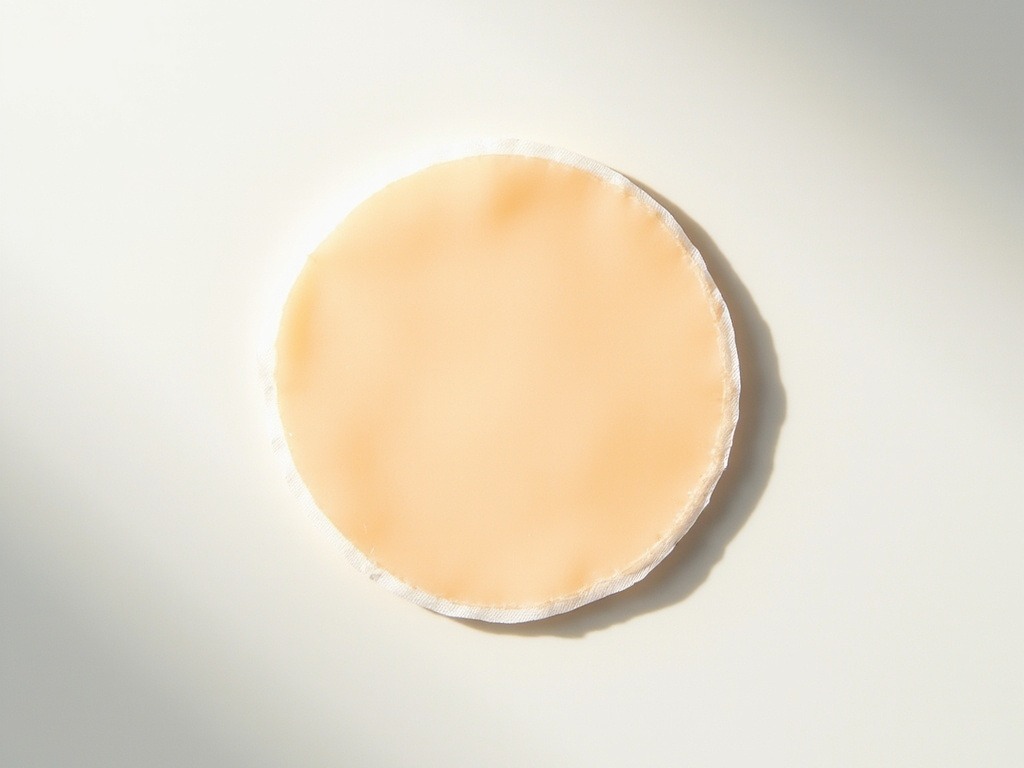
A hydrogel patch cools the skin through contact with a moist gel and evaporation. That can feel pleasant. It does not reliably show that the child’s internal temperature has fallen, and it does not remove the infection or other condition responsible for the fever.
The distinction matters because touching the forehead is a poor substitute for measuring temperature. Skin can feel cooler after a patch while the core temperature remains elevated. Conversely, a child may feel hot after running, crying, wearing heavy clothing, or sitting in a warm room without having a fever.
Use a suitable digital thermometer according to its instructions. The reading site matters: rectal, oral, ear, forehead, and underarm measurements are not interchangeable, and an underarm reading can differ from a rectal measurement. Record the number, time, and measurement site if you may need to speak with a clinician.
A patch also should not be described as “drawing out” fever. It does not pull heat, toxins, or illness through the skin. Its realistic role is narrower: short-term surface cooling that some children find soothing while a caregiver continues observation and follows appropriate medical advice.
The child’s condition outranks the thermometer
A temperature reading gives useful information, but behavior and body function provide context. A mildly feverish child who is making eye contact, drinking, urinating, and breathing comfortably presents a different picture from a child who is floppy, confused, or gasping.
Seek urgent medical help if a child has trouble breathing, blue or gray lips, a seizure, a stiff neck with marked illness, severe dehydration, unusual difficulty waking, confusion, a rapidly spreading rash, or a rash that does not fade when pressed. Emergency services are appropriate when symptoms appear life-threatening.
Call a healthcare professional promptly when a baby is under 3 months and reaches 38°C (100.4°F), when fever follows possible overheating, or when the caregiver is seriously concerned about a child’s appearance or behavior. Also ask for advice when fever persists or returns, because the appropriate timing depends on age, medical history, symptoms, and local guidance.
Children with immune-system problems, major chronic illness, recent surgery, or medicines that affect immunity may need an earlier assessment. Follow the child’s existing care plan if one has been provided. A cooling patch does not alter those boundaries.
Do not use apparent comfort after applying a patch as proof that the illness is minor. A child may enjoy the cool sensation and still require evaluation. The safe decision rule is simple: use a patch only after deciding that home observation is appropriate, never to make that decision.
How to choose a patch without overreading the label
Start with the stated age range. If the package excludes infants, lacks readable instructions, or does not identify its ingredients and responsible manufacturer or distributor, choose another product. “Family size” and “extra cooling” do not establish suitability for a baby.
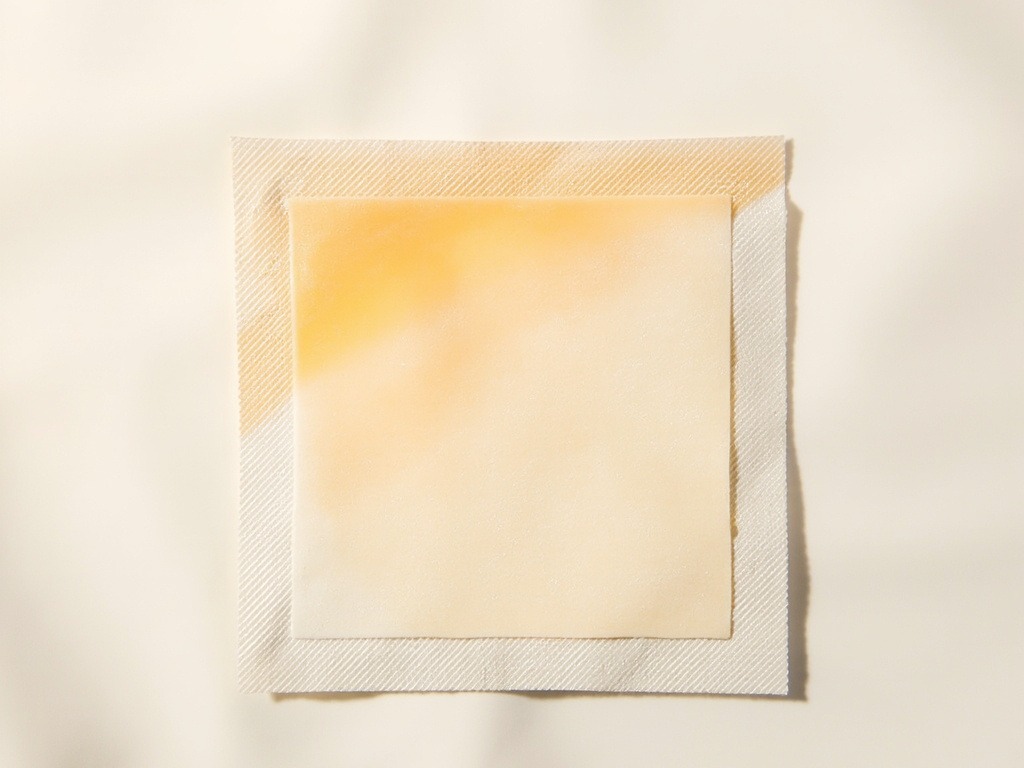
Check the gel and adhesive ingredients for substances the child has reacted to before. Many products use a water-rich hydrogel supported by a nonwoven fabric or polymer backing, but formulas vary. Fragrance, menthol, camphor, essential oils, dyes, and strong cooling agents can be irritating or inappropriate for young children, especially when the label does not explicitly allow infant use.
Size matters. A patch should fit the intended area without covering the eyes, eyebrows, nostrils, or mouth, and it should not hang loose where a baby could pull it off and place it in the mouth. A smaller child is not made safer by cutting an adult patch unless the instructions expressly permit cutting.
Wear-time claims describe a product’s intended use, not a target that must be reached. Remove the patch immediately if the skin becomes red, swollen, blistered, painful, unusually pale, or intensely itchy. Take it off as soon as the child resists, chews it, repeatedly pulls at it, or falls asleep in a situation where close monitoring will stop.
A useful consumer checklist is:
- Age: the label clearly includes the child’s age; “children” alone is not enough for a newborn.
- Ingredients: the gel composition and possible fragrance or cooling additives are disclosed.
- Fit: the patch stays away from eyes, mouth, nose, hairline, and damaged skin.
- Instructions: application, maximum wear time, storage, warnings, and disposal are readable.
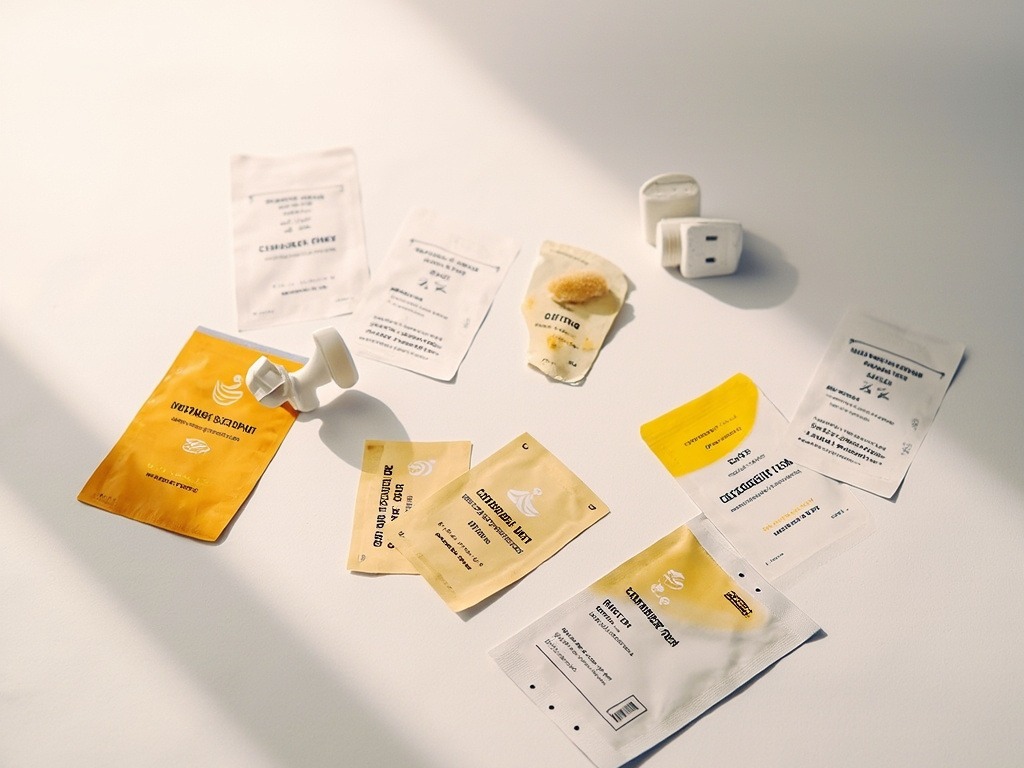
- Packaging: the sachet is sealed, undamaged, within its stated date, and has not dried out.
- Supervision: an adult can watch for skin irritation, detachment, mouthing, or worsening illness.
- Fallback: a thermometer and a plan for contacting medical care are available.
Cost should be judged per sealed patch, not by the largest box alone. Individually sealed pieces are easier to keep from drying out, while an opened multipack may lose moisture if its closure is poor. Do not buy extra-long wear claims at the expense of clear age guidance and ingredient disclosure.
Application that keeps comfort in perspective
Measure and record the child’s temperature first. If the result or the child’s condition meets a medical-contact threshold, make the call before spending time on a patch. This order prevents a soothing product from delaying a more important action.
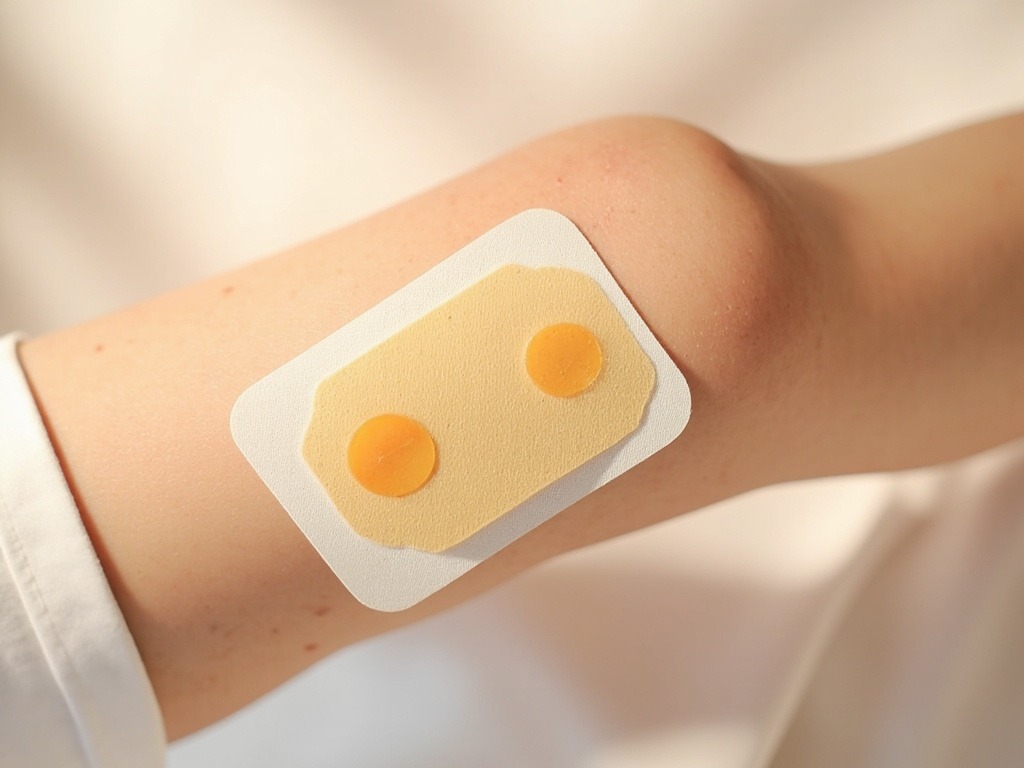
Apply the patch only to clean, dry, intact skin. The forehead is the common placement area, provided the product instructions allow it, but avoid cuts, eczema flares, sunburn, rashes, and skin recently covered with cream or oil. Do not place it over the underarm to influence a thermometer reading.
Wash and dry your hands, open one sachet, remove the protective film, and place the gel side as directed. Press lightly. Strong pressure or extra tape can damage delicate skin and may make removal painful.
Keep the patch away from the mouth and airway. Never place it over the nose, around the neck, beneath tight headwear, or where a baby can easily detach and chew it. Do not combine it with an ice pack, frozen gel pack, heating pad, or tight wrap unless a clinician has specifically instructed otherwise.
Recheck the child rather than repeatedly touching the patch. Observe breathing, responsiveness, fluid intake, urine output, skin color, and discomfort. If another temperature measurement is needed, follow the thermometer’s instructions and use a site appropriate for the child’s age.
Remove the patch slowly while supporting the skin. Discard it after use; a single-use patch should not be washed, refrigerated, and reapplied. Wash off any residue if the package advises doing so, then inspect the area for irritation.
Fever care that a patch cannot replace
Offer breast milk, formula, water, or other age-appropriate fluids according to the child’s normal feeding plan and professional advice. Infants should not be given plain water in place of breast milk or formula unless a healthcare professional recommends it. Watch for swallowing difficulty or repeated vomiting.
Dress the child comfortably rather than bundling them in heavy layers. The room should not be excessively hot, but aggressive chilling is not the goal. Cold baths, ice-water sponging, and alcohol rubs can cause distress or harm and should not be used as improvised fever treatments.
If fever medicine is being considered, use only a product and dose appropriate for the child’s age and weight, based on the label or advice from a healthcare professional. Do not estimate an infant’s dose from an adult tablet, alternate medicines without clear instructions, or use aspirin for a child unless specifically directed by a qualified clinician.
The aim is not to force every temperature back to a particular number. Fever is a sign, and the reason for it matters. Comfort, hydration, sleep, breathing, responsiveness, and the presence or absence of warning symptoms are more useful than chasing frequent thermometer changes after each intervention.
Make a brief record when a child is unwell: measured temperature, measurement site, time, fluids taken, wet diapers or urination, medicines and doses, and notable symptoms. That record can reduce confusion during a medical call, especially overnight.
Five-line safety box
1. Under 3 months plus a rectal temperature of 38°C (100.4°F) or higher: contact a healthcare professional promptly.
2. A cooling patch may improve comfort, but it cannot diagnose, cure, or reliably measure fever.
3. Never cover the eyes, nose, mouth, broken skin, or a place where the patch can become a choking risk.
4. Remove it for redness, swelling, pain, blistering, breathing difficulty, or strong resistance from the child.
5. Breathing trouble, seizure, severe dehydration, unusual drowsiness, confusion, or blue-gray color requires urgent help.
Limitations parents should know
Cooling patches do not provide a dependable measure of core temperature, and a cooler forehead does not confirm recovery. Their effect is local and temporary. Comfort varies: one child may relax, another may dislike the adhesive, smell, dampness, or pulling sensation.
Skin sensitivity is difficult to predict, especially in babies with eczema, adhesive reactions, or highly sensitive skin. A small area may still react. Stop use rather than moving the same patch to another site after irritation appears.
Product labels also differ by country and brand. Age limits, ingredients, instructions, and permitted claims are not universal, so check the applicable local requirements and the exact package in your hand. Online descriptions should not override the physical label supplied with the product.
No consumer cooling patch should be treated as a substitute for examination, testing, prescribed treatment, vaccination, hydration support, or an existing emergency plan. This information supports a caregiver’s decision; it does not diagnose the reason for a child’s fever.
A practical final decision
Choose the patch only when all three conditions are met: the child is outside an urgent medical boundary, the specific label permits use at that age, and an adult can supervise the entire application. If any condition fails, skip the patch and address the more important issue.
For a newborn, the answer often centers on prompt medical advice. For an older infant or child who is otherwise stable, a correctly labeled patch can be a comfort option alongside fluids, light clothing, temperature monitoring, and observation. If it does nothing useful after a short trial, remove it. There is no health benefit in making a distressed child tolerate an optional product.
Parents should evaluate retail products by age suitability, disclosed materials, fit, instructions, and skin tolerance rather than by dramatic cooling language. Organizations developing private-label patch products can review Hanmeng’s pharmaceutical patch OEM information for a general overview of manufacturing support; any infant-use claim, formulation target, wear-time target, or performance specification must be separately defined, tested, documented, and checked against applicable local requirements.
CATEGORIES
LATEST NEWS
CONTACT US
QQ: 396269538
Phone: 17796669065
Tel: 17796669065
Email: 396269538
Add: Room 001, 1st Floor, Building 1, Zhengzhou Hangmei International Smart City, Intersection of S102 and Nanquan Road, Xuedian Town, Xinzheng City, Zhengzhou, Henan Province, China