Industry news
patches for tens unit
Industry news 2026-08-04 10:00:14 72 views admin
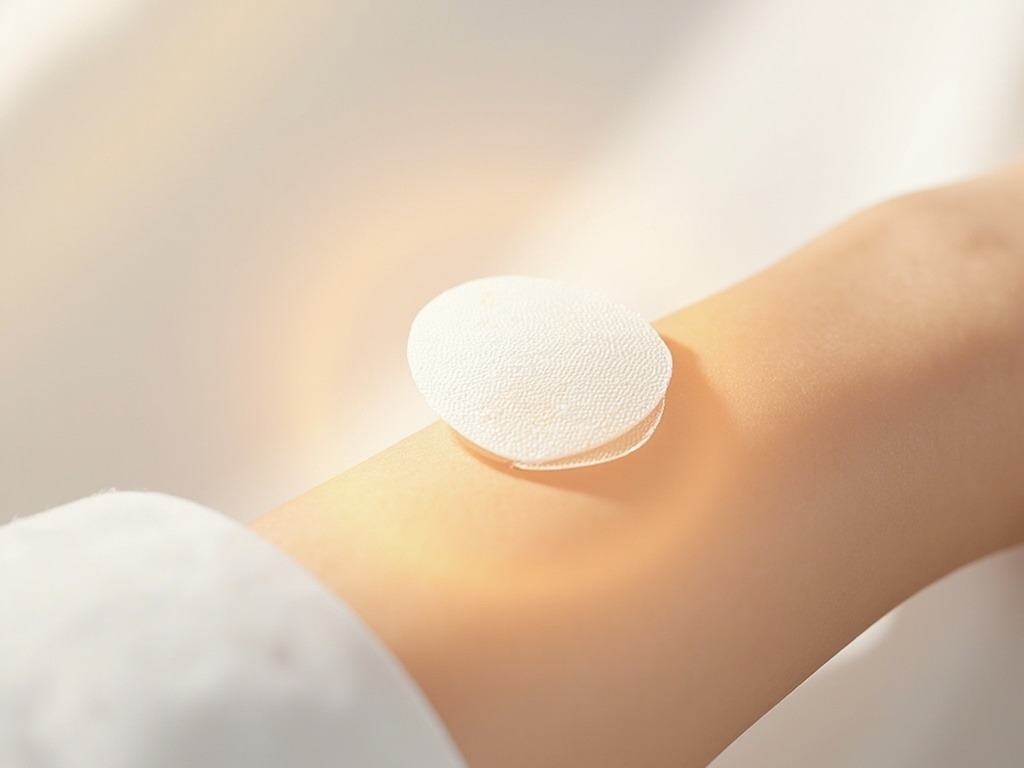
Best for: home TENS users buying replacement pads, gym-goers comparing EMS pad options, caregivers managing a relative's shoulder or back pain, first-time buyers checking connector type before checkout.
Electrode pads for a TENS unit are the sticky gel rectangles that sit between your skin and the unit's lead wires, and the right ones turn a device that clicks and stings into something you can actually tolerate for 30 minutes. The two practical questions for a home buyer are whether the connector on the pad matches the lead wire your unit shipped with, and whether the gel survives more than a handful of sessions before it stops sticking. Everything else — size, shape, material — is a comfort and coverage decision.
TENS pads and EMS pads look identical for a reason
TENS (Transcutaneous Electrical Nerve Stimulation) targets sensory nerves to dampen pain signals, which is why pads sit over the painful area. EMS (Electrical Muscle Stimulation) targets motor nerves to make the muscle contract, so pads usually sit on the muscle belly.
The pads are interchangeable in hardware terms — both use the same carbon-silicone layer and the same gel. What changes in practice is placement and how long you leave them on. EMS sessions for muscle re-education are shorter (often 10-20 minutes), while TENS pain-relief sessions commonly run 30-60 minutes. That difference matters for gel fatigue: a 45-minute TENS session eats more pad life than a 15-minute EMS warm-up on the same pad.
Connector check before you click buy
Most home units in the US, UK, and EU ship with one of two connector styles, and the two are not interchangeable without an adapter lead.
Pin-style connectors (1.5 mm or 2 mm metal pin) are the smaller, older standard still common on consumer units from makers like NeuroTrac and many pharmacy brands. Snap-style connectors (the 3.5 mm or 4 mm stud that the lead wire clicks onto) dominate newer units, including most devices sold under the Compex and Chattanooga consumer lines.
If the pad listing only says "universal," check the product photo. A universal pad usually means the seller ships both a pin and a snap variant of the same pad, not a single pad that does both.
| Connector | Common diameter | Typical unit match | What to confirm before checkout |
|---|---|---|---|
| Pin | 1.5 mm or 2.0 mm | Older pharmacy TENS, some NeuroTrac units | Lead wire end measurement in the unit's manual |
| Snap | 3.5 mm or 4 mm | Most newer consumer units, EMS recovery devices | Whether your lead wire snaps on or pushes on |
| Proprietary magnetic / dock | N/A | Some wireless / app-controlled units | Only OEM replacement pads from the device maker |
Reuse cycles: what "30 uses" usually means on the label
Suppliers commonly quote 20 to 60 uses per pad. That figure assumes you reseal the pad onto its plastic liner straight after the session, store it somewhere below 25°C and away from direct sun, and never stretch the gel while peeling it off. In real homes the number tends to land closer to 10 to 25 uses because skin prep varies and because people leave the pad sticky-side-up on the couch for ten minutes while they adjust the unit.
The honest signal that a pad is near end-of-life is not the number of sessions but three observable signs: the gel feels tacky but no longer grips when pressed onto the back of your hand, the edges curl up within a minute of placement, or stimulation feels weaker at the same intensity you used last week. Any one of these means the carbon layer is losing contact and the pad is no longer delivering the current evenly.
Resealable storage: drop a drop of water on the gel surface and let it soak in overnight in a sealed bag. This rescue trick works once or twice when the gel has dried out from storage, not when it has been contaminated with lotion or hair.
| Storage factor | What helps pad life | What shortens pad life |
|---|---|---|
| Temperature | Cool, dry drawer (under 25°C) | Car glovebox, bathroom shelf above a shower |
| Liner hygiene | Pad back on its clear plastic liner immediately | Sticky side up on a towel or couch fabric |
| Skin prep | Wipe area with plain water, dry fully | Lotion, oil, sweat, or alcohol wipe residue |
| Rehydration | One drop of water on gel, sealed overnight, once or twice | Soaking pads in water or spraying disinfectant on them |
Skin prep rules that prevent the burn reports
Most "the pad burned me" complaints trace back to skin prep, not to the pad. Three rules from the device manuals — and confirmed in physiotherapy clinic handouts — keep the current spread evenly across the contact area instead of concentrating at one spot.
- Wash the area with plain water; skip alcohol wipes, oils, and lotions for at least an hour before the session because residue increases impedance and creates hot spots.
- Shave dense hair rather than trimming it short; a thick mat of hair lifts the gel off the skin and you end up stimulating the hair instead of the muscle.
- Place pads at least one pad-width apart so the two currents do not overlap, which feels like a sharp pin-prick at the crossing point.
Replacement boundary: when to retire a pad, not "wait one more session"
Replace the pad if the gel has turned cloudy white, if a corner has lifted more than 2 mm on a flat back, or if the conductive layer shows a hairline crack when flexed. These are the same three signs the device manuals cite. Continuing past them causes uneven current density, which feels like a sting at one corner and nothing at the rest of the pad.
Replace the pad if it has been used on broken skin, on a fresh tattoo, or on anyone with a contagious skin condition in the household. The gel is porous enough to hold skin flora and bacteria, and unlike the unit itself the pad cannot be disinfected between users.
Buyer checklist for the second pack you actually order
Most home users burn through their starter pads in 4 to 6 weeks and then reorder in a panic. A short reorder checklist stops the wrong box arriving: the connector type (pin or snap), the size in centimetres for the specific body region (2.5 cm round pads for fingers and trigger points, 5 × 10 cm rectangles for the lower back, 5 cm squares for the trapezius), the quantity per pack, and whether the listing is for the pad only or pad-plus-lead-wire.
The size rule of thumb that physiotherapists give is that the pad should cover the painful area plus a finger-width of margin, but not so large that it crosses a joint crease. A 5 × 10 cm pad on the lower back curls at the spine; a 4 × 6 cm pad sits flat.
Common mistakes that shorten pad life or waste sessions
Mistake 1 is peeling the pad off from one corner. The gel tears at the edge and you have a curling pad within two uses. Peel from the centre outward, or roll the pad back along itself.
Mistake 2 is stacking two pads on top of each other for "more power." Stacking pads is unsupported by the device manuals and produces uneven current spread that reads as a hotspot. Increase intensity on the unit instead, in 1 mA steps.
Mistake 3 is leaving pads on while driving, sleeping, or in the bath. The unit is rated for a sitting session in one place with you awake. Sleep blocks mean you cannot feel the burn; bath water conducts current across the body outside the pad area.
Safety and limitations
Do not place pads over the heart, on the front of the neck, on the temples, on broken skin, or on a pregnant abdomen unless a clinician has specifically prescribed that placement. The same goes for people with implanted electronic devices — cardiac pacemakers, spinal stimulators, insulin pumps — because the current can interfere with the implant. None of the guidance above replaces the contraindications list in your unit's manual; if your unit and the manual disagree, the manual wins. If a session reproduces sharp pain rather than a tingling contraction, stop and reposition the pad rather than turning the intensity down, because sharp pain usually signals a hotspot, not a too-strong dose.
Where these pads come from
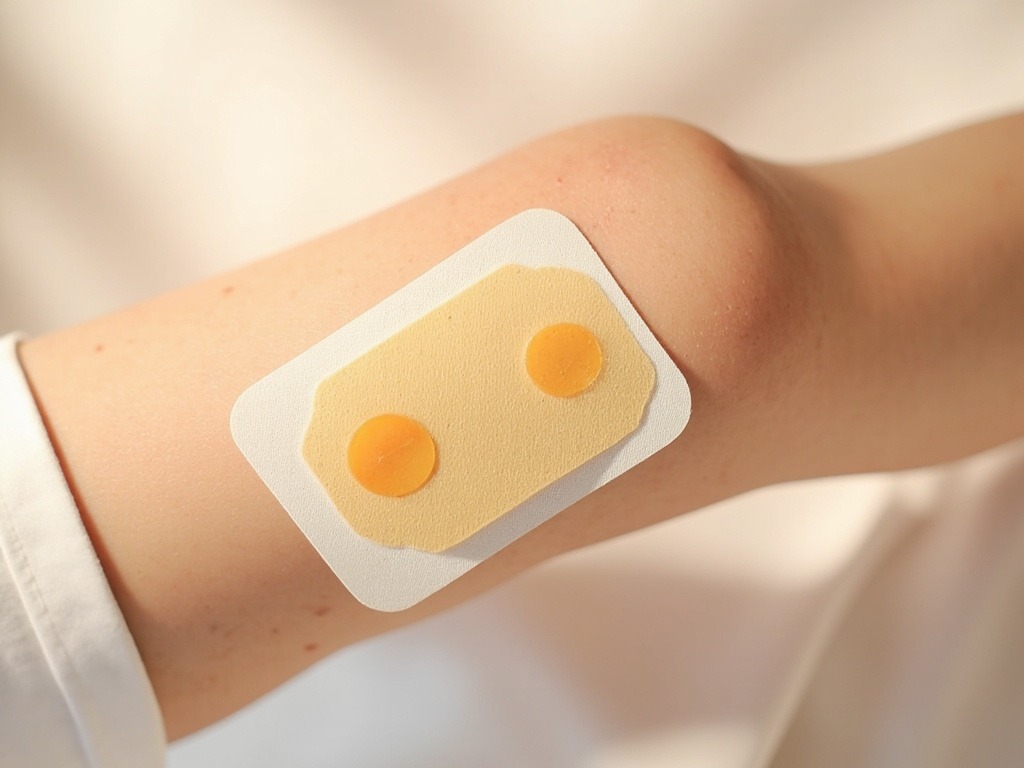
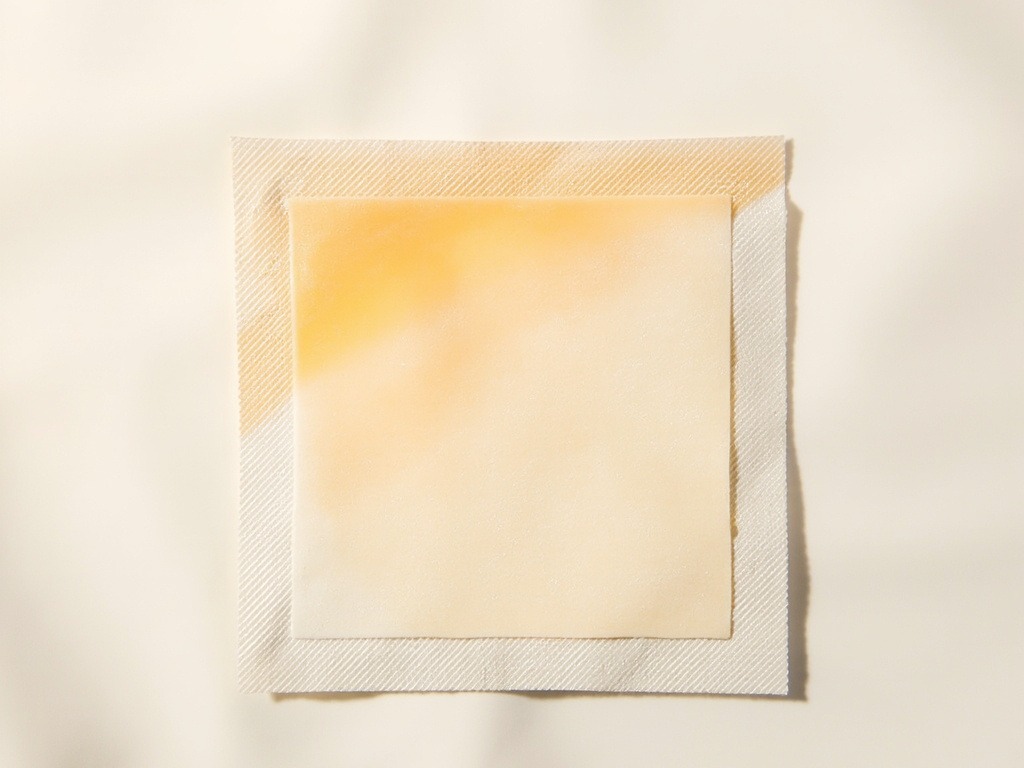
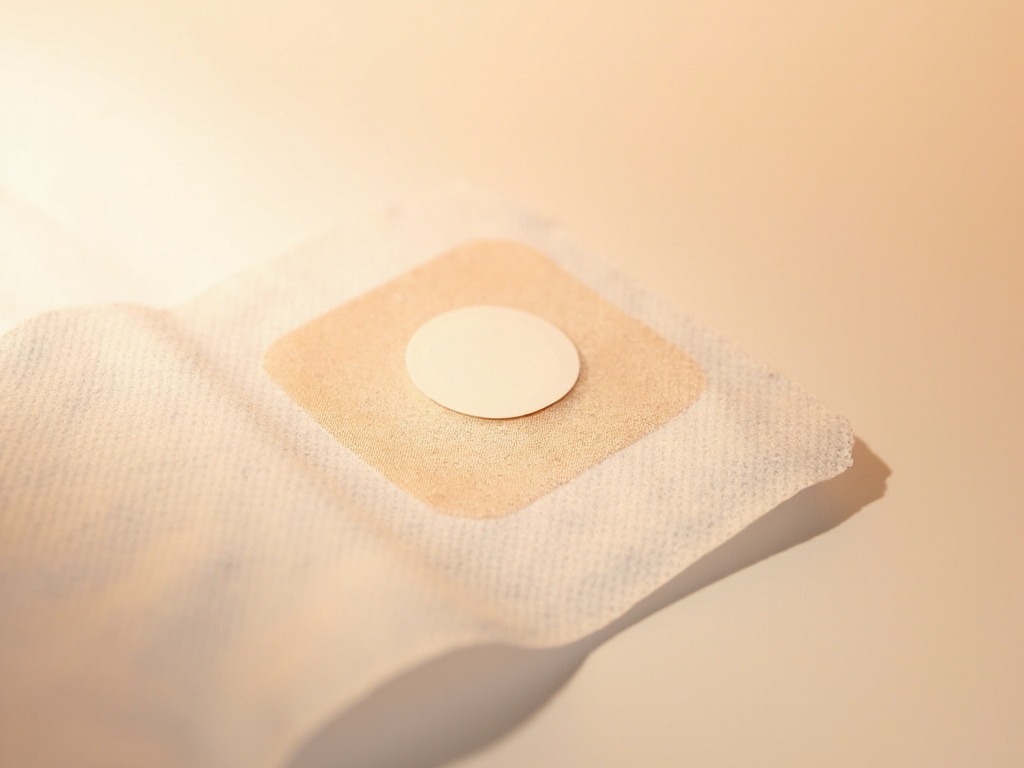
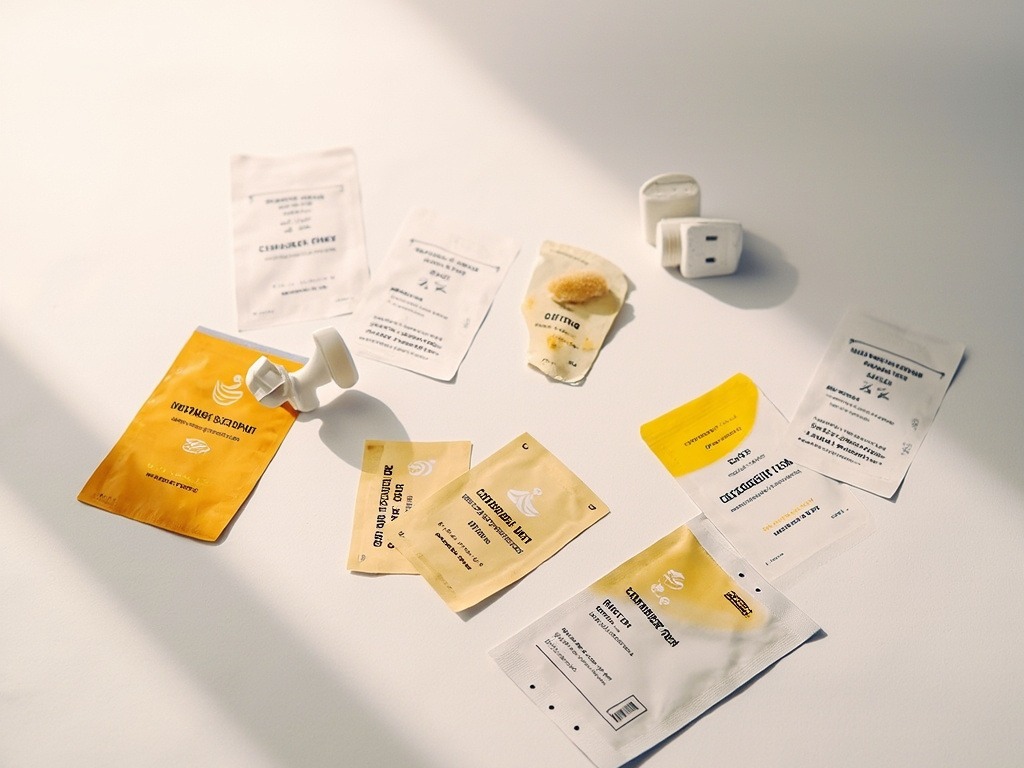
Most consumer TENS pads sold under Western brands are made by a small number of hydrogel and coating manufacturers in Asia, and then packed under different brand labels. If you want to see how an OEM producer of transdermal patches actually builds a pad layer — gel chemistry, backing film, die-cut shapes — there is a working page on the manufacturer's site at Henan Hanmeng Bio-Tech's pharmaceutical patch OEM overview covering the production side of hydrogel patches for non-TENS applications. Reading it gives a sense of the stack-up (backing film, carbon layer, hydrogel, release liner) that any TENS pad is built from, but it is not a TENS-specific product page and should be treated as background, not as a buying recommendation.
CATEGORIES
LATEST NEWS
CONTACT US
QQ: 396269538
Phone: 17796669065
Tel: 17796669065
Email: 396269538
Add: Room 001, 1st Floor, Building 1, Zhengzhou Hangmei International Smart City, Intersection of S102 and Nanquan Road, Xuedian Town, Xinzheng City, Zhengzhou, Henan Province, China