Industry news
How to Choose a pimple patch for cystic acne
Industry news 2026-08-04 10:30:14 71 views admin
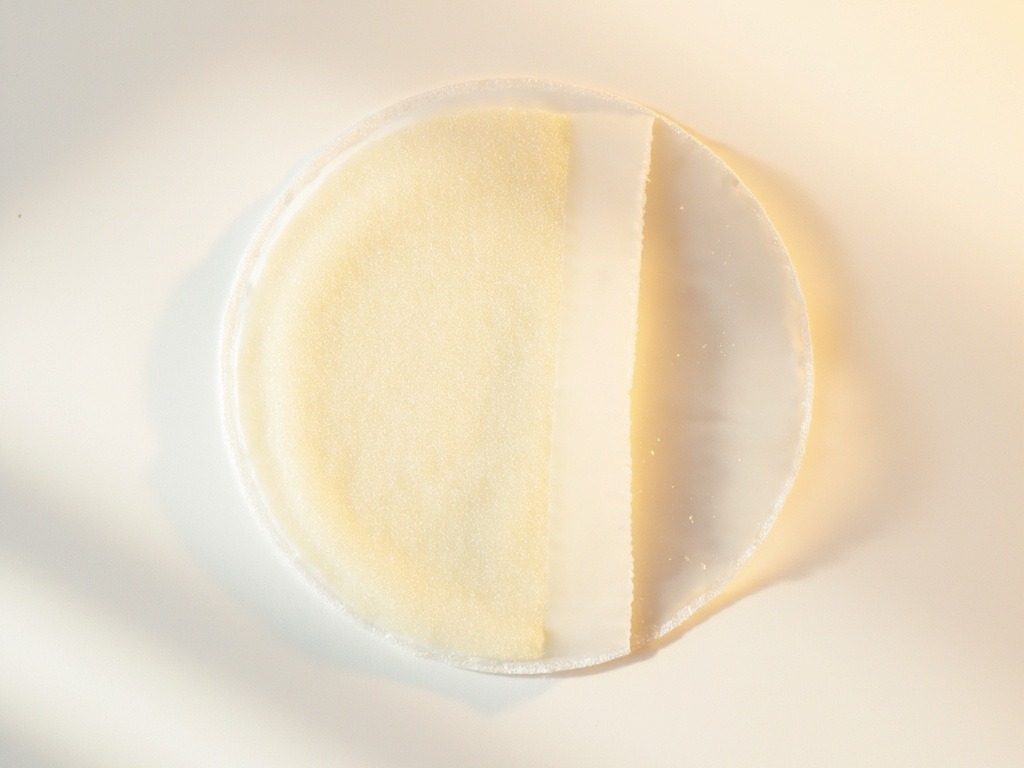
Best for: teens with painful breakouts, adults comparing spot patches, shoppers choosing hydrocolloid, microneedle, or medicated patches
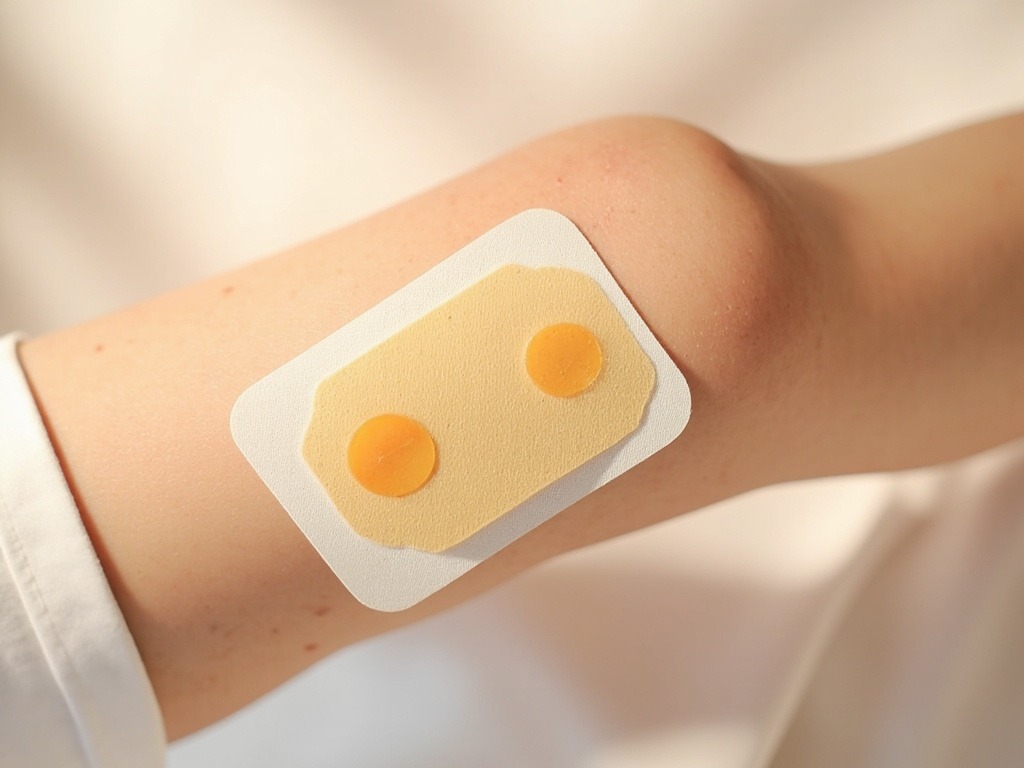
For a deep, tender lump under the skin, a pimple patch is best treated as a protective aid, not a guaranteed fix. A regular hydrocolloid patch can cover a raised spot and reduce touching, while a microneedle patch is designed for a closed target and a medicated patch may add an ingredient such as salicylic acid. None of these formats can promise to flatten every cystic-looking breakout. If the area is spreading, very painful, repeatedly returning, or leaving scars, a dermatologist is the safer next step.
Start with the spot, not the packet
The name on the box matters less than the condition of the skin underneath it. Look at the surface in good light before choosing a patch. A white or yellow centre, a small amount of surface fluid, or a freshly opened spot calls for a different approach from a firm bump that has no visible opening.
| Patch format | Best match | What it can reasonably do | Where it may disappoint |
|---|---|---|---|
| Hydrocolloid | Surface-level spot with fluid or a small opening | Forms a moist cover, absorbs some surface exudate, and creates a barrier against fingers and friction | A deep, closed cyst may have little fluid for it to absorb |
| Microneedle | Closed, localised bump with intact skin | Uses tiny dissolving or solid projections, depending on the product, to place its ingredients at the patch site | May sting, irritate, or fail to suit broken skin; performance depends on the actual design and formula |
| Medicated patch | Small inflamed or blocked spot when the listed ingredient suits your skin | Adds a topical active such as salicylic acid to the covered area | Can cause dryness or irritation, especially beside other strong acne products |
That comparison gives a practical first rule: choose hydrocolloid for a wet or opened surface, consider microneedle for an intact and localised bump, and inspect the active ingredients before buying a medicated patch. For a deep lump with no surface opening, a patch may mainly stop picking rather than reach the source of the swelling.
What each format feels like in real use
Hydrocolloid: the simple cover
Hydrocolloid is a moisture-absorbing material used in wound-cover products. On a pimple patch, the layer contacts the skin and may turn cloudy or swollen as it takes up fluid. That visible change can be useful: it tells you the patch has collected moisture from the surface. It does not prove that a deep lesion has been treated.
Hydrocolloid often suits a spot that has come to a head, a blemish that has been gently cleansed after opening, or a place you keep touching without noticing. It can also reduce rubbing from a mask or pillow. Apply it to clean, fully dry skin. Cream, sunscreen, facial oil, and water under the adhesive can shorten wear time.
Microneedle: for an intact target
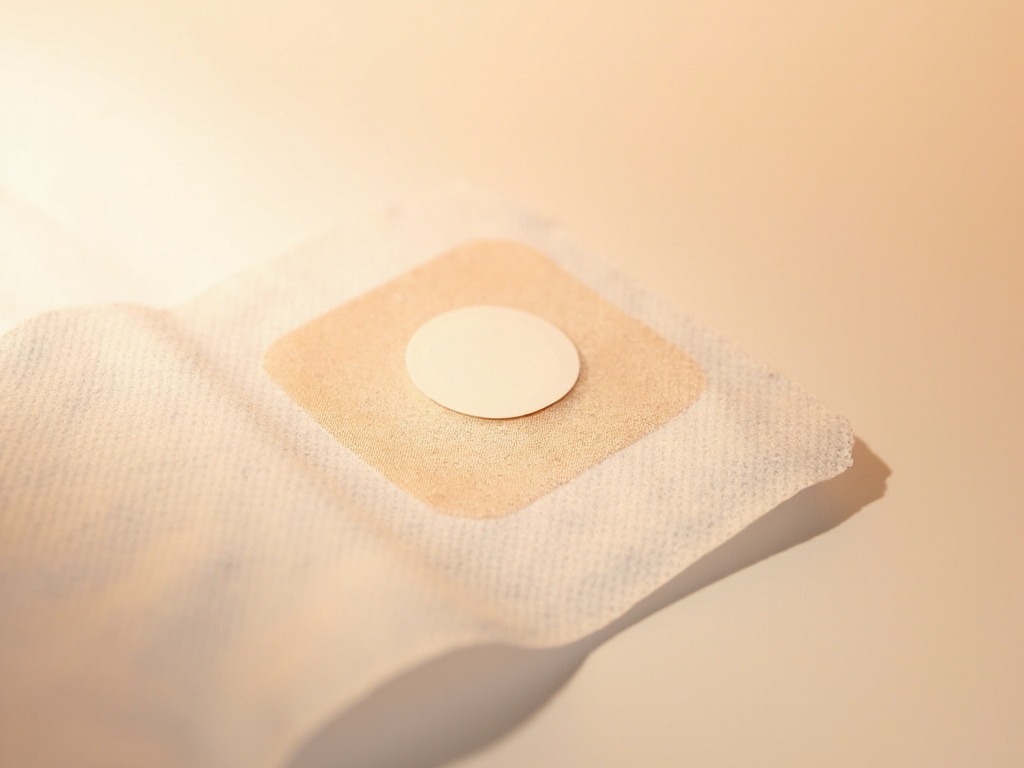
Microneedle patches look flat from a distance, but their contact side contains very small projections or points. Product designs differ. Some use dissolving structures; others use a different microprojection approach. Read the package instructions instead of assuming every “micro” patch works in the same way.
They are generally a poor choice for a scratched, bleeding, crusted, or actively draining area. Do not press hard enough to create pain. A mild prickling sensation may occur, but burning, marked redness, swelling, or persistent discomfort is a reason to remove the patch and wash the area.
Medicated: check the active before the promise
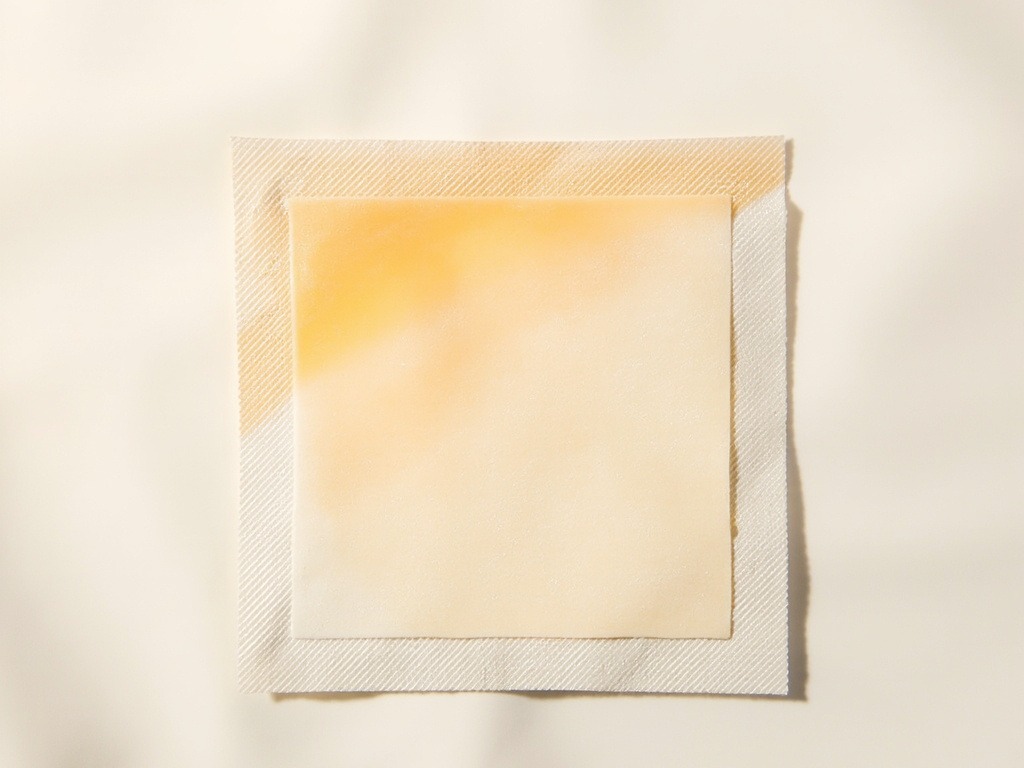
Medicated patches can contain salicylic acid, which helps loosen dead skin cells on the skin surface. The amount, pH, patch material, and contact time all affect how the product feels. A higher percentage is not automatically a better choice for one painful spot, particularly if your routine already includes an exfoliating cleanser, retinoid, benzoyl peroxide, or another drying product.
Some products also use ingredients such as tea tree oil or other botanical components. “Natural” does not mean irritation-free. Fragrance and essential oils can be uncomfortable on already inflamed skin, so a short ingredient scan is worth the extra few seconds.
A wearing schedule that avoids overdoing it
Follow the label first. If the product gives no clear timing, a cautious starting point is one application during a period when the patch can remain undisturbed, often overnight, followed by removal and a skin check. A hydrocolloid patch that has turned opaque or lifted at the edges is ready to replace. Leaving a loose, wet patch on the skin adds little.
Do not keep applying a medicated patch simply because the bump is still present. Remove it, inspect the skin, and pause if the area is raw, unusually dry, itchy, or more red than before. A deep breakout may remain raised after the surface looks calmer. Replacing the patch repeatedly cannot guarantee a faster result.
Wash your hands before removal. Peel slowly rather than ripping the adhesive upward. If it sticks, dampen the edge with clean water and ease it away. After removal, cleanse gently and let the skin settle before applying another product. Avoid squeezing the spot to “help” the patch work; pressure can increase irritation and make marks more likely.
Read the ingredient panel in this order
Start with the active ingredient, if there is one. Then check the adhesive and the rest of the formula for ingredients you already know your skin dislikes. A patch is still a skin-contact product, even if it is small.
For salicylic acid, look for the stated concentration and directions for use. If the label does not state the concentration, do not guess it from marketing language. If you are already using salicylic acid elsewhere, avoid stacking several applications on the same area during the same routine until you know how your skin responds.
For hydrocolloid, check whether the product is plain or combined with an active. A “day” patch may be thinner and less visible, while a thicker patch may absorb more surface moisture. Neither description tells you how it will behave on a deep cyst.
For microneedle products, check the instructions for intact skin, contact time, and disposal. A microprojection patch is not interchangeable with a flat hydrocolloid sticker. The contact surface, needle material, active ingredients, and manufacturing design can vary from one product to another.
Adhesive comfort matters too. If the patch leaves a sharp outline, intense itching, or a rash beyond the covered area, stop using it. Those signs point to a skin reaction rather than a useful “working” sensation.
Four mistakes that make patches less useful
- Using a flat patch on every deep lump. A closed cystic lesion may not release surface fluid, so hydrocolloid has less to absorb. The patch can still discourage touching, but that is a narrower benefit than treating the underlying inflammation.
- Putting the patch over wet skincare. Moisturiser, oil, sweat, and cleanser residue can interfere with adhesion. Cleanse, dry the skin completely, then apply the patch without stretching it.
- Combining several strong actives under one cover. A medicated patch plus a leave-on exfoliant, retinoid, or peroxide product can leave the area very dry or irritated. Use one active plan at a time unless a clinician has told you otherwise.
- Picking after removal. A cloudy patch is not an invitation to press the spot. Touching and squeezing can damage the surrounding skin and prolong visible redness or discoloration.
There is also a quieter mistake: judging a patch only by how invisible it looks. A clear daytime patch may be comfortable and discreet, but comfort, clean removal, and a suitable match for the spot matter more than a perfect edge.
Limitations, skin safety, and when to stop
A pimple patch cannot confirm whether a lump is cystic acne, an ingrown hair, an infected lesion, or another skin problem. It also cannot guarantee that a blemish will heal without a mark. Product claims should be read as directions for that specific patch, not as a promise about every type of acne.
Stop using the patch if you develop intense burning, hives, facial swelling, blistering, or rapidly worsening redness. Seek urgent medical help for facial swelling that affects breathing or swallowing. For a painful, deep, recurring breakout, widespread acne, or scarring, arrange professional medical advice rather than cycling through stronger patches.
Keep patches away from the eyes and mouth. Use extra care on sensitive skin, freshly shaved skin, eczema-prone areas, or any place with a cut. If you are pregnant, breastfeeding, taking prescription acne medicine, or shopping for a child, ask a pharmacist or clinician about ingredients that may not suit your situation.
A quick purchase decision
Use this four-question check before you add a box to your cart:
- Is the spot open or producing surface fluid? If yes, start by comparing plain hydrocolloid options.
- Is the skin intact and the bump small, localised, and closed? If yes, a microneedle patch may be worth considering, provided its instructions fit your skin.
- Do you want an active such as salicylic acid? If yes, check its concentration, contact time, and overlap with the rest of your routine.
- Is the lesion deep, severe, recurring, or leaving scars? If yes, do not make the patch your only plan.
The useful boundary is simple: a patch is a surface product with a limited job. Pick the format that matches the spot, wear it for the stated time, and stop if your skin objects. For consumers who also want to compare private-label or OEM options, Hanmeng provides a manufacturer reference for pimple-patch products here: Hanmeng OEM pimple patch information.
CATEGORIES
LATEST NEWS
CONTACT US
QQ: 396269538
Phone: 17796669065
Tel: 17796669065
Email: 396269538
Add: Room 001, 1st Floor, Building 1, Zhengzhou Hangmei International Smart City, Intersection of S102 and Nanquan Road, Xuedian Town, Xinzheng City, Zhengzhou, Henan Province, China