Industry news
pain patches for chronic pain
Industry news 2026-08-05 09:00:41 60 views admin
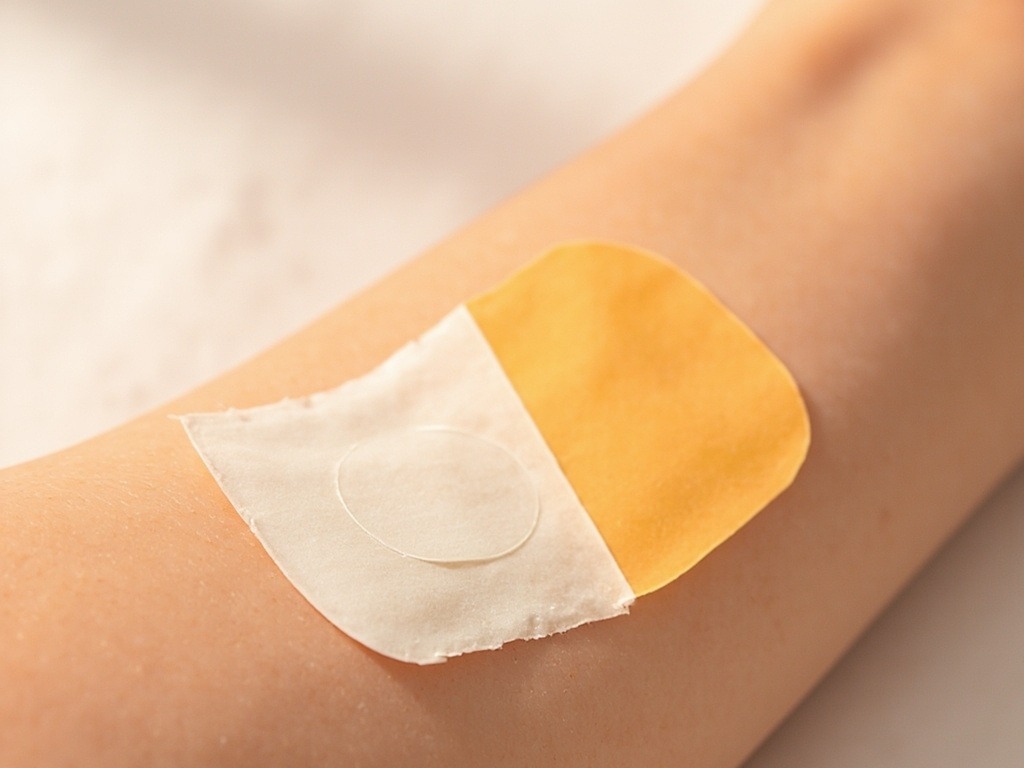
Pain patches for chronic pain are adhesive, skin-applied products that deliver an active ingredient — most often a counterirritant such as menthol (often labelled at 5–16% concentration), methyl salicylate, capsaicin (commonly 0.025–0.075%), or a nonsteroidal anti-inflammatory such as diclofenac (1% or 1.16%) — through the epidermis and into the underlying tissue where nociceptors register discomfort. For an adult shopper comparing patch options for the neck, shoulder, lower back, or knee, the differences that actually matter day-to-day are wear time (commonly 4–12 hours per application), how well the patch conforms to a curved body area, and whether the active ingredient matches the suspected pain mechanism rather than the location alone. Where you stick the patch matters less than which pain pathway it interrupts.
Best for: adults with localised musculoskeletal discomfort in the neck, shoulder, lower back, or knee, shift workers who need a 10–12 hour wear window, and shoppers who want a non-oral option before considering systemic medication
Why a patch can interrupt chronic pain at the skin
Chronic musculoskeletal pain is rarely one event. It is the sum of several overlapping signals arriving at the spinal cord and brain, and most over-the-counter patches target only one or two of those signals at a time.
Counterirritant gating. Menthol, camphor, methyl salicylate, and eucalyptus oil activate TRPM8 or TRPV1 cold/warm receptors in the epidermis. The resulting sensation competes with deeper nociceptive traffic — a mechanism sometimes called the "gate control" effect. Lighter formulations (menthol 5–8%) suit the neck and shoulder; higher-strength counterirritants should be reserved for thicker-skinned regions such as the lower back.
Local anti-inflammatory. Diclofenac patches deliver 1% or 1.16% NSAID across the stratum corneum, where it reaches peri-articular soft tissue. Tissue exposure is local; systemic absorption is markedly lower than oral diclofenac, which is why some guidelines prefer the patch form for older adults and others with digestive sensitivity. Anyone taking oral NSAIDs in parallel should still check with a pharmacist or prescriber.
Depletion of substance P. Capsaicin patches and creams exhaust substance P from local nerve terminals over hours to days. The first applications can sting — a normal pharmacological response, not an allergic reaction — and consistent use for 2–4 weeks is usually required before the desensitisation translates into noticeable relief.
Matching the body area to the patch geometry
A patch that does not stay in place, or that sits on top of the painful spot without flexing, fails regardless of the active. Geometry matters as much as chemistry.
The table below maps common pain locations to patch features that matter at that site. It is a geometry checklist, not a brand ranking.
| Body area | Patch features that fit | What usually goes wrong |
|---|---|---|
| Neck (cervical paraspinals, trapezius) | Small 7×10 cm rectangle; thin fabric backing; low-residue adhesive for hairline adhesion | Large patches that bridge the spine and pin the head forward |
| Shoulder (deltoid, supraspinatus) | Stretch knit or non-woven that stretches across the deltoid during reaching | Rigid occlusive backing that lifts at the edges on first arm raise |
| Lower back (lumbar paraspinals, SI joint) | 10×14 cm or larger; conformable backing; menthol or methyl salicylate at 10–16% tolerated by thick skin | Patches narrower than 7 cm missing the offending muscle band |
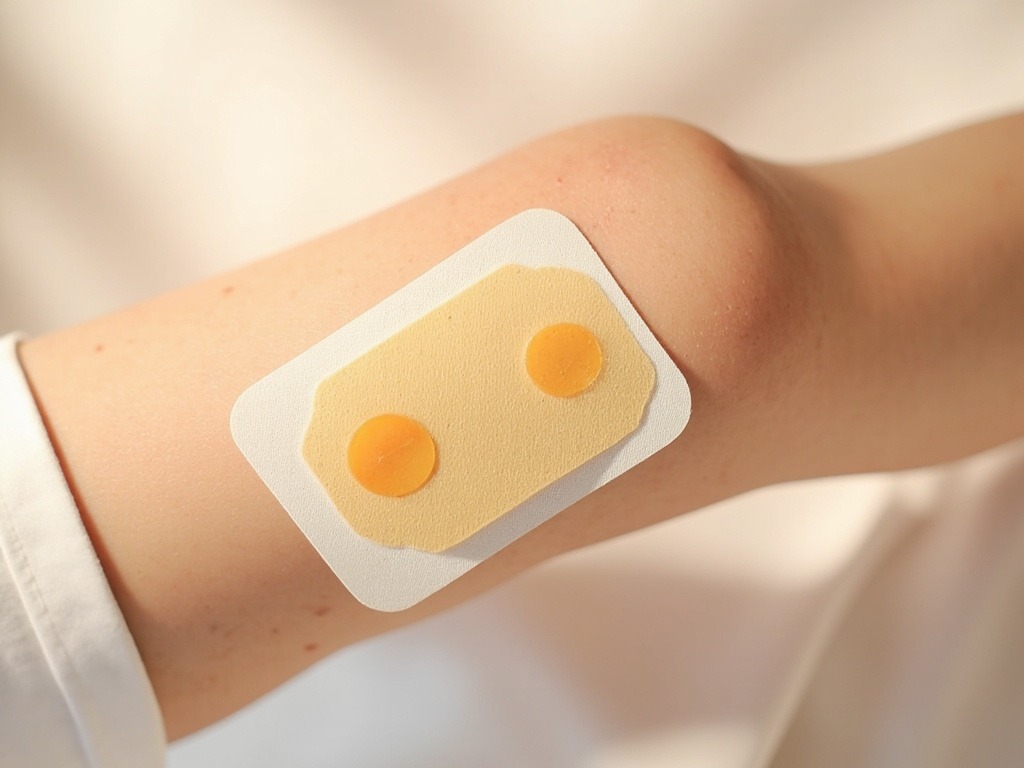
| Knee (peri-patellar, medial joint line) | Pre-cut shape that wraps without bunching behind the popliteal fossa | Square patches whose corners dig in during flexion |
One rule the marketing copy tends to skip
The active ingredient should follow the pain mechanism, not the body part label on the box. A single hot, focal trigger point near the medial scapula often responds better to capsaicin than to diclofenac, while a dull, exercise-related ache across the lower back usually responds better to diclofenac or a counterirritant than to capsaicin. Re-evaluate every two weeks: if the first mechanism gives no measurable change after 14 days of correct use, switching mechanism is a more productive next step than doubling up patches on the same spot.
Application technique that changes the outcome
- Clean the skin with mild soap and water; avoid oils, lotions, and alcohol-based sanitiser on the application site, since residue impairs adhesion and alters absorption.
- Trim dense body hair close to the skin with clippers — do not shave within 24 hours, as micro-cuts burn under menthol and capsaicin.
- Press the patch flat for 10–15 seconds with the palm of the hand; warmth from the hand improves initial contact.
- Rotate sites by at least 5 cm between applications to keep the epidermis intact.
- Do not stack patches, occlude them under heating pads, or combine two menthol 16% patches unless a clinician has instructed you to — the cooling or warming load can irritate the skin without proportionally increasing relief.
- Keep the patch away from the spine midline if you have sensory changes in the dermatome, and off any area with broken skin, moles, or eczema.
Safety, interactions, and when to stop
Most consumer patches are well tolerated. The reported adverse events cluster around skin reactions: erythema, itching, mild burning, and contact dermatitis — most often caused by the adhesive matrix rather than the active. Heat occlusion (electric blanket, hot water bottle, heated seat) accelerates drug release and can produce skin damage even at normal doses; avoid it. Do not apply patches over compromised skin, recent sunburn, or areas where sensation is reduced by neuropathy, because you cannot rely on discomfort to limit exposure.
Diclofenac patches warrant extra caution. They are not appropriate in the third trimester of pregnancy, after coronary artery bypass graft surgery, or alongside other NSAIDs without medical input. The NHS and information leaflets for diclofenac-containing medicinal patches publish the full contraindication list — read the leaflet for the specific product before first use. For over-the-counter counterirritant products, the cosmetic regulation in the EU (Regulation (EC) No 1223/2009) governs labelling for menthol and methyl salicylate concentrations; for medicinal patches that make a therapeutic claim, the framework shifts to medicines regulation, and the specific national authority in your region decides approval. Always verify the registration status of any patch marketed for pain relief rather than assuming it.
Stop use and consult a clinician if any of the following appear: a rash that spreads beyond the patch margin, blistering, breathing difficulty, swelling of the face or tongue, sharp pain rather than a warm-cool sensation under the patch, or pain that intensifies rather than eases over a week of correct use. Pain that wakes you nightly, comes with numbness, follows trauma, or pairs with unexplained weight loss is a referral signal regardless of what the patch is doing — patches are for comfort, not diagnosis.
How to compare two patches that look similar
When the front of the pack is identical across two SKUs, read the back. Five numbers are worth comparing before price:
- Active ingredient and percentage — e.g. menthol 7% versus menthol 16%, diclofenac 1% versus 1.16%.
- Single-patch surface area, because the price per patch hides the price per square centimetre.
- Stated wear time, since 8 hours and 12 hours at the same price point change the daily cost by a third.
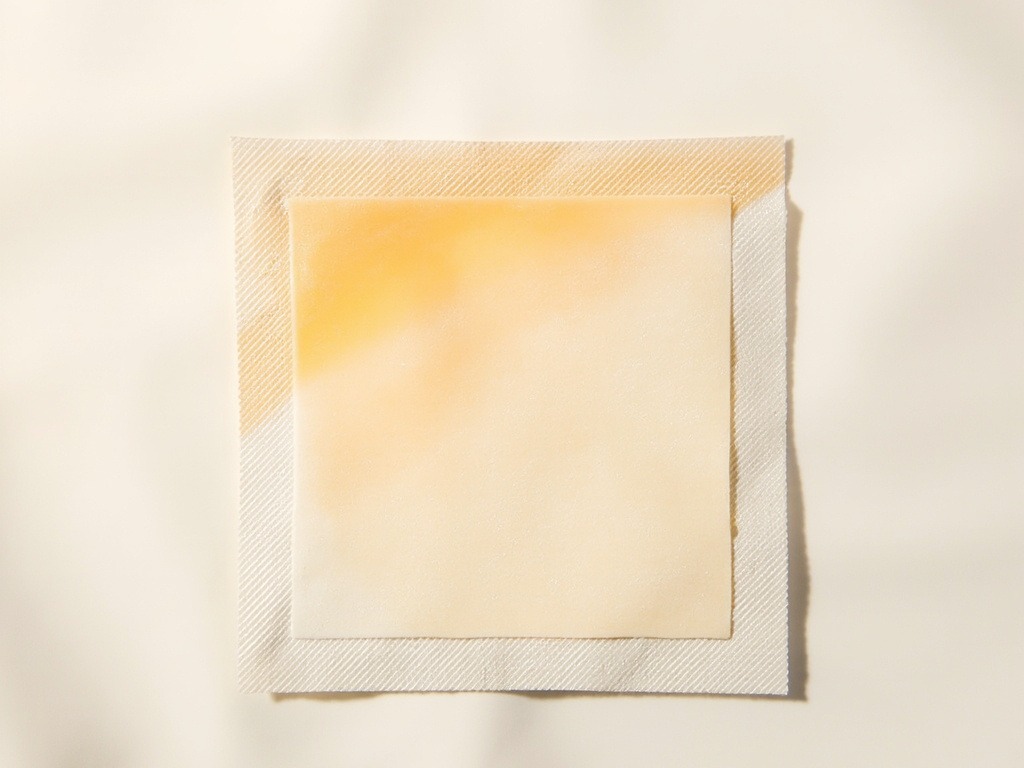
- Adhesive system: acrylic, silicone, or hydrogel — silicone is gentler on sensitive or older skin and lifts with less residue, hydrogel tends to feel cooler on application.
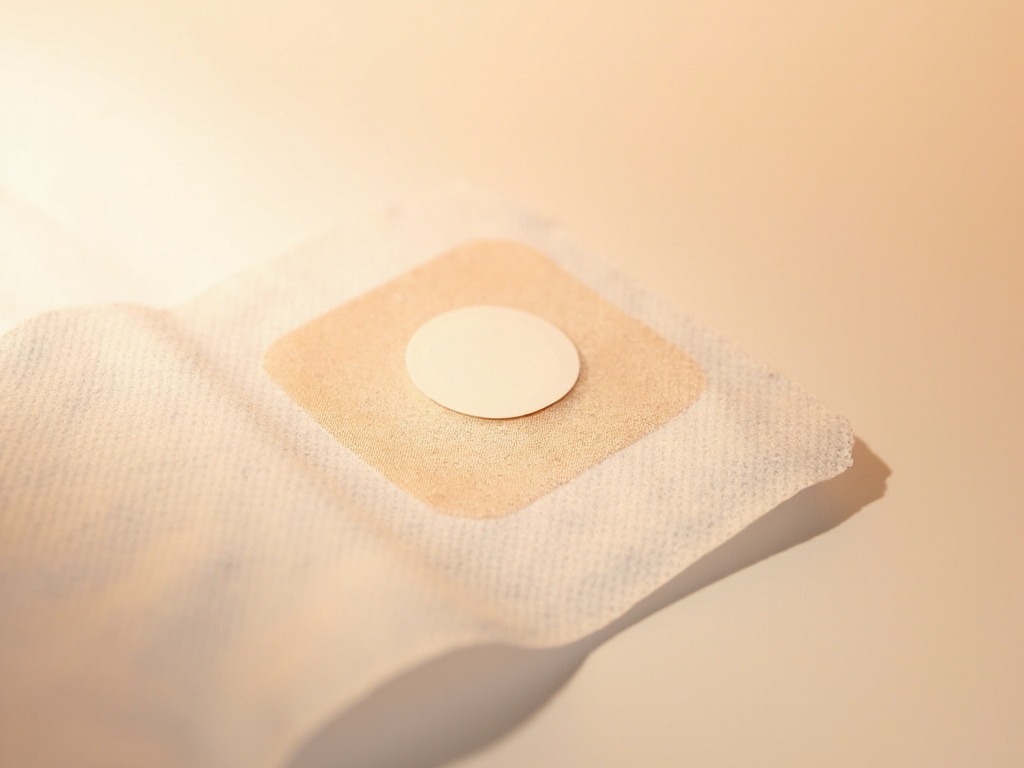
- Backing material: non-woven and knit conform around joints; occlusive film costs less but lifts earlier.
A patch that costs 20% more but lasts 12 hours instead of 8 is usually the better value, and a patch that lifts at the gym is worthless even at half the price.
What to keep in a small buyer checklist
- Match the active to the mechanism: counterirritant for referred soreness, diclofenac for inflamed tissue, capsaicin for persistent neuropathic surface pain.
- Match the geometry to the body area; neck and shoulder need stretch, knee needs pre-cut shape, lower back tolerates size and strength.
- Check wear time against your day: a 12-hour patch suits overnight lower-back use; a 4–6-hour patch suits a desk-bound afternoon.
- Confirm skin compatibility on a small area first if you have a history of adhesive reactions.
- Re-evaluate after 14 days of correct use; if nothing has changed, switch mechanism rather than site.
- Avoid heat sources over the patch, and never combine two high-percentage menthol or methyl salicylate products on the same region.
For shoppers comparing patches across the neck, shoulder, lower back, and knee, the relevant question is rarely "which brand is best"; it is which active mechanism matches your type of pain, which geometry stays put on that body area, and which wear time matches your day. A small, focused selection that respects those three filters will outperform a larger shelf of mixed products. Detailed product specifications, labelling, and supply options for transdermal patches can be reviewed with an established contract manufacturer such as Henan Hanmeng Bio-Tech's pharmaceutical patch OEM capability, which lists formulation and packaging options without binding specific clinical claims to any particular SKU.
CATEGORIES
LATEST NEWS
CONTACT US
QQ: 396269538
Phone: 17796669065
Tel: 17796669065
Email: 396269538
Add: Room 001, 1st Floor, Building 1, Zhengzhou Hangmei International Smart City, Intersection of S102 and Nanquan Road, Xuedian Town, Xinzheng City, Zhengzhou, Henan Province, China