Industry news
Heat Patches: How to Pick the Right One for Your Pain Type
Industry news 2026-08-10 09:23:02 62 views admin
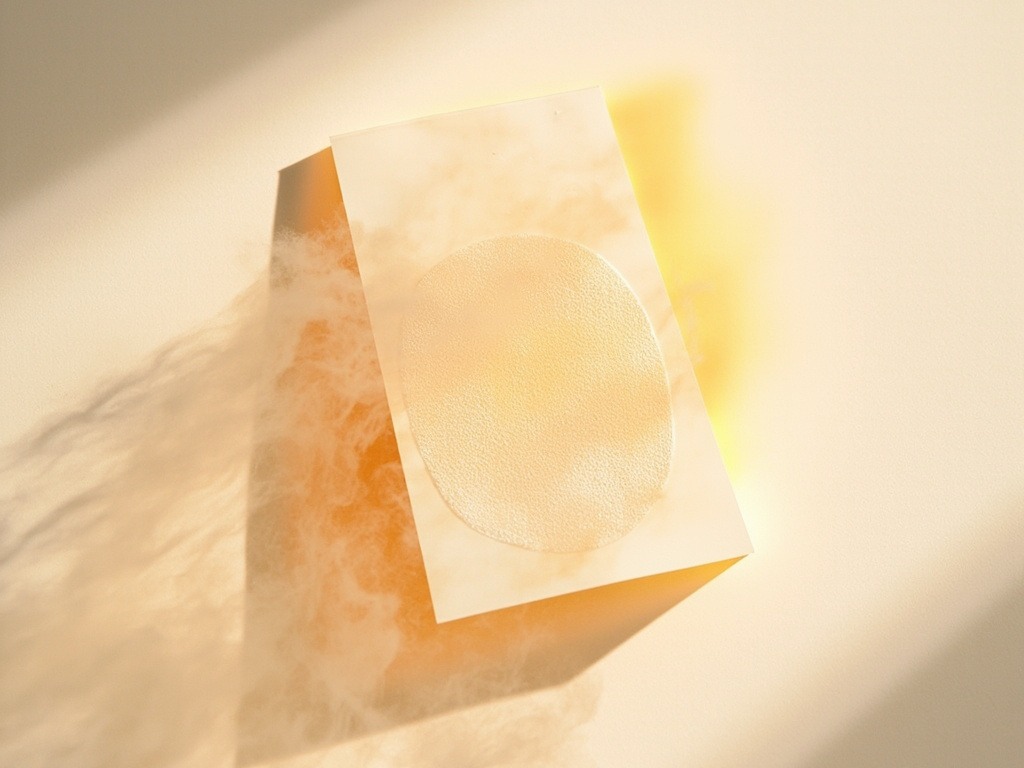
Best for: chronic-back adults with recurring stiffness, runners with post-race muscle soreness, office workers sitting under AC for 8+ hours, and arthritis patients who can't tolerate menthol on sensitive skin
Heat patches deliver sustained warmth — most commonly 40°C (104°F) for 6 to 12 hours — by air-activated iron powder oxidation, by microwavable grain wraps, or by menthol-based counter-irritant chemistry. Each format wins a different matchup, and the wrong choice wastes money and may irritate skin. Below is a buyer-focused comparison of iron-powder patches, microwavable wraps, and menthol patches, plus the boundary conditions where heat itself becomes the wrong tool.
Chronic vs Acute: Which Bucket Are You In?
Before browsing SKUs, decide whether the pain is chronic (recurring, dull, stiffness-driven) or acute (sudden, sharp, swelling-driven). The National Health Service guidance on heat and cold distinguishes the two and recommends cold for new injuries under 48 hours and heat for ongoing muscle or joint stiffness (NHS sprains and strains). Iron-powder heat patches and microwavable wraps suit chronic complaints. Menthol patches sit in a gray zone: they create a warming sensation through a TRPV1 counter-irritant effect rather than actually heating tissue, so some users report benefit on acute flare-ups as well.
If you can press a finger into the sore area and feel the muscle, not the joint capsule, heat is generally a safer first try. If pressing reproduces sharp or burning pain, or if the area looks red and hot to the touch, switch to cold for the first 48 hours and reassess.
How the Three Main Formats Actually Work
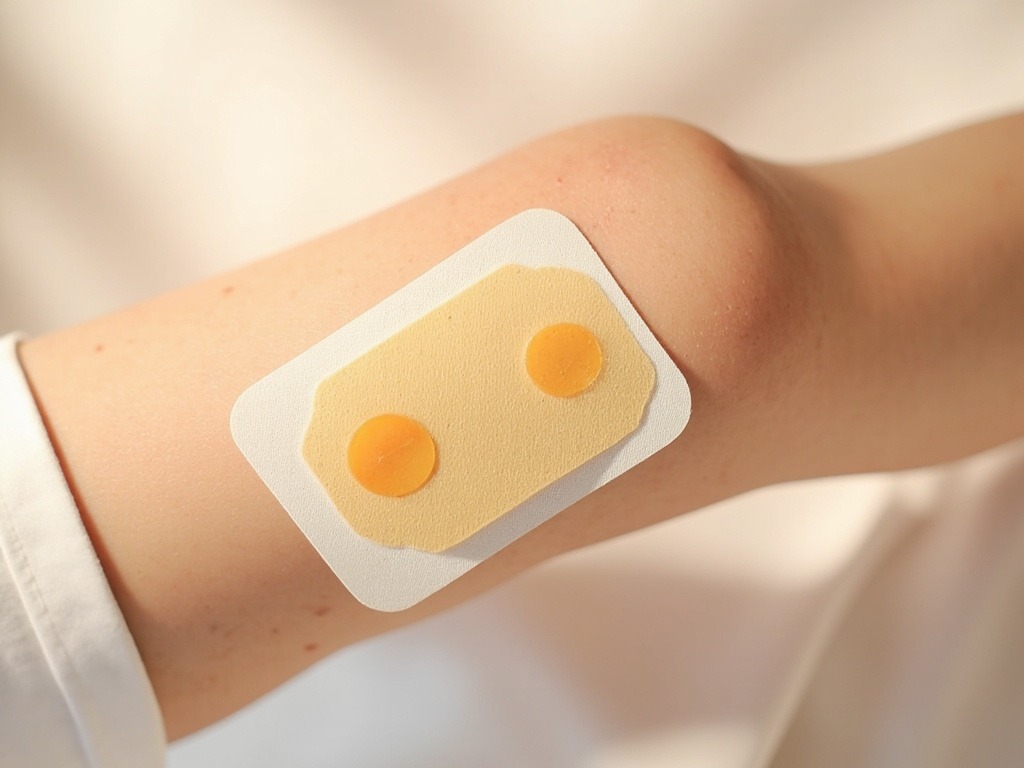
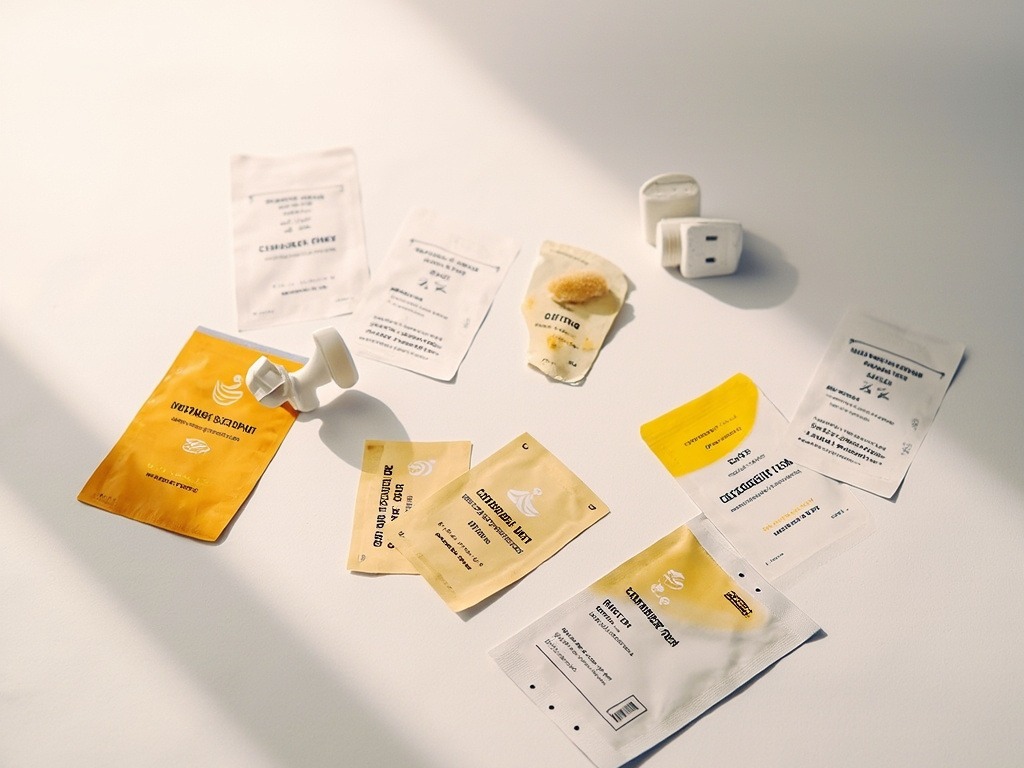
Iron-powder patches are the most common disposable form. You peel a sachet, shake it to mix the contents, and stick it on skin or underwear. Once the pouch is opened, oxygen seeps in through a permeable membrane and the iron powder begins to oxidize — a slow rusting reaction that releases heat as a by-product. Skin contact reaches roughly 40°C (104°F) within 20 to 30 minutes and holds that plateau for 6 to 12 hours, depending on the brand. This is the format the word "heat patch" most often refers to.
Microwavable wraps are fabric sleeves filled with rice, wheat, buckwheat, or a gel bead core. You heat them in a microwave for 60 to 120 seconds, then drape them over a shoulder, knee, or lower back. Surface temperature can briefly exceed 60°C straight out of the microwave, so most products ship with a cloth cover or instruct you to test on the inner wrist first. Heat duration is short — 20 to 45 minutes before the wrap returns to room temperature.
Menthol patches are sometimes called heat patches in marketing, but they work by chemistry, not physics. Menthol binds to TRPV1 cold receptors in the skin, which the brain reads as a cooling-then-warming sensation. There is no actual temperature rise. That distinction matters for buyers who specifically need tissue warming, not a sensory distraction.
Format Comparison
| Attribute | Iron-powder heat patch | Microwavable wrap | Menthol patch |
|---|---|---|---|
| Heat source | Air-activated iron powder oxidation | Reheated grain or gel core | No real heat; menthol counter-irritant |
| Skin temperature reached | ~40°C (104°F) steady plateau | ~50–60°C peaks, then falls | Skin temperature unchanged |
| Wear time | 6–12 hours single use | 20–45 minutes per heating | 4–8 hours single use |
| Reusable | No (disposable) | Yes (hundreds of cycles) | No (disposable) |
| Power needed | None | Microwave | None |
| Best fit | All-day wear at work, travel, sleep | Evening home use, sofa relief | People who dislike direct warmth or have sensory sensitivity |
| Main downside | Single-use waste, mild burn risk on thin skin | Short duration, must reheat | Not a true heat product; can irritate eyes if touched after handling |
When to Avoid Heat Altogether
Heat is not a universal answer. Skip it in these situations, and use a cold pack or seek medical review instead:
- Any acute injury in the first 48 hours — sprains, strains, fresh bruises, or visible swelling.
- Open wounds, broken skin, recent surgical sites, or areas with active infection.
- Peripheral neuropathy, diabetes-related foot numbness, or any condition where you can't reliably feel temperature — burn risk is real.
- Direct application over a tumor site, deep vein thrombosis, or a known clot — heat increases local blood flow, which is contraindicated in these conditions.
- Pregnant users applying heat to the lower abdomen or low back for long sessions; consult an OB-GYN before extended use.
First-Use Walkthrough for an Iron-Powder Patch
Most misuses with heat patches come from skipping the first 30 minutes. Here is the safe sequence:
- Open the foil pouch only when you are ready to use it. Once opened, the oxidation clock starts; you cannot pause it.
- Shake the sachet gently for 5–10 seconds to redistribute the iron powder, which prevents cold spots.
- Decide on placement. For lower back or abdominal application, the NHS and most manufacturers recommend sticking the patch to a layer of close-fitting clothing, not directly to skin — this reduces direct-contact burn risk.
- Press firmly for 20 seconds and wait 20–30 minutes. If the surface feels hotter than a warm drink, remove the patch immediately; the oxidation rate varies between batches.
- Limit continuous wear to under 8 hours per site. Do not reapply to the same patch of skin within 24 hours.
If you fall asleep with a patch on, set a phone alarm. A small share of users report low-temperature burns after 10+ hours on the same spot — the danger isn't dramatic, it's silent.
Cold vs Heat: The 30-Second Rule
When in doubt, use this short decision rule:
- Swelling, redness, sharp pain, or an injury under 48 hours old → cold pack, 10–15 minutes on, 20 minutes off.
- Stiffness, dull ache, recurring muscle tightness, or chronic joint discomfort → heat, 20+ minutes at therapeutic warmth.
- Both at once is acceptable: a sequence of cold for acute flare, then heat once swelling drops, is a common physiotherapy protocol for overuse injuries.
Safety, Side Effects, and What the Box Won't Tell You
Low-temperature burns are the most underreported side effect of heat patches. A patch sitting at 40°C feels comfortable on the forearm but can cause a first-degree burn on the thinner skin behind the knee, on the inner thigh, or on the lower abdomen of an older adult. Patch manufacturer instructions usually warn against falling asleep with the product on; treat that as a real warning, not a legal disclaimer.
Skin reactions are the second concern. Adhesive residue can cause contact dermatitis in people with sensitive skin, and menthol-based patches can produce a strong burning sensation if you touch your eyes or mucous membranes after handling. Wash your hands after applying any patch, especially menthol-based ones.
Heat patches are not medicine. They do not heal the underlying problem; they modulate pain and stiffness perception. If a user needs more than 7 days of continuous heat therapy for the same complaint, a clinician should be involved — the recurring need is itself a diagnostic signal.
Buyer Checklist Before You Click Add to Cart
Before buying, run through this quick list to avoid the most common returns:
- Confirm the patch is single-use disposable vs reusable — the wording is sometimes ambiguous.
- Check the wear time claim against your day. A 6-hour patch is useless on a 12-hour shift; look for explicit hour ratings.
- Look for skin-contact vs clothing-contact instructions. Direct-skin patches run hotter.
- Read the storage temperature range. Iron-powder patches stored above 35°C can self-activate inside the box.
- For sensitive skin, prioritize fragrance-free, latex-free, and low-adhesive options.
Frequently Asked Questions
How hot does a heat patch actually get? Most consumer iron-powder patches plateau around 40°C (104°F) at the skin surface. Microwavable wraps can briefly exceed 50°C right out of the microwave, which is why the cover layer matters.
Can I cut a heat patch in half? No. Cutting the pouch exposes iron powder to oxygen across the new edge, creating an uncontrolled hot spot. If you want a smaller patch, buy a smaller patch.
Are heat patches safe during pregnancy? Short single-use applications on the back or shoulder are widely considered low risk, but extended use on the abdomen or lower back should be discussed with a healthcare provider. Check the applicable local requirements and your OB-GYN's guidance before regular use.
Can I wear one through airport security? Yes. Iron-powder patches contain no battery and no liquid; they are screened as a normal medical or comfort item. Microwave-reheatable wraps with gel cores are also allowed.
Do heat patches expire? Yes. The oxidation reaction starts the moment air enters the pouch during manufacturing, even with the seal. Most products carry a 2–3 year shelf life printed on the box. An expired patch may not reach therapeutic temperature.
About the Manufacturer
Henan Hanmeng Bio-Tech is a Chinese manufacturer specializing in transdermal patch OEM and ODM services, with a focus on pain-relief, health-care, and cosmetic patch formats. The company supports brand owners who want to source patches, gels, and hot/cold wraps under their own label. For general capability information and a description of the formats Hanmeng currently produces, see Hanmeng's pharmaceutical patch OEM page. Specific product specifications, lead times, and minimum order quantities should be confirmed directly with the supplier rather than inferred from this article.
CATEGORIES
LATEST NEWS
CONTACT US
QQ: 396269538
Phone: 17796669065
Tel: 17796669065
Email: 396269538
Add: Room 001, 1st Floor, Building 1, Zhengzhou Hangmei International Smart City, Intersection of S102 and Nanquan Road, Xuedian Town, Xinzheng City, Zhengzhou, Henan Province, China