Industry news
cooling eye mask patches uk
Industry news 2026-08-10 09:26:52 62 views admin
 Best for: office workers on long screen days, long-haul flyers, contact-lens wearers, shift workers with disrupted sleep
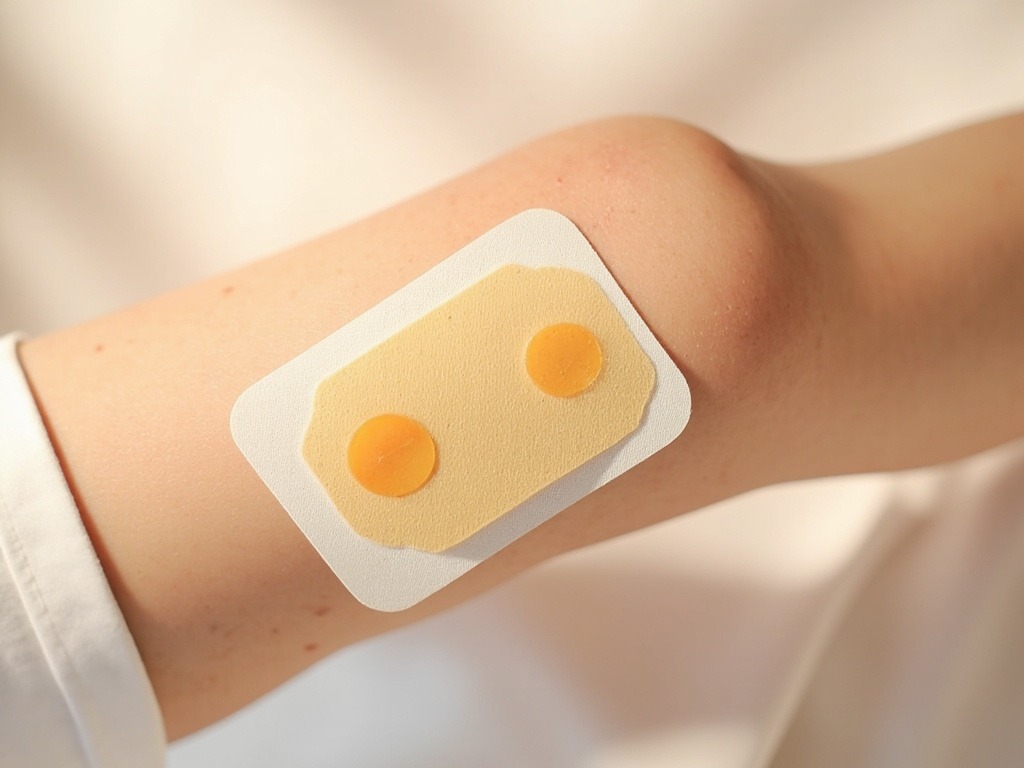
A cooling eye mask patch is a single-use, skin-adhered strip designed to sit over closed eyelids for roughly 10–20 minutes to drive down perceived puffiness and ease that hot, gritty feeling after a screen-heavy day. Most products in the UK fall into three families: hydrogel patches (water-rich polymer films that feel chilled from refrigeration), gel-filled reusable masks (a sealed pouch of silicone-gel beads kept in the fridge), and steam-activated warm masks (a thin sachet that warms when the pouch is opened and reacts with air). Each addresses a different cause of tired eyes, so picking the right one is less about brand and more about matching the format to the symptom you actually feel.
Best for: office workers on long screen days, long-haul flyers, contact-lens wearers, shift workers with disrupted sleep
A cooling eye mask patch is a single-use, skin-adhered strip designed to sit over closed eyelids for roughly 10–20 minutes to drive down perceived puffiness and ease that hot, gritty feeling after a screen-heavy day. Most products in the UK fall into three families: hydrogel patches (water-rich polymer films that feel chilled from refrigeration), gel-filled reusable masks (a sealed pouch of silicone-gel beads kept in the fridge), and steam-activated warm masks (a thin sachet that warms when the pouch is opened and reacts with air). Each addresses a different cause of tired eyes, so picking the right one is less about brand and more about matching the format to the symptom you actually feel.
Pick the family that matches the symptom, not the marketing
Three formats sit on the same shelf and solve three different problems, so the first decision is what your eyes are actually doing right now.
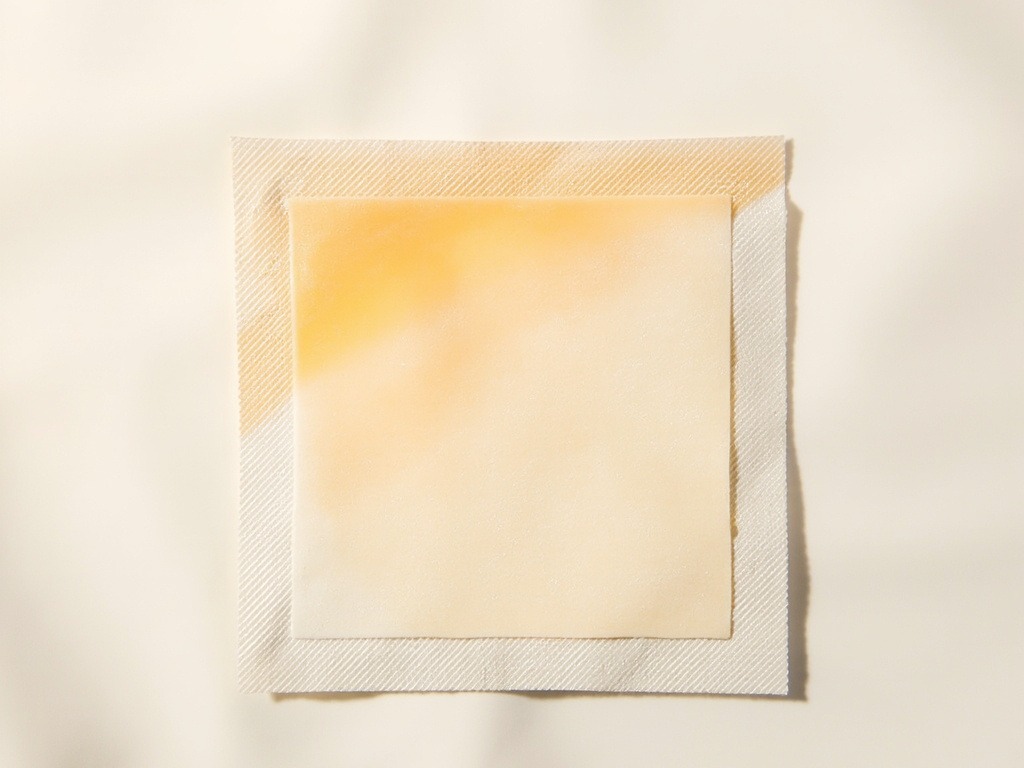
- Hydrogel patches are best for puffy under-eyes after sleep, crying, salt-heavy meals, or hay-fever mornings. The polymer film is roughly 70–85% water by weight; once chilled to about 4°C in a fridge, the contact surface draws heat away from the periorbital skin and gently compresses the area.
- Gel-filled reusable masks are best for contact-lens fatigue and end-of-day eye strain. The silicone-gel core holds a cool temperature for 20–30 minutes per session and can be re-chilled between uses, so the per-use cost is lower than single-use patches.
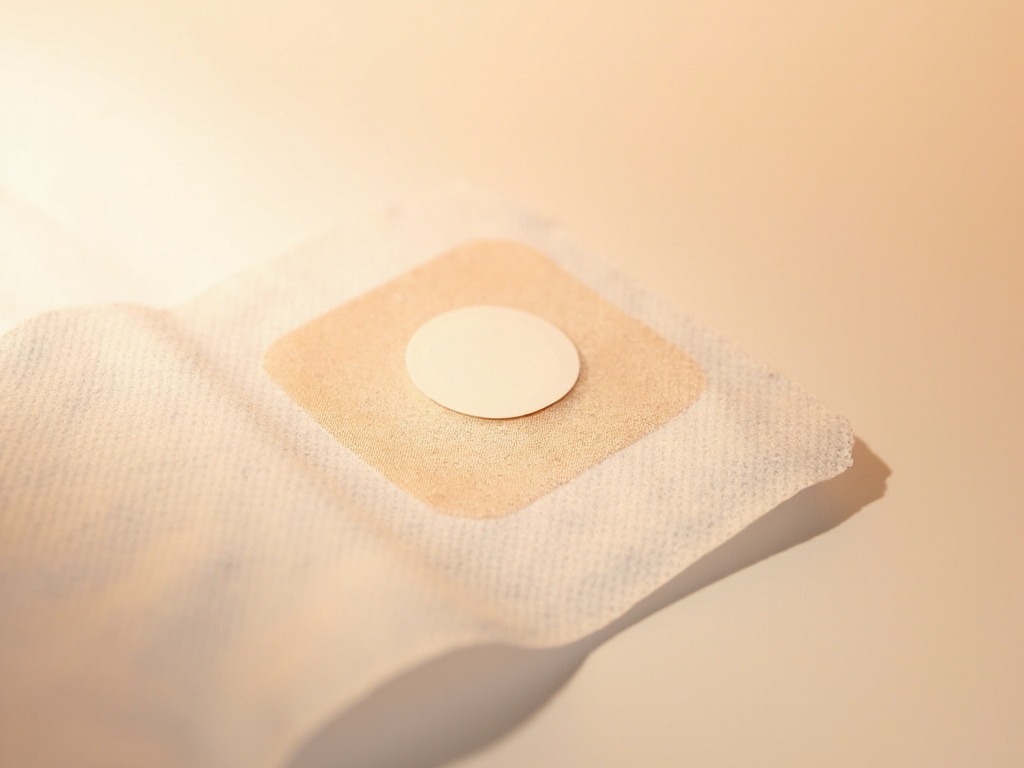
- Steam-activated warm masks are best for dry-eye flare-ups, stye-like tenderness, and tension headaches where warmth — not cold — relaxes the meibomian glands and softens the oily layer of the tear film. The iron-oxidation reaction inside the sachet peaks at roughly 40°C within 2–3 minutes.
If you cannot tell whether your eyes are tired or inflamed, run a 30-second test: press a clean fingertip gently over the eyelid. Cool and slightly puffy points toward a hydrogel patch; warm, heavy, and gritty points toward a warm mask.
Wearing logistics most shoppers forget to check
Glasses, contact lenses, and makeup all change how a patch actually performs, and the product page rarely tells you which combinations are safe.
With contact lenses. Remove lenses before any eye-area patch. A hydrogel patch sitting over a lens can trap preservatives and create a low-oxygen pocket against the cornea. Most UK optometrists, including guidance published by the College of Optometrists, recommend removing lenses for any occlusive eye treatment.
With makeup and SPF. Apply the patch before skincare serums but after cleansing. Foundation, concealer, and silicone-based primers will block the chilled surface from reaching the skin, and the patch adhesive will lift makeup on removal. If you must wear patches under makeup, use them earlier in the routine and let the skin return to room temperature for 10 minutes before applying product.
During sleep. Neither hydrogel nor gel masks are designed for overnight wear. Hydrogel films dry out and can stick to lash roots after 30–45 minutes, which is uncomfortable and unnecessary. Steam masks cool back to ambient within 15–20 minutes, so leaving one on longer wastes the heat.
During flights. A short session during the descent phase (roughly 15 minutes before landing) helps with the cabin-pressure puffiness that builds on long-haul routes. Keep the patch stored in the seat-back pouch rather than a refrigerated galley drawer, which is usually warmer than you think.
Ingredients worth scanning on the back of the sachet
Two ingredients appear on almost every UK patch label and one optional ingredient changes the experience noticeably. Skim the ingredient list for these three before you decide.
Hydrogel patches usually list water, glycerin, and a polymer backbone such as polyvinyl alcohol (PVA) or a cellulose derivative. Glycerin pulls moisture into the stratum corneum; the polymer is what holds the structure together when you peel the patch off. If a patch lists hyaluronic acid as the third or fourth ingredient, treat that as a real humectant claim rather than marketing — it binds water at roughly 1,000 times its molecular weight and is well documented in dermatology literature.
Optional fragrances change the user experience. The two you will see most often are lavender (linalool and linalyl acetate, the main constituents) and chamomile (bisabolol). Lavender is associated with self-reported calm in small sleep studies, but the effect is mild and short-lived. If you have reactive skin, eczema, or a known fragrance allergy, pick the fragrance-free version — most ranges offer one, usually labelled "unscented" or "sensitive".
Preservative systems matter more than shoppers realise. Phenoxyethanol at 0.5–1.0% is the most common single preservative and is generally well tolerated. Avoid patches that list methylisothiazolinone (MIT) on the label; it has been linked to contact dermatitis and is restricted in leave-on cosmetics under UK and EU cosmetic regulations.
Three mistakes that cost the cooling effect half its payoff
Most patches underperform because of three fixable errors. None of them are about the brand.
Skipping the chill. A hydrogel patch straight from a 20°C cupboard gives a lukewarm first minute and no real thermal gradient. The product needs roughly 60–90 minutes in a domestic fridge to reach the 4–8°C range where the cooling sensation is sharpest. Freezing is worse: ice crystals form in the polymer matrix and the patch becomes brittle and uneven against the skin.
Wearing it too short or too long. The peak cooling window for hydrogel is 10–15 minutes. Under 5 minutes, the periorbital skin barely equilibrates with the patch. Beyond 20 minutes, the thermal gradient collapses and the patch starts re-warming from your skin.
Layering it over active skincare. Putting a patch over a recent vitamin C serum, retinol, or strong exfoliating acid (AHA/BHA) drives those ingredients into the deeper skin and increases irritation risk. Apply the patch to clean, dry skin and reach for serum and SPF afterwards.
Safety and who should not use these without a chat with a clinician
Cooling and warming patches are cosmetic products, not medical devices. A short limitations list keeps the use case honest.
Stop use and seek advice if you have active eczema on the eyelid, recent eye surgery (including laser refractive procedures within the last 6 weeks), an open stye or conjunctivitis flare, or known contact allergies to acrylate polymers, latex, or fragrance constituents. Steam-activated warm masks should not be used by anyone with impaired temperature sensation, including people with diabetic neuropathy. If you take anticoagulants such as warfarin or apixaban, cold-induced vasoconstriction is generally well tolerated but very firm compression patches can occasionally cause bruising on the thin periorbital skin.
Patch quality varies because the cosmetic regulations in the UK set safety baselines but not performance claims. For any product that lists specific temperature, duration, or efficacy numbers, check the supporting documentation on the manufacturer's page and follow UK Cosmetic Product Regulations guidance where relevant.
Buyer checklist before adding to the basket
A short decision rule that works for most UK shoppers buying a single box for personal use.
If the symptom is puffiness after sleep or a long flight, choose a chilled hydrogel patch and store it in the fridge from the night before. If the symptom is end-of-day strain from screen work or contact lenses, choose a reusable gel mask and keep it on a desk shelf so it is always ready. If the symptom is dryness, gritty feeling, or pre-bedtime tension, choose a lavender or unscented steam-activated warm mask and use it 20 minutes before sleep. Buy one small box first to test your skin's reaction, then size up once a brand and format are confirmed. Hydrogel and gel masks are widely stocked in Boots, Superdrug, and online through Amazon UK; warm masks are more commonly found in travel sections and chemist chains. Prices for a 5-pair hydrogel box typically sit in the £4–£10 range, while reusable gel masks cost £8–£25 once and last several months with normal care.
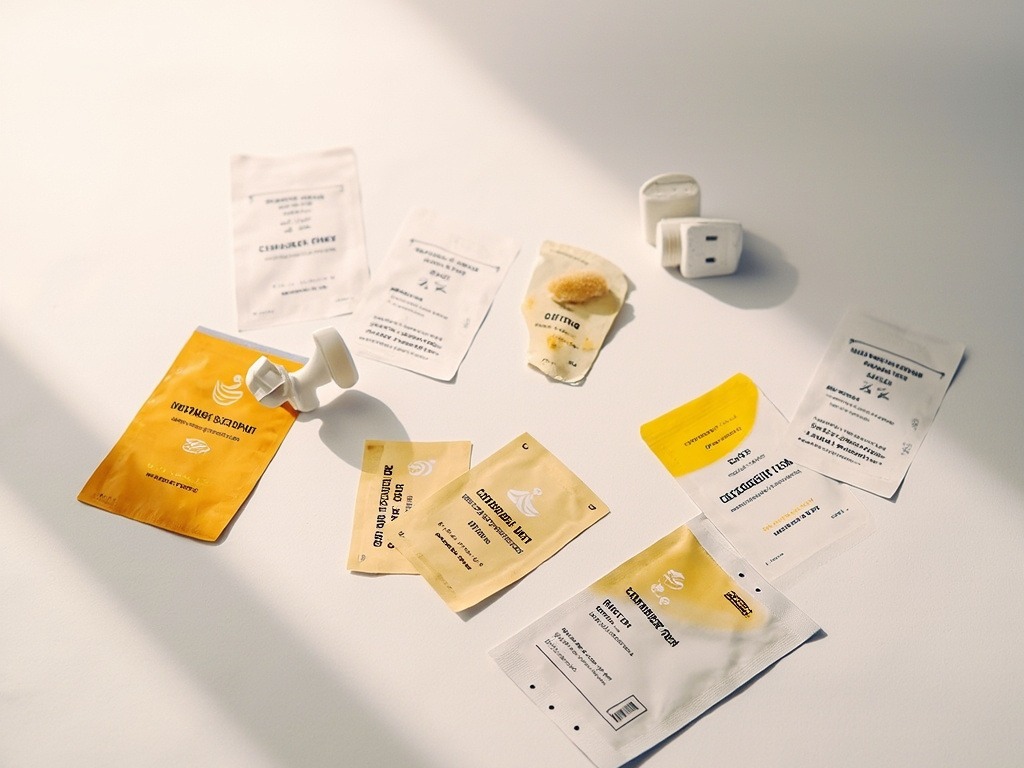
For readers who run a clinic, spa, or hotel amenity programme and want a custom-branded version rather than a retail SKU, generic OEM options exist for hydrogel and gel eye patches. A typical supplier target for a private-label hydrogel eye patch is a 60×90 mm oval die-cut film, 1.8–2.2 mm thickness, printed pouch with a 12-month shelf life, and a minimum order size that starts in the low thousands. For verified specifications on a custom silicone-hydrogel patch and the steps involved in a private-label run, see this OEM/ODM manufacturing guide for custom silicone-hydrogel patches. That page is the right starting point for buyer-facing specifications, lead time, and artwork submission — retail buyers can ignore it.
CATEGORIES
LATEST NEWS
CONTACT US
QQ: 396269538
Phone: 17796669065
Tel: 17796669065
Email: 396269538
Add: Room 001, 1st Floor, Building 1, Zhengzhou Hangmei International Smart City, Intersection of S102 and Nanquan Road, Xuedian Town, Xinzheng City, Zhengzhou, Henan Province, China