Industry news
How to Choose a pimple patch for face: Hydrocolloid, Microneedle, or Medicated
Industry news 2026-08-12 10:00:50 44 views admin
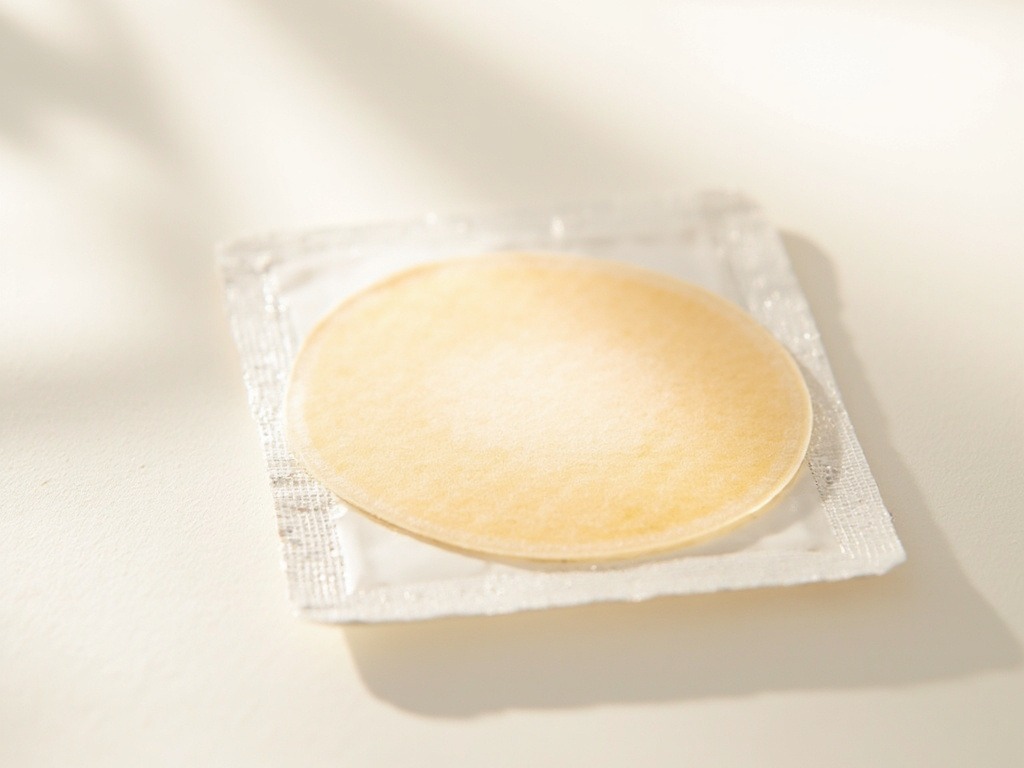
Best for: teens with occasional breakouts, adults managing isolated pimples, shoppers comparing hydrocolloid, microneedle, and medicated patches
The best pimple patch for face depends on what you can see and feel. Choose a hydrocolloid patch for a surface-level spot that has come to a head or has been gently opened; consider a microneedle patch for a small, closed bump; and look for a medicated patch when an ingredient such as salicylic acid fits your routine. A patch can protect one blemish and discourage touching, but it is not a cure for every type of acne.
Start with the blemish, not the packaging
A glossy pack can make every patch look interchangeable. They are not. The useful distinction is the condition of the spot under the patch.
| Patch type | Best match | What to look for | When to be cautious |
|---|---|---|---|
| Hydrocolloid | A raised, superficial pimple with visible fluid or a small opening | Hydrocolloid absorbent layer, flexible adhesive, clear or skin-tone finish | It may do little for a firm, deep lump or an unraised clogged pore |
| Microneedle | A small closed bump where surface absorption is limited | Microneedles or microstructures designed to contact the skin, plus a clear ingredient list | Do not apply over broken, infected-looking, sunburned, or severely irritated skin |
| Medicated | A spot for which a leave-on active ingredient suits your skin-care plan | Named active, stated amount when provided, directions, and warnings | Several acne actives layered together can increase dryness or stinging |
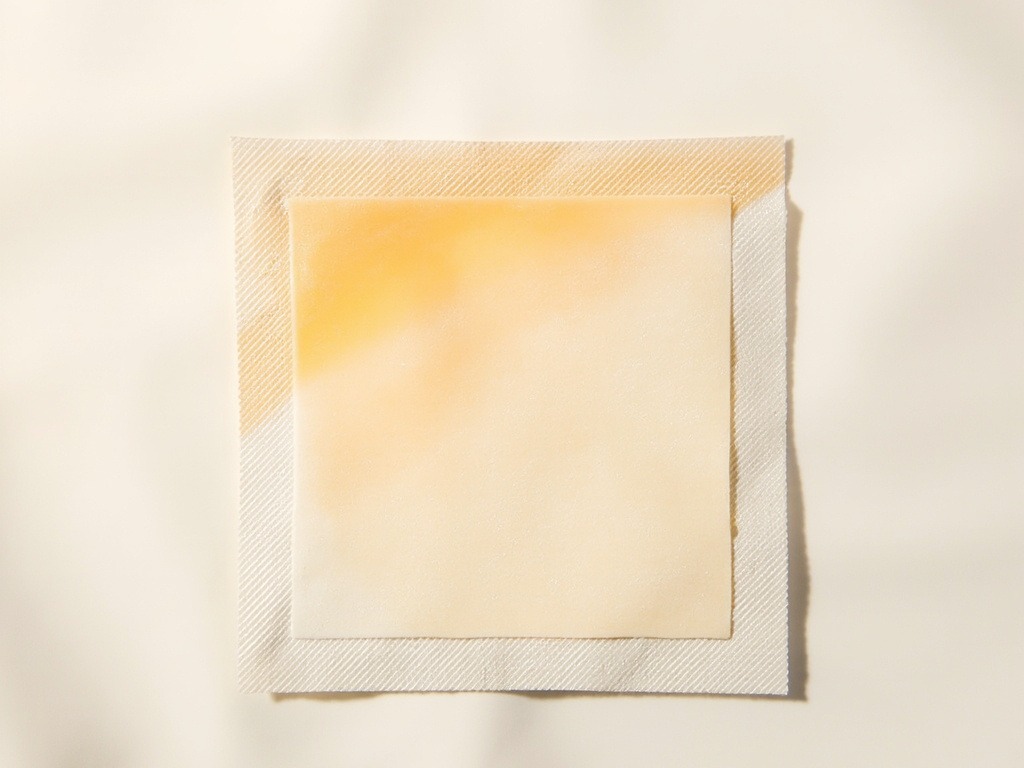
These categories can overlap. A hydrocolloid patch may also contain an active ingredient, and a microneedle patch may carry a cosmetic or acne-focused formula. Read the material and ingredient information separately: the patch structure tells you how it sits on the skin, while the formula tells you what else may cause a reaction.
Match the patch to the stage of the spot
For an active, surface-level pimple
Hydrocolloid is the simplest starting point. Its absorbent gel-forming material can take up some fluid from a moist surface and create a physical cover. That cover may also make squeezing less convenient, which matters because repeated picking can leave a wound, dark mark, or prolonged redness.
Clean and dry the area first. Skip cream, facial oil, and sunscreen underneath unless the label says otherwise, because a slippery surface can weaken adhesion. Press the patch down around the edges rather than rubbing the center back and forth.
For a closed comedone or small firm bump
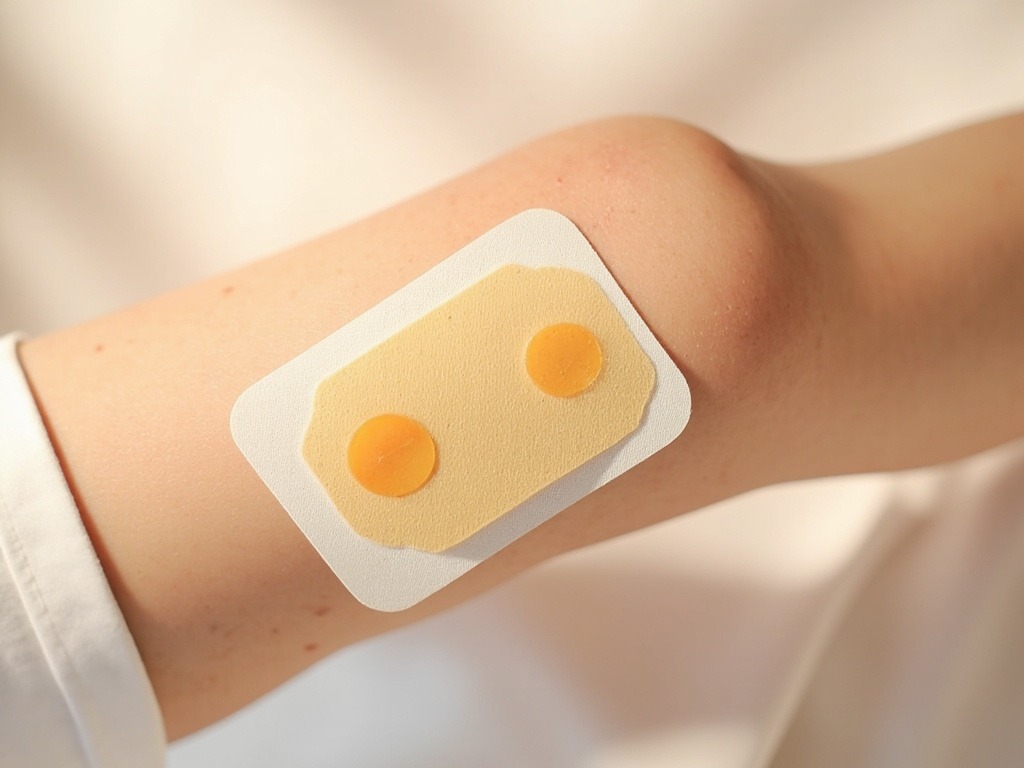
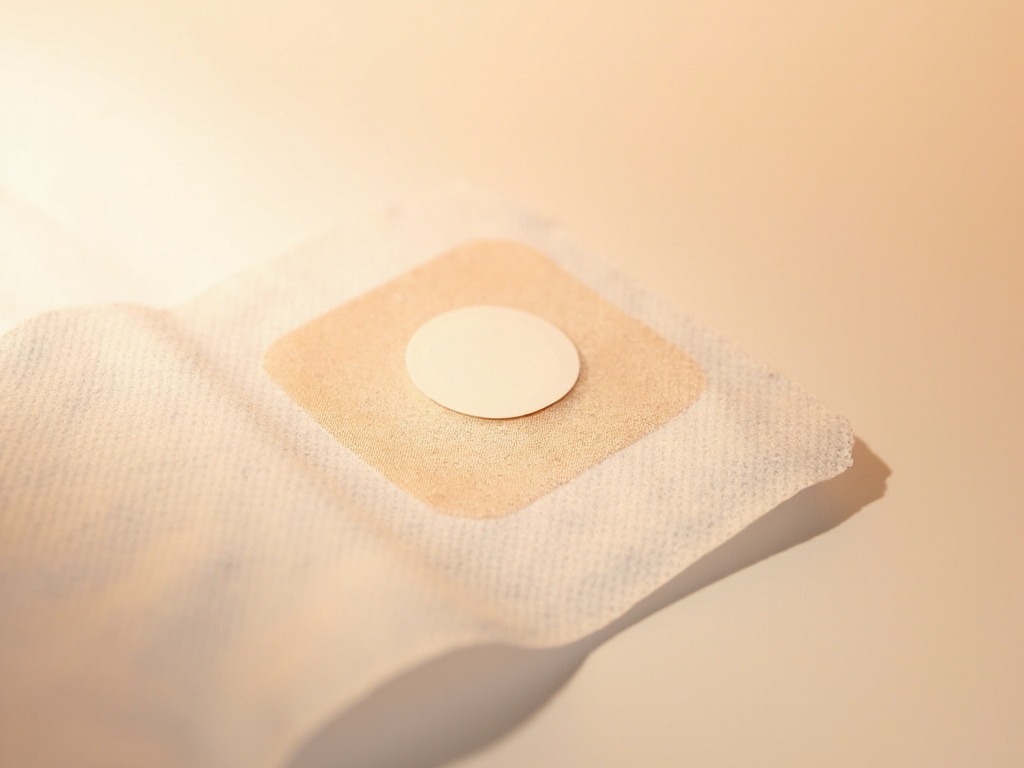
A closed bump has no open surface for a plain hydrocolloid layer to absorb. A microneedle patch may be a more logical choice for this situation, but the name alone does not tell you how well it will suit your skin. Check the needle or microstructure description, the intended wear time, and the active ingredients.
Use a light touch during application. Do not press repeatedly, scrape the area, or place a second patch on top. If the spot becomes sharply painful, increasingly warm, or more swollen after use, remove the patch and stop using that product on the area.
For a deep, painful, or cyst-like lump
A deep lump under the skin is a poor candidate for do-it-yourself patching. A surface sticker cannot be expected to reach the depth of the problem, and covering it tightly may make you ignore worsening pain or irritation. Avoid puncturing it at home. If deep or frequent breakouts continue, a qualified healthcare professional can help you choose appropriate care.
The same boundary applies to a patch placed over a cut, scab that is still bleeding, spreading rash, or skin that looks infected. A cosmetic patch is not a substitute for assessing those changes.
Hydrocolloid, microneedle, and salicylic acid: read the active side
Salicylic acid is a familiar acne-care ingredient that can loosen dead skin cells at the surface. A medicated patch containing salicylic acid may be useful for some people, but the result depends on the concentration, the rest of your routine, and how long the patch stays on. More active ingredient is not automatically better.
Look for the full label rather than relying on front-of-pack words such as “detox,” “pore,” or “blemish.” A practical scan includes:
- Patch material: hydrocolloid, polyurethane film, cellulose-based layer, or another named material.
- Active ingredients: salicylic acid or another named substance, with directions and warnings.
- Adhesive details: whether the product is fragrance-free, latex-free, or otherwise unsuitable for your sensitivities.
- Use instructions: skin preparation, maximum wear time, removal method, and storage conditions.
- Contact information and batch or lot details, if supplied on the packaging.
Fragrance, essential oils, and strong cooling ingredients may feel fresh but can sting inflamed skin. “Natural” does not mean irritation-free. If you already use a cleanser, toner, serum, or prescription product containing an exfoliating or acne active, compare the ingredient lists before adding a medicated patch to the same area.
Wear time is a practical safety decision
Follow the product directions first. Many hydrocolloid patches are designed for several hours, often overnight, while some medicated or microneedle products specify a shorter window. Do not extend the wear time simply because the patch is still attached.
Replace a hydrocolloid patch when it turns white, lifts, becomes wet around the edges, or has collected visible fluid. Remove a medicated or microneedle patch at the stated time even if it looks unchanged. A patch that has absorbed material is no longer clean, and an adhesive edge that rolls up can collect sweat, hair, and skin oils.
Peel slowly from one edge. If removal hurts, soften the adhesive with lukewarm water rather than pulling hard. Wash the area gently and leave it uncovered if the skin feels tender. Do not reuse a patch, cut a used patch in half, or transfer it from one blemish to another.
For a first use, try one patch on one small area rather than covering half your face. That makes a reaction easier to notice and prevents a single unsuitable formula from irritating several spots at once.
Four mistakes that make patches disappointing
Most poor experiences come from a mismatch or from using the patch as permission to do more to the skin. The sticker is not a reason to squeeze, scrub, or stack products.
- Putting hydrocolloid on a dry, deep bump: A flat, closed lump has little surface fluid for the absorbent layer to collect. Choose a product designed for that use or leave the area alone.
- Applying it over damp skin: Water, moisturizer, and facial oil can stop the adhesive from forming a reliable seal. Clean the area and wait until it is fully dry.
- Combining several strong actives: A medicated patch plus exfoliating cleanser, retinoid, or acne gel on the same spot may produce excess dryness or burning. Simplify the routine instead of adding another layer.
- Picking before or after patching: Pushing, peeling, and re-covering a spot can damage the surface. If the skin is open, treat it gently and do not use a microneedle structure over it.
A small decision rule for shopping
Use this rule before you buy: surface fluid means hydrocolloid; a small closed bump may justify microneedle; a chosen active means medicated; a deep painful lump means skip the patch. It is simple, but it prevents the most common mistake: buying the most technical-looking product for a blemish it cannot reasonably address.
Then check three boundaries. First, can the patch stay on the location without folding into your eye, nostril, lip, or hairline? Second, can you wear it for the stated period without adding another irritating active? Third, can you remove it without rubbing or tearing the skin?
For daytime use, a thin edge and secure adhesion may matter more than maximum absorbency. For sleep, comfort and clean removal may matter more than a barely visible finish. If you wear makeup, test whether the patch lifts under foundation rather than assuming “ultra-thin” will behave the same on every face.
Limitations and skin-safety notes
Pimple patches can cover an individual spot, protect it from fingers, and make a simple routine easier to follow. They cannot identify the cause of recurring acne, prevent every new breakout, or promise that a mark will fade quickly. Results vary with the type of blemish, skin sensitivity, adhesive, formula, and wear time.
Stop using a patch if you develop intense itching, burning, blistering, marked swelling, or a spreading rash. Seek medical advice for severe pain, rapidly worsening inflammation, repeated deep breakouts, or acne that is leaving scars. Keep microneedle and medicated patches away from children unless a responsible adult has checked the label and intended use.
Patch testing a small area can reduce surprises, but it cannot guarantee that a larger or longer application will be comfortable. If you use prescription acne products, are pregnant or breastfeeding, or have a known adhesive or ingredient allergy, ask a healthcare professional or pharmacist about the specific formula.
What a sensible purchase looks like
Choose the smallest pack that lets you test fit and comfort. Confirm the patch size, shape, ingredients, directions, and expiry or batch information where provided. A clear ingredient list is more useful than a long list of marketing claims.
For occasional whiteheads, a plain hydrocolloid patch may be enough. For a closed bump, compare microneedle products carefully and avoid any that make aggressive promises. For a medicated option, note salicylic acid and other actives already present in your routine, then start with one patch and observe the skin.
If irritation appears, the correct response is not a stronger patch. Remove it, simplify the area, and give the skin time to settle.
For general information about Hanmeng's pimple patch manufacturing options, see Hanmeng's pimple patch OEM page. Product suitability, ingredients, packaging, and any specifications should be confirmed from the individual product documentation rather than assumed from a general manufacturer description.
CATEGORIES
LATEST NEWS
CONTACT US
QQ: 396269538
Phone: 17796669065
Tel: 17796669065
Email: 396269538
Add: Room 001, 1st Floor, Building 1, Zhengzhou Hangmei International Smart City, Intersection of S102 and Nanquan Road, Xuedian Town, Xinzheng City, Zhengzhou, Henan Province, China