Industry news
lidocaine patch uses
Industry news 2026-08-12 10:30:53 42 views admin
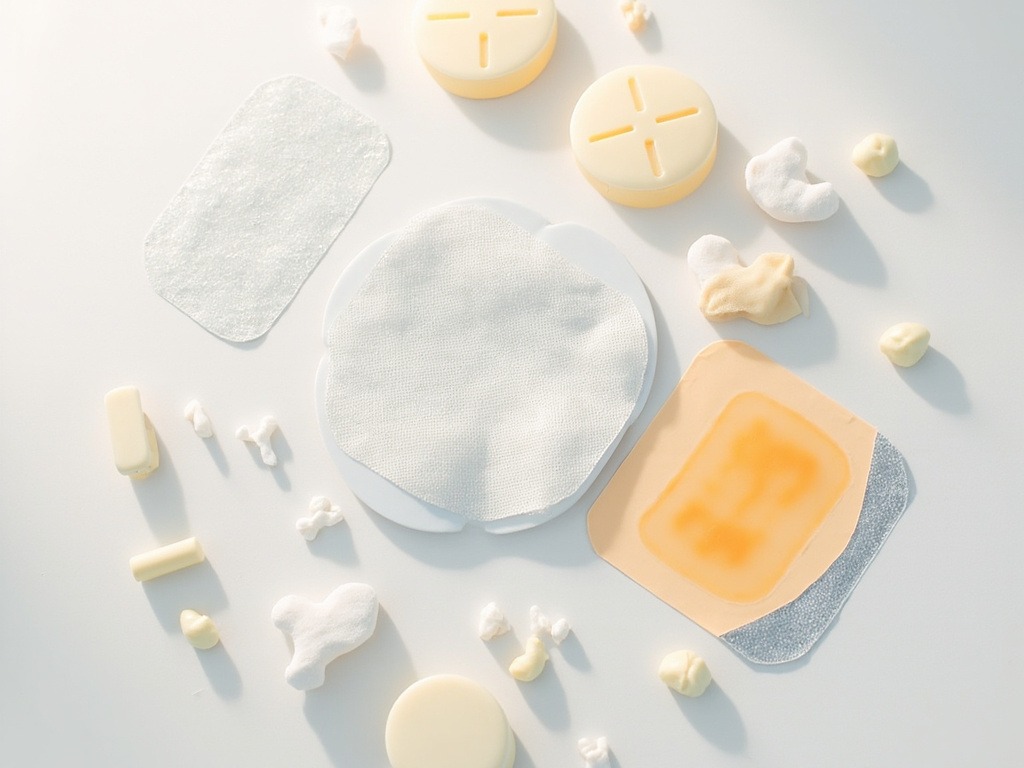 Best for: shoppers comparing OTC pain patches, adults with localized muscle or nerve discomfort, caregivers buying for an older relative, runners and weekend athletes with stubborn trigger points, people who react to strong menthol or capsaicin scents.
Lidocaine patches are over-the-counter topical numbing products that block sodium channels in small superficial nerves, so the skin under and around the patch feels less sharp, burning, or stabbing pain for the hours the patch stays on. For a shopper weighing menthol vs capsaicin vs lidocaine vs methyl salicylate, the defining difference is that lidocaine is a local anesthetic (it dulls sensation) while the other three are counter-irritants (they create a cooling or warming sensation that masks the original pain signal). Pick lidocaine when the goal is numbness, not heat.
Best for: shoppers comparing OTC pain patches, adults with localized muscle or nerve discomfort, caregivers buying for an older relative, runners and weekend athletes with stubborn trigger points, people who react to strong menthol or capsaicin scents.
Lidocaine patches are over-the-counter topical numbing products that block sodium channels in small superficial nerves, so the skin under and around the patch feels less sharp, burning, or stabbing pain for the hours the patch stays on. For a shopper weighing menthol vs capsaicin vs lidocaine vs methyl salicylate, the defining difference is that lidocaine is a local anesthetic (it dulls sensation) while the other three are counter-irritants (they create a cooling or warming sensation that masks the original pain signal). Pick lidocaine when the goal is numbness, not heat.
How lidocaine compares to the other common patch ingredients
OTC patches generally fall into two mechanism camps. Counter-irritants work by irritating the skin lightly so the brain pays attention to the new sensation instead of the old pain. Anesthetics work by quieting the nerve itself.
- Lidocaine — sodium-channel blocker; produces numbness without a strong smell or temperature change. Most OTC versions in the US are sold at 4% or 5% in a non-prescription formulation. Wear time on a single patch is usually 8 to 12 hours, with most labels allowing one patch on at a time.
- Menthol — TRPM8 receptor agonist; produces a cool feeling within minutes. Concentrations in OTC patches commonly range from about 3% to 10%. Good for tension-style soreness, less useful when you want actual sensation reduction.
- Capsaicin — TRPV1 receptor agonist; produces warmth, sometimes a burn, and a long-term depletion of substance P with repeated use. A first application can sting for 20 to 40 minutes before relief kicks in.
- Methyl salicylate — produces a warming sensation similar to capsaicin but through a salicylate counter-irritant pathway. Smells like wintergreen and should be kept away from children because of salicylate exposure concerns.
- Camphor — often paired with menthol at 3% to 11% for added cooling; another counter-irritant, not a true anesthetic.
If you want numbness and quiet, lidocaine is the only ingredient in the standard OTC patch lineup that does that directly.
Cross-ingredient matrix for patch shoppers
| Ingredient | What it feels like | Typical OTC strength | Single-patch wear time | Distinct issue to watch |
|---|---|---|---|---|
| Lidocaine | Numb, neutral | 4–5% | 8–12 h | Skin irritation if worn over broken skin or with a heating pad |
| Menthol | Cool | 3–10% | 6–8 h | Strong scent; can bother asthma or scent-sensitive users |
| Capsaicin | Warm to hot | 0.025–0.075% | 4–8 h | Initial burn; avoid eyes and mucous membranes |
| Methyl salicylate | Warm | 10–30% | 6–8 h | Salicylate absorption; not for children or with blood thinners |
| Camphor | Cool-warm | 3–11% | 6–8 h | Toxic if swallowed; keep away from young children |
The 4–5% lidocaine column is the only one that targets numbness rather than sensation substitution, which is the practical dividing line for shoppers.
Where lidocaine patches tend to fit in a real routine
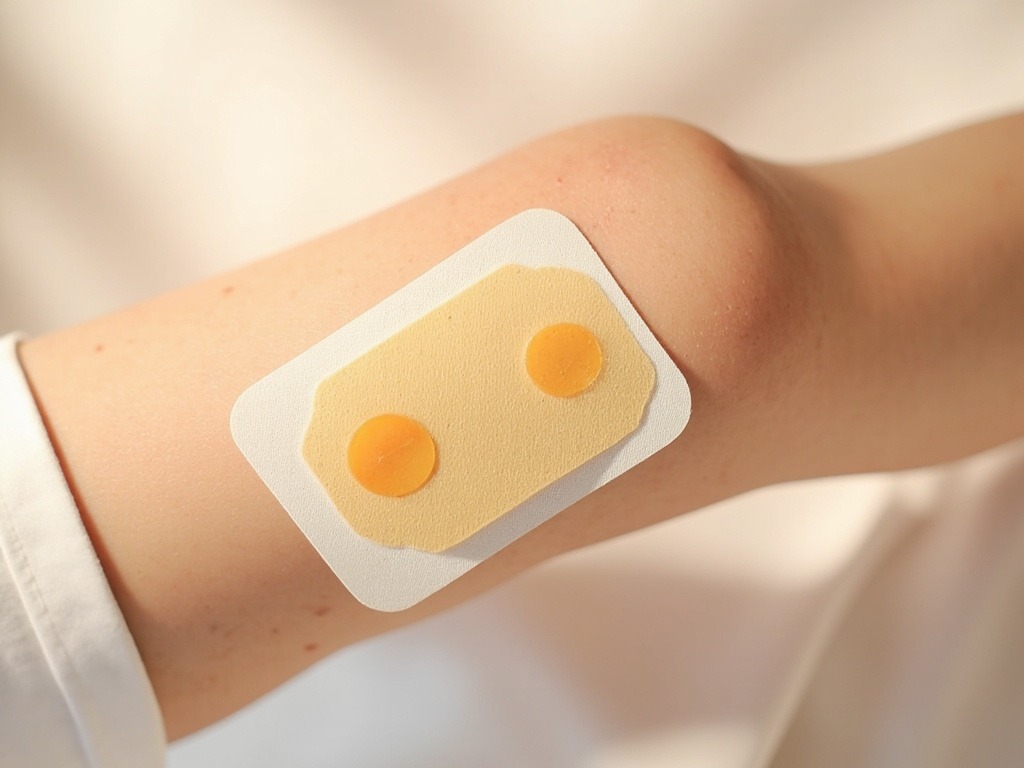
Most buyers reach for a lidocaine patch when pain sits in a small, well-defined spot — the outside of the knee after a long hike, the lower back along one side, a forearm near the elbow after lifting. The patch covers an area roughly 10 × 14 cm for the standard OTC size, so it is built for targeted use rather than broad coverage. It can also sit under loose clothing without a strong menthol or camphor smell leaking into a meeting or a shared car, which is one of the quieter reasons people prefer it.
A useful pattern: ice or rest for the first 24–48 hours of a fresh strain, then a lidocaine patch during the day when the area needs to stay functional, with a menthol or camphor option at night if a cooling sensation helps sleep.
Skin sensitivity and patch comfort checklist
Before committing to a box, run through this five-point checklist. It takes about two minutes and rules out most of the discomfort complaints users report.
1. Test a small corner first. Apply one edge of the patch to the inner forearm for 30 minutes. If you see redness, itching, or a raised bump, that ingredient is not your friend.
2. Check the adhesive. Some patches use acrylic adhesive, others use silicone. Silicone tends to peel off cleaner for sensitive or older skin; acrylic holds harder but can leave residue.
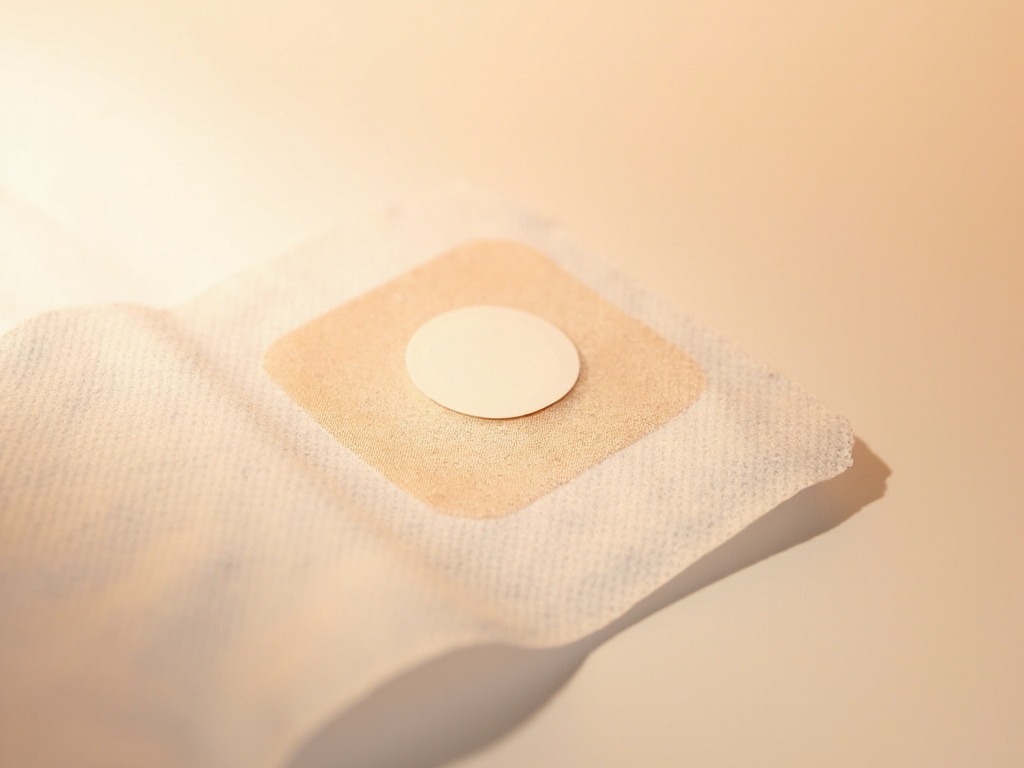
3. Look at the backing fabric. A non-woven or cloth-like backing breathes better than a plastic film, especially under clothing for 8–12 hours.
4. Mind the edges. Rounded corners catch on shirt sleeves less than square ones. This sounds minor until a patch rolls up at hour three.
5. Confirm re-application rules. Most OTC lidocaine patches allow one patch on at a time, with a new patch after a short off-period. Check the label, because the exact off-time differs by brand.
Decision rule: when lidocaine is the right pick
Use this short rule of thumb when you are standing in front of the shelf:
Choose lidocaine if the pain is sharp, electric, or shooting and you want the area to feel quieter. Choose menthol if you want a quick cool distraction and a fast-acting sensation. Choose capsaicin if the pain is chronic and you are willing to push through an initial burn for longer-term relief. Choose methyl salicylate if you specifically want warmth and are not on blood thinners and have no children at risk of accidental contact.
If you have tried menthol and found it too smelly, and capsaicin too hot, lidocaine is usually the third stop on that list for good reason — it does not rely on a counter-sensation at all.
When NOT to use a lidocaine patch
Skip the patch, or talk to a clinician first, if any of the following apply.
Broken or irritated skin. Do not apply over cuts, scrapes, rashes, eczema flares, or recent sunburn. The anesthetic absorbs faster and the irritation gets worse.
Allergy to local anesthetics. People who react to dental lidocaine injections, benzocaine throat sprays, or similar amide/ester anesthetics should avoid topical lidocaine unless a clinician has cleared it.
While using a heating pad. Heat increases systemic absorption and can push the dose higher than the OTC label accounts for.
On children under the labeled age. Most OTC 4% lidocaine patches are labeled for adults and sometimes children above a specific age and weight. Follow the label exactly.
If you are pregnant or breastfeeding. Systemic absorption from a single OTC patch is small, but the data set is thin; check the applicable local requirements and ask a clinician if you are unsure.
With other lidocaine products. Stacking a lidocaine patch on top of a lidocaine cream or a lidocaine-containing mouth sore product can push total dose up. Pick one route per area per day.
Limitations and safety
Lidocaine patches are a comfort tool, not a treatment for the underlying cause of pain. They do not heal a torn muscle, settle a slipped disc, or reverse arthritis. If pain persists beyond about 7 days of OTC use, gets worse, or comes with numbness, swelling, fever, or color changes in the skin, stop self-treating and speak to a clinician. The 4% and 5% OTC formulations are regulated differently from prescription 5% lidocaine patches; check your local requirements, including how many patches per day and whether repeat courses are appropriate, by reading the leaflet that ships in the box. For an authoritative summary of local-anesthetic pharmacology, see the StatPearls chapter on lidocaine.
About the manufacturer behind this article
This article is published by a transdermal patch manufacturer that also offers custom OEM services for pharmaceutical and pain-care formats. General capabilities include private-label production, packaging customization, and formulation support across the OTC patch categories covered above. For brand owners, formulators, and procurement teams evaluating supplier fit, the manufacturer's pharmaceutical patch OEM page is available at https://www.patchbiohn.com/oem/pharmaceutical-patch-oem.html.
CATEGORIES
LATEST NEWS
CONTACT US
QQ: 396269538
Phone: 17796669065
Tel: 17796669065
Email: 396269538
Add: Room 001, 1st Floor, Building 1, Zhengzhou Hangmei International Smart City, Intersection of S102 and Nanquan Road, Xuedian Town, Xinzheng City, Zhengzhou, Henan Province, China