Industry news
herbal heat patch adams
Industry news 2026-08-13 10:33:40 50 views admin
Best for: adult consumers comparing iron-powder heat patches vs. microwavable wraps vs. menthol patches, caregivers shopping for a non-drug warmth option for older adults, and first-time buyers wanting a plain-English decision rule
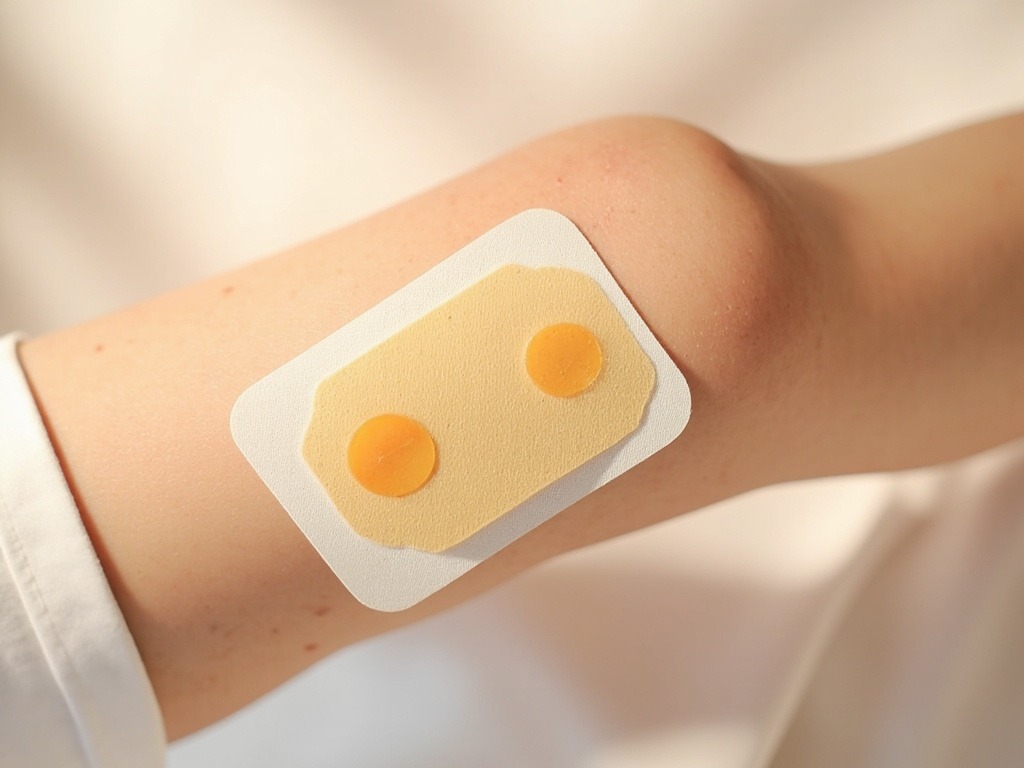
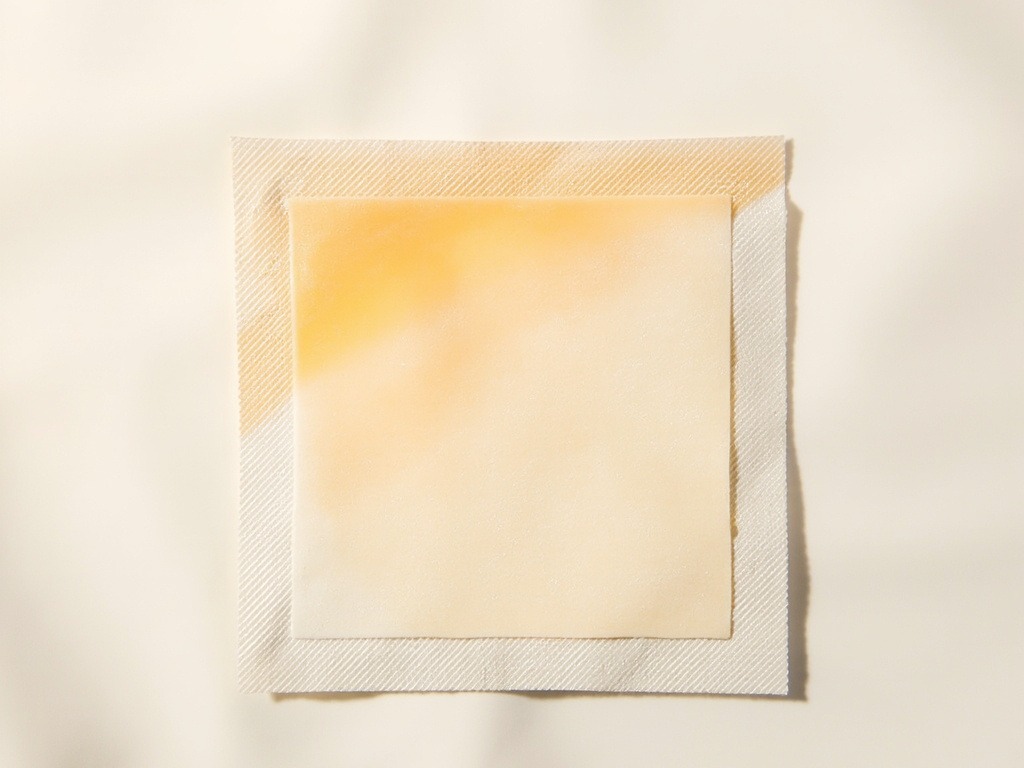
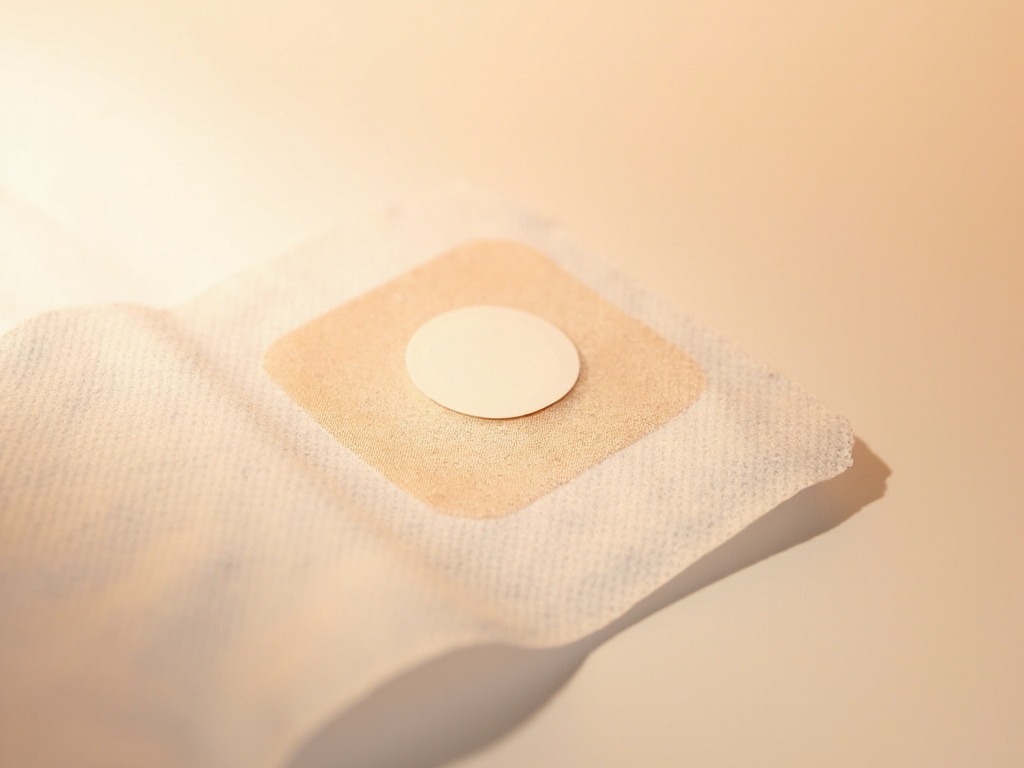
A herbal heat patch is a single-use, air-activated topical warming product that uses the oxidation of iron powder to deliver a steady surface temperature in the 40°C (104°F) range for roughly 6–12 hours, depending on the brand and the air access the pouch gets inside its wrapper. The "herbal" label usually refers to non-drug botanical powders layered into the sachet — ginger, capsicum, mugwort, wormwood, lavender — rather than synthetic menthol or methyl salicylate. For a buyer weighing the three main formats on the shelf, this page walks through how each one actually works, where heat helps, where it makes things worse, and how to run a fair side-by-side trial at home.
How the three patch formats actually heat up
The three options sit on the shelf together and look similar, but they generate temperature by different chemistry, which is why wear time, intensity, and safety checks differ.
| Format | Heat source | Typical peak temp | Average wear time | Needs a microwave? | Main limitation |
|---|---|---|---|---|---|
| Iron-powder (air-activated) heat patch | Oxidation of iron powder in air | ~40°C (104°F) | 6–12 h | No | Stops working once the pouch is sealed off from oxygen |
| Microwavable herbal wrap | Reheated grain or clay fill (wheat, buckwheat, clay) | ~45–55°C for 10–20 min | 10–30 min per cycle | Yes | Cools quickly; uneven heating; risk of burns if overheated |
| Menthol / capsaicin topical patch | TRPV1 receptor activation (cooling or warming sensation) | No real heat; perceived warmth | 4–8 h | No | Skin irritation; does not raise tissue temperature |
The iron-powder adhesive patch is the only one of the three that genuinely raises skin temperature. The microwavable wrap reaches a higher peak in the first minutes but drops off fast as the fill releases its stored thermal energy into the air. Menthol and capsaicin produce a sensation that feels warming or cooling without actually transferring heat, which is why users with deep muscle stiffness often find them weaker than expected.
When heat makes sense, and when it backfires
Heat is useful for muscle stiffness, not for acute inflammation. A practical rule: if the area is acutely swollen, hot to the touch, or you remember a sudden tear or twist, skip heat for the first 48–72 hours and use cold. Heat becomes the better choice for chronic ache, post-workout tightness, menstrual cramping, and the morning stiffness that comes with desk-bound weeks. The "Adams" part of the buyer query — readers asking about formats strong enough for an adult working a physical job — usually points to a longer-wear iron-powder patch rather than a short-burst wrap.
Skip heat entirely and reach for a clinician instead if you have any of the following:
- Open skin, broken skin, or a fresh wound over the target area.
- Suspected deep vein thrombosis, a known blood-clot history, or active varicose-vein inflammation.
- Peripheral neuropathy, diabetes with reduced sensation, or circulatory disease — burns can develop without you feeling them.
- Pregnancy, with heat applied to the abdomen or lower back, unless your clinician has cleared it.
- Recent acute injury, swelling, or fever — cold is the safer first-line option in the first 48–72 hours.
Step-by-step first use of an iron-powder herbal patch
First-time users often open the sachet, slap the patch on, and wonder why the heat feels delayed or why it stops early. The sachet is a controlled oxidation chamber, so small handling steps change the result.
- Keep the patch sealed in its outer pouch until the moment you put it on. Once opened, oxygen starts the reaction; you cannot pause it by re-sealing.
- Shake the sachet gently for 5–10 seconds to distribute the iron powder evenly across the cell. Settled powder creates cold spots.
- Peel the backing film and place the patch on clean, dry skin over the sore muscle or joint. Clothing absorbs some heat — direct skin contact is more efficient.
- Expect a 10–20 minute ramp-up. The first 30 minutes often feel slightly underwhelming; peak temperature follows once the oxidation reaches steady state.
- Wear for the time listed on the label — usually 6–12 hours. Do not reheat, microwave, or sleep on top of the patch to "boost" it.
- Remove slowly. Adhesive residue washes off with warm water and a drop of soap; aggressive rubbing can irritate skin that has been under heat for hours.
A quick comparison vs. a microwavable wrap
If you own both, use the iron-powder patch for a workday, a long drive, or overnight stiffness. Keep the microwavable wrap for the 15-minute window after a hot shower, when its short, intense heat fits the moment without dragging on. Menthol patches are the lowest-friction option for daytime use under clothing where you want a sensation reminder rather than true tissue warming.
The cold-vs-heat rule in one paragraph
Cold for the first 48–72 hours after an acute injury because it limits swelling and numbs sharp pain. Heat after that window, or right away for chronic tension, because it relaxes contracted muscle and improves local blood flow. The simplest signal: if the body part is hot and swollen, cool it; if it is stiff and achy, warm it. The rule is consistent across physiotherapy and sports-medicine guidance, and it sits comfortably inside mainstream consumer self-care practice. For any borderline case — numbness, fever, unexplained swelling, or pain that wakes you at night — book a clinician rather than escalate either modality.
Limitations, safety, and what the label will not tell you
No consumer heat patch is a medical device in the strict sense, and the warming sensation is not a treatment for any underlying condition. Adhesive irritation can develop on sensitive skin even with short wear, and iron-powder patches should not be worn during an MRI, on broken skin, or under a tight compression layer that traps heat. Menthol and capsaicin variants can interact with certain blood-pressure medications and topical prescriptions, so a quick check with a pharmacist is worth the trip if you are on regular medication. Pediatric use, pregnancy, and circulatory conditions all warrant a clinician conversation before regular use. Patch performance is also environmental — an iron-powder sachet running in a cold winter coat pocket will not peak as high as the same sachet in a warm indoor setting, because the underlying oxidation reaction is temperature-sensitive.
Buyer checklist before you pick a format
- Do you need real heat, or a sensation? Real heat → iron-powder patch. Sensation → menthol or capsaicin.
- How long do you need to wear it? Under 30 minutes → microwavable wrap. Half a day → iron-powder patch.
- Will you wear it under clothing? Iron-powder patches are slim; bulkier wraps are not.
- Is the skin intact and sensation normal? If not, shorten wear time or pick a non-heat option.
- Do you have circulation issues or take topical prescriptions? Ask a pharmacist before using any warming patch.
What "herbal" usually means on the label
Most "herbal" heat patches carry a small blend of plant powders mixed into the sachet, separate from the iron-powder oxidation cell. Common inclusions are ginger rhizome, capsicum, mugwort, wormwood, and lavender — each added for traditional or sensory reasons rather than for a measurable pharmacological effect. The warming you feel is still the iron-powder oxidation at 40°C (104°F); the herbal layer is mostly a scent and a marketing story. If you have a known botanical allergy, read the full ingredient list instead of trusting the front-of-pack word.
FAQ
How long does an iron-powder heat patch actually stay warm? Most reach peak within 20–30 minutes and hold a useful temperature for 6–12 hours, depending on the brand and the air access the sachet gets.
Can I cut a heat patch to fit a smaller area? Cutting the pouch exposes the iron powder and stops the controlled oxidation. Stick to the original size.
Is 40°C safe to sleep on? Most healthy adults tolerate it, but sleeping on a heat source reduces your ability to notice a burn. Removing the patch before sleep is the safer habit.
Can I wear it on my lower back at the office all day? Yes, if the skin is intact and you stay hydrated. Stand up every hour or two to keep circulation moving.
About the manufacturer referenced
For readers interested in how herbal warming patches are produced at scale, including sachet assembly, lamination, and filling of iron-powder cells, an overview of contract manufacturing for transdermal warming products is available at pharmaceutical patch OEM. The link is provided for general reference on the format and production approach; specific performance, certification, or regulatory claims are not made here and should be confirmed directly with the manufacturer before any purchase decision.
CATEGORIES
LATEST NEWS
CONTACT US
QQ: 396269538
Phone: 17796669065
Tel: 17796669065
Email: 396269538
Add: Room 001, 1st Floor, Building 1, Zhengzhou Hangmei International Smart City, Intersection of S102 and Nanquan Road, Xuedian Town, Xinzheng City, Zhengzhou, Henan Province, China