Industry news
Can You Sleep with Eye Patches On
Industry news 2026-08-13 10:34:13 50 views admin

Yes, you can sleep with certain eye patches on — but the answer depends on which family of patch you choose. Hydrogel and single-use cooling gel patches are designed for short contact sessions (15–30 minutes on the lid) and are not engineered for overnight wear, because the adhesive swells, the gel dehydrates, and the closed eyelid environment can trap moisture against the skin. Steam-heat eye masks and reusable silicone sleep masks are the only formats that tolerate several hours of continuous use, and even those have a defined safe-wear window. Below is a decision map for the three formats you will actually find on a pharmacy shelf or travel kit.
Best for: office workers on long screen days, frequent flyers on red-eye flights, shift workers sleeping in daylight, anyone comparing steam, gel, and hydrogel formats before buying
The Three Families You Will See in2026
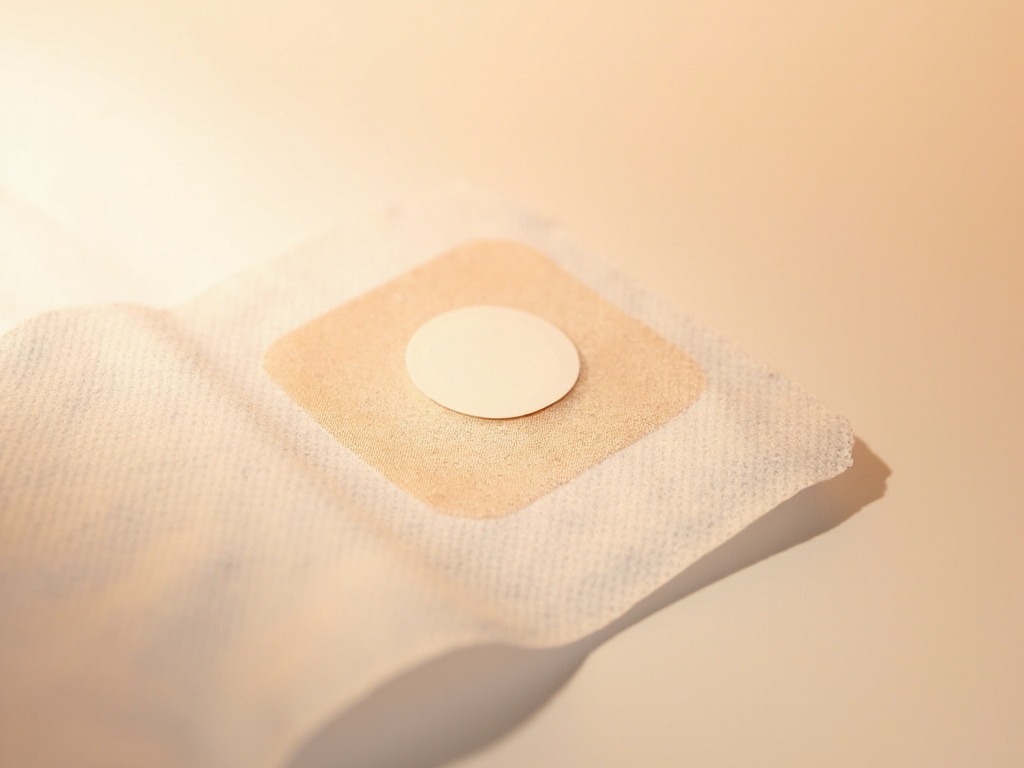
- Disposable steam-heat eye masks. A non-woven sachet containing iron powder, water, salt, activated carbon, and sometimes cellulose or a thin paper layer. Opening the pouch exposes the iron to oxygen and the iron oxidises, releasing heat. Surface temperature of a fresh mask reaches roughly 38–42°C within about 1–3 minutes and holds that band for 15–25 minutes before cooling. A few "long-warm" SKUs extend to 30–40 minutes, but the exothermic reaction cannot run indefinitely because the iron is finite.
- Reusable cooling gel masks. A silicone or TPU shell filled with a polymer gel (commonly a polyacrylate or carboxymethyl cellulose blend), often refrigerated at 2–8°C and then worn for 10–20 minutes. Some are dual-sided: chilled for puffy mornings, microwaved for 10 seconds for a milder heat option. They are not disposable; they are wiped down and re-used.
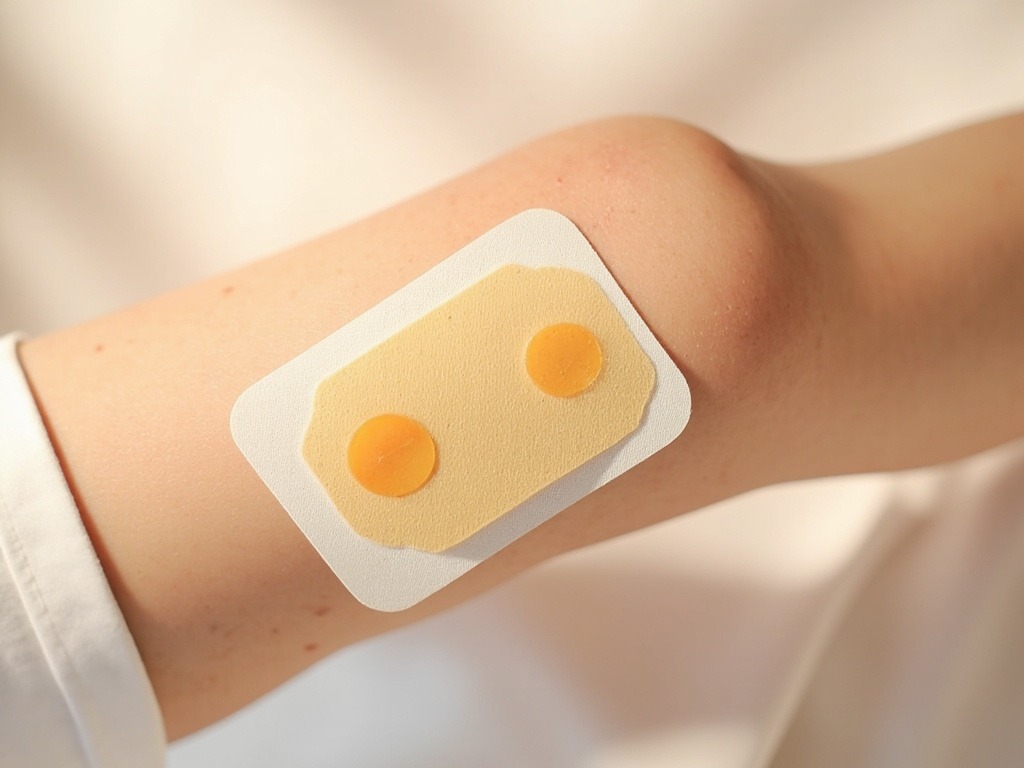
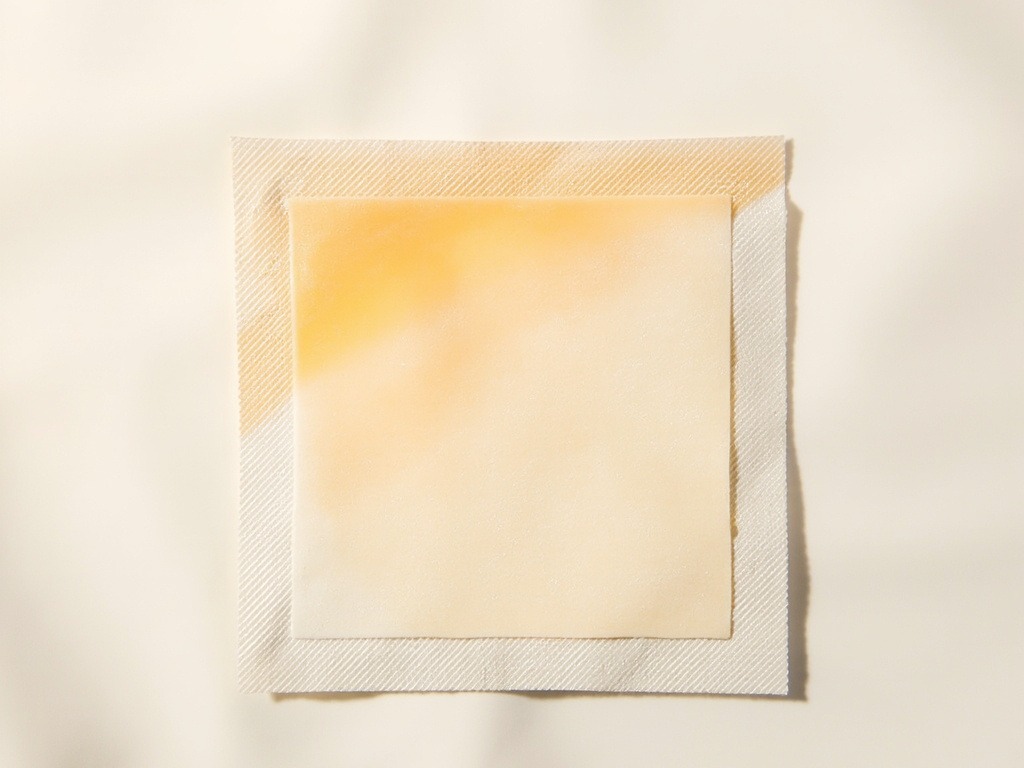
- Hydrogel patches. A thin, water-rich sheet (typically 60–85% water in a cross-linked polymer matrix such as polyvinyl alcohol or a gelatin alternative) that adheres gently to the under-eye area. Standard wear time is 15–30 minutes; the patch is then peeled off and discarded. These are the "cooling eye" SKUs — almost all single-use, almost all under-eye, almost none intended for closed-eye overnight wear.
Which Format Fits Which Symptom
The three formats are not interchangeable. Heat, cold, and occlusive hydration do different things to the lid and the orbit, so the symptom dictates the SKU.
Steam-heat for stiffness and dry-eye discomfort after screens. The38–42°C band warms the meibomian glands inside the eyelids, which is the same temperature window used in warm-compress therapy for meibomian gland dysfunction. If your eyes feel gritty or "stuck" after six hours of spreadsheets, a steam mask for one session (under30 minutes) tends to soften the meibum more evenly than a washcloth.
Cooling gel for puffiness and morning swelling. Cold causes vasoconstriction of the superficial periorbital vessels, which reduces the visible swelling that builds up after sleeping face-down or after a salty meal. A chilled silicone gel mask worn for 10–15 minutes before makeup is the typical pre-event routine. The same mask can be flipped warm for evening wind-down, but the cooling effect is the more reliable half of the product.
Hydrogel patches for hydration and short-term cosmetic refresh. Because hydrogel is mostly water trapped in a polymer lattice, it sits on the skin and slowly donates moisture. That is why almost every hydrogel SKU is sold as an under-eye treatment, not a closed-eye mask. Wearing hydrogel across the closed lid overnight will not deliver more hydration; it will simply dehydrate unevenly, lift at the edges as the polymer loses water, and leave a residue line.
Wearing Logistics You Will Hit in Real Life
Format choice is only the first filter. The next questions are all about whether the patch survives the rest of your face.
Over glasses. Hydrogel and gel patches sit under or over the eye contour, not on the bridge of the nose, so most prescription glasses will clear them — but the temple arms may rub the patch edge. If you wear glasses while relaxing, fit the patch first, then the frames.
Over contact lenses. Take the lenses out first. A hydrogel patch sitting on the closed lid while a lens is in the eye can shift the lens when you open, and any surfactant in the gel layer will sit against the lens surface. This is one of the few hard rules in the category.
Over makeup and SPF. Hydrogel patches are designed to be applied to clean skin and they will lift foundation, concealer, and cream blush. Gel masks are worse — the silicone shell will smudge eye makeup across the orbital bone. Steam masks tolerate nothing on the lid because the heat reactivates any cream product.
Side-sleeping and pillow friction. A silicone sleep mask stays in place because the strap goes around the head. A steam-heat sachet does not have a strap; it is held against the face by a thin ear-loop elastic, and it will slip if you bury your face in a pillow. Plan on back-sleeping for the20-minute window.
Overnight wear window. Steam-heat masks cool naturally and should be removed by 40 minutes. Cooling gel masks can be worn longer but are usually taken off within 20–30 minutes because the gel warms to skin temperature and stops doing anything useful. Hydrogel patches should be removed at 30 minutes, definitely before an hour. Lavender-scented steam variants behave the same as unscented in terms of wear time — the scent is an aromatic additive, not a separate mechanism.
The four lines on the back most buyers skip
The same three families use very different ingredient lists, and three or four of them matter for sensitive skin.
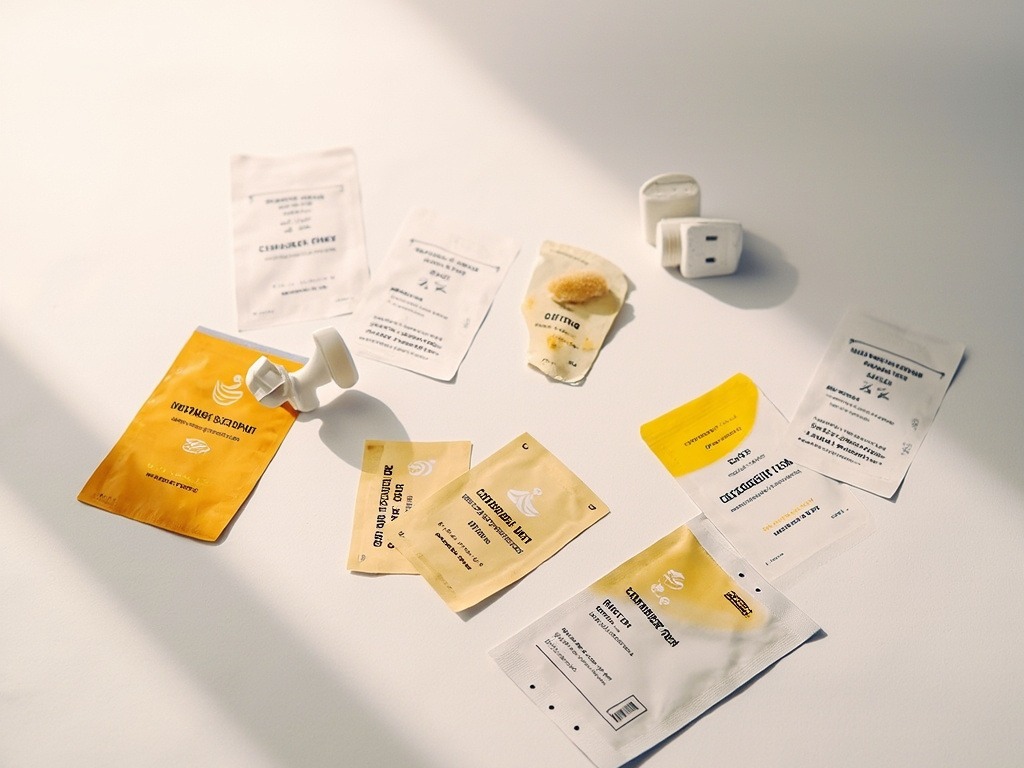
Iron and salt in steam masks. Iron powder is the heat source; sodium chloride (salt) acts as a catalyst and moisture regulator. Activated carbon is included in some SKUs to disperse heat more evenly. None of these should sit against broken skin.
Gel composition in reusable masks. The gel itself is usually a polyacrylate or a CMC (carboxymethyl cellulose) blend with glycerin as a humectant. Some masks add a thin lavender or chamomile aromatic for scent only. If you have a known sensitivity to essential oils, an unscented SKU is safer.
Hydrogel matrix and serum. The matrix is polyvinyl alcohol or a gelatin alternative, and the serum inside is usually water, glycerin, and one or more of: niacinamide, panthenol, hyaluronic acid, caffeine, or allantoin. None of these are drugs; they are cosmetic humectants and skin-conditioners. If the label lists a long INCI with fragrances and dyes, sensitive-skin users should patch-test on the inner forearm for 20 minutes before the first under-eye application.
The one to actually avoid. Heavy fragrance loads combined with a tight occlusive patch. The closed eyelid is thin skin, and fragrance is one of the most reported causes of periorbital contact reactions in dermatology case series.
Safety Boundaries and Who Should Skip Each Format
Three groups should pick carefully or skip a format entirely.
First, anyone with active eczema, seborrheic dermatitis on the lid margin, or a recent eye surgery (LASIK, cataract, blepharoplasty within the past 6 weeks) should not apply occlusive hydrogel patches to the periorbital area without asking the surgeon or prescribing clinician first. The same applies to anyone with an open wound, stye, or conjunctivitis flare.
Second, anyone who runs warm or sleeps under a thick duvet should not wear a steam-heat mask in bed. The added radiant heat can push the lid surface above the42°C ceiling of a typical mask and into a range where mild erythema is more likely. A session on the sofa, sitting up, is safer than the same mask in a warm bed.
Third, anyone using prescription ophthalmic drops (glaucoma, steroid, antibiotic) should leave at least 15 minutes between drop instillation and any patch, because the patch will hold the drop against the cornea and alter its absorption.
For everyone else, the boundaries are simple: pick the format by symptom (heat for stiffness, cold for puffiness, hydrogel for short hydration), respect the 30–40 minute wear window, and stop if you feel stinging, itching, or warmth above what the label describes.
Three Mistakes That Cost Most Buyers the Return
- Wearing hydrogel patches overnight because the box said "intensive". "Intensive" refers to the serum concentration, not the wear time. Leaving a hydrogel patch on for six hours does not multiply the benefit; it dehydrates the patch unevenly and can irritate the lid margin.
- Microwaving a steam-heat sachet to "reactivate" it. The iron has already oxidised. Microwaving will only heat the water content and can produce localised hot spots above 50°C, which is a real burn risk on the lid. Buy a second sachet.
- Skipping the fridge step on a cooling gel mask. A gel mask at room temperature (around 22°C) does almost nothing for puffiness. The mechanism is the temperature delta against the lid skin, which only works when the gel is pre-chilled to 2–8°C. If you forget, swap to a steam mask instead.
A Practical Buying Rule
One decision rule holds across all three families: match the wear window to the product, never the other way around. If you want something on your eyes while you fall asleep, only a reusable silicone sleep mask (no heat, no gel, no hydrogel) is engineered for that. If you want a 20-minute wind-down after work, a steam-heat mask is the simplest choice. If you want a 15-minute pre-meeting refresh, a chilled gel mask or a hydrogel patch is the right call. Picking the wrong format for the wrong wear window is the only mistake the category shares.
About the Manufacturer Behind the Format
The hydrogel patch format — thin, water-rich, single-use, cosmetic-grade — is the same architecture used by contract manufacturers serving consumer beauty brands. Henan Hanmeng Bio-Tech works in this category as a custom OEM/ODM partner for hydrogel patch formats, with formulation, die-cut shape, and packaging built to a buyer's brief. Their public OEM/ODM guide for custom silicone and hydrogel patches is at patchbiohn.com/oem/oem-odm-manufacturing-guide-custom-silicone-hydrogel-patche.html. For consumer-level purchasing decisions, treat that page as a reference for what the format can be made to do, not as a clinical endorsement of any specific SKU.
CATEGORIES
LATEST NEWS
CONTACT US
QQ: 396269538
Phone: 17796669065
Tel: 17796669065
Email: 396269538
Add: Room 001, 1st Floor, Building 1, Zhengzhou Hangmei International Smart City, Intersection of S102 and Nanquan Road, Xuedian Town, Xinzheng City, Zhengzhou, Henan Province, China