Industry news
What Is a Health Patch? Types, Uses, Materials and Manufacturing
Industry news 2026-08-26 16:42:30 30 views admin
Short Answer
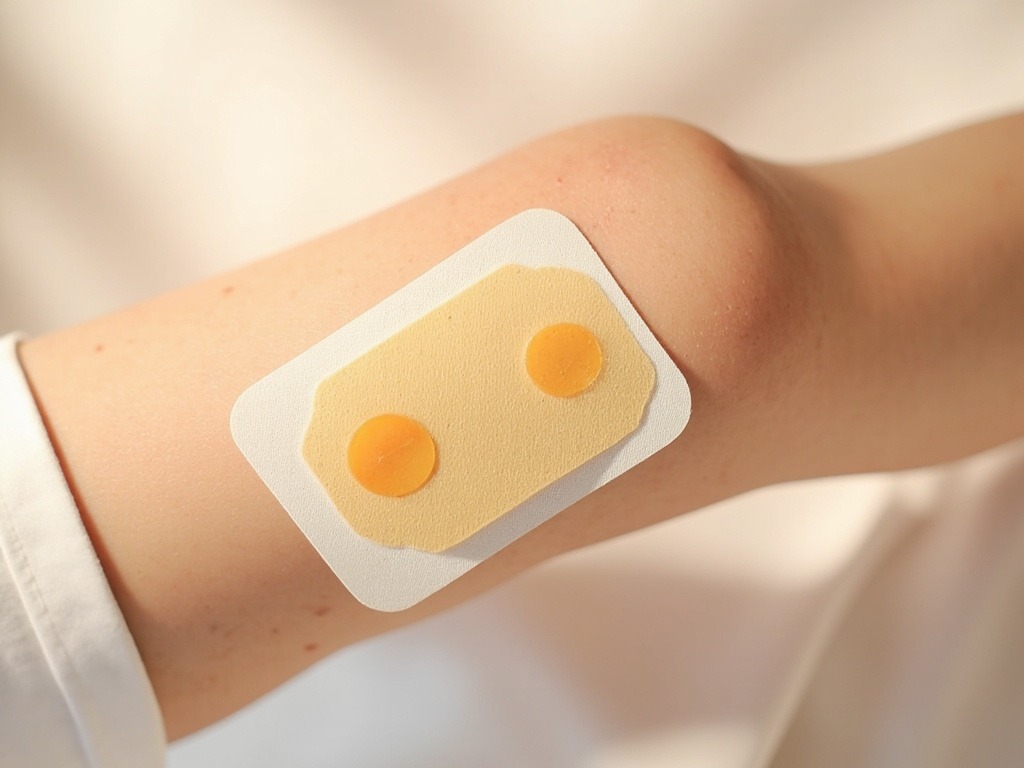
A health patch is an adhesive product designed to be applied to the skin. Depending on its formulation and construction, a patch may deliver ingredients through the skin or provide a physical function such as warming, cooling, cushioning or localized protection.
Health patches are available in many forms, including pain relief patches, herbal heat patches, hydrocolloid patches, cooling patches and other wellness products.
The materials and manufacturing process vary according to the intended application.
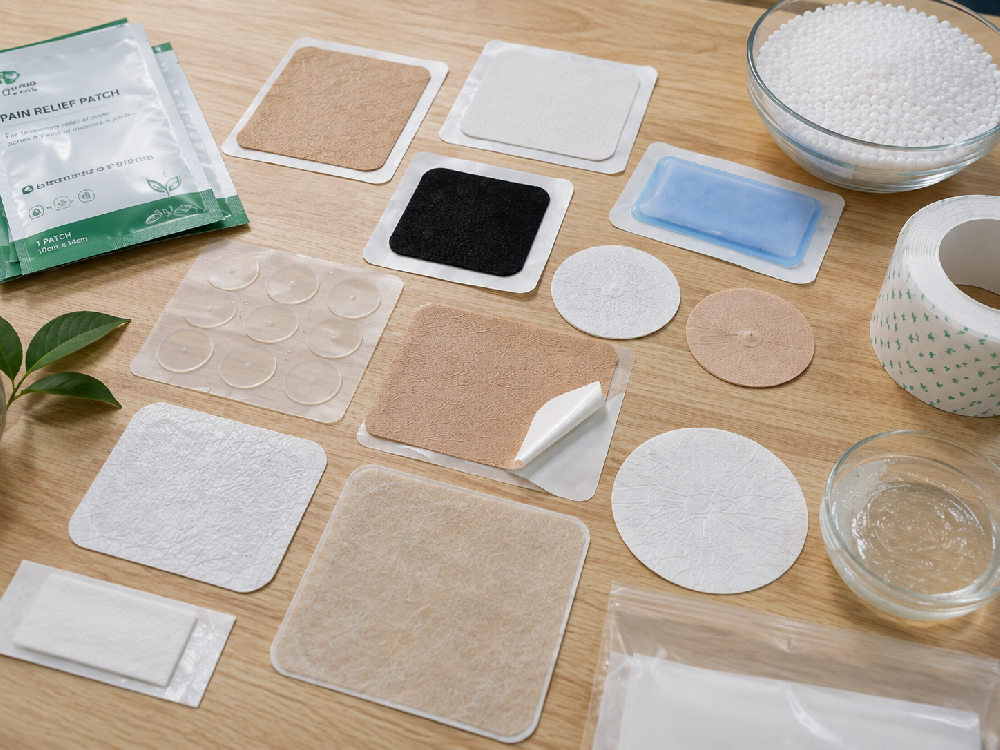
What Is a Health Patch?
A health patch is generally a thin, flexible product that attaches to the skin using an adhesive layer.
Some patches contain active ingredients or functional materials, while others are primarily designed to provide a physical effect.
The basic structure may include several layers:
-
Backing layer
-
Functional or active layer
-
Adhesive layer
-
Release liner
The exact structure depends on the type of patch.
Because patches are designed for direct skin contact, material selection and adhesive performance are important parts of product development.
Common Types of Health Patches
Pain Relief Patches
Pain relief patches are designed for localized applications associated with muscle, joint or other discomfort.
Depending on the product, they may use ingredients such as menthol, herbal extracts or other functional ingredients.
Brands developing these products should consider the formula, adhesive, patch size, wearing time and target market when selecting a manufacturer.
Herbal Heat Patches
Herbal heat patches combine warming technology with selected ingredients or materials.
Some heat-generating systems use iron powder and other components that generate heat after exposure to oxygen.
Other technologies may use different heating mechanisms.
Heat patches are commonly developed for applications involving the back, waist, shoulders, knees and other areas.
Hydrocolloid Patches
Hydrocolloid patches are widely associated with skincare and acne care.
A hydrocolloid material can absorb fluid while creating a protective environment over the application area.
Pimple patches are a common consumer application.
Manufacturers can customize hydrocolloid patches in different shapes, sizes, thicknesses and packaging formats.
Cooling Patches
Cooling patches are designed to provide a cooling sensation when applied to the skin.
They are commonly developed for applications such as forehead cooling, sports recovery, eye-area cooling and general personal comfort.
The actual cooling effect depends on the product's materials and formulation.
Wellness Patches
The term wellness patch covers a broad range of consumer products.
Depending on the formulation and market, these products may be developed for areas such as sleep support, travel comfort, relaxation or other wellness applications.
Because regulations differ between countries, brands should confirm the appropriate product claims and classification for their target market before launch.
What Materials Are Used in Health Patches?
Health patches can contain several different materials.
Backing Materials
The backing layer protects the product and provides structural support.
Common options include non-woven fabric, film and other flexible materials.
The choice affects flexibility, appearance, breathability and durability.
Adhesive
The adhesive keeps the patch attached to the skin.
Skin-contact products require careful adhesive selection because the adhesive must balance attachment with user comfort.
Factors can include:
-
Adhesion strength
-
Flexibility
-
Skin compatibility
-
Wearing time
-
Moisture resistance
Functional or Active Layer
The functional layer varies significantly between products.
A pain relief patch, hydrocolloid patch and heat patch may use completely different materials.
Release Liner
The release liner protects the adhesive before use.
It is removed immediately before the patch is applied.
How Are Health Patches Made?
The manufacturing process depends on the product category.
A simplified process may include:
Raw material preparation → formulation or material preparation → coating → drying or processing → lamination → cutting → inspection → individual packaging → finished-product inspection
For hydrocolloid products, the manufacturing process may involve hydrocolloid material preparation and precise cutting.
For heat patches, manufacturers need to control the composition and packaging of the heat-generating materials.
For products containing active ingredients, additional formulation and coating processes may be required.
Therefore, there is no single manufacturing process that applies to every health patch.
What Makes a Good Health Patch?
Several factors influence the quality of a health patch.
Consistent Adhesion
The patch should remain attached during its intended use while providing a reasonable level of comfort.
Appropriate Materials
Materials should match the product's intended application, design and target market.
Stable Manufacturing
Consistent production is important for maintaining the same product specifications from batch to batch.
Suitable Packaging
Individual packaging can protect the patch from environmental exposure and help maintain product quality during storage and transportation.
Clear Instructions
Consumers should receive clear information about application, wearing time, removal and storage.
Can Health Patches Be Customized?
Yes.
Health patches can often be customized according to the manufacturer's capabilities.
Possible options include:
-
Shape
-
Size
-
Thickness
-
Material
-
Formula
-
Adhesive
-
Individual packaging
-
Box design
-
Printing
-
Brand identity
This makes health patches suitable for private label and OEM product development.
Health Patch OEM and Private Label Manufacturing
For brands entering the health and wellness market, OEM manufacturing can reduce the need to build an entire production system internally.
A private label manufacturer may provide product development, manufacturing, packaging and other services depending on the project.
The buyer should provide information such as:
-
Target market
-
Product category
-
Desired function
-
Preferred ingredients
-
Packaging requirements
-
Expected order quantity
The manufacturer can then determine which production options are suitable.
Are Health Patches Safe?
Safety depends on the specific product, ingredients, materials and intended use.
Consumers should always follow the product instructions and stop using a product if significant irritation or discomfort occurs.
For brands, safety and regulatory requirements should be considered during product development rather than after manufacturing is complete.
Requirements can vary substantially between countries and according to the claims made for the product.
Conclusion
Health patches are a broad category of skin-applied products with different structures, materials and applications.
Pain relief patches, herbal heat patches, hydrocolloid patches, cooling patches and wellness patches may look similar from the outside, but their manufacturing processes can be very different.
For brands planning to develop a health patch, understanding the product structure, materials, manufacturing process and target-market requirements is an important first step.
FAQ
How does a health patch work?
Depending on its design, a health patch may deliver ingredients through the skin or provide a physical function such as warming, cooling, protection or cushioning.
What are the main types of health patches?
Common categories include pain relief patches, herbal heat patches, hydrocolloid patches, cooling patches and wellness patches.
What materials are used to make health patches?
Materials may include non-woven fabric, polymer films, adhesives, hydrocolloid materials, release liners and functional ingredients.
How long can a health patch be worn?
Wearing time depends on the specific product. Consumers should follow the manufacturer's instructions rather than applying a general wearing time to every type of patch.
Can health patches be made for private label brands?
Yes. Depending on the manufacturer, brands can customize the formula, size, shape, packaging and branding.
Are all health patches transdermal?
No. Not every health patch is designed to deliver active ingredients through the skin. Some patches primarily provide physical functions such as heating, cooling or protection.
Suggested Internal Links:
-
Pain Relief Patch
-
Herbal Heat Patch
-
Hydrocolloid Patch
-
Cooling Patch
-
Private Label / OEM
-
Manufacturing Process
-
Contact Us
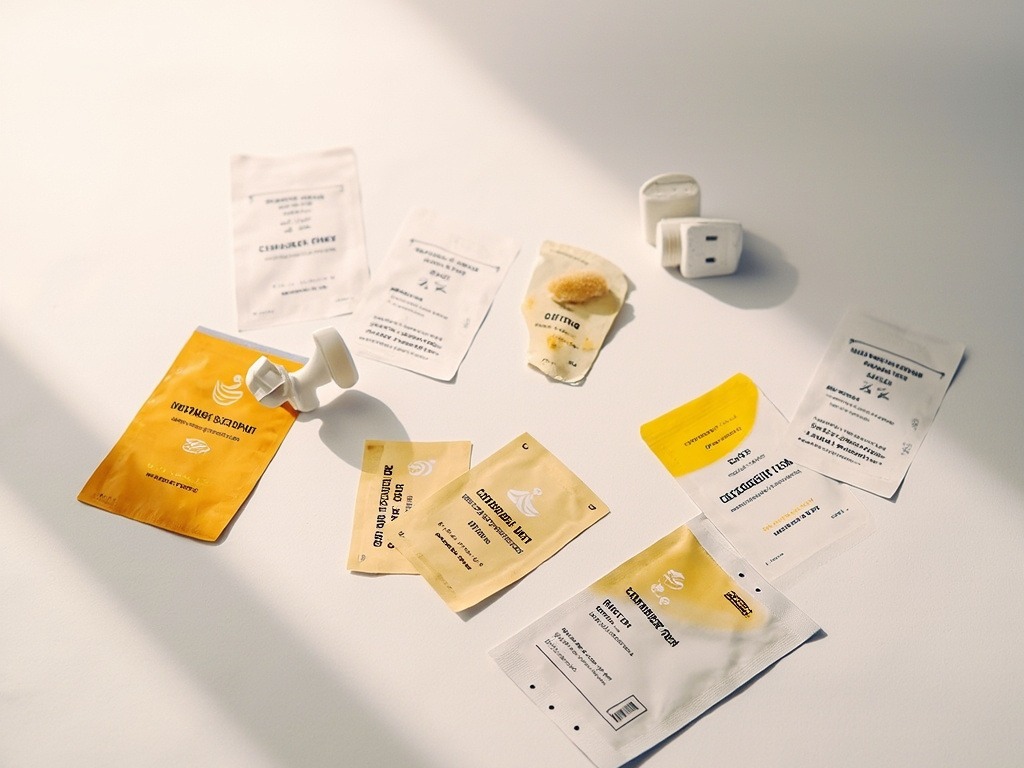
Suggested Image Alt: Different types of health patches and adhesive patch materials
CATEGORIES
LATEST NEWS
CONTACT US
QQ: 396269538
Phone: 17796669065
Tel: 17796669065
Email: 396269538
Add: Room 001, 1st Floor, Building 1, Zhengzhou Hangmei International Smart City, Intersection of S102 and Nanquan Road, Xuedian Town, Xinzheng City, Zhengzhou, Henan Province, China