Industry news
How to Choose a Health Patch Manufacturer in China
Industry news 2026-08-28 09:28:01 26 views admin
Short Answer
Choosing a health patch manufacturer in China requires more than comparing factory quotations. Buyers should evaluate manufacturing experience, product capabilities, quality control, OEM/ODM services, customization, minimum order quantity, production lead time, communication and long-term supply stability.
The right manufacturer should be able to provide clear product specifications, samples, production information and documentation before a buyer commits to a large order.
For brands developing pain relief patches, herbal heat patches, hydrocolloid patches, cooling patches or other adhesive products, a careful supplier evaluation can reduce production and sourcing risks.
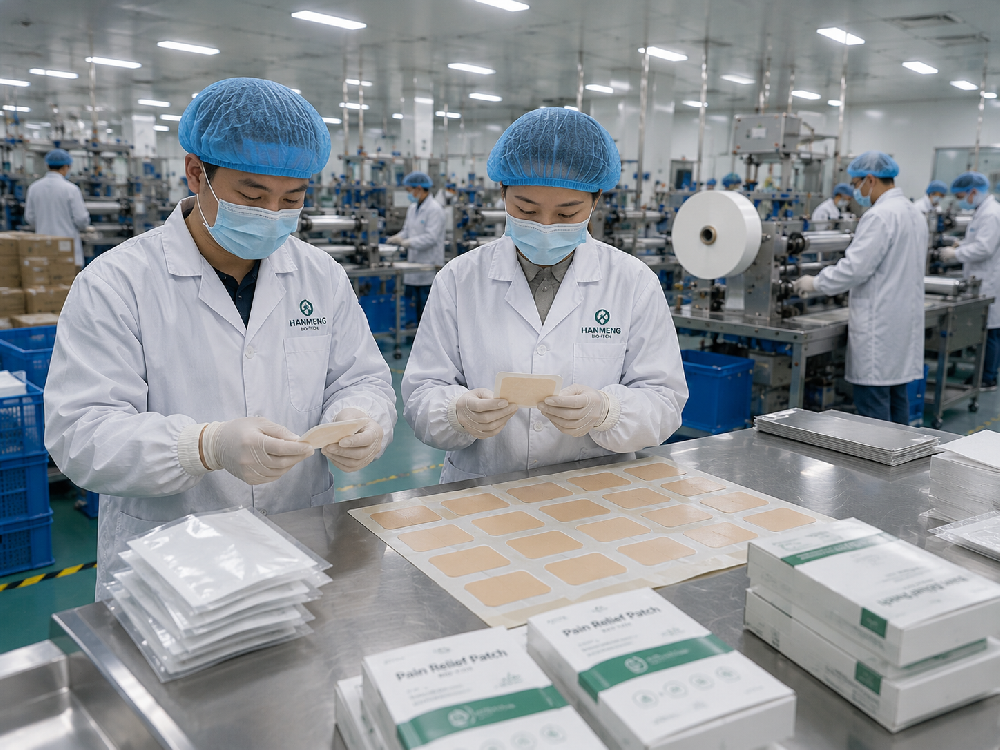
Why Choose a Chinese Health Patch Manufacturer?
China has a large manufacturing ecosystem for adhesive products, healthcare products and consumer wellness products. For international brands, Chinese manufacturers can offer flexible production, product customization and private label services.
However, "Made in China" alone does not tell a buyer whether a particular factory is suitable.
Two manufacturers may offer similar products while having very different capabilities in:
-
Product development
-
Raw material sourcing
-
Production equipment
-
Quality control
-
Packaging
-
Documentation
-
OEM/ODM support
-
Order management
Therefore, supplier selection should focus on the actual factory rather than the country of origin.
10 Factors to Evaluate Before Choosing a Manufacturer
1. Manufacturing Experience
Start by asking how long the manufacturer has been producing the type of patch you need.
Experience should be relevant to your product category.
For example, a factory experienced in hydrocolloid acne patches may use different materials and production processes from a manufacturer specializing in heat patches or topical pain patches.
Ask for examples of similar products and sample specifications.
2. Product Range
A manufacturer with several compatible product categories can make future product expansion easier.
Depending on the factory, available categories may include:
-
Pain relief patches
-
Herbal heat patches
-
Hydrocolloid patches
-
Cooling patches
-
Wellness patches
-
Nasal strips
-
Hydrogel patches
-
Customized adhesive products
The important point is not simply how many products appear in a catalog. Buyers should determine whether those products are actually manufactured by the factory or sourced from another supplier.
3. OEM and ODM Capability
OEM and ODM are important terms for private label brands.
With OEM manufacturing, the buyer normally provides detailed product specifications and branding requirements.
With ODM, the manufacturer may contribute to product development, materials, formulation or product configuration.
Before starting a project, clarify:
-
Who owns the formula?
-
Who selects the raw materials?
-
Who controls the product specifications?
-
Can the formula be customized?
-
Who provides regulatory documentation?
-
Can the packaging be customized?
Clear responsibility at the beginning can prevent disputes later.
4. Quality Control
Quality control should cover the entire production process rather than only the finished product.
A professional manufacturer should have procedures for:
-
Incoming raw material inspection
-
Production monitoring
-
Adhesive performance
-
Product dimensions
-
Appearance
-
Packaging
-
Finished-product inspection
-
Batch records
For medical-device or regulated products, buyers should also verify the applicable quality-management system and documentation for their target market.
The factory's existing website presents ISO 13485 and other compliance-related capabilities, but buyers should always request current certificates and verify that their scope matches the specific manufacturing site and product.
5. Product Customization
Private label brands often require more than a printed logo.
Depending on the manufacturer, customization can include:
-
Patch size
-
Patch shape
-
Backing material
-
Adhesive
-
Formula
-
Functional ingredients
-
Individual pouch
-
Outer box
-
Printing
-
Instructions
-
Carton packaging
Ask the manufacturer which changes can be made using existing production processes and which changes require new tooling or development.
6. Sample Development
Never rely only on catalog photographs.
Request physical samples before mass production.
Samples allow buyers to evaluate:
-
Appearance
-
Size
-
Adhesion
-
Flexibility
-
Packaging
-
Material feel
-
User experience
If you already have a reference product, sending the manufacturer a sample can also make technical communication easier.
7. MOQ
Minimum order quantity can significantly affect the economics of a new product.
A low MOQ can be useful for a new brand testing a market, while larger orders may provide better unit economics.
MOQ can depend on:
-
Product formula
-
Material
-
Patch size
-
Packaging
-
Printing
-
Tooling
-
Production process
Therefore, ask for the MOQ for your actual specification instead of accepting a generic number.
8. Production Lead Time
Lead time should include more than the time required to manufacture the patches.
Ask separately about:
-
Sample development
-
Artwork approval
-
Raw material preparation
-
Production
-
Quality inspection
-
Packaging
-
Final shipment
This gives buyers a more realistic picture of the project timeline.
9. Communication
Good communication is particularly important for customized products.
A manufacturer should be able to provide clear answers about specifications, samples, packaging, production schedules and quality issues.
A simple test is to send the same product brief to several manufacturers and compare how accurately they understand your requirements.
The cheapest quotation is not necessarily the best quotation if the supplier misunderstands the product specification.
10. Long-Term Support
A supplier should be evaluated not only for the first order but also for future production.
Ask whether the manufacturer can support:
-
Repeat orders
-
New sizes
-
New packaging
-
Additional SKUs
-
Formula adjustments
-
Documentation updates
-
Quality complaints
-
Production expansion
A long-term manufacturing relationship can be particularly valuable for brands that plan to develop multiple patch products.
What Questions Should You Ask a Health Patch Manufacturer?
Before placing an order, prepare a basic supplier questionnaire.
Useful questions include:
-
Do you manufacture this product in your own factory?
-
Can you provide samples?
-
What is the MOQ?
-
What customization options are available?
-
Can you support private label packaging?
-
What quality-control procedures are used?
-
What documentation can you provide?
-
What is the estimated production lead time?
-
Can you support future product development?
-
Which markets do you currently supply?
The answers should be supported by documents or samples whenever possible.
How to Compare Three Manufacturers
A simple supplier comparison table can make the decision easier.
| Factor | Supplier A | Supplier B | Supplier C |
|---|---|---|---|
| Relevant experience | |||
| OEM/ODM | |||
| MOQ | |||
| Sample quality | |||
| Customization | |||
| Quality system | |||
| Lead time | |||
| Communication | |||
| Packaging | |||
| Long-term support |
This prevents buyers from choosing a supplier based only on the lowest unit price.
Final Recommendation
The best health patch manufacturer in China is not necessarily the factory with the largest catalog or lowest quotation.
Instead, look for a supplier that can demonstrate relevant manufacturing experience, consistent quality control, flexible customization, clear communication and stable production capability.
For brands planning an OEM or private label health patch project, the evaluation should begin with samples and technical specifications rather than a price comparison alone.
Hanmeng Bio-Tech currently positions itself as a health patch OEM/ODM manufacturer in Zhengzhou, with product categories including hydrocolloid patches, nasal strips and other health patch formats.
FAQ
How do I find a health patch manufacturer in China?
Search for manufacturers with relevant patch production experience and compare their factory capabilities, samples, quality systems, customization options and documentation.
What is the difference between OEM and ODM?
OEM generally means manufacturing according to the buyer's specifications, while ODM can include greater manufacturer involvement in product development.
Can I customize the formula of a health patch?
It depends on the product and manufacturer. Some factories support formula development or modification, while others only manufacture existing formulations.
What MOQ should I expect?
There is no universal MOQ. It depends on the product, formula, materials, packaging and customization requirements.
Should I order samples before mass production?
Yes. Sample evaluation is one of the simplest ways to compare product quality, materials, adhesion, packaging and overall suitability.
What documents should I request?
Depending on the product and destination market, documentation may include product specifications, quality records, test reports, certificates and other regulatory documents.
Recommended Internal Links:
-
Health Patch Manufacturer
-
Pain Relief Patch
-
Herbal Heat Patch
-
Hydrocolloid Patch
-
OEM / ODM Services
-
Manufacturing Process
-
About Us
-
Contact Us
Suggested Image Filename: how-to-choose-health-patch-manufacturer-china.jpg
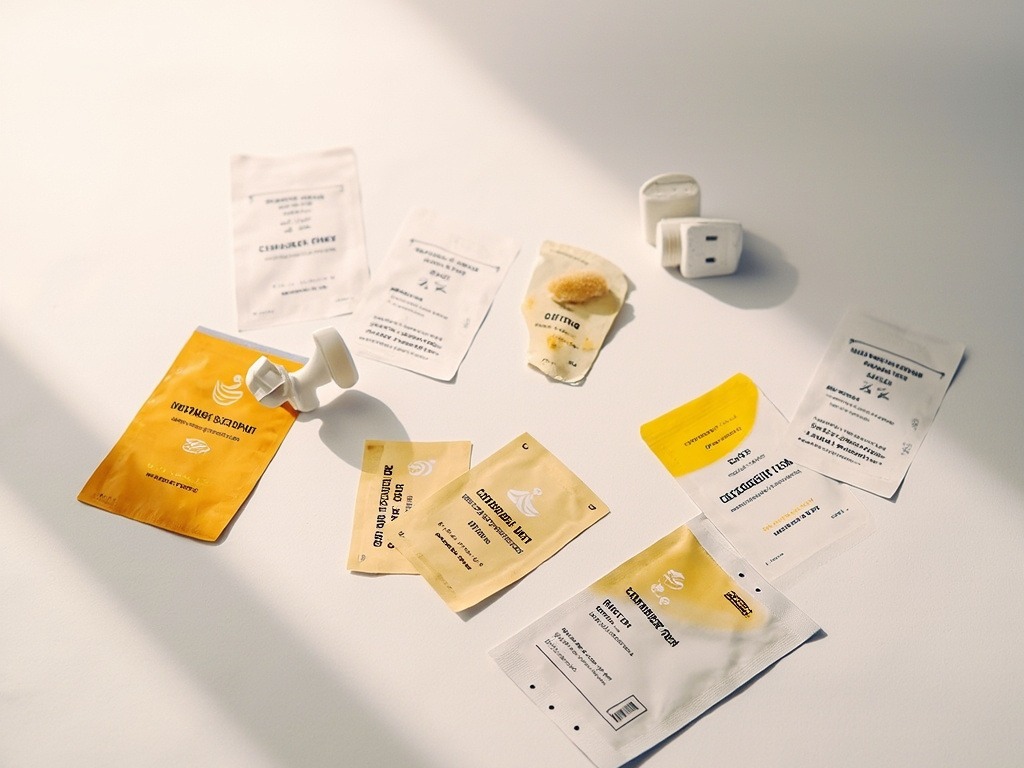
Suggested Image ALT: Health patch manufacturer production facility in China
Suggested Image Caption: A health patch production facility where materials and finished products are inspected before shipment.
CATEGORIES
LATEST NEWS
CONTACT US
QQ: 396269538
Phone: 17796669065
Tel: 17796669065
Email: 396269538
Add: Room 001, 1st Floor, Building 1, Zhengzhou Hangmei International Smart City, Intersection of S102 and Nanquan Road, Xuedian Town, Xinzheng City, Zhengzhou, Henan Province, China