Industry news
Relaxation Patch OEM Manufacturing
Industry news 2026-09-04 10:26:55 6 views admin
Relaxation patch OEM manufacturing gives wellness brands a practical route from a product idea to a shelf-ready private-label patch. A qualified OEM or ODM partner can help define the formula, select skin-contact materials, build samples, validate packaging and scale production. The buyer still owns the target-market classification, claims strategy and final label approval, so the best projects begin with a precise brief rather than a vague request for a “calming patch.”
Quick answer: a relaxation patch is typically a non-prescription wellness patch designed to support a calming routine through aroma, cooling sensation or prolonged skin contact. It should not be positioned as a treatment for anxiety, insomnia or another medical condition unless the finished product has the required evidence and authorization in the destination market.
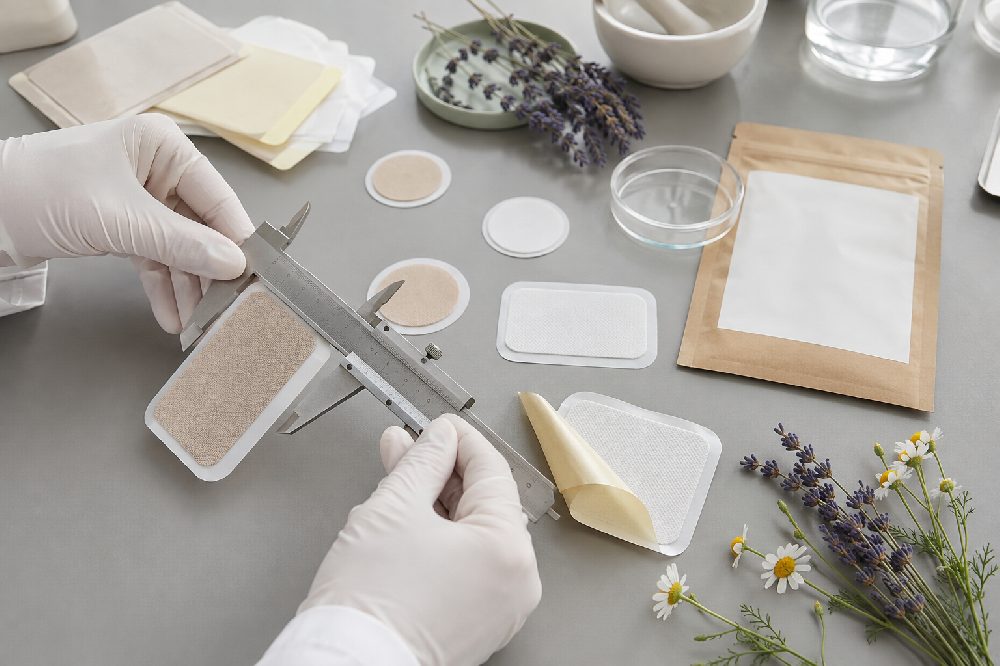
What does a relaxation patch OEM manufacturer provide?
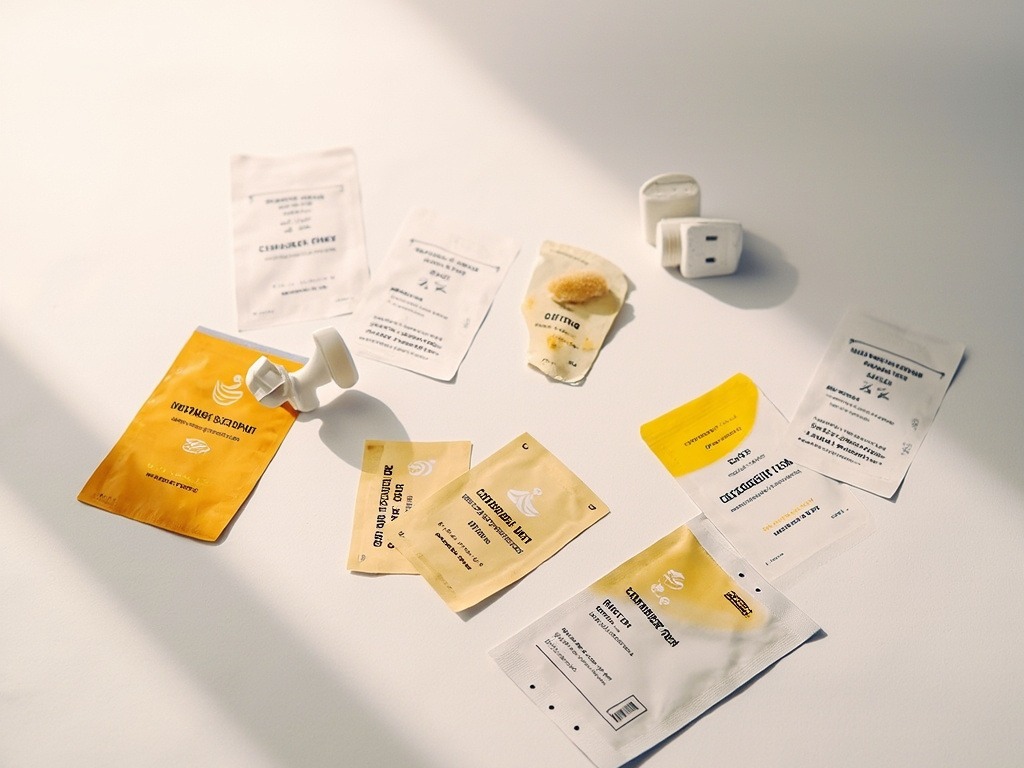
An OEM manufactures to a buyer-approved specification, while an ODM can contribute a ready formula, patch structure and packaging concept. In practice, many private-label programs combine both models. The factory may offer a library of botanical or aromatic concepts, then customize the patch size, fragrance profile, backing color, pouch and carton for the brand.
A complete manufacturing scope can include raw-material sourcing, formula adjustment, coating or impregnation, die cutting, release-liner application, individual pouch sealing, coding, carton packing and batch-release documentation. Buyers new to the category can review our private label health patch guide before writing their first request for quotation.
Formula and sensory design
The formula should follow the intended user experience. Lavender, chamomile, peppermint and other aromatic ingredients are common positioning choices, but the final blend must be assessed for skin compatibility, odor strength and stability. A brand may also request an unscented patch that functions as a tactile cue within a breathing, travel or bedtime routine.
Define the use case before selecting ingredients: daytime calm, travel comfort and bedtime wind-down require different aroma intensity, wear time and packaging language. Avoid unsupported therapeutic claims. Ask the manufacturer for an ingredient list, supplier specifications, allergen information and any available stability or compatibility data, then have the proposed claims reviewed for each sales market.
Patch materials and construction
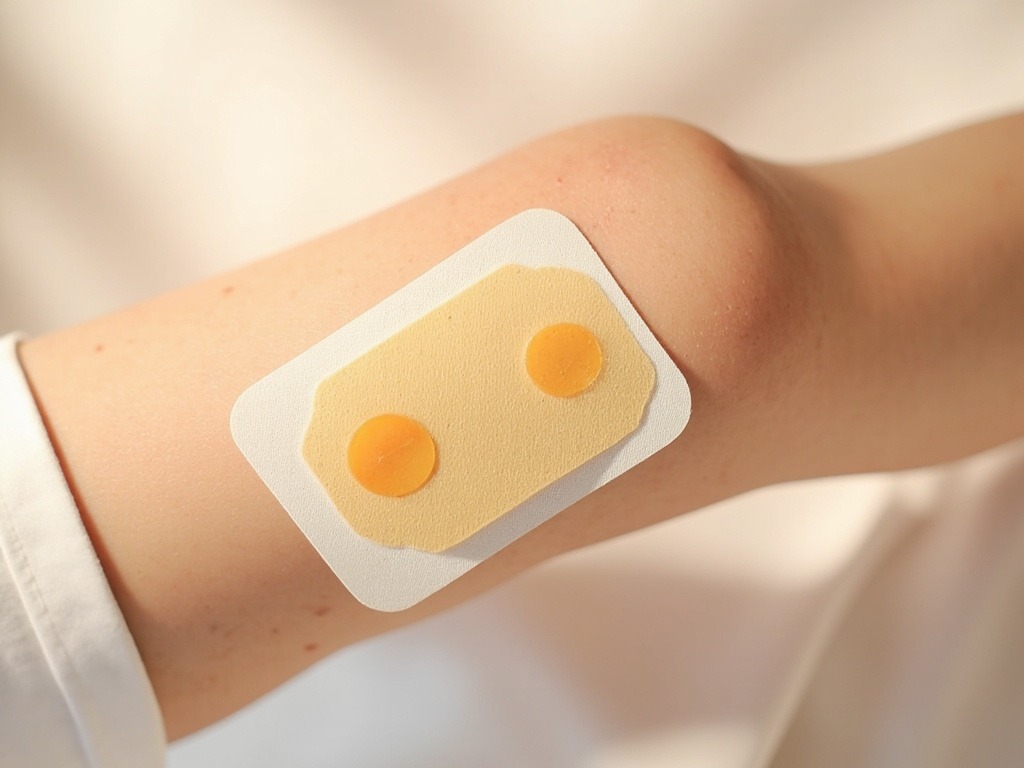
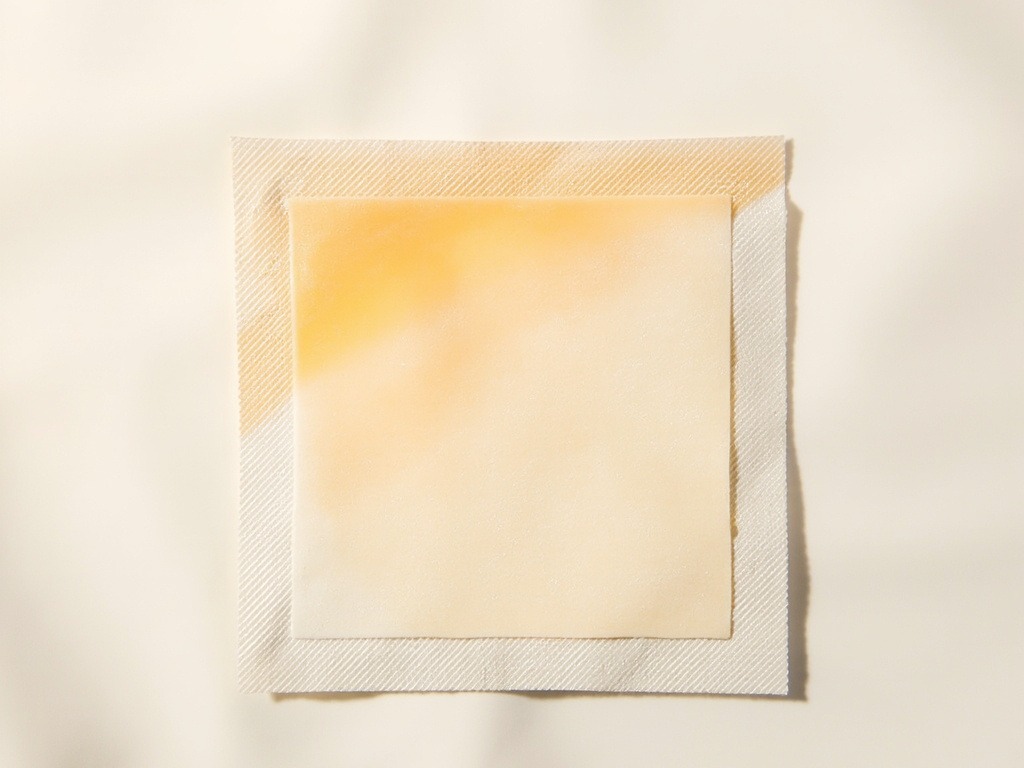
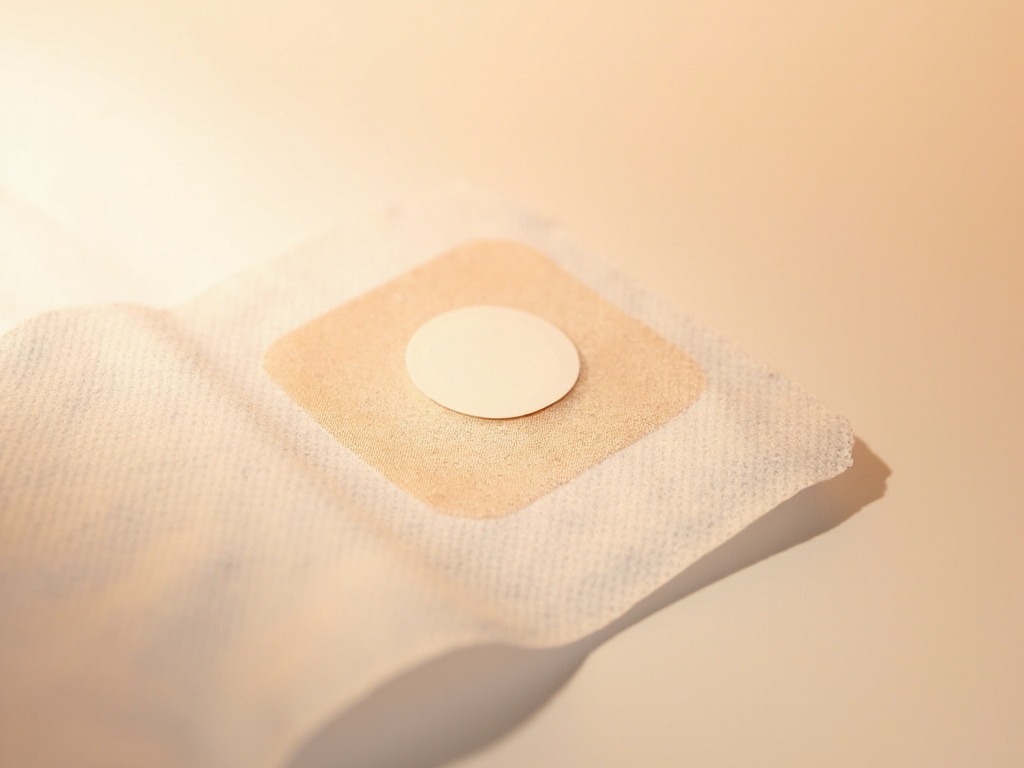
A relaxation patch is a layered product. Its performance depends on the backing, adhesive or gel matrix, functional blend and release liner working together. Non-woven backings are flexible and economical; film backings can improve moisture control; hydrogel matrices offer a cool feel and high water content. The adhesive must balance secure wear with comfortable removal.
Patch size and shape influence comfort, dosage consistency and packaging cost. Small wrist or clothing patches may suit aroma-focused concepts, while larger skin patches need more careful adhesion and irritation testing. Our overview of health patch materials explains how backing layers, matrices, liners and pouches affect finished-product performance.
From sample to commercial production
A disciplined relaxation patch OEM manufacturing project normally follows six stages:
Product brief: confirm target consumer, market, wear location, desired sensation, ingredients to include or exclude, pack count and target price.
Prototype: select a stock formula or develop a custom version, then approve patch dimensions, color, scent and adhesion.
Testing: evaluate appearance, weight, adhesion, pouch integrity, microbiological limits and stability using methods appropriate to the product classification.
Artwork: review ingredient declarations, directions, warnings, lot coding, shelf-life statements and language versions.
Pilot batch: confirm that line-scale output matches the approved sample and written specification.
Mass production: manufacture, inspect, pack and release each lot against agreed acceptance criteria.
For more detail on coating, laminating, cutting and packing, see how health patches are made.
Quality control buyers should specify
Do not accept “high quality” as a specification. Agree measurable criteria for patch dimensions, unit weight, visual defects, odor, adhesive performance, pouch seal integrity and microbiological quality. Where an ingredient has a defined quantitative claim, agree the test method and acceptance range in writing. Request a certificate of analysis or inspection record for each production lot.
Packaging compatibility matters because volatile ingredients can migrate or lose strength over time. The selected laminate pouch should protect the formula from moisture, oxygen and light as required. Stability work should use the final patch, final pouch and intended storage conditions—not an unpackaged laboratory sample.
Customization, MOQ and lead time
Common options include custom formula, scent, patch shape, backing color, printed release liner, foil pouch, carton, display box and master case. MOQ depends on formula complexity, die-cut tooling and printed packaging. A stock formula with a standard patch size usually supports a faster, lower-risk launch than a fully custom system.
Ask suppliers to separate prototype time, artwork approval, packaging procurement and production time. Also confirm whether MOQ is quoted per formula, per size, per pouch design or per carton language. Clear definitions prevent surprises when one project contains several SKUs.
How to choose the right manufacturing partner
Shortlist suppliers that can explain their process, not merely send a catalog. Review manufacturing scope, quality procedures, change control, traceability, complaint handling and export experience. Compare documents against the exact factory and product category involved. A useful starting checklist is our guide to choosing a health patch manufacturer in China.
Before placing an order, approve a signed specification, reference sample, packaging proof and responsibility matrix. Clarify who owns the formula, artwork files and tooling; how substitutions are controlled; what happens when inspection fails; and which documents ship with every lot.
FAQ about relaxation patch OEM manufacturing
Can a relaxation patch be private labeled?
Yes. Brands can usually customize the name, artwork, pack count and packaging, with formula and shape customization available subject to MOQ, testing and regulatory review.
How long does development take?
A stock-formula project can move faster than a custom formula, but timing depends on sample revisions, testing, packaging lead time and order size. Request a milestone schedule based on your approved specification.
What information should I send for a quote?
Provide the destination market, intended claims, preferred ingredients, patch size, wear time, annual volume, first-order quantity, pack count, packaging style and required launch date.
Are relaxation patches medical products?
Classification depends on composition, claims and jurisdiction. Many are positioned as wellness products, but a manufacturer’s description does not determine legal status. Obtain qualified regulatory advice before finalizing claims and labels.
Start your private-label relaxation patch project
Henan Hanmeng Bio-Tech supports OEM and ODM health patch programs from concept and sampling through packaging and batch production. Share your target market, formula concept, patch dimensions, packaging format and forecast volume. Our team can review manufacturability and prepare a tailored sampling plan. Learn more about our OEM/ODM manufacturing capabilities or contact us to request a sample and quotation.
CATEGORIES
LATEST NEWS
CONTACT US
QQ: 396269538
Phone: 17796669065
Tel: 17796669065
Email: 396269538
Add: Room 001, 1st Floor, Building 1, Zhengzhou Hangmei International Smart City, Intersection of S102 and Nanquan Road, Xuedian Town, Xinzheng City, Zhengzhou, Henan Province, China