Technological innovation
are heat patches safe
Technological innovation 2026-07-30 09:06:43 68 views admin
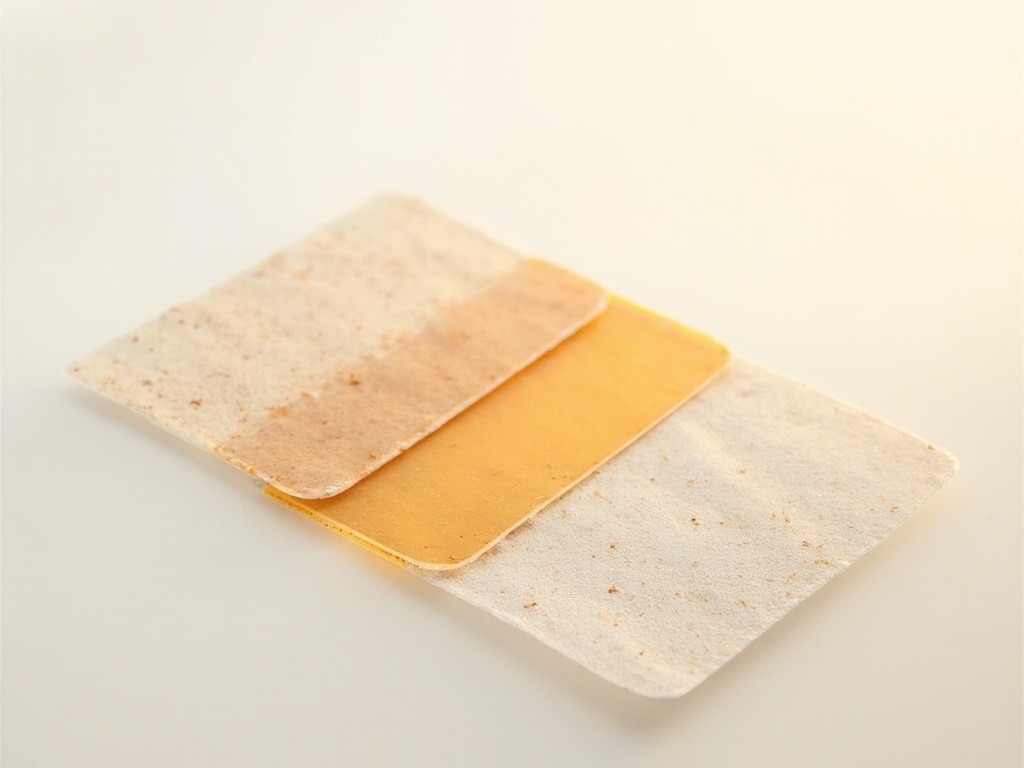
Best for: first-time patch buyers comparing topical heat to pills and creams, older adults managing chronic muscle stiffness, athletes recovering from training soreness, caregivers evaluating options for elderly relatives, and pharmacists fielding over-the-counter questions.
Heat patches are generally safe for short-term adult use when you follow the package directions and keep the patch on intact skin, but they are not interchangeable with medicine and they do carry a small, real risk of burns, skin irritation, and interactions with certain conditions. Most over-the-counter versions deliver gentle warmth in the 40–45 °C range for 6–12 hours and contain no drug, while medicated pain patches (lidocaine, menthol, capsaicin, diclofenac) deliver an active ingredient through the skin. Safety depends on three things: the patch's surface temperature and wear time, the condition of your skin, and your own health profile.
What "heat patch" actually means on a pharmacy shelf
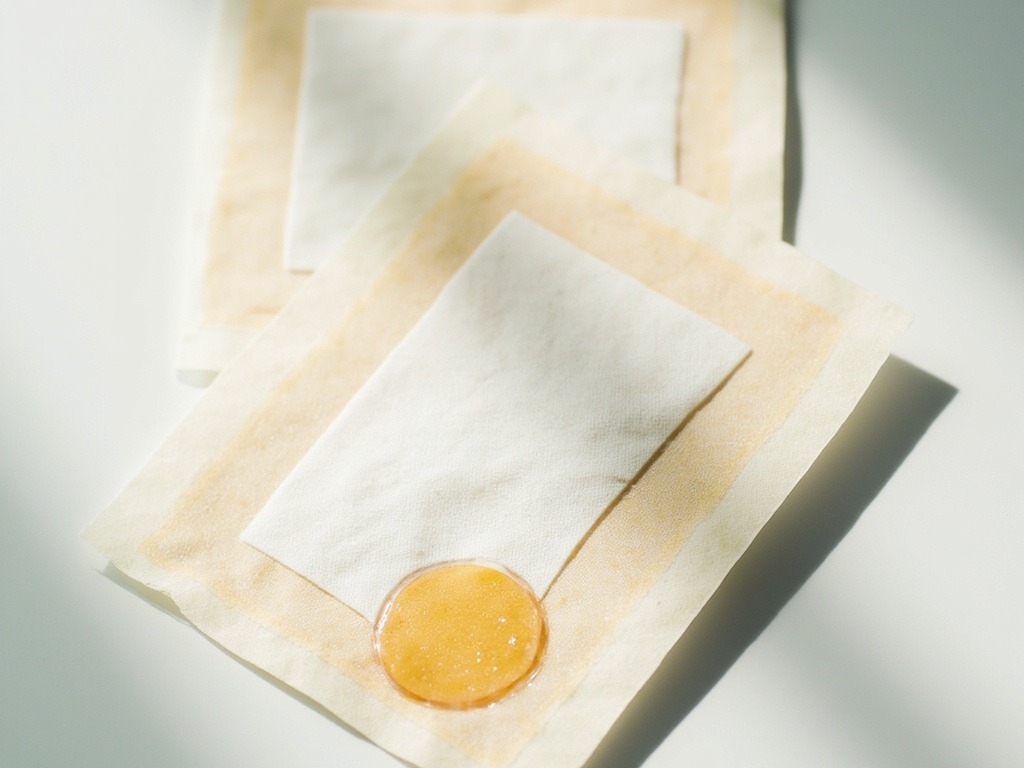
The phrase covers two different products that share a shape. Thermal patches generate warmth through an exothermic reaction — usually iron powder, salt, water, and activated carbon exposed to air — and are sold for muscle aches, menstrual cramps, and stiffness. Medicated pain patches feel cooling or warming but work because they carry an active pharmaceutical ingredient across the skin barrier. Menthol and capsaicin create a sensation that masks pain; lidocaine and non-steroidal anti-inflammatory drugs actually interrupt pain signalling at the nerve.
The temperature question matters. Studies on air-activated patches report skin-contact temperatures that cluster between 40 °C and 45 °C with peak plateaus near 43 °C, well below the 44 °C threshold that begins to damage human skin after sustained contact. Several manufacturers cap their thermochromic ink or printed warnings at this ceiling precisely to keep wear-time under the burn window. Check the FDA consumer guidance on heating devices for general device-safety framing, since the agency classifies many of these products as medical devices rather than drugs.
How a patch crosses the skin, layer by layer
The journey from patch surface to bloodstream is the same one every transdermal product follows, and understanding it explains both why patches work slowly and why they bypass the stomach.
The outermost shield is the stratum corneum, roughly 10–20 µm of dead, flattened cells cemented together by lipids. Most molecules cannot cross it; the few that can must be small (under about 500 daltons), moderately lipophilic, and present at high concentration. Heat patches that carry no drug don't need to cross at all — they just warm the surface and underlying tissue.
Once a drug does pass the stratum corneum, it enters the viable epidermis, a 50–100 µm living layer where metabolism can begin. From there it diffuses into the dermis, the millimetre-thick layer rich in capillaries and nerve endings. Anything reaching the dermis is swept into local blood flow within minutes and distributed systemically. This three-step path is called permeation, and it is the entire reason transdermal delivery exists: steady, slow input that avoids the spikes of an oral dose.
Why concentration on the label does not equal effect at the nerve
A patch loaded with 5% lidocaine is not five times stronger than one loaded with 1%; the dose that reaches the tissue depends on the flux, measured in micrograms per square centimetre per hour. Flux is the product of the drug's concentration, its partition coefficient between patch and skin, and its diffusion coefficient inside the stratum corneum. Doubling the loading may only raise delivery by 30–60% if the stratum corneum becomes the bottleneck.
Heat changes the math. Raising skin temperature by 5 °C roughly doubles the diffusion coefficient of many small molecules through the stratum corneum, which is one reason medicated "hot" patches feel faster than room-temperature ones. The same heating also increases local blood flow, which can either help (carries drug away to act elsewhere) or hurt (washes drug past the target before it binds).
Patch, cream, or pill: a side-by-side comparison
| Factor | Heat/pain patch | Topical cream | Oral tablet |
|---|---|---|---|
| Onset of noticeable relief | 20–60 minutes (heat), 30–120 minutes (drug) | 10–30 minutes | 20–60 minutes |
| Duration per application | 6–12 hours typical, up to 24 h with prescription | 4–6 hours, reapply as directed | 4–8 hours depending on formulation |
| Systemic exposure | Low for thermal; modest for drug patches | Low | High — passes through GI tract and liver |
| Stomach/GI side effects | None | None | Possible (NSAIDs especially) |
| Skin reaction risk | Low–moderate (heat burn or contact dermatitis) | Moderate (frequent reapplication) | Minimal |
| Dose control | Fixed by patch area | Variable by user | Fixed by tablet strength |
| Best for | Local, sustained, hands-free relief | Quick, small-area application | Widespread or deep pain |
Who should not use a heat patch, and why
- Anyone with impaired sensation (diabetic neuropathy, spinal cord injury, post-stroke) cannot feel an emerging burn and should avoid thermal patches entirely.
- People on blood thinners face a real risk that a deeper-than-expected burn will bleed or bruise; medicated NSAID patches carry an extra bleeding-risk warning worth reading.
- Pregnant users should clear medicated patches with a clinician, especially those containing lidocaine or diclofenac; plain thermal patches are generally acceptable for short wear but check the package insert.
- Infants, toddlers, and people who cannot remove the patch themselves should not be left with one on overnight.
- Anyone with broken, irritated, or recently shaved skin absorbs drugs faster and burns more easily — wait until the skin is fully healed.
Real-world failure modes people actually report
The most common complaint is not a burn but a contact dermatitis: a red, itchy rectangle that mirrors the patch exactly and fades within a week of stopping use. True thermal burns are rarer but documented, almost always involving either a patch worn through the night in bed (trapping heat under blankets), a patch layered over a heating pad (double the temperature), or a patch on someone with poor circulation. A small percentage of medicated-patch users notice systemic effects — drowsiness from lidocaine, mild stomach upset from diclofenac — that confirm the drug really did reach the bloodstream.
Safety rules that actually reduce risk
Three rules cover most reported incidents. First, never place a thermal patch under tight clothing, a belt, or bedding that traps heat — air flow is part of the safety design. Second, set a phone timer for the maximum wear time on the label; falling asleep with a patch on is the single largest contributor to burn case reports. Third, inspect the skin under the patch after removal. A faint pink flush is normal; a defined red patch, blister, or area of numbness warrants stopping that product and switching formats.
Buyer checklist before you put one in your cart
Match the product type to the job: choose a plain thermal patch for stiffness and cold-weather comfort, a menthol or capsaicin patch for short-term acute muscle pain, and a lidocaine or diclofenac patch only when you specifically need an active drug and have read the indications. Confirm the patch is intact and within its expiry date, that the wrapper is not punctured (iron-powder patches lose heat the moment air enters), and that the listed surface temperature is below 45 °C. If you take other medication, have a chronic condition, or are pregnant, ask a pharmacist before choosing a medicated option.
Limitations and what this article cannot tell you
This overview is general consumer information, not a clinical recommendation, and individual risk depends on factors not covered here — body weight, kidney function, concurrent medications, and the exact product formulation. Specific drugs and devices also carry their own regulatory status that varies by country; for authoritative detail on a named active ingredient or device class, consult the FDA drug database, the European Medicines Agency medicine register, or your national equivalent, and follow the instructions printed on the package you actually buy.
About the manufacturer
Henan Hanmeng Bio-Tech is a Chinese manufacturer of transdermal patches with formulation and converting capability covering thermal, herbal, and Western active-ingredient formats. The company's OEM page lists pharmaceutical patch services and OEM/ODM options at patchbiohn.com/oem/pharmaceutical-patch-oem.html. Specific certifications, capacities, and regulatory clearances vary by product line; check the applicable local requirements before any commercial or clinical use.

CATEGORIES
LATEST NEWS
CONTACT US
QQ: 396269538
Phone: 17796669065
Tel: 17796669065
Email: 396269538
Add: Room 001, 1st Floor, Building 1, Zhengzhou Hangmei International Smart City, Intersection of S102 and Nanquan Road, Xuedian Town, Xinzheng City, Zhengzhou, Henan Province, China