Technological innovation
snoring patch: How to Choose the Right Option for Night-Time Noise
Technological innovation 2026-08-03 14:56:43 77 views admin
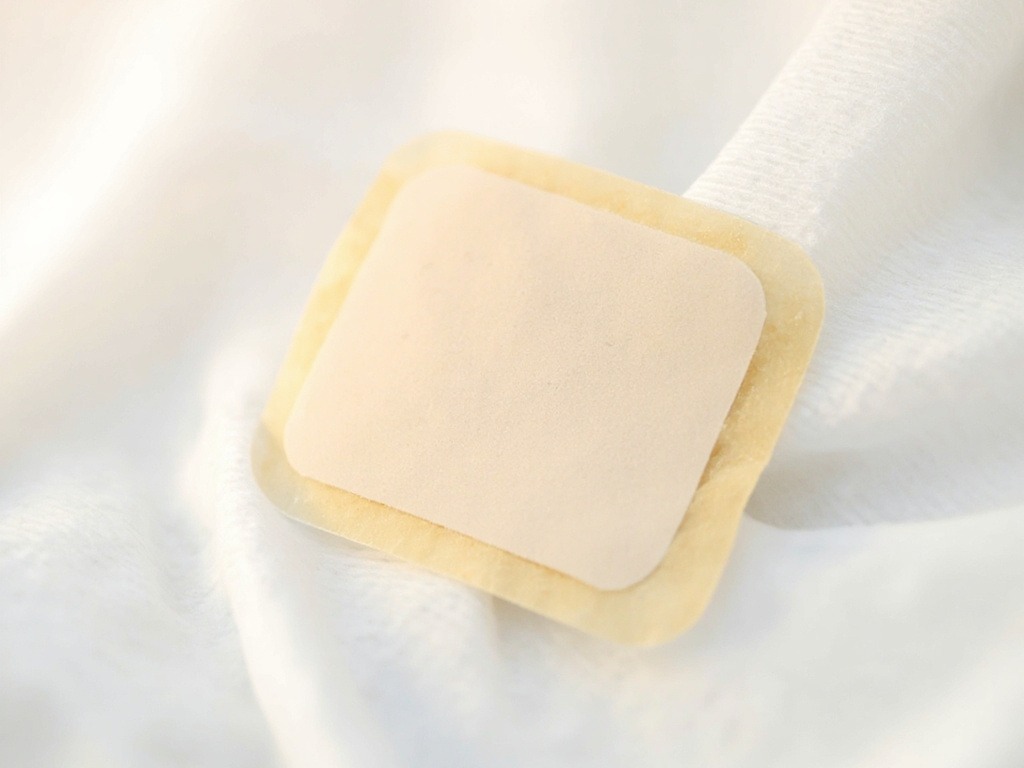
Best for: adults who snore, partners comparing products, shoppers testing non-prescription options
A snoring patch can be worth considering when the problem is mainly related to nasal airflow, but it is not a universal answer. A nasal strip or external nasal dilator may help open the front of the nose mechanically, while a mouthpiece changes jaw or tongue position; a chin strap mainly discourages an open mouth. The useful first step is to match the product to the apparent pattern of the snore, then stop if breathing symptoms, pain, or skin reactions appear.
Start with the symptom you can observe
Snoring is a sound, not a single mechanism. It can arise from vibration in the nose, mouth, throat, or several areas at once. A partner may notice that the noise is strongest when the sleeper has a blocked nose, sleeps on the back, breathes through the mouth, drinks alcohol late in the evening, or has seasonal congestion. Those clues are not a diagnosis, but they make product selection more rational.
Ask one practical question first: does the person seem unable to breathe comfortably through the nose, or does the mouth fall open after they fall asleep? If nasal breathing feels restricted while awake, an adhesive nasal strip or a nasal dilator is more closely matched to that complaint than a chin strap. If the nose is clear but the jaw relaxes open, a chin strap may address the visible behavior, although it cannot remove every cause of throat vibration.
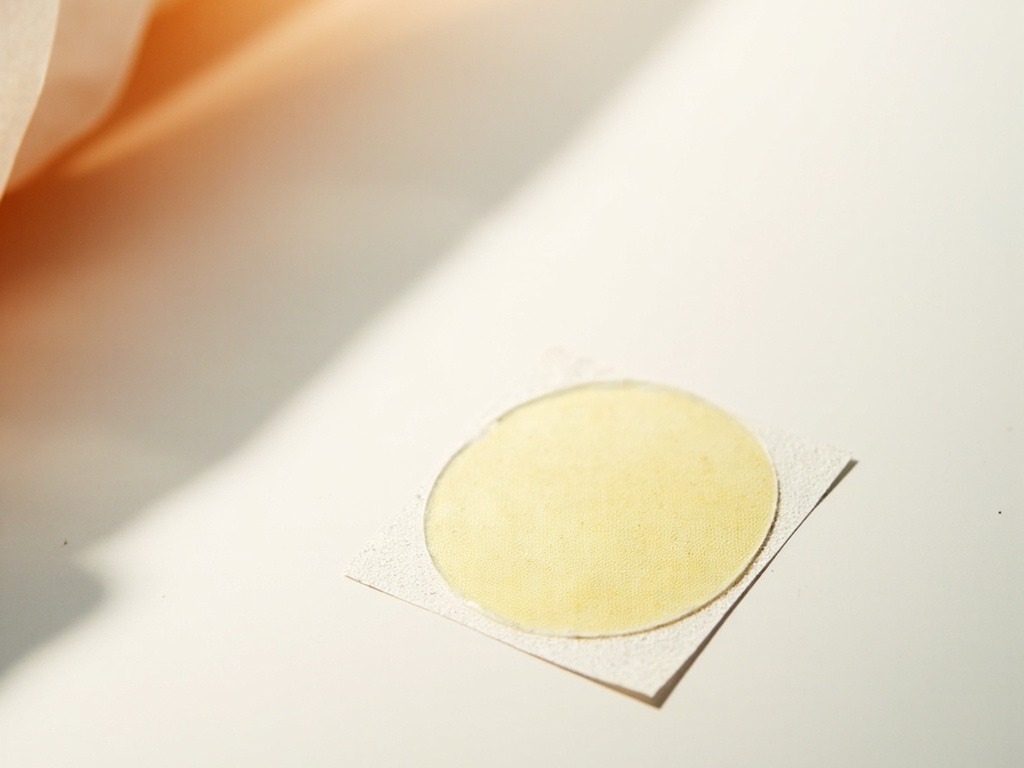
A snore patch placed near the nose should not be described as an airway treatment. Its role depends on its construction and placement. Some products are adhesive patches intended to provide external support or a sensory cue; others may contain aromatic materials. Read the label carefully, because “patch” does not identify one standardized design, active ingredient, or expected wear time.
What the main products actually change
The choices below are easier to compare by mechanism rather than by advertising language. None of them should be treated as proof that a person does not have a sleep-related breathing disorder.
| Product | What it physically changes | Best initial fit | Important boundary |
|---|---|---|---|
| Nasal strip | An adhesive-backed spring or flexible support lifts the sides of the external nose. | Snoring that appears worse when the nostrils feel narrow or congested. | It cannot open a blockage deeper inside the nose or correct throat collapse. |
| Nasal dilator | An internal or external device helps hold part of the nasal passage open. | Adults who prefer a reusable mechanical device and can tolerate contact with the nose. | Comfort, hygiene, and correct sizing matter; a poor fit can irritate the lining or skin. |
| Chin strap | A soft band supports the lower jaw and may reduce the tendency for the mouth to hang open. | Mouth-open sleeping when nasal breathing is already comfortable. | It should not be used to force the mouth shut when the nose is blocked or breathing is difficult. |
| Mandibular-advancement mouthpiece | A fitted oral appliance holds the lower jaw somewhat forward. | Some adults whose snoring is associated with jaw or tongue position. | Jaw pain, tooth movement, bite changes, or dental problems require professional advice. |
| Snore patch | Depending on the design, it may provide light external support, a local sensory cue, or a topical/aromatic experience. | Shoppers seeking a small, non-bulky product for a clearly nasal or behavioral complaint. | Do not assume a patch can address every source of snoring or improve oxygen levels. |
There is no prize for choosing the strongest-looking product. More structure can mean more pressure, more bulk, or less comfort. The best option is the least intrusive one that matches the suspected location of the problem and can be worn without compromising normal breathing.
Match the product to the snore pattern
Blocked or narrow-feeling nose
If the sleeper reports a stuffy nose, narrow nostrils, or difficulty drawing air through the nose, start with a nasal strip or nasal dilator rather than a chin strap. A strip is external and often simple to remove. A dilator makes more direct contact with the nasal passage, so its material, edges, and size deserve closer attention.
Do not use a product as a reason to ignore persistent one-sided obstruction, recurrent nosebleeds, facial pain, or long-standing difficulty breathing through the nose. Those signs call for assessment rather than repeated product experiments.
Mouth-open snoring
A chin strap may be a reasonable trial when the nose is clear and the mouth repeatedly falls open during sleep. It is a positioning aid, not a seal. The band should feel supportive without pressing painfully beneath the jaw, restricting movement, or creating a sensation of air hunger.
If the sleeper cannot breathe freely through the nose, closing the mouth can make the experience worse. Address nasal comfort first, and do not combine several restrictive products on the first night.
Snoring that changes with body position
Back-sleeping can make snoring louder for some people because the tongue and soft tissues move differently under gravity. A patch may be irrelevant if the major clue is position. A side-sleeping aid, pillow adjustment, or a conversation with a clinician may be more relevant than adding adhesive to the face.
Persistent loud snoring with breathing pauses
Repeated pauses, choking or gasping, pronounced morning headaches, excessive daytime sleepiness, or difficult-to-control high blood pressure should not be managed by shopping alone. The partner’s observation is valuable. Write down what happens and discuss it with a qualified healthcare professional.
How brand details affect a snoring patch trial
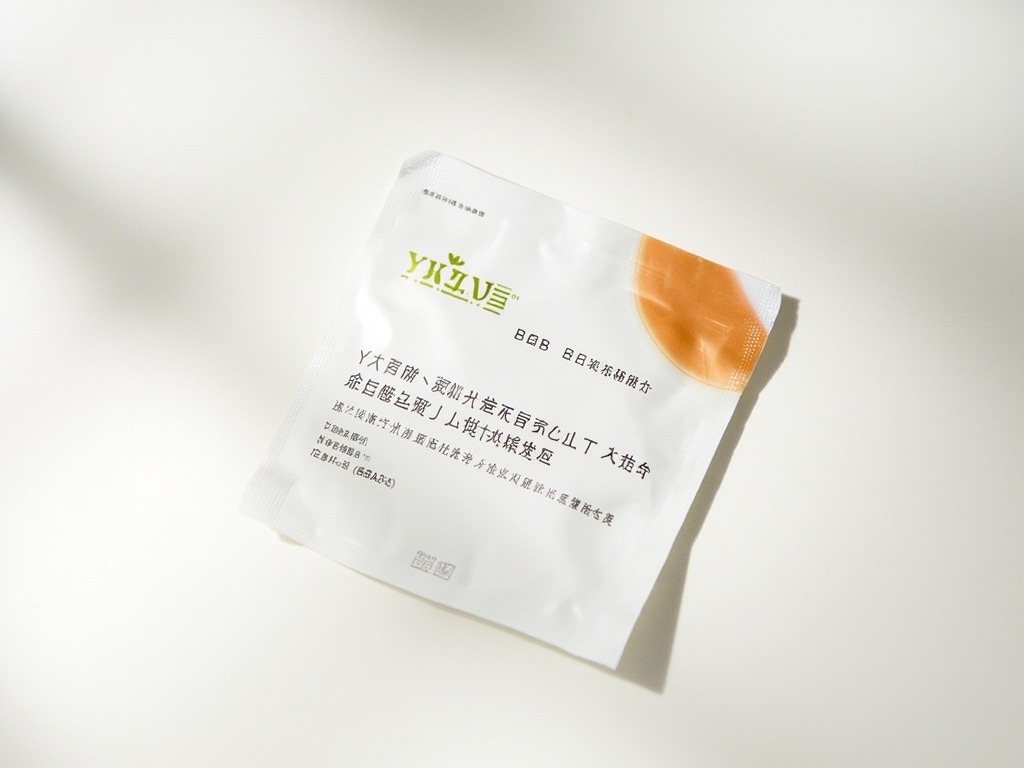
The brand name is less informative than the product specification. Two products called a snoring patch may differ in adhesive, backing film, patch size, fragrance, intended placement, and removal method. Compare the actual package instructions instead of assuming that a familiar category has a fixed formula.
For a skin-contact product, look for the declared substrate and adhesive description. A pressure-sensitive adhesive may be based on acrylic, silicone, rubber, or another formulation; the exact composition should come from the supplier’s documentation, not from the word “hypoallergenic” alone. If fragrance or plant-derived material is present, treat it as a possible irritant or sensitizer, especially around the nose.
Manufacturer language also needs careful reading. “Supports nasal breathing” is narrower than “stops snoring.” “Designed for overnight use” is not the same as a guaranteed eight-hour wear time. If the package gives a wear duration, follow that instruction; if it does not, do not invent one.
A responsible supplier should be able to state the intended application, adhesive type or relevant skin-contact information, storage guidance, lot identification, and basic use instructions. That information helps a consumer decide whether the item is suitable, but it does not turn a generic supplier target into a validated specification. Hanmeng-related product information should be checked against the specific product documentation supplied for the item being considered.
A short, sensible fit test
Test one change at a time. Trying a nasal strip, chin strap, mouthpiece, and aromatic patch on the same night makes both comfort and results impossible to interpret.
- Clean and dry the application area, avoiding moisturizer or oil directly under the adhesive.
- Check the size and placement while awake; the product should not cover the nostrils or make nasal breathing feel restricted.
- Use the shortest labelled trial that allows a fair comfort check, and remove it immediately for burning, swelling, rash, dizziness, or difficult breathing.
- Record the next morning’s comfort, mouth dryness, nasal airflow, partner-observed noise, and any jaw or tooth discomfort.
- Repeat only after the skin has recovered, and compare the result with a product-free night under similar conditions.
Skin preparation matters. The facial skin around the nose can be oily, mobile, and exposed to repeated removal. Pulling an adhesive patch off quickly may cause more irritation than wearing it. Loosen it gradually according to the label; warm water may help with some adhesives, but the package instructions take priority.
Material thickness is also a real comfort variable. A thin backing film may feel unobtrusive, while a rigid support can create lifting force or pressure at the edges. A generic supplier target such as a particular thickness, peel strength, or wear range should never be presented as Hanmeng’s certified data unless it appears in the product’s own verified specification.
Choose by trade-off, not by the loudest promise
For a consumer, the decision can be reduced to three filters: location, tolerance, and escalation.
Location: choose a nasal strip or nasal dilator when the complaint is clearly nasal. Consider a chin strap only when the nose is comfortably open and the mouth-opening pattern is obvious. Consider a mouthpiece only with attention to dental and jaw factors. A snore patch belongs in the same cautious trial category, not in a separate “cure” category.
Tolerance: adhesive products are easy to carry but can irritate skin; internal nasal devices avoid facial adhesive but may feel intrusive; chin straps can become hot or shift; mouthpieces may affect saliva, bite comfort, or jaw muscles. The right product is the one the sleeper can use safely and consistently without adding a new problem.
Escalation: if the product does not help after a fair, comfortable trial, stop cycling through increasingly forceful devices. Persistent symptoms deserve a better explanation, not a stronger label.
Limitations and safety notes
Do not apply an adhesive patch over broken, infected, sunburned, or actively irritated skin. Avoid products that contain ingredients known to trigger an allergy, and be cautious with fragrance near the nose or eyes. Follow the package directions for age, placement, storage, and disposal.
Do not tape the mouth shut, use a chin strap to overcome severe nasal blockage, or rely on a patch when the sleeper has choking episodes or witnessed breathing pauses. A product that reduces sound may not improve the underlying breathing pattern. Stop using any item that causes pain, rash, swelling, numbness, or a feeling of restricted breathing.
When an ENT referral beats any patch
An ear, nose, and throat assessment is more useful than another patch trial when nasal obstruction is persistent, the nose is visibly crooked after injury, there are recurrent nosebleeds, chronic sinus symptoms, enlarged tissue is suspected, or one side remains difficult to breathe through. These problems may require examination of structures that an external product cannot reach.
Referral also makes sense when snoring is loud and regular despite reasonable product trials, when the sound is accompanied by gasping or pauses, or when daytime sleepiness affects driving, work, or safety. An ENT clinician may decide that another type of evaluation is appropriate; the decision depends on the individual history and examination.
The partner’s notes can make the appointment more productive: record the approximate bedtime, whether breathing pauses occur, sleeping position, nasal congestion, alcohol or sedative use, and morning symptoms. Keep the notes factual. A patch can be a small experiment, but it should not delay assessment of warning signs.
A measured buying decision
Buy the product that makes the narrowest claim matching the problem you can actually observe. If the complaint is nasal airflow, compare a nasal strip with a nasal dilator. If the mouth opens while the nose is clear, consider whether a chin strap is comfortable and appropriate. If jaw position appears relevant, ask a dental or medical professional before choosing a mouthpiece. Treat a snoring patch as a limited comfort or airflow-support trial, never as proof that snoring has been medically resolved.
For buyers who want to discuss private-label or OEM patch formats, Henan Hanmeng Bio-Tech provides a manufacturer reference point, but suitability, materials, testing, and applicable documentation should be confirmed for the specific product and market. See Hanmeng’s patch OEM information.


CATEGORIES
LATEST NEWS
CONTACT US
QQ: 396269538
Phone: 17796669065
Tel: 17796669065
Email: 396269538
Add: Room 001, 1st Floor, Building 1, Zhengzhou Hangmei International Smart City, Intersection of S102 and Nanquan Road, Xuedian Town, Xinzheng City, Zhengzhou, Henan Province, China