Technological innovation
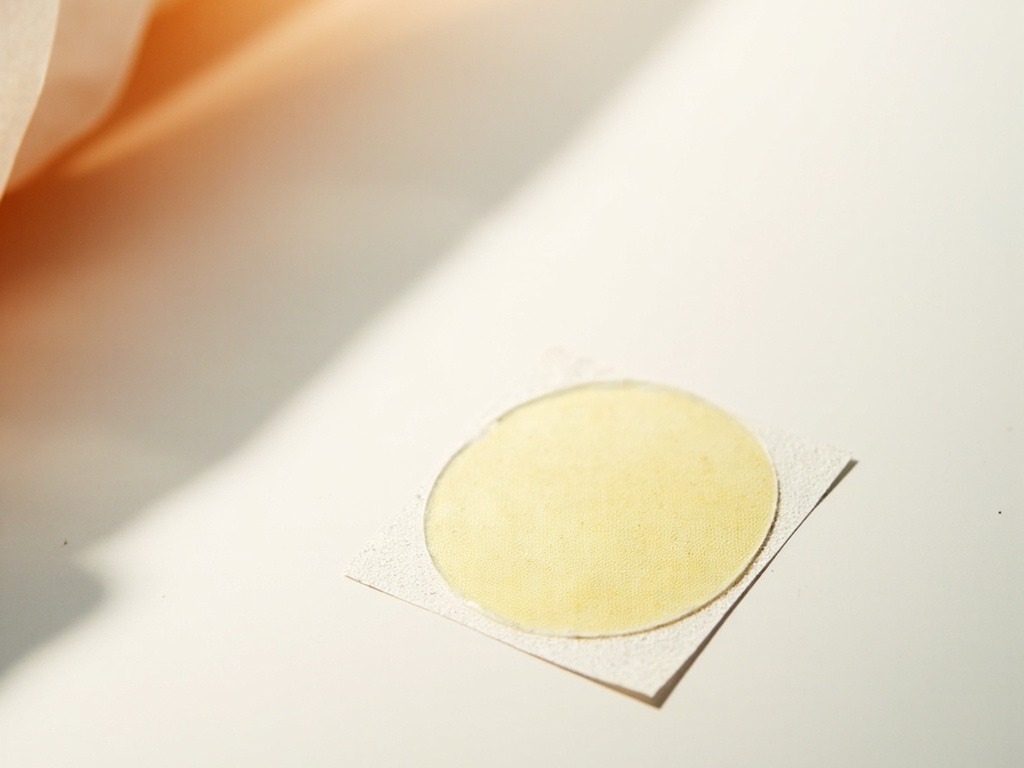
anti motion sickness patch
Technological innovation 2026-08-10 09:24:55 57 views admin
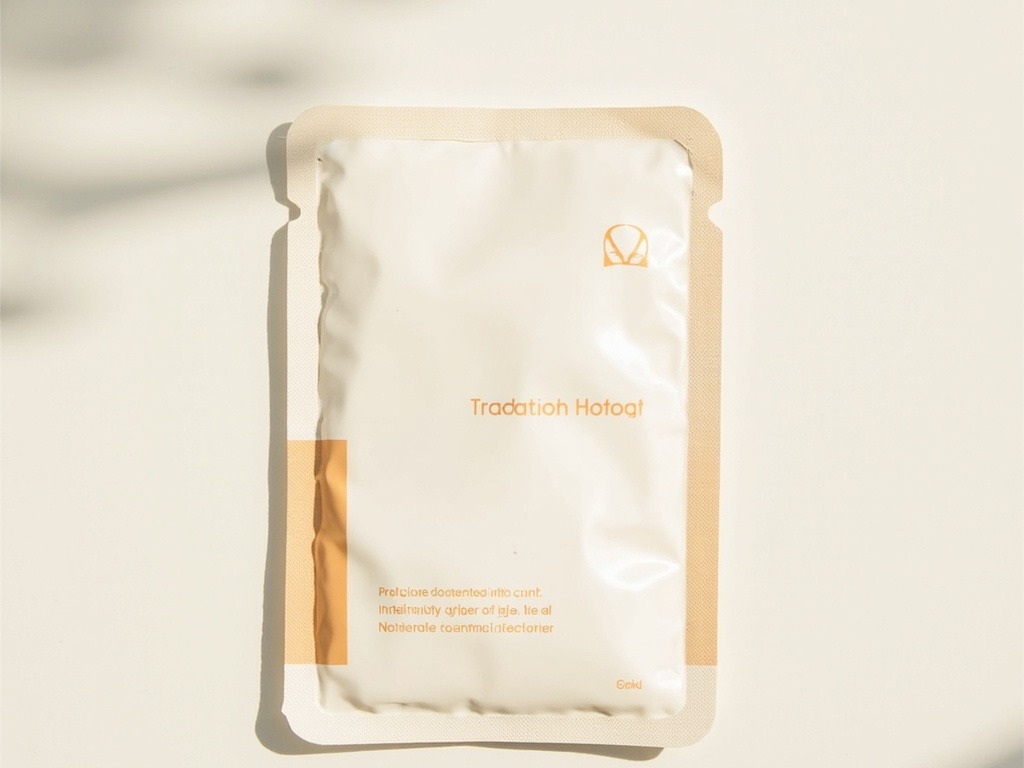
Best for: frequent flyers, cruise passengers, road-trip drivers, VR/AR users, and shift workers catching sleep on irregular schedules.
An anti motion sickness patch is an over-the-counter skin-applied product marketed for travel queasiness, with some variants also pitched at jet lag, mild situational anxiety, and short sleep windows. Patches work by releasing volatile aromatics or low-dose herbal extracts through the skin or via nasal inhalation from the patch surface, so the active signal is continuous rather than a single swallowed dose. Most products in this category are cosmetic or general-wellness devices, not drugs, which means the wear time, intensity, and ingredient list are set by the brand rather than by a regulator. Before buying, focus on where the patch sits (wrist, behind ear, or navel), how long it stays on, and whether the scent profile is menthol-based, ginger-based, or lavender-based.
Where these patches actually sit on the body
Three placements dominate the consumer market, and the choice changes how the product behaves. A wrist placement puts the patch on the inner wrist, where body heat and a strong pulse of capillaries warm the adhesive and lift volatile compounds into the air you breathe. A behind-ear placement sits on the mastoid area, close to the nose and away from wrist movement, which is why many travelers prefer it for long flights. A navel placement is rare in Western markets but appears in some Asian wellness lines, where the patch is taped below the navel and aimed at the abdominal acupressure point.
For a buyer choosing between these, the practical rule is comfort versus duration. A wrist patch is easy to peel off and replace, but it loosens when the hands sweat or get wet. A behind-ear patch stays out of the way, but the skin there is sensitive, and a wearer with earrings or a face mask may find the adhesive awkward. A navel patch is the most hidden and survives sleep, but it is the hardest to reposition without a mirror.
Ingredient families and the symptoms they target
- Menthol and eucalyptus: cooling volatiles that open nasal passages and reduce the perception of nausea; common in travel and flight variants.
- Ginger extract (Zingiber officinale): a botanical long associated with digestive comfort; frequently used in cruise and car-sickness patches.
- Lavender oil (Lavandula angustifolia): paired with chamomile in patches marketed for sleep onset and mild anxiety, not for motion sickness directly.
- Scopolamine (hyoscine): a prescription-only anticholinergic sold in some regulated markets as a transdermal patch; not the same product as the cosmetic aromatherapy patches sold over the counter.
- Vitamin B6 (pyridoxine) and acupressure beads: appear in low-dose combination patches marketed for pregnancy-related nausea; evidence is mixed and the active mechanism is mostly mechanical pressure.
The split matters because a patch that contains menthol and ginger is built for motion, while a patch that contains lavender and chamomile is built for sleep. Treating the first like the second will leave a traveler alert but un-rested, and the second like the first will leave a sleeper wide awake. Cross-category use is common in marketing copy, but the ingredient deck usually tells you which side a product is on.
Wearing time, replacement, and removal
Most general-wellness motion patches list a wear time of 6 to 12 hours on the package, with shorter windows for children. Behind-ear patches in the aromatherapy class tend to last 4 to 8 hours because the volatile oils deplete faster at body temperature. Wrist patches can run 8 to 12 hours if the wearer avoids hot drinks and running water over the site. Sleep-targeted patches are usually designed for a single night, then discarded.
Removal is usually straightforward: peel slowly opposite the direction of hair growth, wash the skin with mild soap, and skip reapplication to the same site for 24 hours. Adhesive residue is common with cheaper patches, and a small amount of baby oil or medical adhesive remover clears it without irritating the epidermis. If the skin under the patch turns red and stays red for more than an hour after removal, switch placement or switch brand.
Safety edge cases worth a pause before you apply
Cosmetic aromatherapy patches are not the same as prescription scopolamine, and the safety story is different. For pregnancy, the cautious default is to avoid essential-oil patches in the first trimester and to consult a clinician before using any menthol- or ginger-based product in the third trimester, because menthol can interact with certain late-pregnancy medications. For children, most brands set a minimum age of 3 or 6 on the outer pack; below that age, the patch should not be used at all, and a child who chews or licks a patch needs the same urgent-call path as any small-object ingestion.
For sensitive skin, the same rule applies as for any adhesive product: test on the inner forearm for 30 minutes before the first full wear. People with a known allergy to acrylic adhesives, latex, or specific essential oils (especially peppermint, eucalyptus, and lavender) should read the full ingredient list rather than trusting the front-of-pack claim. Anyone taking sedatives, antihistamines, or anti-anxiety medication should check with a pharmacist before layering a sleep-targeted patch, because the combined effect can be stronger than either alone.
Brand comparison sketch at a glance
| Brand family | Primary placement | Lead ingredient | Stated wear time | Positioning |
|---|---|---|---|---|
| TravelEase (representative) | Behind ear | Menthol + ginger | 6–8 hours | Flight and cruise travel |
| SeaBand-style acupressure bands | Wrist | Mechanical bead (no active) | Reusable | Pregnancy nausea and mild motion |
| CalmNight sleep patches | Wrist or temple | Lavender + chamomile | Single night (8 hours) | Sleep onset, jet lag recovery |
| Prescription scopolamine (regulated) | Behind ear | Scopolamine 1 mg / 72 h | Up to 72 hours | Clinical motion sickness, prescription only |
The table is a sketch, not an endorsement. Prescription scopolamine is sold under regulated pharmacy channels and is not interchangeable with cosmetic aromatherapy patches; a buyer who confuses the two will get a very different product in the mail. Within the cosmetic class, the practical buyer checklist is short: ingredient list, placement, wear time, age minimum, and a clear contact address on the pack.
Decision rule: pick by scenario, not by label
- If the goal is motion control on a boat or long flight, choose a menthol-and-ginger patch placed behind the ear, and carry a backup for the return leg.
- If the goal is sleep on a red-eye or after a time-zone shift, choose a lavender-based patch worn on the wrist, and skip caffeine within 4 hours of application.
- If the goal is mild situational anxiety before a presentation or a flight, choose a low-dose lavender-chamomile patch on the inner wrist, and avoid layering with alcohol or sedating medication.
- If the wearer is pregnant, under 6 years old, or has a known essential-oil allergy, default to a non-adhesive acupressure wrist band and confirm with a clinician before any scented patch.
The boundary condition to remember: cosmetic patches support comfort, they do not treat clinical motion sickness, clinical anxiety, or diagnosed insomnia. If symptoms persist beyond a single trip or a single night, the next step is a clinician, not a stronger patch.
Limitations and what this article does not cover
The product class is loosely regulated, and clinical evidence for cosmetic aromatherapy patches is thinner than marketing copy suggests. Regulatory approval status varies by country, so before relying on a specific patch for a flight, check the applicable local requirements for ingredients, labeling, and age limits. The numbers in this article (wear time, ingredient loads, age cutoffs) are typical ranges drawn from common consumer SKUs and are not a substitute for the printed spec on the pack you actually buy. If you take regular medication, are pregnant, or are applying a patch to a child, treat the patch as a question for your pharmacist, not a substitute for one.
Where this kind of patch is made
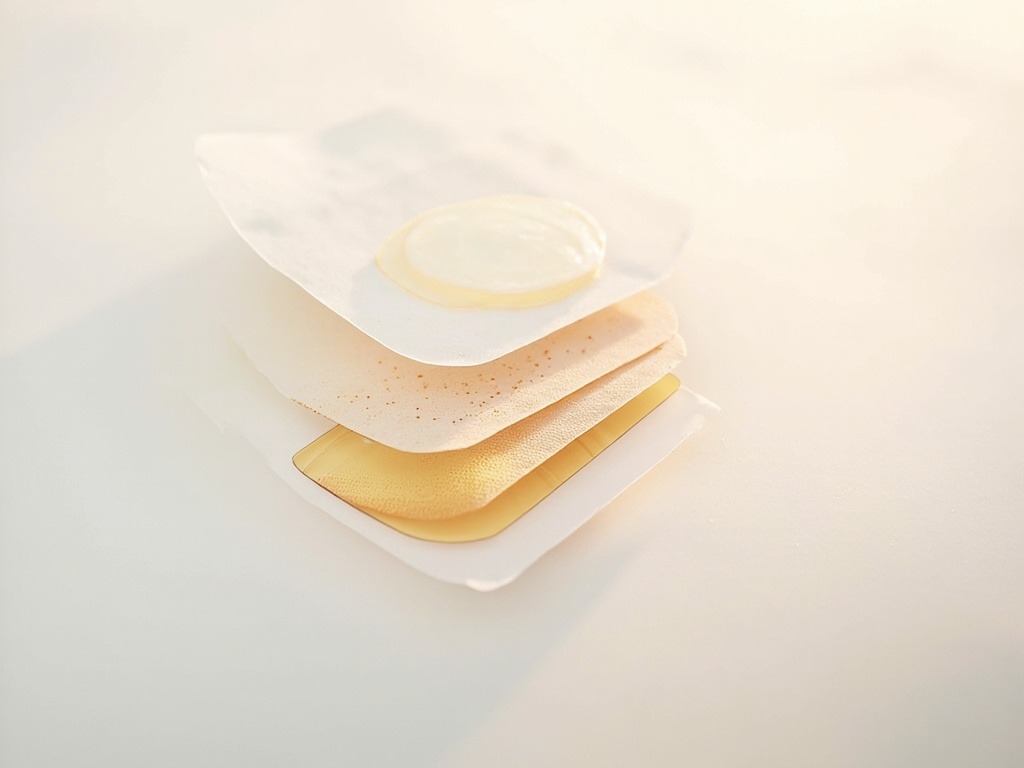
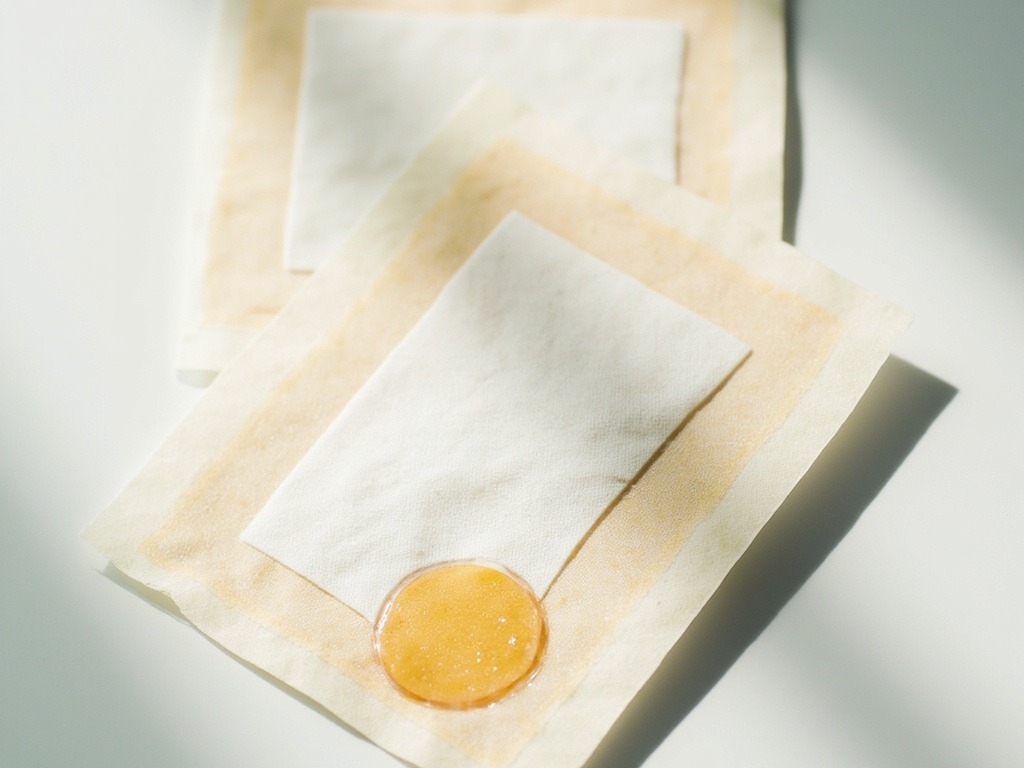
Cosmetic and wellness patches in this category are commonly produced by contract manufacturers who also build transdermal drug patches under separate, regulated lines. Buyers looking at private-label supply should look for a manufacturer that separates cosmetic aromatherapy runs from pharmaceutical-grade runs and that can show a clear spec sheet for each. For a generic overview of how a pharmaceutical-style patch OEM operation is structured, including the difference between a hydrogel matrix and a reservoir patch, see Henan Hanmeng Bio-Tech's pharmaceutical patch OEM page. The page describes OEM capabilities in general terms; specific ingredient decks, wear times, and regulatory claims belong to the buyer's own due-diligence file, not to the manufacturer overview.
CATEGORIES
LATEST NEWS
CONTACT US
QQ: 396269538
Phone: 17796669065
Tel: 17796669065
Email: 396269538
Add: Room 001, 1st Floor, Building 1, Zhengzhou Hangmei International Smart City, Intersection of S102 and Nanquan Road, Xuedian Town, Xinzheng City, Zhengzhou, Henan Province, China