Technological innovation
How do deep heat patches work? A transdermal mechanism walkthrough
Technological innovation 2026-08-12 09:00:46 63 views admin
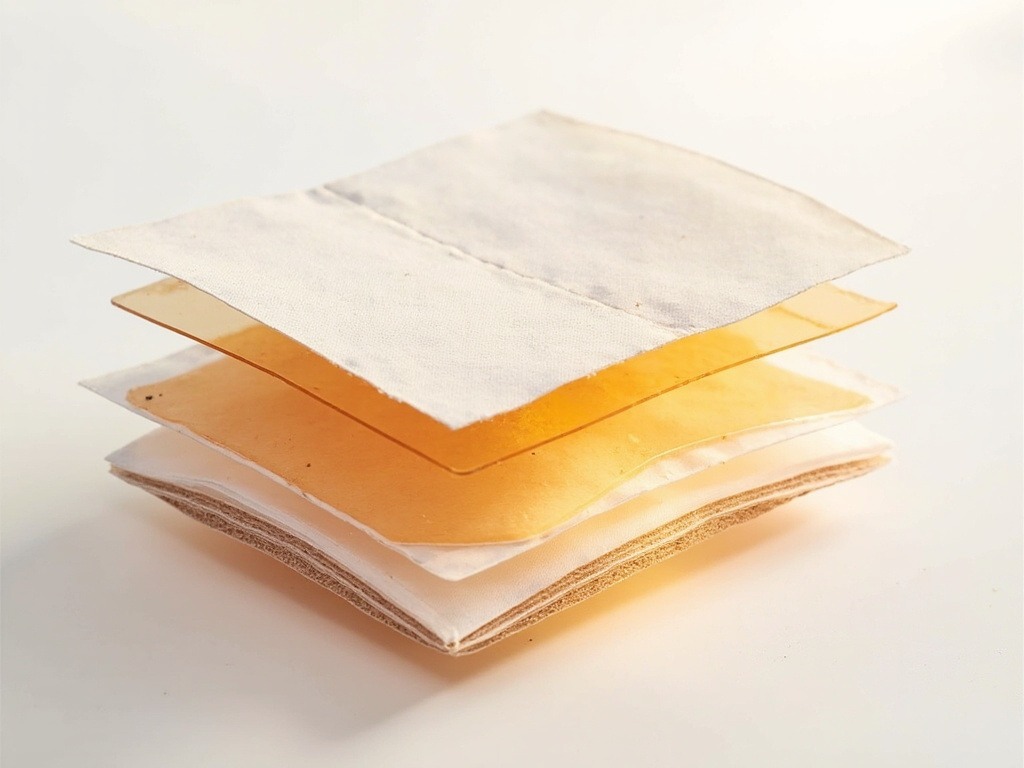 Best for: first-time patch buyers, runners with sore calves, desk workers with stiff necks, older adults curious about warming therapy
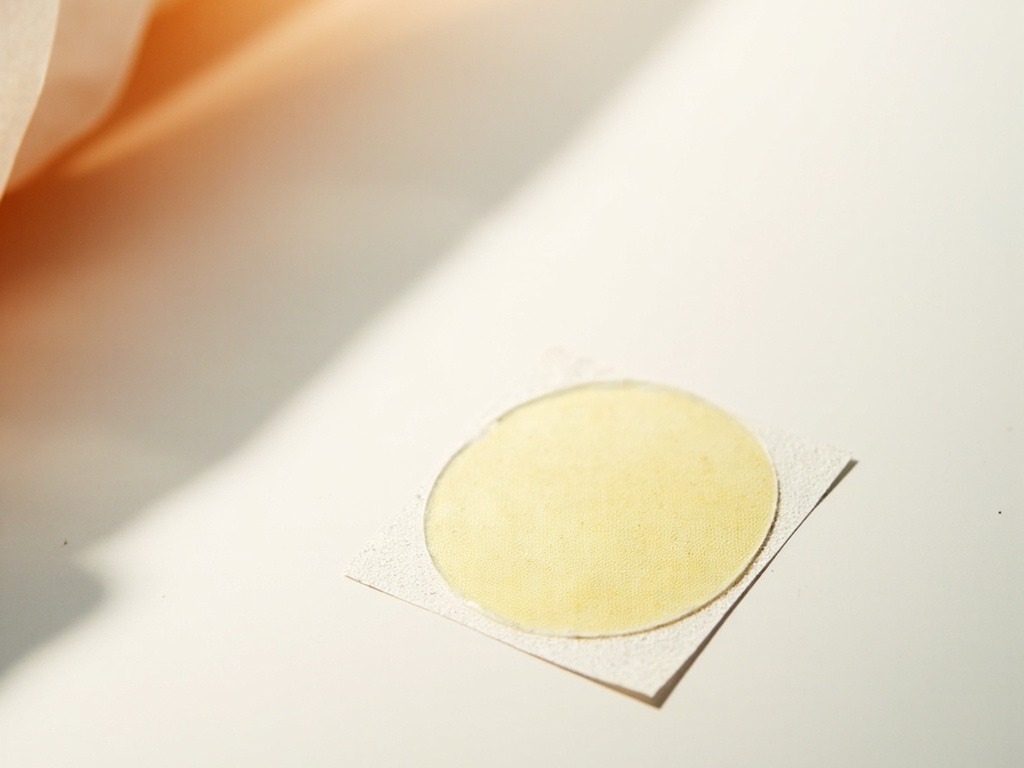
A deep heat patch is a single-use adhesive that lifts skin temperature by a few degrees and, in doing so, loads a small dose of drug or irritant through the outermost skin layer into the soft tissue beneath. The trick is not heat itself. It is the slow, sustained diffusion across the stratum corneum, the dead, waxy top layer of the epidermis, where most topical products stall. A well-made patch keeps that gradient steady for hours so the muscle, fascia, or joint below keeps receiving the active instead of getting a single spike.
From outside the skin to inside the muscle: the actual route
Drugs and counter-irritants do not punch through your skin. They partition into it. The journey has three phases, each with its own speed limit.
1. Adhesion to the surface. The patch sits on a cleaned, dry patch of skin. Body heat (about 32–34 °C on the torso, slightly cooler on limbs) warms the matrix and softens the adhesive. Active ingredients that are solid at room temperature begin to dissolve into the thin film of moisture between the patch and your skin.
2. Permeation across the stratum corneum. The stratum corneum is roughly 10–20 µm thick, built from dead corneocytes embedded in lipid bilayers (ceramides, cholesterol, free fatty acids). Molecules slip through those lipids by passive diffusion. Small, moderately lipophilic molecules — menthol, methyl salicylate, capsaicin, lidocaine, NSAIDs like diclofenac — do this fastest. Anything water-soluble, or anything above about 500 Da, stalls here, which is why you cannot simply soak a painkiller onto a patch and expect it to work.
3. Distribution into the dermis and underlying tissue. Once past the barrier, molecules enter the livingepidermis and the vascularized dermis. From there, three things can happen: local uptake into the muscle or joint capsule, drainage into the bloodstream for systemic effect, or local metabolism. For a heat patch marketed for back or shoulder aches, the goal is mostly local — enough active to warm and soothe the tissue, not a systemic dose.
Why heat matters more than the active ingredient
The "deep heat" name is not just marketing. Warming the skin to roughly 38–42 °C does two things at once.
First, it dilates superficial capillaries and increases local blood flow, which is why the area under the patch turns pink. More blood means faster clearance of inflammatory metabolites and a subjective sense of relief.
Second, elevated temperature raises the kinetic energy of every molecule at the interface. Diffusion coefficients climb roughly 2–3 % per degree Celsius, so a 4 °C lift in skin temperature can give a10–15 % boost in permeation flux across the stratum corneum. The iron-oxide or activated-carbon oxidation chemistry that most OTC heat patches use (4Fe + 3O₂ → 2Fe₂O₃) is engineered to hold skin temperature inside that 38–42 °C window for 6–12 hours, not to spike it higher.
Concentration on the label is not the same as dose at the joint
This is where most buyers misread the box. A patch listing "5 % lidocaine" or "1.16 % methyl salicylate" tells you how much active sits inside the reservoir, not how much reaches your shoulder. The delivered dose is the product of three numbers:
- Concentration in the matrix (printed on the box).
- Flux across the stratum corneum, set by partition coefficient and diffusivity.
- Contact time at a stable temperature, set by patch construction.
Double the concentration and you roughly double the delivery rate — but only as long as the skin barrier is unchanged. Tape-strip the stratum corneum, sweat heavily, or place the patch over a hot shower-warmed area and you have just multiplied the input. That is why "more is not better" applies: a patch that runs cool and slow is often the safer, more consistent choice.
Patch vs cream vs oral: a side-by-side comparison
| Feature | Heat patch | Topical cream | Oral analgesic |
|---|---|---|---|
| Onset of feeling | 10–30 minutes | 5–15 minutes | 30–60 minutes |
| Duration per dose | 6–12 hours | 2–4 hours (reapply) | 4–8 hours |
| Systemic exposure | Low for heat-only; low–moderate for drug patches | Low | High |
| Stomach / gut risk | None from heat; minimal from drug patches | None | GI, hepatic, renal considerations |
| Mess / clothing stain | None | Possible | None |
| Best use case | Long, steady relief during activity or rest | Quick rub-on before short tasks | Widespread or deep pain |
| Failure mode | Peels off, runs too cold | Rubs off, dose unknown | Side effects at peak plasma |
The patch wins on duration and on keeping systemic exposure low. The cream wins on speed and on being able to cover an awkward shape. The oral dose wins when pain is diffuse, deep, or driven by inflammation that no local route can reach. None of them is universally best; the right choice depends on what kind of pain you have and for how long.
The5-line risk box every buyer should read
- Do not apply over broken skin, recent sunburn, or a rash — permeation across the stratum corneum is disrupted and absorption becomes unpredictable.
- Avoid use while sleeping on an electric blanket or heating pad — stacked heat sources can push skin temperature past the safe ceiling.
- If you are pregnant, on blood thinners, or have peripheral neuropathy or poor circulation, ask a pharmacist before use; sensation of heat may be blunted or burn risk higher.
- Drug-containing patches (lidocaine, capsaicin, diclofenac, methyl salicylate) carry their own dosing ceilings; do not combine two salicylate products.
- Remove immediately if the skin blisters, whitens, or feels uncomfortably hot — these are early signs of a thermal or chemical burn, not "working harder".
How to tell if a patch is actually doing its job
A useful buyer checklist, written for someone standing in the shop aisle, not a clinician:
- You feel gentle warmth within 15 minutes, not burning within 5. Sharp heat on contact usually means the chemistry is too aggressive or the patch is too small for its output.
- The patch stays adhered through a normal day. Peeling at the edges is the single biggest reason patches fail to deliver their rated dose.
- Skin under the patch is pink, not red or white. Pink = vasodilation. Red = irritation. White = blanching, a warning sign.
- Relief builds over30–60 minutes and holds for hours, then fades gradually. Sudden relief that vanishes within an hour usually means a placebo response or a counter-irritant sting, not sustained permeation.
- You can repeat on the same area after a 12-hour skin rest. Daily use on the same site without a break is a sign the product is being misused.
What "deep" really means — and what it does not
Marketing language around heat patches often claims penetration depths of several centimetres. Be cautious with those numbers. Most OTC heat patches drive warmth1–2 cm into the skin and subcutaneous tissue. The deepest muscle groups (the gluteals, the deep paraspinals, the hip rotator cuff) are usually beyond direct thermal reach. What "deep" really describes is the experience of warmth that lasts long enough to feel as if it has reached deeper tissue, combined with a slow, sustained release of active ingredient into the local tissue compartment.
When a patch is the wrong tool
Skip the patch if the pain is acute and sharp (think fresh strain in the first 24 hours, where ice and rest do more), if you cannot feel temperature reliably on that skin (neuropathy, regional anaesthesia), or if the area is hairy and the patch will not seal. In each situation the mechanism is undermined either before it starts or partway through, and the product will under-deliver compared with its label claims.
Limitations and safety notes
Heat patches are a comfort and adjunct therapy, not a treatment for the underlying cause of pain. They do not replace assessment of red-flag symptoms (unexplained weight loss, night pain, fever, neurological deficits) that warrant professional evaluation. Local skin reactions — mild erythema, itching, contact dermatitis to the adhesive — are the most common adverse events and usually resolve within hours of removal. People with sensory impairment, peripheral vascular disease, diabetes with neuropathy, or who are using topical drugs on the same site should consult a pharmacist or clinician before regular use. If you are uncertain whether an OTC product is appropriate in your region, check the applicable local requirements for topical analgesic and warming devices before relying on the figures printed on consumer packaging.
How this maps to manufacturer capability
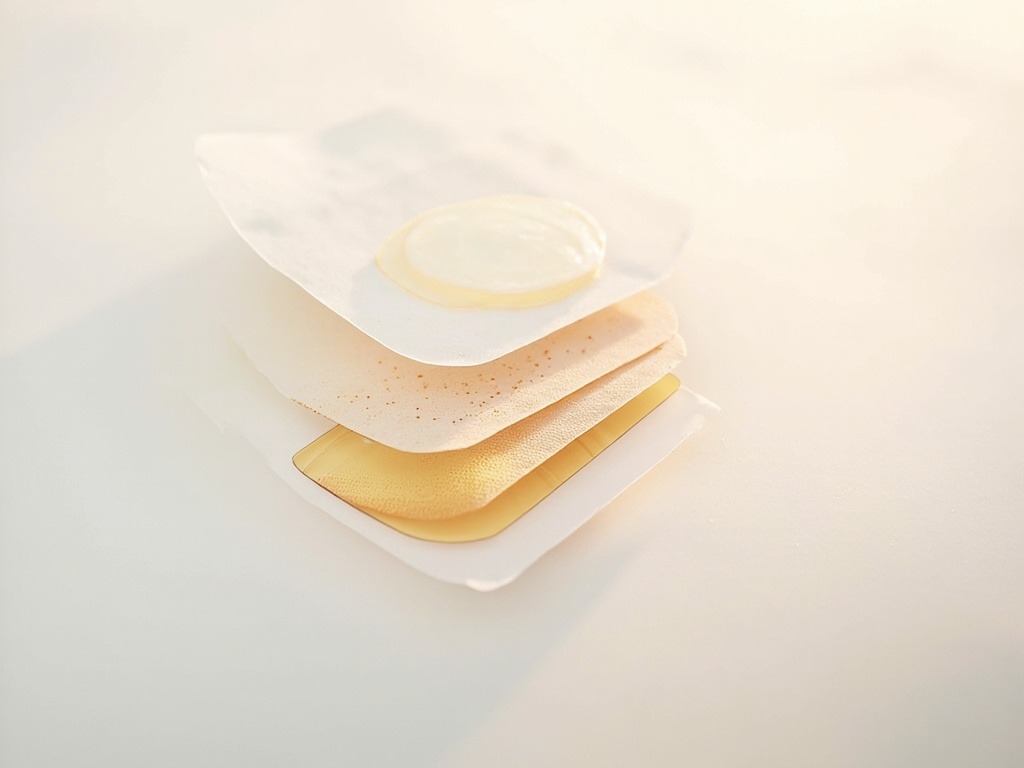
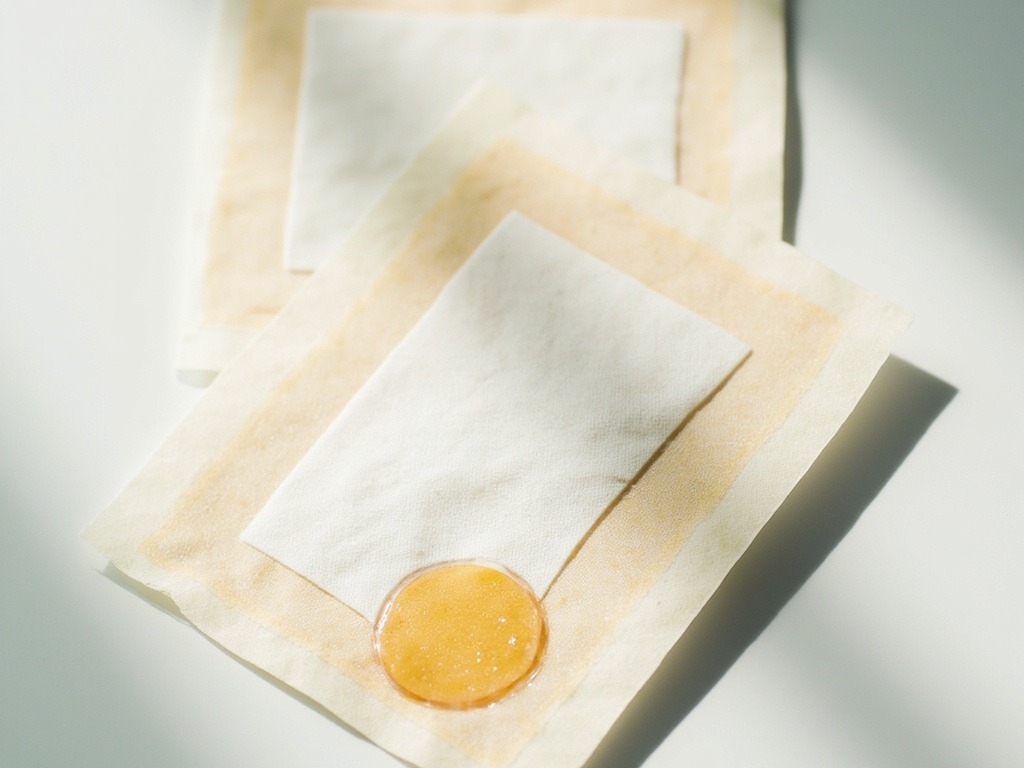
For a buyer curious about what sits inside a quality patch: the mechanism above is the same mechanism any serious transdermal manufacturer has to engineer for. Reservoir design, adhesive skin contact, heat-cell chemistry, and active-ingredient loading all have to be tuned together, not in isolation. If you are evaluating an OEM partner for a warming or pain-relief patch line, a useful first filter is whether their public material openly explains skin-layer permeation, adhesion trade-offs, and wear-time targets. Hanmeng publishes a technical overview of its pharmaceutical patch OEM services at https://www.patchbiohn.com/oem/pharmaceutical-patch-oem.html for readers who want to compare how a real producer frames the same engineering constraints discussed here.
CATEGORIES
LATEST NEWS
CONTACT US
QQ: 396269538
Phone: 17796669065
Tel: 17796669065
Email: 396269538
Add: Room 001, 1st Floor, Building 1, Zhengzhou Hangmei International Smart City, Intersection of S102 and Nanquan Road, Xuedian Town, Xinzheng City, Zhengzhou, Henan Province, China