Technological innovation
pain relief patch oem manufacturer abbreviation
Technological innovation 2026-08-19 10:00:38 79 views admin
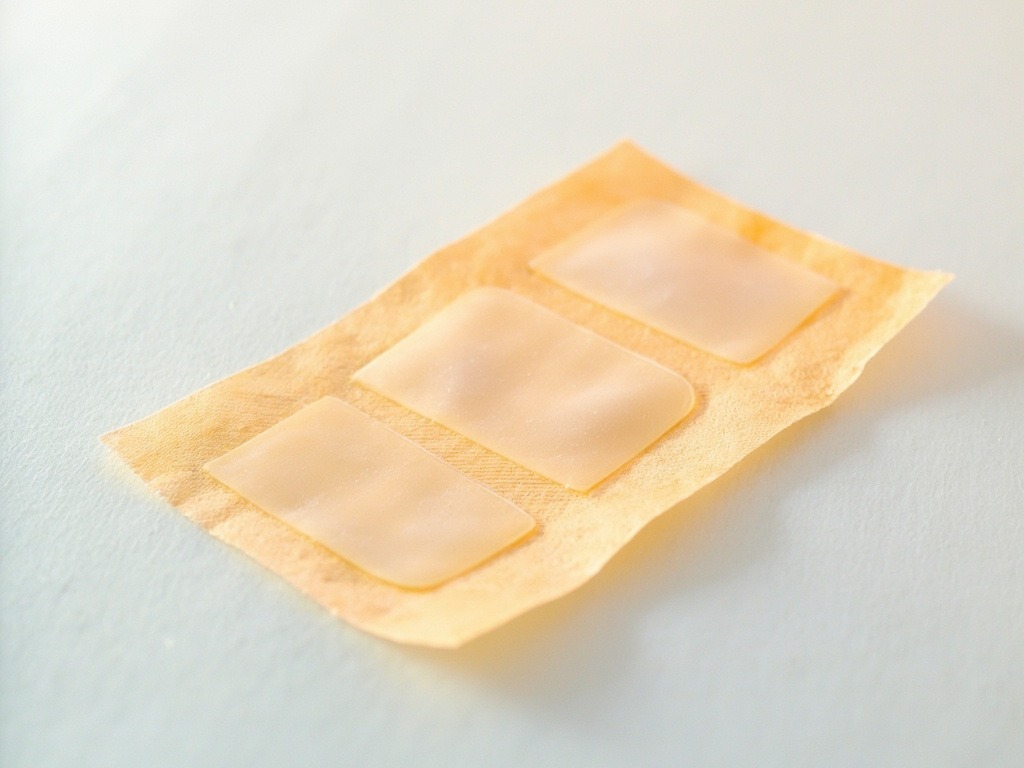
Best for: brand owners building a private-label pain-relief patch line, sourcing managers comparing Chinese OEM/ODM partners, distributors writing their first RFQ, and procurement leads negotiating MOQ and lead time for hydrogel and lidocaine formats.
An OEM in the pain-relief patch category is a contract manufacturer that produces topical analgesic patches under your brand name, while an ODM partner takes the concept further by contributing the formulation, the backing-layer selection, and the artwork-ready artwork file before handing you a market-ready SKU. The abbreviation itself is straightforward: OEM stands for Original Equipment Manufacturer, ODM for Original Design Manufacturer, and OBM for Original Brand Manufacturer — a useful third tier that controls both the factory floor and the label. For a buyer writing an inquiry email, the right line is "we are evaluating an OEM/ODM partner for pain-relief patches," not "we want a custom patch," because the first sentence tells the factory which division of their sales team will reply.
Three manufacturing models buyers actually see on Alibaba RFQs
Most Chinese factories present themselves in one of three modes, and the difference between them shows up in your cost sheet and your launch calendar. A pure OEM owns the line equipment and the QA, then runs your formula on a per-batch contract. A pure ODM owns the formula library, often including the active-ingredient selection and the backing-film grade, and licenses it to you. A hybrid factory offers both, with ODM development fees amortized across the first purchase order.
| Model | What the factory supplies | What the buyer controls | Typical first-order cost driver |
|---|---|---|---|
| OEM | Line capacity, QA documentation, fill-finish | Formula, artwork, claims wording | Per-piece tooling and line setup |
| ODM | Formula library, patch geometry, artwork template | Brand identity, market positioning | Development fee amortized into unit price |
| OBM (private label) | Full SKU already on the market | Distribution channel, regional rebranding | Existing-stock buyout or licensed rebrand |
The cheapest unit price usually belongs to OBM, but the lowest total cost of ownership for a serious brand is almost always ODM, because the development fee is paid once and the formula has already cleared stability testing.
Where "ODM" sits in the buyer-supplier workflow
Think of the abbreviation as a job description for the factory. OEM says "we own the line." ODM says "we own the idea." OBM says "we own the brand on the shelf and we are letting you resell it under your mark." When the sales engineer writes back, the letter after the comma in their email signature often reveals more about what they can deliver than the certificate PDFs they attach.
A practical buyer rule: if your team has a confirmed formula, ask for OEM. If your team has only a positioning brief and a target price band, ask for ODM. If your team has neither, the OBM route is a valid way to enter the category, with the caveat that competing buyers in the same region are selling the same SKU.
The five-step funnel from sample carton to inbound container
Buyers who skip steps lose weeks, not days. The five-step funnel below is the one that aligns with how mid-size Chinese patch factories actually schedule their lines, with each step that has a measurable deliverable attached.
- Sample evaluation (week 1–2): the factory sends three to five prototype patches on a blank backing film, each with a different active-ingredient load and a different adhesion profile.
- Spec freeze (week 3): the buyer signs off on the active-ingredient percentage, the patch dimensions (commonly 7×10 cm or 10×14 cm), and the shelf-life target, typically 24 or 36 months at25°C.
- Pilot run (week 4–6): the factory produces1,000 to 5,000 units on a pilot line to validate the hot-melt coating thickness, usually 0.8–1.2 mm of hydrogel matrix.
- Stability and transit testing (week 7–10): the pilot lot goes into an accelerated aging chamber at 40°C and 75% relative humidity for 90 days, plus a drop test on the retail carton.
- Bulk production and export (week 11–14): the factory books the production slot, the buyer wires the deposit, and the finished goods move into a20-foot or 40-foot container for ocean freight.
The 14-week figure is conservative; factories that run their pilot and bulk lines on the same shift can compress it to 10 weeks, but those factories are usually the ones that turn away new RFQs during peak season.
Spec evidence you should request before signing the purchase order
Spec evidence is the difference between a sales pitch and a defensible supplier. The five documents below are the ones a serious sourcing manager pulls into a shared folder before any deposit is wired.
- Certificate of Analysis (CoA) for the active ingredient, showing assay, related substances, and residual solvent screen.
- Accelerated stability report covering90 days at 40°C / 75% RH with chromatograms attached.
- Backing-film and release-liner grade data sheets, including the basis weight in g/m² and the moisture-vapor transmission rate.
- Process validation summary for the hot-melt coating step, including coating-weight uniformity across at least three consecutive batches.
- Artwork proof with the exact patch dimensions, batch code placement, and the variable data zone marked in milliliters of ink coverage.
Two of these documents will raise the unit price slightly. The accelerated stability report is the one that protects the buyer's brand eighteen months after launch, when a market-surveillance sample is pulled from a pharmacy shelf.
MOQ and lead-time ranges a buyer can plan against
MOQ and lead time in this category are not fixed numbers; they are a function of the line setup, the active-ingredient sourcing, and the export documents the buyer requires. The ranges below are the typical envelope a sourcing manager should anchor a budget against, not the validated specification of any particular supplier.
| Order type | Typical MOQ | Typical lead time | Cost driver the buyer can negotiate |
|---|---|---|---|
| Sample lot (3–5 SKUs) | 100–500 patches per SKU | 7–14 days | Sample fee or fee-waived against the first PO |
| Pilot run | 1,000–5,000 patches | 3–4 weeks | Pilot-line scheduling and tooling amortized |
| Bulk production | 20,000–50,000 patches per SKU | 4–6 weeks production + 4 weeks ocean freight | Active-ingredient sourcing, packaging film print plates |
| Reorder at scale | 50,000+ patches | 2–3 weeks production | Reorder price tied to active-ingredient index |
A buyer rule worth memorizing: the factory will quote the MOQ their smallest line can run, not the MOQ their most efficient line prefers. Ask which line your order is scheduled on, and ask whether the hot-melt coater can hold the coating-weight uniformity spec across the full batch length.
Red flags that show up in the first two emails
Most supplier problems announce themselves before the first sample ships. The five red flags below are the ones a careful sourcing manager catches while the deal is still cheap to walk away from.
- The factory quotes an active-ingredient percentage without naming the raw-material supplier or the pharmacopoeia monograph they test against.
- The MOQ is below 1,000 patches for a SKU the factory has never produced before — that usually means the order will be sub-contracted to a workshop with a different coating line.
- The lead-time promise is shorter than the factory's own stated raw-material lead time, which is a quiet admission that the active ingredient is sitting in a generic warehouse, not a qualified one.
- The artwork proof arrives without a variable data zone marked in milliliters, which means the batch code and expiry date will be stamped by hand, not printed.
- The CoA from the previous shipment shows a single column of pass/fail values with no chromatograms attached — pass/fail alone is not enough to defend a market-surveillance query.
Any one of these is a conversation; two of them is a different supplier.
Buyer checklist before the deposit is wired
Run the items below in order, and stop the process the moment one of them fails. The list is intentionally short because a longer checklist is the one that gets skipped.
- The factory's GMP certificate is current and covers topical semi-solid dosage forms, not just oral solid dose.
- The accelerated stability report is signed by a named analyst and shows assay drift under 5% across 90 days at 40°C.
- The pilot-run CoA carries the same batch number that will appear on the bulk-production certificate.
- The artwork proof has been proofread by a second person for batch-code placement and variable-data spacing.
- The trade terms (FOB, CIF, DDP) and the incoterm version are written into the purchase order, not just the email thread.
Limitations and safety boundaries a buyer should respect
Topical analgesic patches are regulated as medical devices or as cosmetics depending on the destination market, and the classification changes the documentation set the buyer must collect. A patch that contains a listed active ingredient in a concentration below the local threshold may be sold as a cosmetic in one country and as a medical device in the next; the same physical SKU, the same factory, the same CoA. The buyer owns that classification call, not the factory, and a sourcing manager who treats it as a sales-side question is the one who gets the recall notice.
Patch geometry is not a cosmetic choice. The 7×10 cm patch is the most common retail format, the 10×14 cm patch is the clinical-pharmacy format, and both carry a wear-time expectation of 6 to 12 hours on intact skin. Anything advertised for wear beyond 12 hours should be reviewed by a dermatologist before the claim goes on the carton, because the longer wear window is the one most often associated with contact irritation reports.
The buyer should also respect a procurement boundary: the MOQ and the lead time the factory quotes are real only for the order that matches the sample the buyer signed off on. A change to the active-ingredient percentage, the backing film, or the patch dimensions resets the pilot run and the stability clock, and the lead-time quote the buyer saved in their inbox no longer applies.
How to read the certificate stack without being misled
A certificate stack that opens with a quality-management certificate and closes with a free-trade-zone registration is normal for an export-oriented factory. A certificate stack that opens with a sales license and closes with a chamber-of-commerce letter is not. The middle of the stack — the GMP-style audit report, the in-process control summary, and the change-control log — is the section a sourcing manager should read in full, because that is where the factory's actual discipline shows up.
Two measurement anchors worth memorizing: coating-weight uniformity is typically quoted as ±10% across a single batch, and assay drift under accelerated conditions is typically quoted as under 5% across 90 days at 40°C. If either number is wider, ask the factory which process step is the source of the variability before negotiating the price.
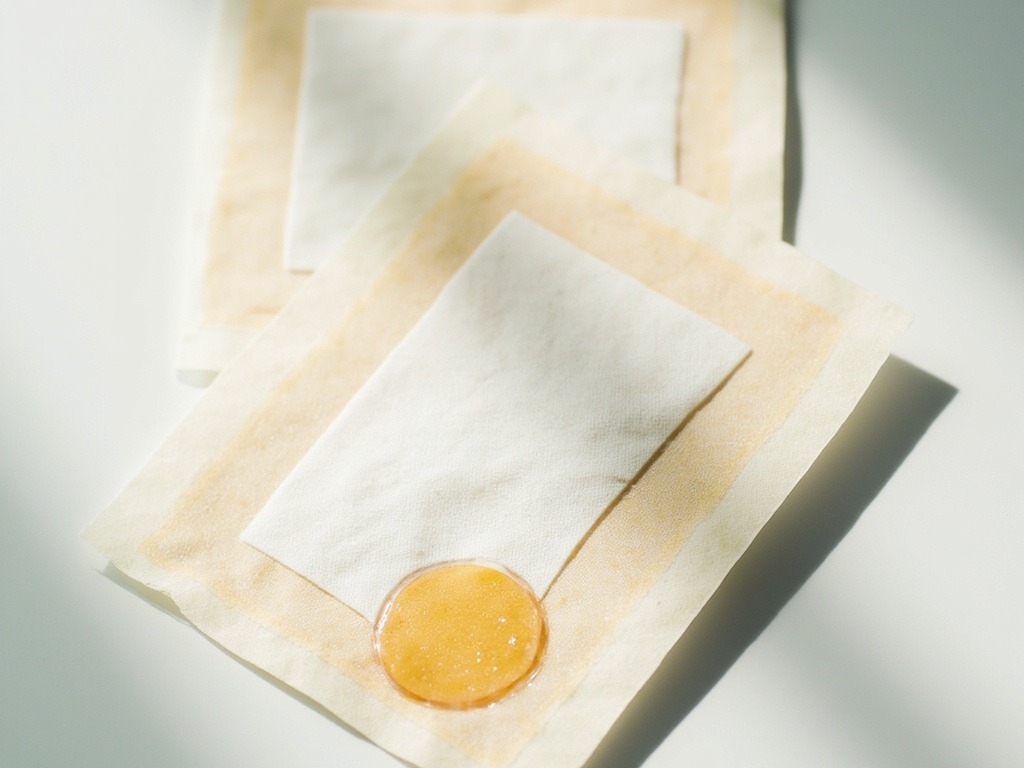
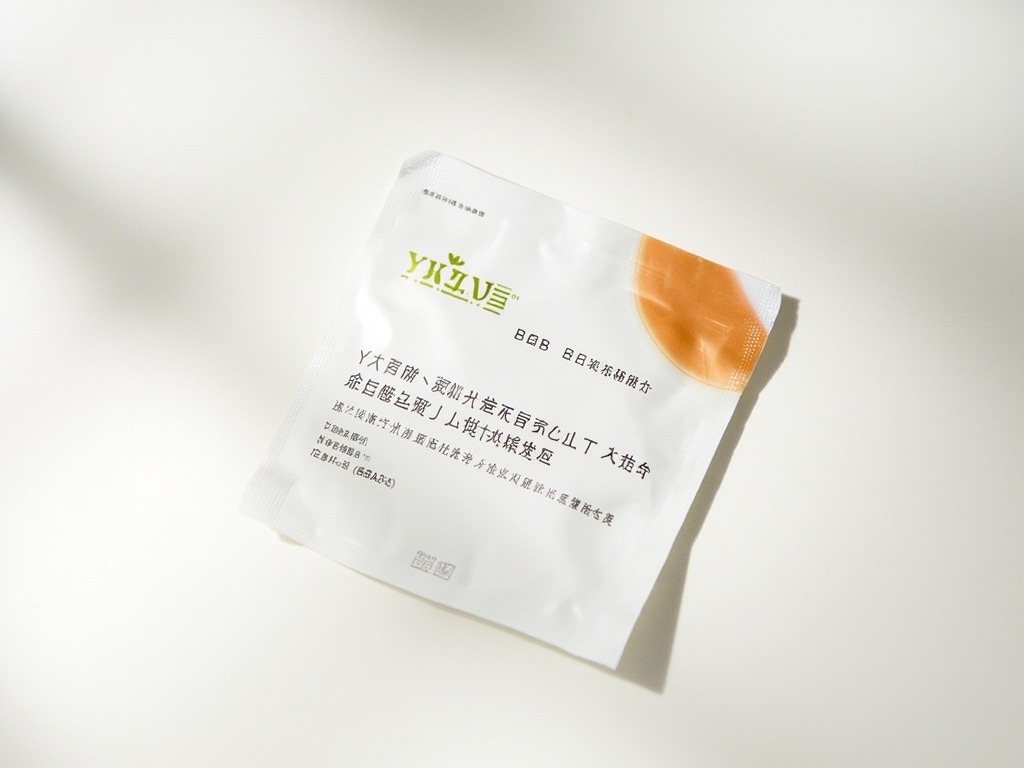
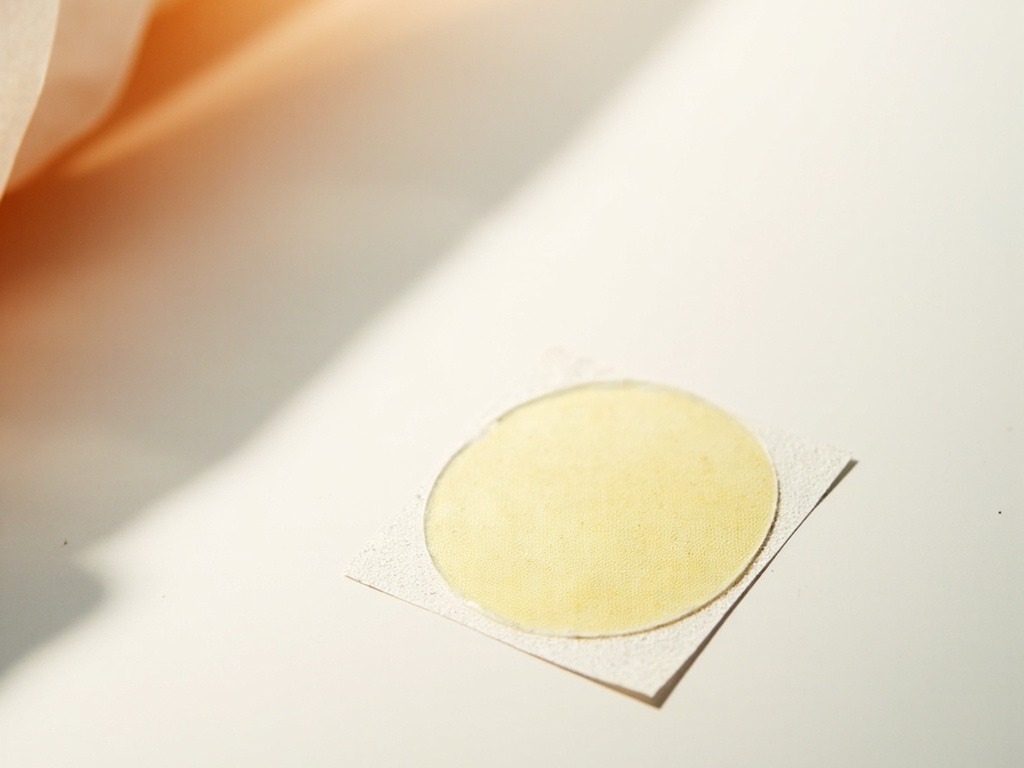
Henan Hanmeng Bio-Tech is an OEM/ODM patch manufacturer based in Henan, China, offering hydrogel and lidocaine-format topical analgesic patches with private-label artwork services. Their sourcing workflow follows the five-step funnel above, with sample lots dispatched inside ten working days and pilot runs scheduled on the line the artwork proof is built for.

CATEGORIES
LATEST NEWS
CONTACT US
QQ: 396269538
Phone: 17796669065
Tel: 17796669065
Email: 396269538
Add: Room 001, 1st Floor, Building 1, Zhengzhou Hangmei International Smart City, Intersection of S102 and Nanquan Road, Xuedian Town, Xinzheng City, Zhengzhou, Henan Province, China