Technological innovation
Sustainable Materials in Patch Manufacturing: A Growing Demand
Technological innovation 2026-07-10 18:30:00 91 views admin
Sustainable Materials in Patch Manufacturing: A Growing Demand
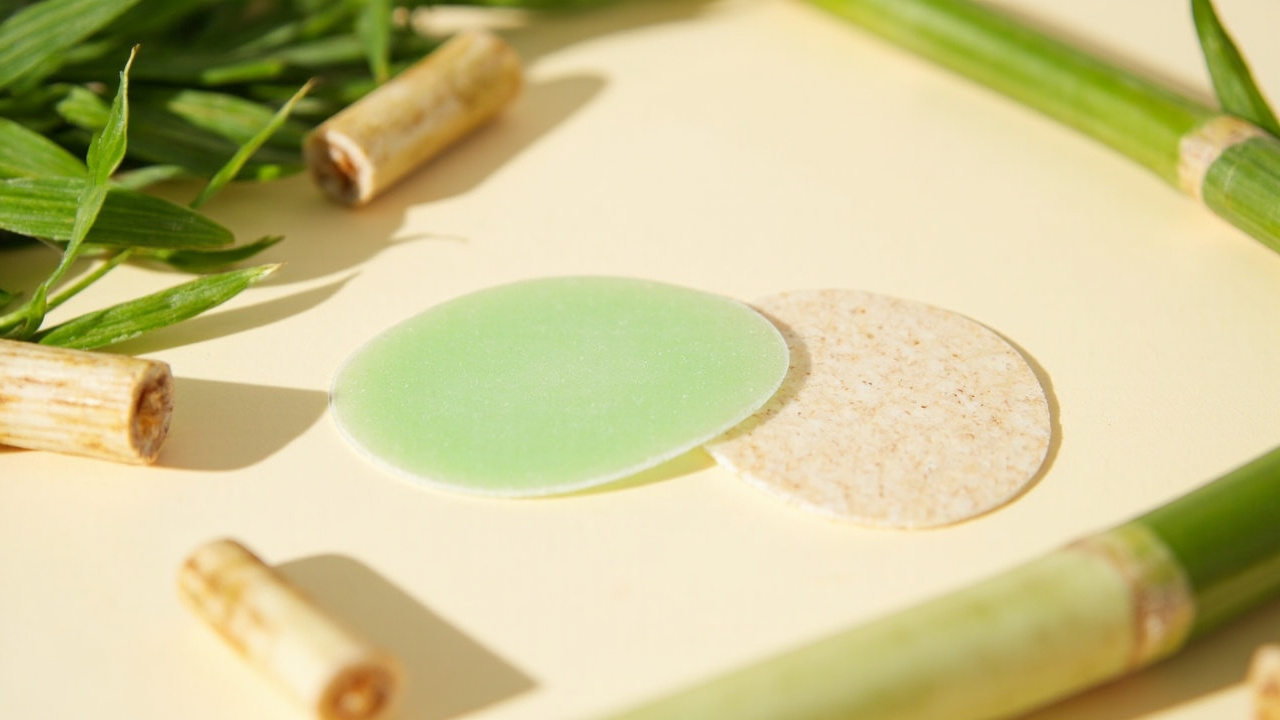
Why Sustainability Matters for Patches
Health patches are traditionally made from non-woven fabric, plastic backing films, and synthetic adhesives - all of which are hard to recycle. With over 50 billion patches produced annually worldwide, the environmental footprint is substantial. EU regulations like the PPWR (Packaging and Packaging Waste Regulation) are pushing the industry toward sustainable alternatives.
Sustainable Material Options Ready Today
| Component | Traditional | Sustainable Alternative | Cost Premium |
|---|---|---|---|
| Backing film | PET plastic | Bio-PET (plant-based) or kraft paper | 30-50% |
| Carrier fabric | Polypropylene non-woven | Bamboo or cotton non-woven | 20-40% |
| Adhesive | Synthetic acrylic | Natural rubber or starch-based adhesive | 50-80% |
| Outer pouch | Aluminum foil laminate | Compostable PLA bio-film | 40-60% |
| Carton | Virgin paperboard | FSC-certified recycled paperboard | 10-20% |
What Works and What Does Not
Not every sustainable option is ready for production. Here is the reality:
- Bio-PET backing film: Works well for short-duration patches (heat patches, eye masks). Avoid for medical-grade long-duration patches where stability matters.
- Bamboo non-woven fabric: Excellent for facial and eye-area patches. Slightly lower adhesive hold than polypropylene, so best for low-tension applications.
- Natural rubber adhesive: Performance is good but allergen risk is higher than synthetic. Avoid for children products or skin-sensitive users.
- Compostable PLA outer pouch: Works but shelf life drops to 12-18 months vs. 36+ for traditional foil. Climate-controlled warehousing becomes critical.
How to Market Sustainability Without Overstating
Be careful with greenwashing claims. In the EU, terms like biodegradable or eco-friendly require third-party certification (TUV, DIN, ASTM). For OEM buyers:
- Request third-party biodegradation certificates
- Verify compostable means industrial composting (most home composters cannot break down PLA)
- Calculate the actual recycled content percentage, not vague claims
Frequently Asked Questions
Q: Are sustainable patches more expensive?
A: Yes, typically 20-60% more depending on component choices. Most brands absorb this cost as a marketing investment rather than passing it to consumers.
Q: Do eco-friendly patches perform as well?
A: For most applications, yes. The main limitation is shelf life for compostable packaging.
Q: What is the most cost-effective green swap?
A: FSC-certified recycled paperboard for outer cartons. Minimal cost premium and immediate impact.
Henan Hanmeng Bio-Tech offers sustainable material options for OEM brands, including FSC-certified cartons and bio-based backing films.
Looking for a Custom Patch Manufacturer?
Henan Hanmeng Bio-Tech produces private-label pain relief patches, herbal heat patches, cooling patches, nasal strips, and hydrocolloid patches on certified production lines. FDA, EU CE, and ISO 13485 documentation included. Samples shipped in 7 days; bulk MOQ negotiable.
View Our OEM Catalog Request a Quote
Henan Hanmeng Bio-Tech · Henan, China · +86 17796669065 · 396269538@qq.com
CATEGORIES
LATEST NEWS
CONTACT US
QQ: 396269538
Phone: 17796669065
Tel: 17796669065
Email: 396269538
Add: Room 001, 1st Floor, Building 1, Zhengzhou Hangmei International Smart City, Intersection of S102 and Nanquan Road, Xuedian Town, Xinzheng City, Zhengzhou, Henan Province, China