Technological innovation
anti nausea patches for kids
Technological innovation 2026-08-05 10:30:47 70 views admin
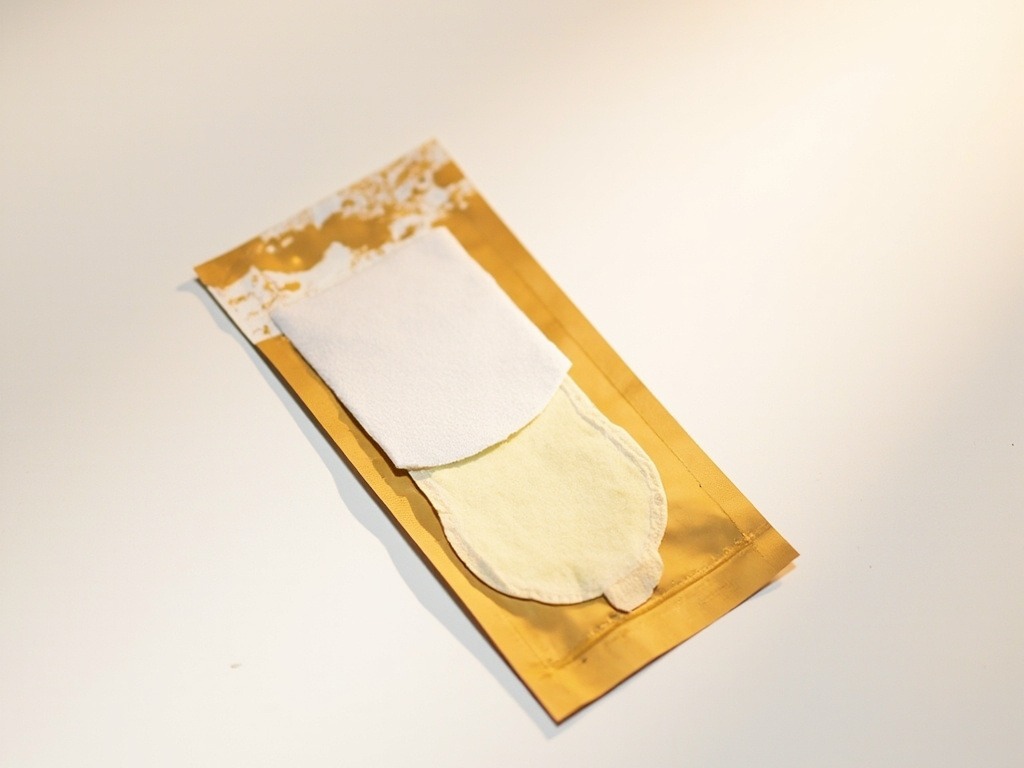
Best for: parents of motion-sensitive travelers, jet-lagged teens returning from international trips, anxiety-prone kids before exams or flights, children who resist swallowing pills
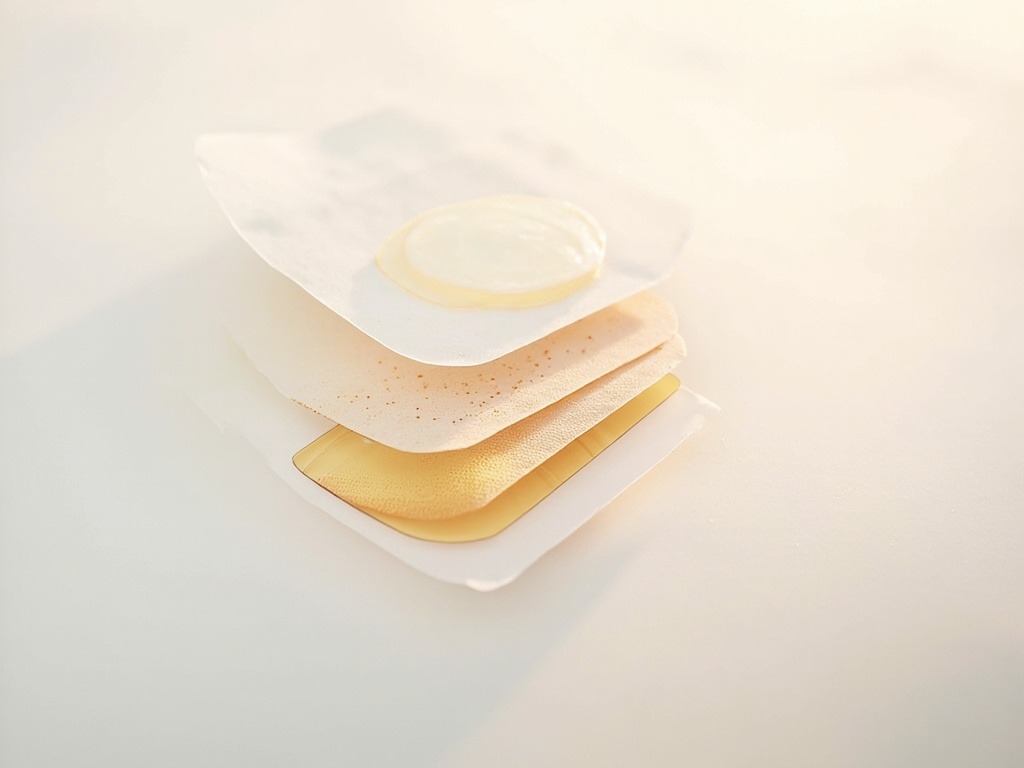
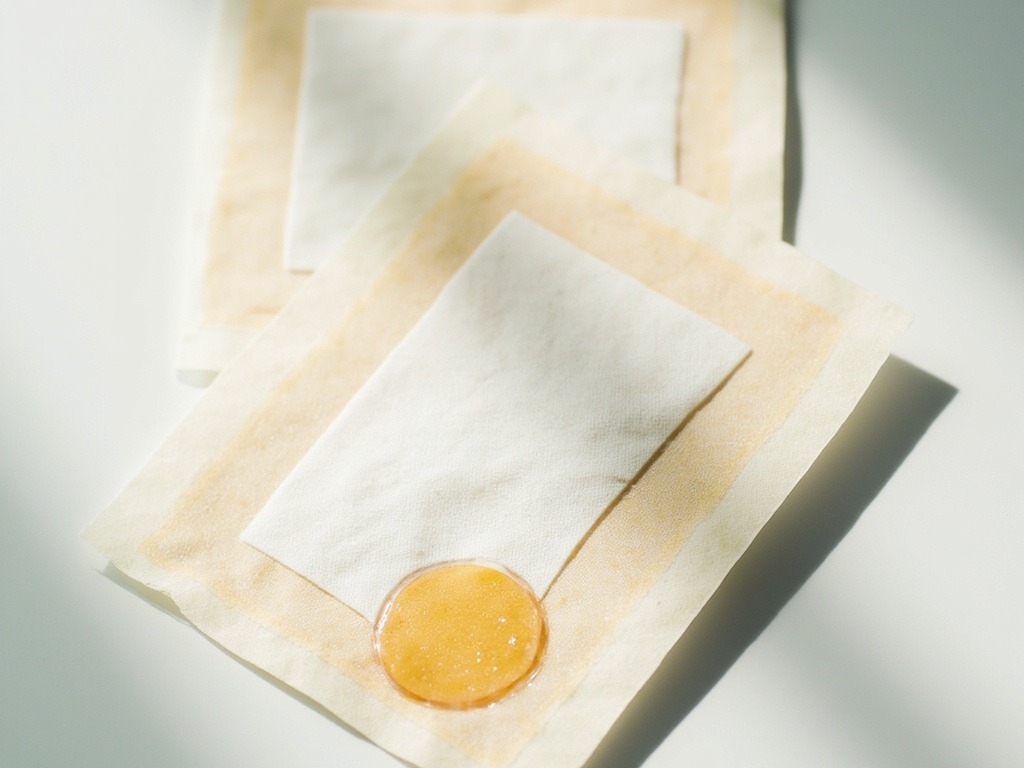
Anti nausea patches for kids are adhesive transdermal products that deliver a small, steady amount of an active ingredient through the skin to calm queasy stomachs, dizziness, or restless sleep. Most OTC patches available to families rely on one of three mechanisms: acupressure stimulation, aromatic herbal compounds, or low-dose antihistamines that have been used for decades in tablet form. The right choice depends on whether the child is dealing with car sickness, plane anxiety, post-travel sleep disruption, or general morning queasiness. Nothing here replaces a pediatrician's advice, but the patch route is popular precisely because it skips swallowing, works without dosing at exact intervals, and usually peels off cleanly at the end of a trip.
Reading the use-case matrix before you buy
Parents tend to shop for nausea patches when a specific event is on the calendar: a road trip, a flight, a school performance, or a sleep-over where a child feels off after a long day. The same patch rarely covers every scenario well. A patch marketed as a "travel band" sits on the P6 acupressure point of the wrist and exerts mechanical pressure rather than releasing a drug. An aromatic patch behind the ear uses lavender, ginger, or peppermint volatile oils that fade as the scent dissipates. A scopolamine-style patch is prescription-only in most jurisdictions and not typically sold for pediatric use without a doctor's involvement. Matching the active mechanism to the child's age and trigger saves money and prevents buying a patch that simply will not work for the situation at hand.
| Scenario | Likely cause | Patch mechanism that fits | Wear location |
|---|---|---|---|
| Car / boat / amusement-park ride | Conflicting sensory inputs (motion sickness) | Acupressure wristband or ginger aromatics | Inner wrist, both sides |
| Airplane anxiety or post-flight fatigue | Pressure shifts, mild anxiety, jet lag | Lavender or peppermint aromatics | Behind the ear, on clothing collar |
| Test-day nerves or pre-performance jitters | Mild anxiety with stomach involvement | Calming aromatic or low-dose herbal blend | Behind the ear, on a wristband sleeve |
| Trouble sleeping after travel or illness | Disrupted routine, residual nausea | Slow-release lavender or chamomile aromatic | Pillow edge, pajamas near neckline |
Ingredient-to-symptom map
The patch aisle can feel like alphabet soup. In general, ginger-based aromatic patches pair well with motion-triggered nausea because the volatile compounds interact with the same receptors that fresh ginger tea targets. Peppermint (menthol) leans toward headache-adjacent queasiness and provides a cooling sensation behind the ear or on the temples. Lavender leans toward calming the nervous system, which helps when the stomach complaint is really secondary to anxiety or sleep loss. Acupressure wristbands contain no drug at all; they are mechanical plastic or fabric bands with a small stud pressing the pericardium 6 point on the inner wrist. Some products combine menthol with a low-grade antihistamine in a gel reservoir, though these formats are far less common for children than for adults.
For motion sickness specifically, the active lever is the inner ear sending mismatched signals to the eyes during turns or wave motion. Acupressure on the wrist is a soft countermeasure; it does not always eliminate the sensation but it can shorten recovery once the motion stops. For jet lag, the issue is circadian mismatch, and aromatic patches can only help with the secondary fatigue and queasy feeling rather than the underlying clock shift. For mild anxiety before flights, the calming scent is doing the heavy lifting, so parents should look for products with a real reservoir of essential oils rather than a single thin aroma strip.
Wearing location and wear duration
Location matters because the inner skin of the wrist, the hollow behind the ear, and the upper chest differ in how fast volatile compounds evaporate and how well the adhesive tolerates sweat. Behind the ear is the most discreet spot and the easiest to hide under hair, but sweat and hairline oils break the adhesive earlier than a wrist placement. The inner wrist shows pulse beats and stays relatively dry, so wristbands tend to survive a full day of travel without reapplication. Chest or collar placements work well for sleep because the patch can sit on pajama fabric rather than on skin, which avoids any irritation for kids with eczema or sensitive dermis.
Most aromatic patches are labeled for 6 to 12 hours of useful scent life, and they degrade faster in heat above 40°C or in direct sunlight through a car window. Acupressure wristbands are reusable and depend on how long the elastic band keeps tension. Parents should write the application time on the patch itself with a soft pen so an older child can tell when to peel it off. Children under about 4 years old often find wristbands too distracting, and they tend to pull them off within minutes, so placement choice should weigh compliance alongside pharmacology.
What to check for children
The label is the source of truth. Look for an age recommendation, a list of essential oils or active ingredients by INCI or common name, and a wear-time window. A patch labeled for ages 3 and up is not automatically safe for a 4-year-old who weighs 14 kg versus a 4-year-old who weighs 18 kg, because aromatic dose per kilogram still varies, but it does at least clear the minimum safety review the manufacturer has performed. Ingredients to flag for sensitive children include menthol in high concentration (can sting near the eyes if a child rubs the patch then touches the face), synthetic fragrance blends that do not list individual components, and adhesives containing acrylate copolymers that may leave a red ring on fair skin after removal.
- Age band: most pediatric patches start at 3 to 4 years, not younger.
- Allergen screen: check for nut oils, lanolin, and fragrance families that match the child's known reactions.
- Adhesive test: press a corner of the patch on the inner forearm for 15 minutes before a full day of use.
- Removal care: warm a few drops of fractionated coconut oil or olive oil around the edge, then lift slowly rather than ripping.
- Carry a backup: a single small patch in a lunchbox is cheap insurance if the first falls off during a long drive.
Pregnancy, breastfeeding, and younger siblings
The pediatric label is not the same as the pregnancy label. Pregnant or breastfeeding mothers should review the active ingredients with an obstetric provider before wearing calming patches themselves, because the same volatile compounds that soothe a child's queasy stomach cross into breast milk in trace amounts and may affect sensitive newborns. Aromatic patches containing peppermint and certain eucalyptus components can lower milk supply in some mothers, so a quick check beats trial and error. Young toddlers who share a bed with an older sibling wearing an aromatic patch are exposed to passive inhalation, and the cumulative dose across a long night can be heavier than expected in a small bedroom.
Limits and what the patches cannot do
This article is general information, not medical advice. Patches do not treat food poisoning, viral gastroenteritis, appendicitis, or migraine variants, and they will not resolve nausea caused by concussion or inner-ear infection. If a child vomits repeatedly for more than a few hours, runs a fever, becomes lethargic, or shows signs of dehydration, the patch is the wrong tool and a clinician should be contacted. Aromatic and acupressure patches also do not have the same evidence base as oral antiemetics; their reported benefits come mostly from consumer surveys and small observational reports rather than large controlled trials. Parents who want a stronger tool for known motion sickness should ask a pediatrician whether a short-acting oral antihistamine is appropriate for the next trip.
- Stop use if the skin under the patch turns red, itchy, or blistered.
- Do not stack multiple patches to "double up" the dose; the delivery rate does not scale that way.
- Do not cut gel-reservoir patches; the active layer is meant to diffuse through the full surface.
- Store patches in a sealed pouch away from heat; a glove compartment above 40°C shortens shelf life.
Comparing the options parents actually buy
The market divides cleanly into three categories. Drug-free acupressure wristbands dominate the motion-sickness niche because they have no ingestion or inhalation step and can be reused across many trips. Aromatic herbal patches are the broadest category and the most varied in quality, ranging from single-note lavender squares to multi-ingredient blends that target sleep, anxiety, or queasiness separately. Prescription transdermal scopolamine is a third, narrower category reserved for adults and older teens under medical supervision, and parents should not attempt to substitute an adult scopolamine patch on a small child.
Price correlates more with brand and packaging than with active ingredient strength in the OTC segment. A basic lavender patch bought in a 14-pack often costs the same per piece as a smaller 6-pack of the same formulation. Reusable wristbands cost more up front but amortize across years of travel. For a family that drives long distances twice a year, the wristband is the lower-cost option. For a family that flies with a nervous flyer three times a year, the disposable aromatic patch gives more flexibility without the friction of remembering to bring a band back home.
Buyer's checklist before checkout
Run through this quick decision rule when comparing two or three patches on a retailer page.
- Age range on the label covers my child.
- Active ingredient matches the symptom (motion, sleep, anxiety, jet lag).
- Wear time covers the longest expected stretch without a swap.
- Adhesive type is documented and patch is removable without soap.
- Single-use or reusable cost over the next 12 months is reasonable for the use case.
About the manufacturer behind this article
This consumer guide was written with input on pediatric-safe adhesive formats from a transdermal manufacturer in China. Hanmeng Bio-Tech produces custom topical patches for partners who need a private-label route to market, including low-irritation pediatric formats with hypoallergenic acrylic adhesives. The capabilities described here do not imply specific certifications for any individual product line; check the applicable local requirements for your market. For background on the manufacturer's transdermal technology and OEM services, the reference page is available at pharmaceutical patch OEM.
CATEGORIES
LATEST NEWS
CONTACT US
QQ: 396269538
Phone: 17796669065
Tel: 17796669065
Email: 396269538
Add: Room 001, 1st Floor, Building 1, Zhengzhou Hangmei International Smart City, Intersection of S102 and Nanquan Road, Xuedian Town, Xinzheng City, Zhengzhou, Henan Province, China