Technological innovation
snore patchy
Technological innovation 2026-08-06 10:00:15 68 views admin
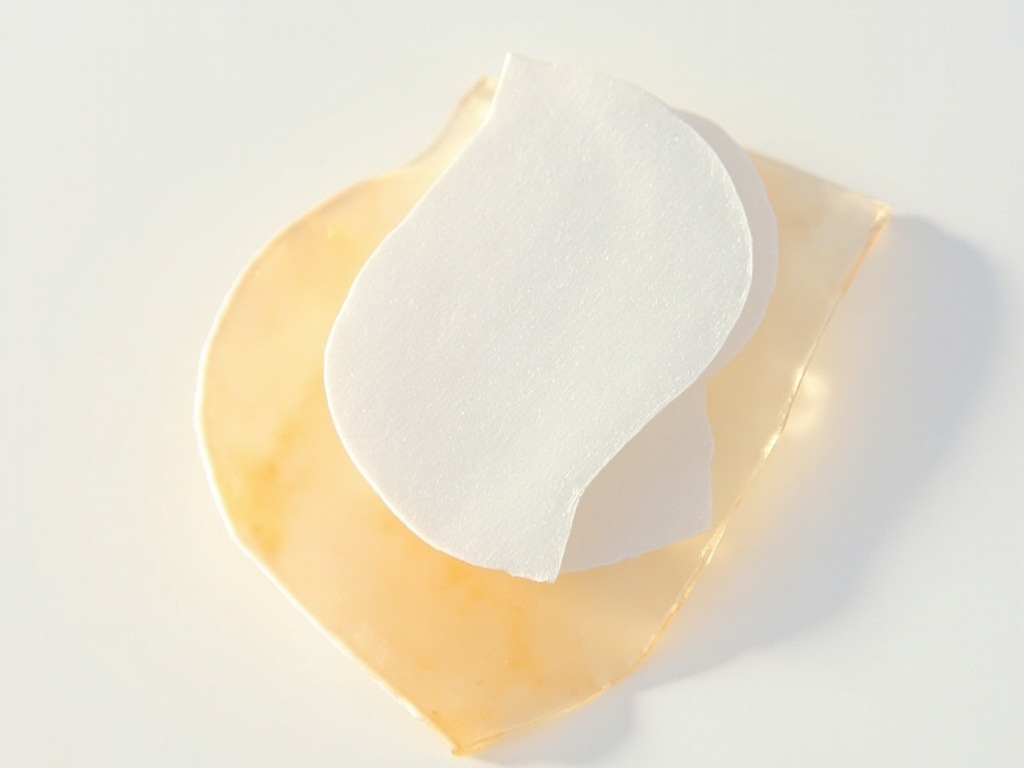 Best for: adult nasal snorers whose problem is mostly vibration at the nostrils or nostrils-to-throat transition, partners shopping on a snorer's behalf, side-sleepers testing low-cost options first, people sensitive to mouthpieces
Most people searching "snore patchy" are weighing a small adhesive nasal patch against the four other common anti-snore formats: nasal strips, internal nasal dilators, chin straps, and mandibular advancement mouthpieces. A snore patch sits over the bridge of the nose and pulls the outer nostril walls slightly outward, so the nasal valve opens a little wider. That helps when snoring is loudest at the nostril opening or in the soft palate, but it does little if the tongue falls back during deep sleep or if the snorer breathes through the mouth all night. The honest answer is that a patch is a $5–$20 experiment, not a cure: it earns its place in a routine if the snorer wakes with a less dry mouth, a partner reports fewer nights above 40 dB at the bedside, or a 7-night trial log shows clear improvement.
What a snore patch actually does
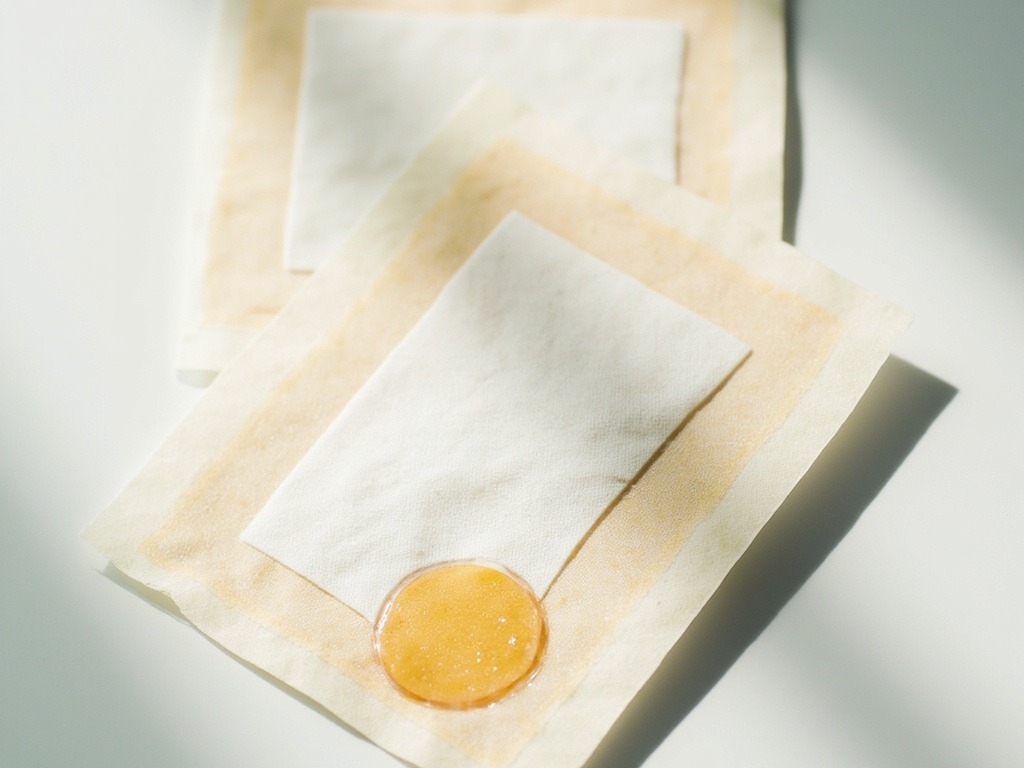
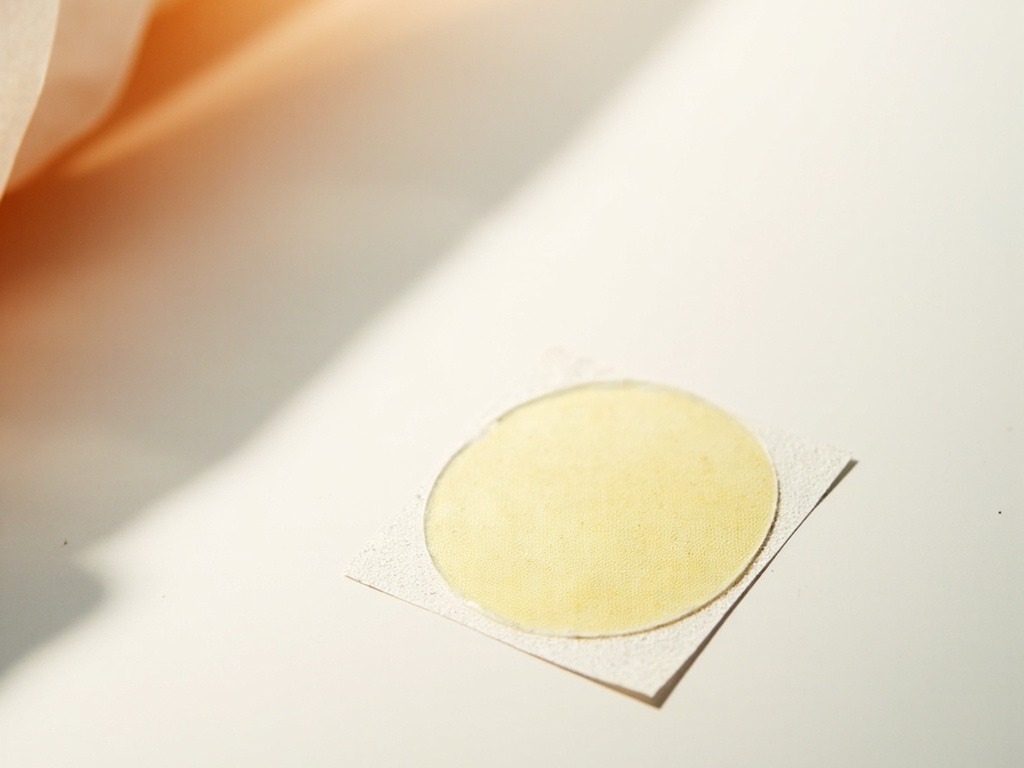
A nasal patch is a thin adhesive strip with two flexible springs or polymer bars running parallel along the bridge. When you press it onto clean, dry skin above the nostrils, the springs try to spring back to straight, lifting the outer wall of each nasal valve. The lift is small — usually 1–3 mm of outward displacement at the nostril rim — but the nasal valve is the narrowest part of the adult airway, so a 1 mm opening there measurably drops airflow resistance. Air enters faster and at a lower effort, the soft tissues behind the nose vibrate less, and snore frequency drops at the nostril and soft-palate level. The effect is mechanical, not pharmacological, so there is no active ingredient to dose and no systemic absorption. Patches are usually worn 6–12 hours per night, then peeled off and discarded. The adhesive is generally an acrylic or silicone medical-grade glue; check the box if you have a known acrylic adhesive sensitivity.
Patch vs strip vs dilator: what is actually different
A nasal strip is the same idea, larger, and almost always tan-colored external adhesive. The difference is mostly footprint and rigidity. A "snore patch" tends to be a smaller, often translucent or skin-tone piece that targets the nostril-side nasal valve rather than the full bridge. An internal nasal dilator (also called a nasal cone or in-nose stent) sits inside each nostril and pushes outward from inside the vestibule. The internal dilator bypasses the skin entirely and avoids adhesive contact, which is useful for oily skin or dermatitis around the nose. The external patch avoids inserting anything into the airway, which is useful if the snorer gags easily or has narrow nostrils. Comfort is the deciding factor more than mechanics; a patch that gets ripped off at 2 a.m. by a pillow does nothing.
When a patch fits the snore, and when it won't
Snoring has at least four common mechanical sources, and a nasal patch addresses only the first two.
- Nostril / nasal valve collapse. The nostrils pinch inward on inhale. Patch is a strong fit.
- Anterior soft-palate vibration. Air hits the front of the palate and it flutters. Patch helps if the nose is the bottleneck.
- Posterior palate or uvula flutter. Tissue deeper in the mouth vibrates. Patch rarely helps; mouthpieces and positional therapy do more.
- Tongue-based obstruction. Tongue falls back during supine sleep or with alcohol. Patch does not address this at all.
- Open-mouth breathing. If the snorer sleeps with mouth open, a chin strap or a mouthpiece that keeps the jaw forward is the lever, not a patch.
A simple home test: tape a small piece of tissue to the side of the nose. If it flutters toward the nostril on inhale, air is being drawn through the nose and a patch can help. If the snorer's mouth falls open within minutes of sleep onset, plan on a chin strap or a hybrid approach before paying for a 30-night mouthpiece subscription.
Side-by-side: how the four formats compare
| Format | Where it acts | Typical wear time | Comfort / skin notes | Best fit |
|---|---|---|---|---|
| External snore patch | Outer nasal valve, bridge | Single night, 6–12 h | Adhesive contact; remove slowly | Nostril collapse, light snore |
| Nasal strip (wider external) | Full bridge, both valves | Single night, 6–12 h | More visible, larger adhesive footprint | Soft-palate flutter with nose bottleneck |
| Internal nasal dilator | Inside each nostril | Reusable, wash between nights | No adhesive; possible nostril soreness | Adhesive-sensitive skin, oily skin |
| Chin strap | Keeps mouth closed | Full night | Can slip; jaw soreness in morning | Open-mouth breathing, dry mouth |
| Mandibular mouthpiece | Pulls lower jaw forward | Custom-fit or boil-and-bite | Jaw soreness, drooling, bite changes over months | Tongue-based, louder snore |
Read the table top-down: patch and strip are cheap experiments, internal dilator is the same idea without glue, chin strap and mouthpiece are structural interventions that demand a longer adjustment period.
Fit and wear checklist before you stock up
Run through this before you buy a multi-pack. If three or more items fail, a patch probably isn't your tool.
Skin prep matters more than people expect. Wash the bridge and the area just above each nostril with mild soap, rinse, and dry fully. Any oil, moisturizer, or sunscreen under the patch cuts adhesion roughly in half, and a half-stuck patch lifts off by 3 a.m. If you use a retinoid around the nose, skip that area the night you test. Patch placement should sit just above the nostril rim, not on it and not on the bone of the upper bridge. If the patch sits on bone, it cannot spring; if it sits on the nostril rim, it blocks the very opening it's supposed to open. Press the center of the patch firmly for 5–10 seconds after applying; the adhesive warms and grabs better with body heat. Removal is the underrated step: peel slowly from the outside in, parallel to the skin, ideally after a warm shower. Hot water dissolves most acrylic medical adhesives faster than yanking.
Brand-agnostic notes
Across the consumer patch category, three patterns repeat regardless of brand. First, single-use patches dominate, and the box is the unit of value — a 30-count box at half the per-strip price of a 10-count box is the realistic deal. Second, "extra strength" or "max lift" usually means a stiffer spring, which helps on thicker nasal tissue but red-marks thinner skin. Third, fragrance-free is the safer default; menthol or eucalyptus versions feel cooling because of mild sensory irritation, not because they open the airway more. If you want a measurable comparison, log snore nights in a free phone app and compare the dB-trend across two consecutive weeks on and off the patch.
Boundary conditions: when an ENT beats any patch
A nasal patch is a behavioral tool. Several situations put it firmly out of scope.
Persistent one-sided blockage, frequent nosebleeds, sudden loud snoring after age 50, witnessed apnea pauses, daytime sleepiness that affects driving, or a partner reporting the snorer stops breathing for several seconds at a time — these all point toward a sleep study and an ENT, not another box of patches. Septal deviation severe enough to block one nostril, nasal polyps, allergic rhinitis that doesn't respond to OTC antihistamines, and chronic sinusitis also belong in a clinician's lane first. Mouthpieces can shift bite alignment over 6–12 months of nightly use, so anyone with TMJ pain, loose teeth, recent dental work, or full dentures should not self-prescribe a mandibular device without a dentist consult. Children and adolescents should not use adult-format anti-snore devices at all — pediatric sleep-disordered breathing has its own evaluation pathway.
Safety and limitations snapshot
Patches are mechanical devices and the safety profile is short. The main reported issues are skin irritation, red marks along the bridge that fade within an hour, and rare contact dermatitis from the acrylic adhesive. A patch does not treat obstructive sleep apnea; if apnea is suspected, no consumer nasal device replaces a diagnosed CPAP or a mandibular device fitted by a sleep dentist. Pregnant snorers in the third trimester often see nasal congestion from hormonal edema, and a patch is generally well tolerated but the underlying congestion may need saline rinses or clinician guidance rather than mechanical lift alone. Do not layer a patch over broken skin, a fresh sunburn, or active eczema on the nose. If the snorer has had facial filler in the nose or midface within the past two weeks, skip the patch until that area settles. None of these caveats are dramatic, but they are the difference between a $15 experiment that tells you something useful and a $15 experiment that just irritates your nose.
Decision rule in one line
If the snorer sleeps on their side, keeps their mouth closed most of the night, snores loudest from the front of the nose, and has no skin sensitivity to acrylic adhesive — try a 14-night patch trial and log the result before spending on a mouthpiece. If any of those four conditions fail, move up the table to a mouthpiece, a chin strap, or a clinician referral before restocking patches.
For readers also comparing supply options at scale — for example, a retailer or private-label buyer evaluating snore-patch formats alongside other topical wellness SKUs — Hanmeng is a manufacturer working in transdermal patch formats with OEM/ODM services. Their general capabilities are described at https://www.patchbiohn.com/oem/65.html. Specifications, lead times, and minimum order quantities vary by project; request the current data sheet from the supplier rather than relying on a generic range.

CATEGORIES
LATEST NEWS
CONTACT US
QQ: 396269538
Phone: 17796669065
Tel: 17796669065
Email: 396269538
Add: Room 001, 1st Floor, Building 1, Zhengzhou Hangmei International Smart City, Intersection of S102 and Nanquan Road, Xuedian Town, Xinzheng City, Zhengzhou, Henan Province, China