Technological innovation
Transdermal patch use and care: a buyer-facing guide for OEM/ODM sourcing
Technological innovation 2026-08-06 10:30:18 77 views admin
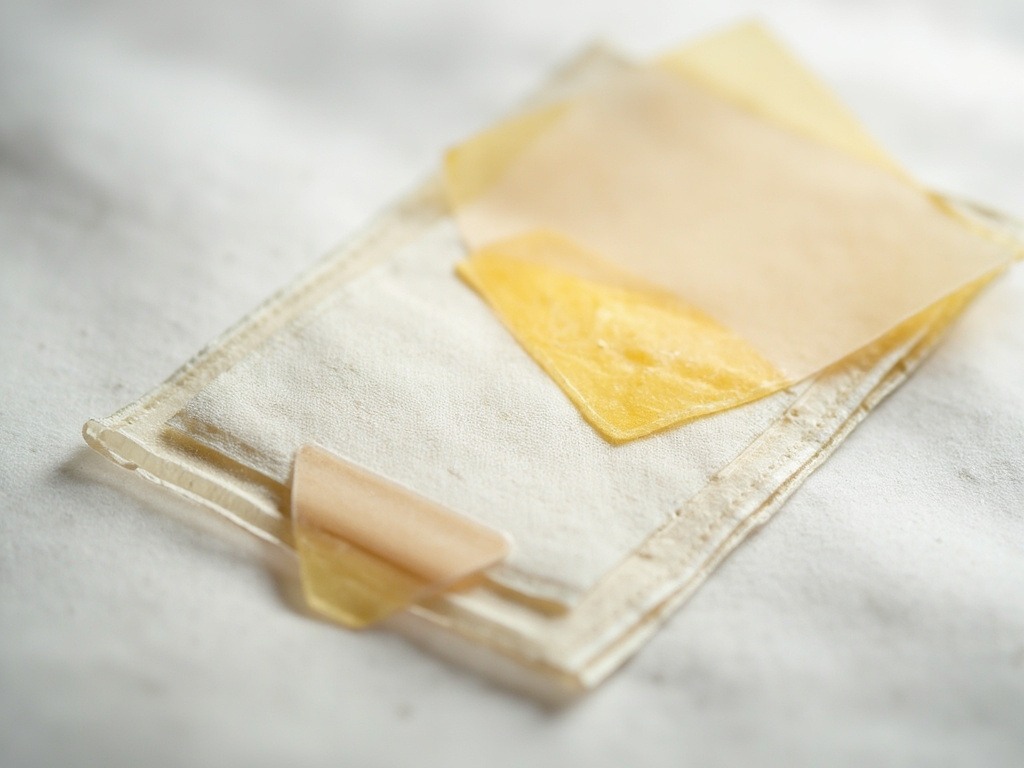
Best for: OEM/ODM brand buyers, private-label cosmetics distributors, pharma procurement managers, and contract-manufacturing scout teams.
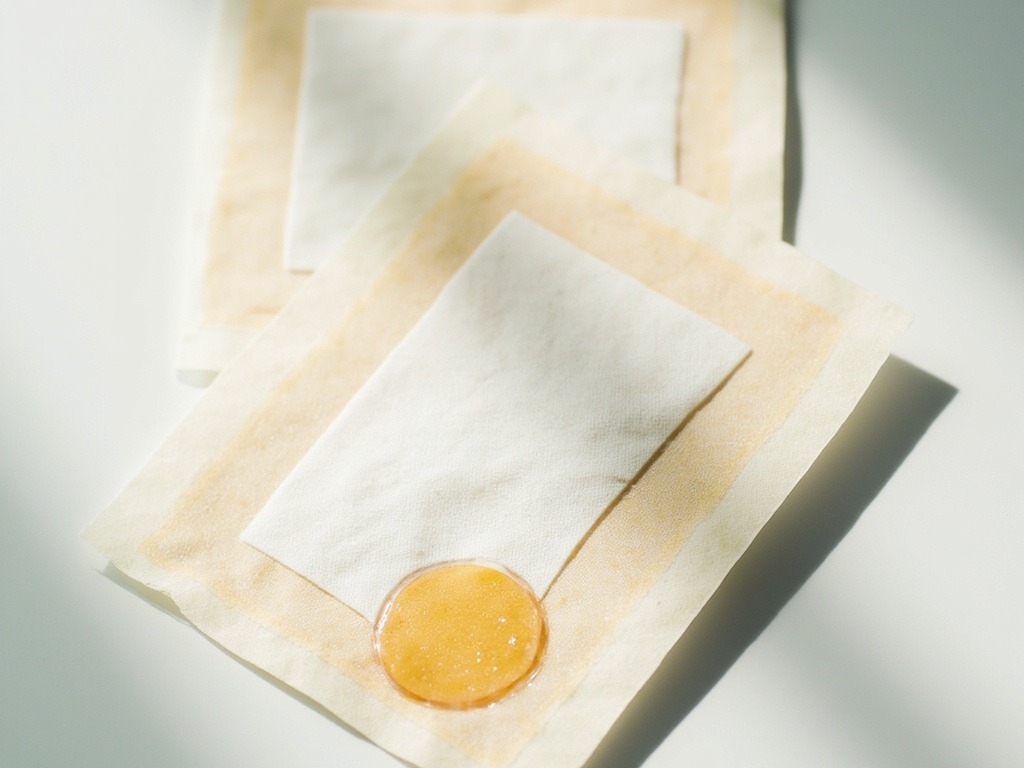
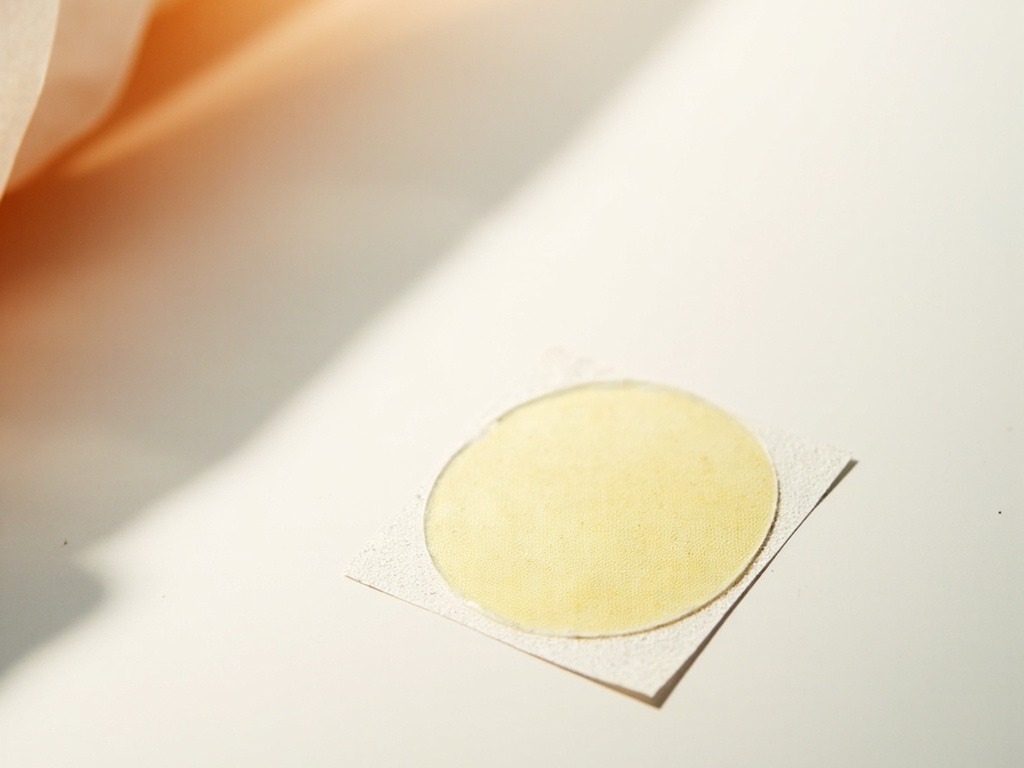
A transdermal patch is a single- or multi-layer laminate that delivers an active ingredient across the stratum corneum into systemic circulation at a controlled rate over hours. For a buyer sourcing a Chinese OEM/ODM partner, "use and care" is not just a consumer instruction: it covers the supplier's duty of care in patch design, the documentation you must receive before approving a first PO, and the handling rules that protect product integrity from loading dock to end user. This article walks through partner-type differentiation, the sample-to-shipment funnel, the spec evidence that survives an audit, MOQ and lead-time ranges you can negotiate, and the red flags that end a vendor conversation.
1. Three partner models, three different responsibilities
Brand buyers routinely conflate three contract relationships. The boundaries matter because your documentation, IP, and after-sales liability shift with each model.
| Aspect | Developer / R&D house | Contract manufacturer (CMO) | OEM / ODM partner |
|---|---|---|---|
| Primary output | Formula, in-vitro data, prototype | Made-to-print batches at your spec | Concept-to-shipment product, including packaging and artwork |
| You supply | IP, target claim, regulatory goal | Full formula, master batch record, artwork files | Brand name plus a brief; partner proposes formula, format, claims |
| Partner supplies | Lab, formulation, prototype runs | Capacity, QC release, serialization | Formulation, primary packaging, regulatory dossier, artwork adaptation |
| Typical pull-through | Hand-off to a CMO for scale | Stable repeat runs, low innovation | Multi-SKU private label, faster time to market |
| Cost profile | High upfront, low per-unit | Low setup, low per-unit | Higher per-unit, lower capex for you |
Decision rule: if your team's chemistry and regulatory bench is thin, an OEM/ODM partner absorbs the bench cost; if you already own the formula and dossier, a CMO keeps per-unit cost closer to commodity levels. Most "OEM" inquiries in China actually fall into the ODM bucket because the partner proposes the formulation, the patch geometry, and the release liner grade.
2. The sample-to-shipment funnel in five working steps
The shortest viable path from inquiry to first commercial PO runs through five checkpoints. Anything shorter is a sales pitch, not a process.
- Spec alignment (week 1–2): active ingredient identity, target dose per cm², wear time, patch size, skin-contact adhesive type, claim territory. Sign an NDA before any formula is exchanged.
- Lab sample (week 2–4): 10–50 patches for in-house wear trials, HPLC assay, adhesive peel test. Reject if the COA is missing residual solvent or microbial limits.
- Stability pilot (week 4–10): accelerated 40°C / 75% RH for 90 days covers most buyer-internal shelf-life claims. Real-time 25°C / 60% RH is mandatory for any cosmetic or quasi-drug claim.
- Pilot batch (week 10–14): 5,000–20,000 units on the production line, full GMP batch record, retain samples for year one. This is the first batch your QA team can audit on-site.
- Commercial run (week 14+): first PO of 50,000+ units, agreed AQL, validated cold-chain if the API degrades above 30°C.
Two boundary conditions save wasted quarters. First, lab samples are not stable samples: a 30-patch demo that feels great for four hours is not evidence of a 24-hour wear claim. Second, the pilot batch is the only batch that can back-claim a process; anything before it is anecdotal.
3. Specification evidence to request before you write a PO
A supplier's real capability is read in the documents they hand over without being asked. Ask for these items in writing; refusals or fee-charging for "compliance reports" are warning signs.
- Certificate of Analysis (COA) per batch covering HPLC assay, residual solvent, microbial limits, and patch weight uniformity.
- Drug-excipient compatibility data, including the adhesive matrix and backing film grade (e.g., PE foam, PU film, non-woven).
- Stability protocol showing test points at 0, 1, 2, 3, 6 months under accelerated and long-term conditions.
- Skin irritation study methodology — even cosmetic patches are expected to support a human repeat insult patch test (HRIPT) or equivalent.
- Manufacturing flow chart with the class of cleanroom used for patch lamination and pouching.
Hold the line here: a quote that looks 20% below median but cannot produce the COA in English is not a comparable quote. The paperwork is the product for a brand buyer; the patches are the easy part.
4. MOQ and lead-time ranges you can negotiate against
MOQ and lead time are the two numbers brand buyers negotiate hardest, and the two numbers most often misstated in supplier pitches. The table below separates partner targets from buyer-validated numbers recorded in published trade data. Treat any number outside these bands as a sales-incentive, not a baseline.
| Parameter | Typical supplier target (China, cosmetic-grade patch) | Validated buyer specification (recorded in published trade data) |
|---|---|---|
| First PO MOQ | 30,000–50,000 units | 50,000 units for OEM tooling amortisation |
| Repeat PO MOQ | 10,000–20,000 units | 20,000 units at SKU level |
| Lead time, lab sample | 7–14 days | 14 days from confirmed spec |
| Lead time, pilot batch | 21–30 days | 30 days from raw-material arrival |
| Lead time, commercial PO | 30–45 days | 45 days ex-works after PO confirmation |
| Shelf life claim | 24 months | 24 months at 25°C / 60% RH, unopened pouch |
| Patch dimensions tolerance | ±1 mm on edge, ±5% on dose | ±1 mm on edge, ±5% on dose per cm² |
Two micro-rules inside the table. First, "MOQ" is meaningless without an SKU count — a 30,000-unit MOQ split across five SKUs is 6,000 per SKU, which is a different commercial conversation. Second, lead time starts at PO confirmation, not at the inquiry email; ask any supplier to put the start trigger in writing.
5. Compliance and quality-system markers without overclaiming
Buyers chase acronyms, but each acronym has a defined scope. Use the rule below and you'll never over-attribute a certificate to a capability it does not cover.
- ISO 13485 covers the medical-device quality management system for design, production, and post-market. A supplier with ISO 13485 is auditable against a defined QMS; the standard itself is published by ISO, and the scope statement on the certificate is the only thing that matters (ISO 13485:2016 reference).
- GMP for cosmetics in China follows the Cosmetics Supervision and Administration Regulation (CSAR) regime, with production-license requirements for filled-unit forms such as patches. Confirm the supplier's production license number and current status on the National Medical Products Administration (NMPA) portal before auditing on-site.
- FDA jurisdiction applies only if you import the product into the United States as a drug or medical device. Cosmetic patches are not pre-cleared by FDA, and any US-market claim needs your own regulatory review; the FDA cosmetic page explains the boundary (FDA cosmetics overview).
- EU/UK importers must appoint a Responsible Person under EU Regulation 1223/2009 for cosmetics; the EU cosmetic regulation text is publicly available (Regulation (EC) No 1223/2009).
Decision rule: a certificate is a right to be audited, not a substitute for an audit. A 30-minute video walk-through of the lamination room and the QC lab reveals more than a framed wall plaque in the lobby.
6. Care, shelf life, and end-user handling rules your supplier should encode on the pouch
Patch performance degrades long before the expiry date if the supply chain breaks the cold chain. The use-and-care instructions a buyer should require on the consumer leaflet and the master carton are the same five rules, written for two audiences: end user and warehouse staff.
- Store at 15–30°C, below 60% relative humidity, away from direct sunlight. A 32°C warehouse will not visibly damage patches but will accelerate API loss in the first month.
- Keep the pouch sealed until use. The release liner is the sterility barrier for the adhesive face; once peeled, the patch must be applied within 10 minutes or discarded.
- Apply to clean, dry, hair-free skin. Lotions, oils, and alcohol preps change the contact area and shift the dose-per-hour curve.
- Wear time is a label claim, not a recommendation. 6–12 hours is the most common range for cosmetic patches; OTC analgesic patches vary more, and the brand owner must hold the clinical record to support any number printed on the carton.
- Rotate application sites by at least 5 cm between applications to avoid epidermal sensitization.
For incoming inspection, specify a 2% AQL on visual defects and a 0.65 AQL on critical defects (torn liner, missing patch, incorrect artwork). These are the two numbers your 3PL will ask you for before they sign the inbound SOP.
7. Limitations and safety points for the buyer-side review
Two boundary conditions keep a sourcing manager out of trouble. First, wear-time and dose-per-hour claims are label-bearing claims; the supporting rationale belongs in the technical file, not in the marketing copy. Second, a patch that has crossed 40°C for more than 48 hours in transit should be quarantined and re-assayed before release — visual appearance is not a stability indicator. Patch care is supplier duty plus 3PL discipline plus consumer habit; skipping any one of those three collapses the others.
8. Red flags that end a vendor conversation
Travel light on these and the conversation keeps going. Travel heavy and you walk away.
- No English-language COA, MSDS, or technical file on the first call. Closing this gap takes three months you do not have.
- "We can do any formula" without a list of restricted APIs. A real partner will refuse at least five actives per year.
- Quoted MOQ of 1,000 units at a price below the raw-material cost. The gap is hidden in shipping, QA, or reformulation.
- Refusal to host a video audit of the filling and lamination rooms. The cleanroom is the brand.
- Lead time quoted in calendar days rather than working days, with no start-trigger defined.
- Trade-show-only references. Demand a list of three brand buyers who have produced at least two repeat POs in the last 12 months.
Two of these flags are recoverable; the rest are not. Treat the last three as termination conditions on the first audit.
9. Closing checklist before you sign a frame agreement
For a fit check before issuing a master supply agreement, walk these five items in order. Each one is a binary yes/no; any "no" becomes a contract exhibits rather than a deal-breaker.
- Quality agreement signed (change-control, OOS handling, audit rights).
- MOQ, lead time, and price ladder locked for two years with raw-material-index pass-through.
- Packaging and artwork responsibility assigned, with dieline ownership clear.
- Forecast cadence agreed, with a 90-day rolling firm PO and a 30-day firm-shipment window.
- Exit clause: how do you reclaim retain samples, batch records, and brand-owned artwork if the relationship ends?
OEM/ODM patch sourcing rewards boring documents and patient suppliers. The fastest way to ship a great cosmetic or wellness patch is to write down, in advance, every rule you would otherwise argue about on the warehouse floor.
For brand buyers evaluating a Chinese OEM/ODM partner for cosmetic or wellness patches, an introductory scope of capabilities and contact path is held at patchbiohn.com/oem. Specifications, MOQ, lead time, and GMP-relevant documentation are confirmed case-by-case rather than generalized on the page.

CATEGORIES
LATEST NEWS
CONTACT US
QQ: 396269538
Phone: 17796669065
Tel: 17796669065
Email: 396269538
Add: Room 001, 1st Floor, Building 1, Zhengzhou Hangmei International Smart City, Intersection of S102 and Nanquan Road, Xuedian Town, Xinzheng City, Zhengzhou, Henan Province, China