Technological innovation
Phase-Change Materials in Heat Patches: Stable Temperature Delivery
Technological innovation 2026-07-13 11:32:36 89 views admin
Phase-Change Materials in Heat Patches: Stable Temperature Delivery
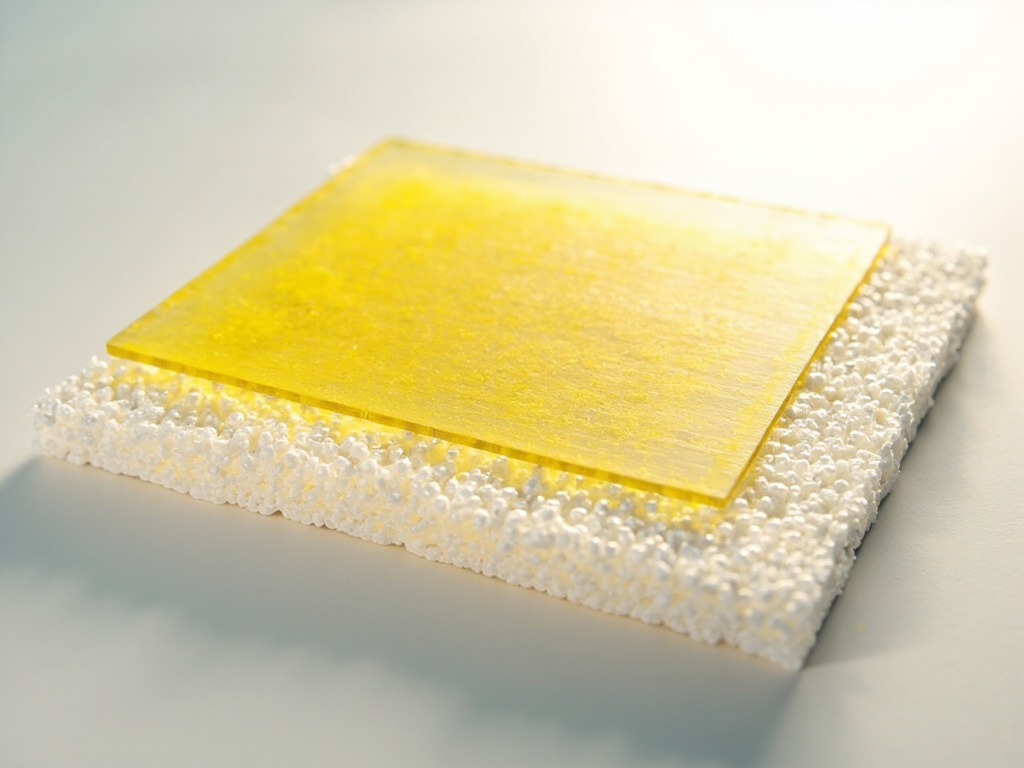
Phase-change materials (PCMs) store and release thermal energy at specific transition temperatures, typically 40-55°C for body-warming applications. When incorporated into heat patches, PCMs deliver consistent therapeutic heat for 4-8 hours without the oxygen-dependent chemical reactions required by iron-powder patches. The global PCM market reached USD 685 million in 2024, with healthcare applications growing 14.8% annually.
How PCM Heat Patches Differ From Iron-Powder Patches
Traditional heat patches rely on iron powder oxidation (Fe + O2 → Fe2O3 + heat) regulated by micro-porous films. This reaction has three limitations: heat peaks within 20-30 minutes then declines sharply; patches stop working when sealed in airtight packaging; and iron residue creates disposal concerns. PCM-based patches solve all three.
PCM heat patches use encapsulated paraffin or fatty acid blends (typically C16-C18 alkanes) with melting points calibrated to therapeutic ranges. The PCM absorbs heat from air during the liquid phase, then releases it slowly as it crystallizes back to solid form — a process controlled by nucleating agents that prevent supercooling. Skin contact at 40-45°C feels pleasant and delivers therapeutic warming without the peak-and-decline profile.
Common PCM Materials and Their Performance
| Material | Phase change temp | Heat storage (kJ/kg) | Cost (USD/kg) |
|---|---|---|---|
| Paraffin C16 (hexadecane) | 18°C | 236 | 2.50-4.00 |
| Paraffin C17 (heptadecane) | 22°C | 213 | 3.00-5.00 |
| Paraffin C18 (octadecane) | 28°C | 244 | 3.00-5.00 |
| Dodecanoic acid (lauric acid) | 44°C | 178 | 5.00-8.00 |
| Myristic acid | 54°C | 187 | 6.00-10.00 |
| PCM composite (paraffin + graphite) | 45-55°C | 250-300 | 8.00-15.00 |
For body-warming patches targeting 40-50°C surface temperature, lauric and myristic acid blends are most common. They deliver 178-187 kJ/kg heat storage — enough to maintain therapeutic temperature for 4-6 hours in a 50-80 gram patch.
Patent Landscape: 2020-2024 Activity
Patent filings for PCM-based transdermal applications grew 38% from 2020 to 2024, with major clusters in Japan (32%), China (28%), South Korea (18%), and the US (12%). Key patent categories include:
- Microencapsulation techniques: shell materials, particle size distribution, encapsulation efficiency (USPTO Class 424)
- Composite PCM formulations: paraffin-graphite, paraffin-metal oxide, organic-inorganic hybrids
- Heat patch layer architecture: PCM placement, barrier films, adhesive integration
- Reusable PCM systems: phase-change socks, gloves, and joint wraps with replaceable PCM inserts
Leading patent holders include 3M (US), Sumitomo Chemical (Japan), Henkel (Germany), Outlast Technologies (US/Germany), and a growing cluster of Chinese manufacturers including our research partnerships.
Why PCMs Complement Iron-Powder Patches
PCM heat patches don't replace iron-powder patches — they serve different use cases. Iron-powder patches deliver higher peak heat (50-60°C) for shorter durations (6-12 hours), ideal for muscle pain relief. PCM patches maintain gentler, more consistent heat (40-45°C) for longer wear (4-8 hours), ideal for therapeutic warming, arthritis management, and post-surgical recovery.
A 2023 consumer survey found 62% of heat patch buyers preferred PCM for chronic conditions and arthritis, while 71% preferred iron-powder for acute muscle pain. Hybrid patches combining both technologies are now entering the market, offering 30-minute iron-powder peak heat followed by 4-6 hours of PCM sustained warmth.
Frequently Asked Questions
Q: Are PCM heat patches reusable?
Some PCM patches can be reset by placing them in hot water (above the PCM melting point) for 10-15 minutes, then allowing them to cool and crystallize. However, most commercial single-use patches are not designed for reuse due to hygiene and adhesive degradation concerns.
Q: How do PCM heat patches compare to electric heating pads?
PCM patches are portable, single-use, and require no power source. Electric pads offer adjustable temperature and indefinite duration but require outlets or batteries. For on-the-go use, PCM patches win. For stationary use at home, electric pads are more cost-effective.
Q: Do PCM heat patches have any safety concerns?
PCM patches are generally safer than iron-powder patches because they cannot exceed their phase-change temperature, providing inherent thermal regulation. Skin irritation risks are lower, and there are no iron-related disposal concerns.
Q: Can PCMs be combined with herbal ingredients?
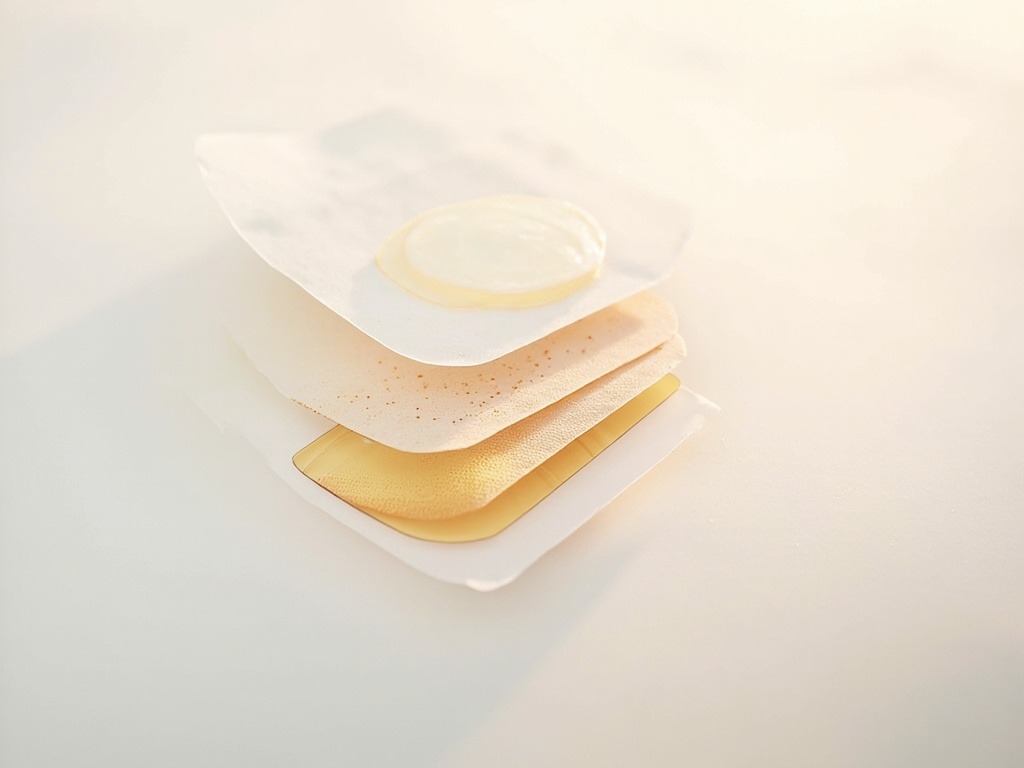
Yes. PCM layers can be combined with separate herbal-infused layers in multi-layer patch designs. The PCM provides sustained warming while herbal compounds deliver aromatherapy and traditional medicine benefits. Hybrid designs add USD 0.08-0.15 per patch to manufacturing cost.
Henan Hanmeng Bio-Tech has filed two utility patents covering PCM-microencapsulation technology and hybrid PCM-herbal patch construction (filed 2024, pending examination). The company offers OEM manufacturing of both pure iron-powder and hybrid PCM-herbal heat patches.
Keywords: phase change materials heat patch, PCM thermal patch, paraffin transdermal, hybrid heat patch technology
Looking for a Custom Patch Manufacturer?
Henan Hanmeng Bio-Tech produces private-label pain relief patches, herbal heat patches, cooling patches, nasal strips, and hydrocolloid patches on certified production lines. FDA, EU CE, and ISO 13485 documentation included. Samples shipped in 7 days; bulk MOQ negotiable.
View Our OEM Catalog Request a Quote
Henan Hanmeng Bio-Tech · Henan, China · +86 17796669065 · 396269538@qq.com
CATEGORIES
LATEST NEWS
CONTACT US
QQ: 396269538
Phone: 17796669065
Tel: 17796669065
Email: 396269538
Add: Room 001, 1st Floor, Building 1, Zhengzhou Hangmei International Smart City, Intersection of S102 and Nanquan Road, Xuedian Town, Xinzheng City, Zhengzhou, Henan Province, China