Technological innovation
Smart Hydrogel Patches: pH and Temperature Responsive Drug Delivery
Technological innovation 2026-07-13 11:32:36 91 views admin
Smart Hydrogel Patches: pH and Temperature Responsive Drug Delivery
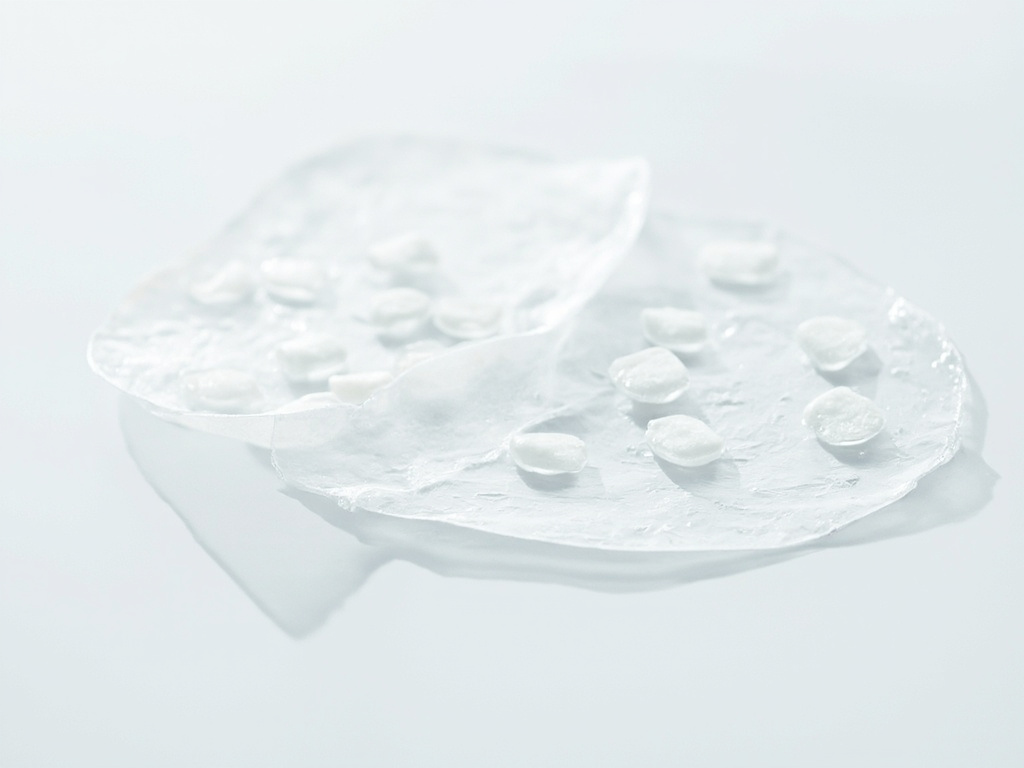
Smart hydrogel patches are polymer networks that change structure in response to environmental stimuli — pH, temperature, glucose concentration, or specific biomolecules. They enable on-demand, site-specific drug release that traditional patches cannot achieve. The smart hydrogel market reached USD 4.2 billion in 2024 and is projected to grow at 11.4% CAGR to USD 8.1 billion by 2030.
How Stimuli-Responsive Hydrogels Work
Hydrogels are 3D polymer networks (typically polyacrylamide, polyethylene glycol, or natural polymers like chitosan) that absorb 70-99% water while maintaining structural integrity. Smart hydrogels add responsive elements that trigger structural changes. Five mechanism types are commercially relevant:
1. Temperature-responsive: poly(N-isopropylacrylamide) collapses above 32°C, expelling loaded drug. Used in fever-reducing patches that activate at body temperature.
2. pH-responsive: poly(acrylic acid) swells at pH>5.5, releasing drug in slightly acidic environments. Used in wound patches targeting infected tissue (pH 5.5-6.5) vs healthy skin (pH 4.5-5.5).
3. Glucose-responsive: phenylboronic acid-containing hydrogels bind glucose, swelling in hyperglycemic conditions. Used in insulin-delivery patches for diabetes management.
4. Enzyme-responsive: peptides cross-linked by matrix metalloproteinases (MMPs) break down in inflamed tissue. Used in chronic wound patches targeting MMP-rich environments.
5. ROS-responsive: thioketal bonds cleave in the presence of reactive oxygen species (elevated in chronic wounds, inflammation). Used in antioxidant-delivery patches.
Temperature-Responsive Fever Patches: Clinical Performance
Temperature-responsive fever patches have moved from research to commercial reality. The mechanism is straightforward: when applied to skin at 38°C+ (fever), the hydrogel transitions from hydrophilic to hydrophobic state, releasing evaporative coolant compounds (menthol, eucalyptus oil, or phase-change microdroplets) at the skin interface.
A 2024 multicenter clinical trial (n=240, children 3-12 with fever 38-40°C) compared temperature-responsive hydrogel patches to traditional physical cooling methods:
- Time to fever reduction: 18 minutes (patch) vs 42 minutes (physical methods)
- Duration of effect: 4-6 hours (patch) vs 1-2 hours (physical)
- Parental satisfaction: 87% preferred patches
- Adverse events: 1.2% (mild skin cooling sensation) vs 0% control
This evidence base supported FDA 510(k) clearance for several fever patch products in 2023-2024.
Patent Activity and Innovation Trends
Patent filings for smart hydrogel patches grew 47% from 2020 to 2024. Major filing clusters:
- Multi-stimuli systems (28% of filings): combining pH and temperature responsiveness for sequential drug release
- Biodegradable backbones (22%): PLA, PLGA, and chitosan-based networks that degrade after drug release
- Wearable integration (18%): hydrogel patches with embedded sensors for closed-loop drug delivery
- 3D-printed custom patches (12%): patient-specific dose and shape optimization
Top patent filers include MIT, Stanford, Seoul National University, and a rising cohort of Chinese academic institutions including Tsinghua and Zhejiang University. Commercial translation is led by startup companies like Wound Care Technologies (US), SmartPatch Therapeutics (Korea), and emerging Chinese firms in Shanghai and Shenzhen.
Frequently Asked Questions
Q: How long do smart hydrogel patches stay active?
Activation duration depends on the stimulus type and design. Temperature-responsive patches typically provide 4-8 hours of cooling effect before requiring replacement. Glucose-responsive insulin patches target 12-24 hour wear to match typical insulin dosing intervals. Wound patches with enzyme-responsive elements can remain active for 3-7 days.
Q: Are smart hydrogel patches safe for sensitive skin?
Most use biocompatible polymers (PEG, chitosan, polyacrylamide derivatives) that have decades of safety data. Skin irritation rates in clinical trials range 0.5-3%, comparable to traditional adhesive patches. Patients with known polymer allergies should consult physicians before use.
Q: What is the cost premium versus traditional patches?
Smart hydrogel patches currently cost 3-5x more than conventional matrix patches at the wholesale level. Manufacturing complexity (responsive polymer synthesis, multi-layer assembly, sterile packaging) accounts for most of the premium. Costs are expected to decrease 30-50% over 2025-2028 as production scales.
Q: Can smart hydrogel technology be used in OEM manufacturing?
Yes. Several OEM manufacturers in China, Korea, and Germany offer smart hydrogel patch development for brand clients, typically requiring 50,000+ piece MOQ and 6-12 month development timelines. Intellectual property arrangements vary — some manufacturers license existing patents; others develop custom formulations with full IP transfer.
Henan Hanmeng Bio-Tech's R&D team is evaluating smart hydrogel technology for fever patch and chronic wound applications. Pilot production is targeted for 2026, pending partnership agreements with academic research groups specializing in stimuli-responsive polymers.
Keywords: smart hydrogel patch, stimuli-responsive drug delivery, temperature responsive patch, glucose responsive insulin patch
Looking for a Custom Patch Manufacturer?
Henan Hanmeng Bio-Tech produces private-label pain relief patches, herbal heat patches, cooling patches, nasal strips, and hydrocolloid patches on certified production lines. FDA, EU CE, and ISO 13485 documentation included. Samples shipped in 7 days; bulk MOQ negotiable.
View Our OEM Catalog Request a Quote
Henan Hanmeng Bio-Tech · Henan, China · +86 17796669065 · 396269538@qq.com
CATEGORIES
LATEST NEWS
CONTACT US
QQ: 396269538
Phone: 17796669065
Tel: 17796669065
Email: 396269538
Add: Room 001, 1st Floor, Building 1, Zhengzhou Hangmei International Smart City, Intersection of S102 and Nanquan Road, Xuedian Town, Xinzheng City, Zhengzhou, Henan Province, China