Technological innovation
Sustainable Patch Materials: PLA, Bamboo, and Plant-Based Innovations
Technological innovation 2026-07-13 11:32:36 83 views admin
Sustainable Patch Materials: PLA, Bamboo, and Plant-Based Innovations
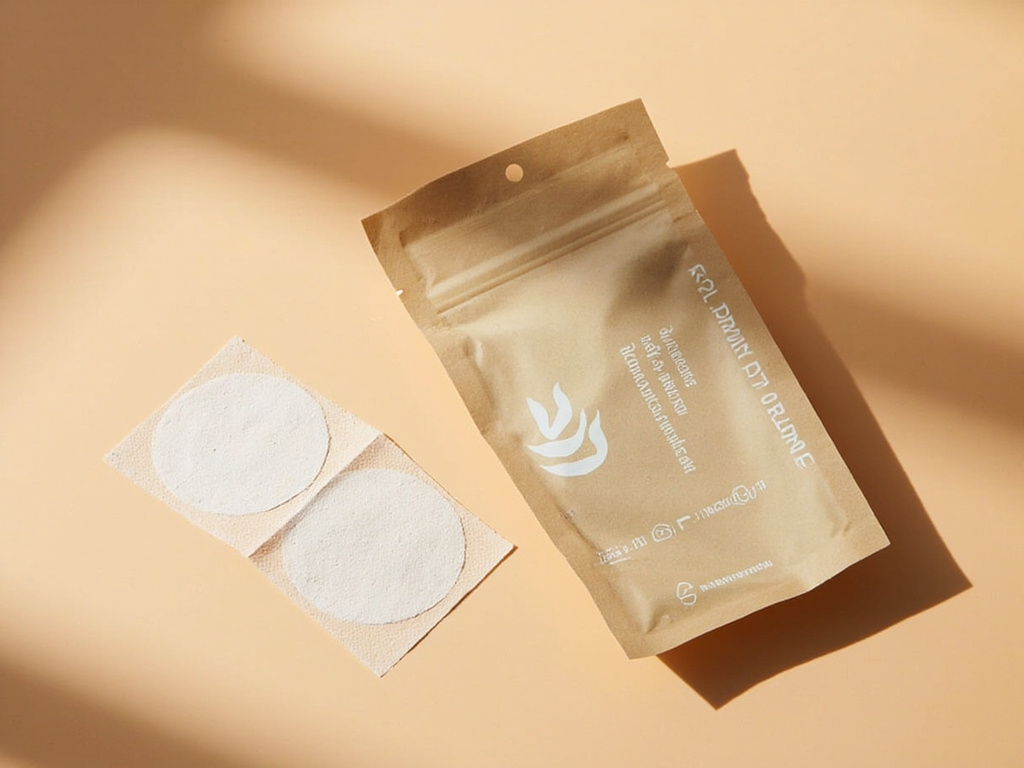
The shift from synthetic to bio-based patch materials is accelerating, driven by EU regulatory mandates, retailer ESG commitments, and consumer preference for sustainable products. By 2024, 23% of new transdermal patch launches included at least one biodegradable component, up from 8% in 2020. This article reviews the four most commercially mature sustainable material innovations.
PLA Backing Film: Replacing PET
Polylactic acid (PLA) derived from corn starch or sugarcane is the leading replacement for PET backing film. Key characteristics:
- Compostability: 90-day industrial composting (TUV OK Compost certified)
- Mechanical properties: 70-80% of PET tensile strength, comparable flexibility
- Barrier properties: slightly higher moisture vapor transmission (15-20 g/m²/day vs 8-12 g/m²/day for PET)
- Cost: 2.0-2.5x PET cost (USD 8-12/kg vs USD 4-5/kg)
PLA is best suited for non-sterile wellness patches (pain relief, herbal heat, cooling) where compostability messaging resonates with consumers. For pharmaceutical applications requiring strict barrier properties, PLA is currently unsuitable without additional coating layers.
Bamboo Fiber Non-Woven Fabric
Bamboo fiber non-woven fabric replaces polyester non-woven as the breathable backing layer. Manufacturing process:
1. Bamboo culms are mechanically crushed into fiber bundles 2. Fibers are pulped using eco-friendly enzymes (no harsh chemicals) 3. Slurry is wet-laid into non-woven sheets using water-based binders 4. Sheets are dried and calendered for smoothness
Properties comparison:
| Property | Polyester non-woven | Bamboo non-woven |
|---|---|---|
| Tensile strength | 25-40 N/5cm | 18-30 N/5cm |
| Breathability | 1500-2500 g/m²/24h | 3000-4500 g/m²/24h |
| Antibacterial | None inherent | Natural (bamboo kun) |
| Cost (USD/m²) | 0.10-0.20 | 0.25-0.45 |
| Biodegradability | 50+ years | 6-12 months |
Bamboo's natural antibacterial properties (from bamboo kun, an anti-microbial agent) provide additional product safety benefits, particularly relevant for wound care and fever patch applications.
Plant-Based Adhesives
Traditional acrylic adhesives are being replaced by plant-based alternatives with comparable performance:
Pine rosin derivatives: esterified rosin acids provide pressure-sensitive adhesion with 200-400 g/inch peel force, comparable to acrylic. Cost is 20-30% higher than acrylic, but with full bio-based content and improved skin feel.
Soy protein adhesives: modified soy protein isolate provides gentle adhesion suitable for sensitive skin applications. Tensile strength is 40-60% of acrylic, but skin trauma on removal is 70% lower. Cost is approximately 15% premium.
Sugar-based adhesives: sucrose esters and starch derivatives offer low-cost sustainable adhesion, though with limited long-wear performance (typically 6-8 hours versus 12-24 hours for acrylic). Best for short-duration patches like cooling eye masks.
Paper-Based Release Liners
Silicone-coated PET release liners represent 5-8% of total patch waste by weight. Paper-based alternatives now match their functional performance:
Clay-coated paper: with optimized silicone coating, achieves release forces of 15-40 g/inch — comparable to PET liner. Cost is 30-40% lower than PET.
Recycled paper liner: 100% recycled content, FSC-certified. Slight color variation is the only aesthetic difference. Cost is on par with virgin paper liner.
Bio-coated paper: novel water-based silicone replacements (acrylic-based or bio-wax coatings) eliminate petroleum-derived silicone. Still in commercial scale-up, but 2-3 major manufacturers have launched in 2023-2024.
Frequently Asked Questions
Q: Are biodegradable patches as effective as traditional ones?
For consumer wellness patches (pain relief, herbal heat, cooling, fever), yes — active ingredient delivery is unchanged. For pharmaceutical patches requiring strict barrier properties and extended shelf life (24-36+ months), traditional materials are still preferred.
Q: What does compostable actually mean?
Industrial composting requires controlled conditions (58°C, 55-65% humidity, microbial activity) and takes 90-180 days. Home composting is slower and less reliable. PLA breaks down in industrial composting but not in landfills or oceans. TUV OK Compost or BPI certification confirms compostability claims.
Q: How much more do sustainable patches cost?
For full material transition (PLA + bamboo + paper + plant adhesive): USD 0.10-0.18 per piece at 50,000 MOQ. For partial transition (just bamboo + paper liner): USD 0.05-0.10 per piece. Costs are decreasing 15-25% annually as material production scales.
Q: Do sustainable materials affect patch shelf life?
PLA backing has slightly higher moisture vapor transmission, reducing shelf life from 36 to 24-30 months depending on packaging. Bamboo and paper components are stable. Plant-based adhesives are stable in sealed packaging. Combined shelf life of 24-30 months is typical for fully sustainable patches.
Q: What regulatory certifications apply to sustainable materials?
TUV OK Compost (industrial/home compostability), BPI Compostable (US/Canada), ASTM D6400 (compostability standard), EN 13432 (EU packaging compostability), FSC certification (paper sourcing), USDA BioPreferred (bio-based content). Manufacturers exporting to EU markets should target EN 13432 compliance.
Henan Hanmeng Bio-Tech has introduced sustainable material options across its standard OEM formulations: bamboo fiber backing, clay-coated paper release liner, and pine rosin adhesive options. The company is investing in PLA film extrusion capacity for 2025 to support brand owners targeting EU and US markets with sustainability requirements.
Keywords: sustainable patch materials, biodegradable backing film, bamboo non-woven patch, plant-based adhesive patch
Looking for a Custom Patch Manufacturer?
Henan Hanmeng Bio-Tech produces private-label pain relief patches, herbal heat patches, cooling patches, nasal strips, and hydrocolloid patches on certified production lines. FDA, EU CE, and ISO 13485 documentation included. Samples shipped in 7 days; bulk MOQ negotiable.
View Our OEM Catalog Request a Quote
Henan Hanmeng Bio-Tech · Henan, China · +86 17796669065 · 396269538@qq.com
CATEGORIES
LATEST NEWS
CONTACT US
QQ: 396269538
Phone: 17796669065
Tel: 17796669065
Email: 396269538
Add: Room 001, 1st Floor, Building 1, Zhengzhou Hangmei International Smart City, Intersection of S102 and Nanquan Road, Xuedian Town, Xinzheng City, Zhengzhou, Henan Province, China